
Post Name

Short answer: yes—for many keys, a locksmith can cut accurately from a photo or a code. The details depend on the key type, the quality of the image/data.


Key cutting from code vs from photo

By code (most precise).

A key code (often printed on locks, key tags, or documentation) translates into a series of cut depths called the bitting. On a code machine, a locksmith dials those depths and cuts a new key without the original present. This is the preferred method for many utility keys (e.g., caravan, retro auto, e-bike battery, furniture, mailboxes, ATVs, roof racks, towbars), but also for car keys. 

By photo (works in many cases).

From a clear, square-on image, a trained technician can decode the cut depths and reproduce the bitting. Research has shown keys can be recreated from ordinary or telephoto shots if the profile and scale are known. This is why publishing close-ups of your keys is discouraged.
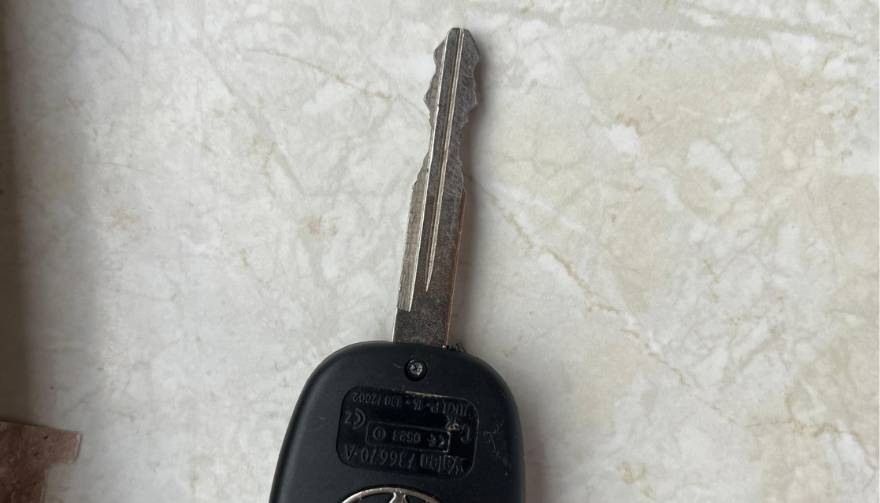


When a photo is “good enough”

If you’re ordering car keys cut by photo or utility keys by photo, expect guidelines like:


Flat, well-lit, high-resolution image; key blade perfectly side-on.

Ruler/coin in frame for scale; entire blade visible, shoulder to tip.

For double-sided/laser keys, shots of both sides.

Keyway/profile identification (brand/series).


Automotive: cutting from photo or code—plus programming

Cutting the blade is only step one for modern cars. Since the late 1990s, most vehicles have immobilisers; the key’s transponder chip must be recognised or the engine won’t start. In practice:


Get the correct blank and cut it (photo or code).

Program the transponder/remote (OBD or on-board procedures), or pair a proximity fob.

Test mechanical operation and ignition start.


Main points UK readers should know:


Immobiliser/transponder tech became standard in the mid-1990s; without a programmed chip, a correctly cut key usually won’t start the car.

A key code specific to your vehicle lets a locksmith/dealer cut precisely without an original; some guides explain where owners can find it.


Utility keys we commonly see cut by code


If you have the key code, these are routinely cut accurately online:


Retro automobile keys (classic patterns; often stamped codes).

Caravan & motorhome keys (e.g., ZADI, FAP/FAWO—codes on barrels).

E-bike battery keys (e.g., ABUS/AXA series).

Furniture, mailboxes keys (office furniture, cam locks).

ATV/quad ignition and compartment keys.

Roof racks (e.g., Thule N*** series).

Towbars (e.g., Westfalia/Brink code series).


For these categories, supplying the printed code (from the lock face, key head, manual, or tag) usually yields the fastest, most reliable result compared to photos.


Accuracy expectations & limitations


What typically works well


Flat cylinder keys with standard depth systems (common utility keys).

Many car blades (including laser/sidewinder) if the image is clean and scaled.

Keys where the lock/brand series is known and the bitting can be derived.


What may be restricted or not feasible from a photo


Patented/restricted keyways (require authorised proof and controlled blanks).

Highly worn, bent, or obscured keys in photos.

Complex security keys that need factory or authorised dealer processes.

Car keys where programming tokens, PINs, or security codes are required.


For security and consumer protection in the UK, look for MLA-approved locksmiths and insist on identity/ownership checks for sensitive work.


Real-world risk: why photos can be enough


Academic work and well-reported incidents show that key geometry can be decoded from images at surprising distances. Media have covered expensive lock replacements after keys appeared on camera, underlining the practical risk of sharing key images online. Keep your keys out of frame.


What an online order typically requires


For car keys (photo or code):


Vehicle make/model/year, blade type, and VIN if needed for code retrieval.

Clear photos (both sides). 

Programming method: mobile visit, on-site, or mail-in ECU/fob (varies by model).

Expect additional steps for remote locking and proximity systems.


For utility keys (cut by code):


The code from the lock face or original key (e.g., N123, Z**).

Brand or system (Thule, Zadi, Westfalia, etc.).

Quantity and turnaround needs (next-day options often available).


Speed and success rates


By code: fastest and most consistent for; minimal adjustment needed. 

By photo: slightly more validation and back-and-forth; still accurate when images meet spec.



Why choose an online key cutting service like MR-KEY


Unlike traditional emergency locksmiths who mainly handle urgent lockouts, MR-KEY specialises in precision key cutting from photos or codes — ideal when you’re not locked out but need an exact replacement or spare.


Through our online platform, you can:


Order from anywhere in the UK — simply upload a clear photo or enter your key code.

Get fast, expert cutting using professional decoding software and calibrated machines.

Receive your key by post, ready to use or, for vehicles, to be programmed locally.


With MR-KEY, you save the cost and time of a mobile visit while still getting locksmith-level precision. Each key is verified before dispatch to ensure perfect fitting and reliable operation.


FAQs


Can a locksmith cut a car key from a photo?

Often yes, the blade can be cut from a high-quality photo, but modern cars also need transponder/immobiliser programming before the engine will start.


Is cutting by code more accurate than using a photo?

For most utility keys, yes. A verified key code maps to exact cut depths, making the process highly repeatable and quick.


Can someone copy my key from a social media photo?

It’s technically possible; public cases and research have shown keys can be decoded from images. Avoid posting close-ups of keys online.


What’s the difference between “key cutting,” “key replacement,” and an “emergency locksmith”?


Key cutting: the physical milling of a blade (by code/copy/photo).

Key replacement: end-to-end service supplying a working key/fob (cutting + programming if needed).

Emergency locksmith: rapid response for lockouts or urgent access/security issues.


Order your new key today at mr-key.com — fast, accurate, and cut by professionals from your photo or code.


Related Posts

Why Keyless Entry Isn’t Always Secure — and How to Protect Yourself

Why Keyless Entry Isn’t Always Secure — and How to Protect Yourself

The Double-Edged Sword of Modern Convenience Keyless entry has become one of the most praised innovations in the modern car industry. It offers a seamless, futuristic experience: you walk up to your car, the doors unlock automatically, and with a simple press of a button, your engine comes to life. There’s no need to search for your keys, no fumbling in bad weather, and no risk of locking yourself out. The key fob quietly communicates with the vehicle, confirming your identity without effort. But this luxury comes at a price. The very feature designed to make your life easier can also make your car more vulnerable to theft. In the pursuit of comfort and automation, many drivers remain unaware that their vehicle’s passive entry system is constantly “awake,” listening for a signal. And that’s precisely where the risk begins. In recent years, keyless entry systems have become a target for high-tech criminals who have found ways to exploit their weaknesses — not by force, but by deception. The result is a quiet, nearly invisible form of car theft that is growing worldwide. How Keyless Entry Works — and What Makes It Vulnerable At the heart of a keyless system is a simple principle: wireless communication. Your key fob emits a short-range radio signal containing a unique encrypted code. When you approach your car, sensors in the doors detect the fob’s presence and automatically unlock the vehicle. The same signal is required for starting the engine, ensuring that only a registered fob can activate the car. This process is secure in theory. The codes are encrypted, randomized, and designed to prevent duplication. However, the signal itself — the presence of communication between fob and car — can be intercepted or manipulated , even if the data within is protected. Unlike traditional keys, which require physical insertion, keyless systems are built on proximity. That means if the car thinks your fob is nearby, it will unlock — regardless of whether it’s actually in your hand or being imitated by a thief’s device. The Relay Attack: Theft Without Force One of the most common techniques used by thieves today is known as a relay attack . This method doesn’t require physical access to your keys and leaves no signs of forced entry. It's efficient, quiet, and can be executed in under a minute. Here’s how it works: thieves use two signal-amplifying devices. The first person lurks near your home, office, or wherever your keys are stored — even if they’re just inside your front door. This device captures the fob’s signal and boosts it to a second thief standing next to your vehicle. The car receives the signal, interprets it as valid, and grants access. From there, starting the car is as simple as pushing the ignition button. What’s most alarming is that you might not even realize the theft has occurred until hours later. There are no broken windows, no alarms, and in many cases, no clues left behind. Other Threats Beyond Relay Attacks While relay theft has gained the most attention, it’s far from the only vulnerability of keyless systems. In some cases, criminals employ signal jamming devices to block the lock signal when you walk away from your car. You may think it’s locked because you pressed the button — but it never actually locked. Minutes later, your vehicle is stolen without ever being broken into. There’s also the risk of key cloning , though it’s less common and more technically complex. Skilled attackers may capture a signal and replicate it onto another device. Another rising threat is OBD port manipulation — once inside your car, a thief may access the On-Board Diagnostics system to program a new key, effectively giving them long-term control of your vehicle. These methods are all part of a growing trend: theft without damage. And that’s precisely what makes them dangerous — not only are they hard to detect, but they also make insurance claims more difficult to prove. Real-World Cases and Statistics Relay attacks and other forms of keyless car theft are no longer rare or experimental. In the UK, the RAC and other automotive security groups have reported that up to 50% of vehicle thefts in major cities involve keyless entry systems . Similar trends have been observed across Germany, France, and the United States, particularly in urban and suburban areas. Vehicles from luxury brands like Mercedes-Benz, BMW, Audi, and Land Rover are frequent targets, but mid-range models such as Ford, Toyota, Hyundai, and Volkswagen are not immune. Any car with passive entry and push-to-start functionality can be at risk. What Can You Do to Protect Yourself? Fortunately, you don’t need to give up the convenience of your keyless system to stay safe. What’s required is awareness and a few intentional habits that make your vehicle less vulnerable. The most effective defense — and one of the simplest — is to store your key fob in a Faraday pouch or signal-blocking box . These devices block the radio signal from leaving the pouch, rendering it invisible to signal amplifiers. They’re inexpensive, easy to use, and available from trusted automotive suppliers. Another smart habit is to avoid placing your keys near entry points in your home. Many people leave keys near doors or windows, unknowingly making them easier targets. Storing them in the center of your home or in a shielded container can significantly reduce exposure. If your vehicle allows it, consider disabling the passive unlock function in your car’s settings. While it removes some convenience, it also eliminates the risk of unauthorized proximity unlocking. Check your vehicle’s manual or consult your dealer for instructions. Physical deterrents like steering wheel locks are also surprisingly effective. While they may seem outdated, their visibility alone can discourage would-be thieves looking for a quick and quiet escape. Lastly, stay current with vehicle software updates . Manufacturers often release patches to improve security features, especially as vulnerabilities become known. Newer cars may receive updates over-the-air, while older models might require a visit to the dealer. Taking Responsibility in a Connected World As our vehicles become smarter and more connected, so do the methods used to compromise them. The truth is, technology alone won’t protect your car — not if it’s used passively and without thought. Keyless systems are not inherently flawed, but they require active ownership . Just as you lock your front door and set your home alarm at night, it’s important to consider how you store and manage your car keys. Simple choices — like using a signal-blocking pouch or changing where you leave your keys — can mean the difference between peace of mind and waking up to an empty driveway. Convenience Without Compromise Keyless entry is one of the most appreciated technological advancements in the automotive industry. It brings ease, speed, and comfort to daily driving — but it also demands greater responsibility. As theft methods evolve, the best defense is a combination of awareness, habit, and prevention . Invest in a signal-blocking case. Keep your fob away from open areas. Use visual deterrents. And know how your car’s system works — because in the end, your security doesn’t depend on a single feature, but on how you use it. You don’t have to choose between convenience and protection. With the right steps, you can have bo

Here’s 1 Crazy Mistake 40% of Car Owners Make

Here’s 1 Crazy Mistake 40% of Car Owners Make

When it comes to car ownership, most of us are pretty diligent. We make sure our insurance is up to date, change the oil like clockwork, and even rotate our tires to avoid any wear and tear. But there’s one crucial aspect that many car owners overlook: having a spare key . It seems like a small detail, right? Yet, nearly 40% of car owners don’t have a backup key for their vehicle. And that’s a huge risk. Why? Because losing your only car key can cause a headache you’re not prepared for—and it’s a lot more common than you might think. The Hidden Dangers of Only Having One Car Key It’s easy to get comfortable with just one key. After all, it’s always in your pocket, bag, or hanging on your keychain. But life happens. Keys get lost, misplaced, or even stolen, and when that happens, you’re looking at a nightmare scenario. Here’s why: Costly Lockouts : Lose your key, and you’re locked out of your car, stranded until you can get help. Calling a tow truck or emergency locksmith is not only frustrating but can cost you hundreds of dollars. Inconvenient Delays : Have an important meeting? Picking the kids up from school? With only one key, losing it means your entire day—or week—grinds to a halt. Damaged Key, No Backup : Keys wear down over time, and if you only have one, a damaged key could lead to ignition problems. Suddenly, your car won’t start, and now you’re stuck paying for both a repair and a replacement. Security Risk : Lost keys are more than just a hassle—they’re a potential security threat. If your key falls into the wrong hands, your vehicle becomes vulnerable. The Pricey Locksmith Option Once you’re locked out or your key is lost, your options become limited—and expensive. Going to a local locksmith is one route, but here’s what you’re facing: High Prices : Traditional locksmiths can charge anywhere from €150 to €400 just to cut and program a new car key. Depending on your car model, it could be even more. Inconvenient : Many locksmiths don’t work around your schedule, and waiting for them to arrive or driving to their location takes time you don’t have. The Smart, Affordable Solution: Mr-Key.com Fortunately, there’s an easier and much more affordable option— Mr-Key.com . Instead of paying top dollar and wasting time, here’s how you can get a spare key in just a few simple steps: Take a Picture : Simply snap a photo of your existing key. Send It to Us : Upload the picture to Mr-Key.com using our secure service. Get Your Key Delivered : We’ll cut a perfect match and deliver it right to your door at a fraction of the cost of a traditional locksmith. Don’t Wait for a Crisis—Get Your Spare Key Now! Why risk being locked out or paying hundreds when you can have peace of mind for less? Visit Mr-Key.com today and get a spare car key cut from just a picture. It’s quick, it’s easy, and it’s affordable. Don’t be part of the 40% that gambles with just one key—protect your car and your schedule with Mr-Key.com!

Top 5 Interesting Facts About Audi: The Legacy Behind the Four Rings

Top 5 Interesting Facts About Audi: The Legacy Behind the Four Rings

When you think of Audi , luxury, innovation, and performance probably come to mind. But behind the sleek design and advanced technology, Audi’s story is filled with fascinating history and achievements. Whether you’re a long-time fan or new to the brand, there’s a lot to discover. In this article, we’ll uncover five of the most interesting facts about Audi that every car enthusiast should know. 1. The Meaning Behind Audi’s Four Rings At first glance, Audi’s logo—four interlocking rings—seems like a simple yet stylish design. However, these rings have deep significance. Each ring represents one of the four founding companies that came together in 1932 to form Auto Union: Audi , DKW, Horch, and Wanderer. A Rich History : This merger marked the beginning of what would eventually evolve into Audi, and the four rings symbolize the unity of these brands. It’s more than just a logo; it’s a reminder of Audi’s prestigious heritage and long-standing dedication to automotive innovation. Survival Through the Ages : Despite wars, economic downturns, and changes in the automotive landscape, the legacy of these four companies continues to live on in Audi’s cutting-edge vehicles. 2. Audi Was the First to Introduce Quattro All-Wheel Drive In 1980, Audi made waves in the automotive world by introducing the Quattro all-wheel-drive system. Originally developed for rally racing, the Quattro system was revolutionary, giving drivers improved traction, handling, and stability in all types of weather conditions. A Game-Changer for Drivers : This innovative system quickly became a staple for Audi vehicles, giving them superior control and stability. Today, the Quattro system is still a key feature, especially in models designed for performance and sport. Setting the Standard : Audi’s Quattro system not only changed the way we think about driving in tough conditions but also set the benchmark for all-wheel-drive technology, making it one of the most trusted names in the industry. 3. The Name "Audi" Has Latin Origins Did you know that the name "Audi" has an interesting linguistic history? The name comes from the Latin translation of the German word “Horch,” which means “listen.” August Horch, the founder of Audi, had to change the name of his company due to legal reasons after he left the Horch company. Rather than giving up his name completely, he chose to translate it into Latin, giving birth to the name “Audi.” An International Touch : This name change added an international flair to the brand and has since become synonymous with high performance and luxury. A Tribute to the Founder : Audi’s name serves as a lasting tribute to August Horch’s vision and his pioneering spirit in the world of automobiles. 4. Audi’s Revolutionary Win at Le Mans In 2006, Audi made history by becoming the first car manufacturer to win the prestigious 24 Hours of Le Mans race using a diesel engine. Audi’s R10 TDI was not only fast but also fuel-efficient, demonstrating the potential of diesel technology in endurance racing. Fuel Efficiency Meets Performance : The victory wasn’t just about speed; it was about showcasing how efficiency and performance could work hand in hand. This win cemented Audi’s reputation for innovation and opened the door for more advanced technologies in racing. Multiple Wins : Audi’s dominance at Le Mans didn’t stop there. Over the years, the brand has secured numerous wins at the event, further proving that Audi’s commitment to excellence extends to the world of motorsports. 5. Audi’s Focus on Lightweight Design: The Audi A8 Audi has always been at the forefront of automotive design, and the Audi A8 is a testament to that. Introduced in the 1990s, the A8 was one of the first vehicles to feature an all-aluminum body, significantly reducing its weight while enhancing performance and fuel efficiency. Aluminum Innovation : By using lightweight aluminum in place of traditional steel, Audi was able to create a vehicle that not only performed better but was also more fuel-efficient and environmentally friendly. An Industry Leader : This innovative approach to vehicle design has influenced the automotive industry as a whole, and the Audi A8 remains a leader in the luxury sedan market. Audi’s Legacy of Innovation Audi is more than just a luxury car brand—it’s a company that consistently pushes the boundaries of what’s possible in automotive technology. From pioneering all-wheel-drive systems to revolutionizing motorsports, Audi has proven time and time again that it’s a brand dedicated to innovation, performance, and quality. As a car owner, whether you’re drawn to Audi for its history or its cutting-edge technology, it’s important to ensure you have reliable and convenient solutions for every aspect of car ownership, including your car keys. Audi’s legacy of innovation can serve as a reminder that planning ahead—whether in technology or practical matters like having a spare key—can save you from unexpected hassles down the road.

The Environmental Impact of Car Manufacturing: A Deep Dive into Its Global Consequences

The Environmental Impact of Car Manufacturing: A Deep Dive into Its Global Consequences

The automobile industry has long been a driving force of economic growth and technological advancement. However, beneath its sleek exteriors and high-speed innovations lies a significant environmental footprint. From the extraction of raw materials to the assembly line and eventual disposal, every stage of a car's life cycle carries substantial ecological consequences. As the world grapples with climate change and resource depletion, it is imperative to assess the environmental impact of car manufacturing and explore sustainable alternatives. Resource Extraction: The Hidden Cost of Manufacturing Before a car even reaches the production line, the journey begins with the extraction of raw materials. The automotive industry relies heavily on metals such as steel, aluminum, and lithium, all of which require energy-intensive mining operations. Steel and aluminum production involve large-scale mining activities that contribute to deforestation, soil degradation, and biodiversity loss. The World Steel Association estimates that steel production alone accounts for 7-9% of global CO2 emissions. The demand for lithium and cobalt, key materials in battery production, has led to extensive mining operations in countries like Chile and the Democratic Republic of Congo. These activities have been linked to water shortages, toxic waste, and human rights violations. The environmental impact of resource extraction does not end at the mines. Refining these materials also emits significant greenhouse gases and pollutants that affect both the atmosphere and local ecosystems. Energy Consumption and Carbon Footprint in Production The manufacturing process itself is a major contributor to carbon emissions. Producing a single vehicle requires immense amounts of energy, primarily derived from fossil fuels. Car factories depend on energy-intensive machinery for stamping, welding, painting, and assembling components, with most facilities still relying on non-renewable energy sources, exacerbating their carbon footprint. According to the International Energy Agency (IEA), the automotive industry accounts for roughly 10% of total global CO2 emissions. While traditional internal combustion engine (ICE) vehicles release an average of 4.6 metric tons of CO2 annually, even EV production is not emission-free due to battery manufacturing. Water Usage and Pollution in Car Manufacturing Water is a crucial resource in vehicle production, used for cooling systems, paint shops, and cleaning processes. On average, it takes up to 151 cubic meters of water to manufacture a single car. This excessive water consumption poses a severe strain on local water supplies, especially in arid regions. Furthermore, wastewater from factories often contains hazardous chemicals, heavy metals, and microplastics. If not properly treated, these contaminants can seep into local water bodies, affecting marine ecosystems and public health. Air Pollution and Toxic Emissions Beyond CO2, car manufacturing emits various pollutants that contribute to poor air quality and respiratory illnesses. The painting and coating processes release volatile organic compounds (VOCs), which contribute to smog formation and have been linked to lung diseases. Emissions from factory operations and power plants used to supply energy to car manufacturing facilities contribute to nitrogen oxides (NOx) and particulate matter pollution, leading to acid rain and cardiovascular diseases. Waste Generation and Recycling Challenges The car manufacturing process generates vast amounts of waste, from metal scraps and plastic components to hazardous chemicals and non-recyclable materials. While a large percentage of scrap metal can be recycled, many plastic and composite materials used in modern cars are difficult to process. With the rise of EVs, battery disposal is a growing concern. Many lithium-ion batteries contain toxic elements like lead and cadmium, posing environmental hazards if not properly recycled. Global Efforts Toward Sustainable Car Manufacturing Recognizing the urgency of reducing their ecological impact, car manufacturers are gradually shifting toward greener alternatives. Companies like Tesla and BMW are integrating solar and wind power into their production facilities to reduce reliance on fossil fuels. Some automakers are exploring the use of recycled aluminum, biodegradable plastics, and sustainable textiles to minimize waste. Many factories are implementing closed-loop water recycling systems to reduce water consumption and prevent pollution. Efforts to promote sustainability in the industry include: The use of renewable energy sources such as solar and wind in manufacturing plants. Innovative recycling programs that repurpose old car parts and materials. Improvements in energy efficiency within production lines to reduce emissions. Adoption of cleaner, alternative materials for car interiors and body structures. Electric Vehicles: A Double-Edged Sword? While EVs are often touted as the future of sustainable transportation, their production still presents environmental challenges. The extraction and refining of lithium, nickel, and cobalt require vast amounts of energy and water, sometimes offsetting the carbon savings of driving an EV. An EV’s overall sustainability depends on the energy grid it charges from. In coal-dependent regions, EVs may not offer a significant reduction in emissions compared to efficient hybrid vehicles. The Road Ahead for a Greener Auto Industry The environmental impact of car manufacturing is a multifaceted challenge that requires a collaborative effort from governments, corporations, and consumers. Transitioning toward sustainable production practices, investing in recycling infrastructure, and promoting clean energy solutions are crucial steps in mitigating the industry's ecological footprint. As consumers, we can contribute by supporting manufacturers committed to sustainability, opting for fuel-efficient or electric vehicles, and advocating for stricter environmental policies. The road to a greener automotive industry is long, but with continued innovation and commitment, a more sustainable future is within reach.

Chat with us