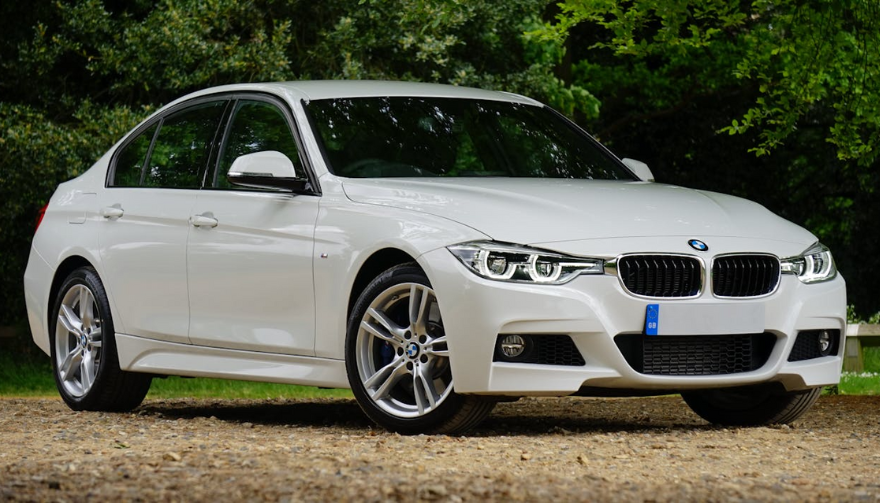
BMW stands for precision engineering and pure driving pleasure. Founded in 1916 in Bavaria, BMW began as an aircraft engine manufacturer before reshaping the automotive world. Its guiding philosophy, “Aus Freude am Fahren” (Sheer Driving Pleasure), has defined the brand for decades.
Today, BMW builds everything from electric city cars to high-performance M models. What connects them all is balance, control, and a driver-first mindset. These BMW facts reveal how the brand earned its reputation.
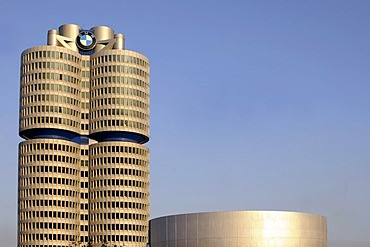
1. Munich’s Four-Cylinder Headquarters
BMW’s headquarters in Munich is instantly recognizable. The building, completed in 1972, resembles four vertical engine cylinders joined together.
BMW’s headquarters in Munich is instantly recognizable. The building, completed in 1972, resembles four vertical engine cylinders joined together.
2. Logical Model Names Since 1972
BMW’s naming system is deliberately simple. Introduced with the first 5 Series in 1972, the three-digit structure tells you exactly where a model sits in the lineup.
The first number shows the series. The remaining digits traditionally indicated engine size. Letters like i, d, and x were later added to explain fuel type or drivetrain. BMW drivers can often decode a car before even opening the door.
3. The Only BMW With a Real Name
Almost every BMW uses numbers—except one. The BMW Isetta remains the brand’s only mass-produced car with a proper name.
Licensed from Italian manufacturer ISO in the 1950s, the Isetta featured a single front-opening door and ultra-compact dimensions. It helped BMW survive financially after the war and became a design icon in Europe.
4. Motorsport DNA: The Birth of BMW M
BMW’s M division was created in 1972 to support racing programs. Its purpose was simple: win races and transfer that knowledge to road cars.
BMW M cars quickly became benchmarks for performance sedans and coupes. The connection runs deep—BMW even powered a Formula 1 championship-winning car in 1983. Motorsport is not branding for BMW; it’s engineering validation.
5. Safety Innovations Ahead of Their Time
In 1972, BMW revealed the Turbo concept car. It introduced ideas that would later become industry standards.
Crumple zones, energy-absorbing steering columns, and even early collision-warning concepts were present. Decades before modern driver-assist systems, BMW was already testing how to protect drivers without compromising performance.
6. Hydrogen Engines in the 1970s
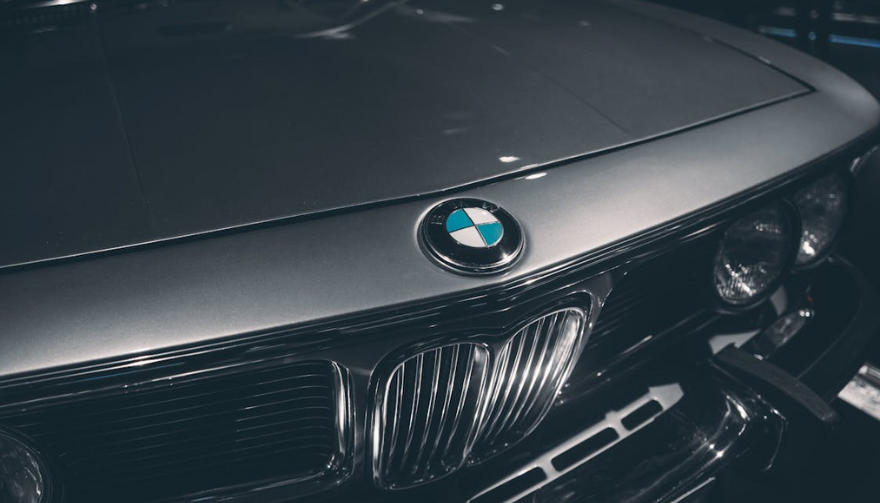
BMW experimented with hydrogen power long before electrification became mainstream. In 1979, BMW tested a hydrogen-powered 5 Series sedan.
The car looked ordinary but ran on modified combustion technology. This early project showed BMW’s willingness to explore alternative energy paths well ahead of regulations or market demand.
7. Project i and the Electric Breakthrough
BMW’s modern electric strategy began in 2007 with Project i. The initiative was designed to rethink mobility from scratch.
The result was the BMW i3, launched in 2013. It combined carbon-fiber construction, electric drive, and sustainable materials. Project i shaped BMW’s current EV lineup and proved electric cars could still deliver driving pleasure.
8. Limited-Run BMW Special Models
BMW frequently builds rare, limited-production vehicles to showcase design and engineering freedom.
Models like the modern 3.0 CSL tribute or special M editions celebrate milestones and motorsport heritage. These cars often sell out instantly, reinforcing BMW’s reputation for exclusivity and craftsmanship.
9. Precision Manufacturing With BMW iFACTORY
BMW applies the same precision to manufacturing as it does to driving dynamics. The BMW iFACTORY concept integrates AI, robotics, and digital twins into production.
Quality control is automated and continuously monitored. The result is consistent build quality across plants in Europe and beyond—something BMW drivers notice long after purchase.
10. Steering-Wheel Controls Before Anyone Else
BMW introduced steering-wheel-mounted controls in the early 1990s. Inspired by Formula 1, the goal was simple: keep the driver’s hands on the wheel.
Functions like audio and cruise control became easier to manage. Today this feature is universal, but BMW was among the first to make it standard in luxury cars.
FAQ
What does BMW stand for?
BMW means Bayerische Motoren Werke (Bavarian Motor Works). The company was founded in Munich in 1916 and originally produced aircraft engines.
Why do BMW drivers value the brand so highly?
Balance, rear-wheel-drive heritage, motorsport DNA, and consistent engineering philosophy all contribute to BMW’s loyal following.
What should you do if you lose your BMW key?
BMW keys are coded and must match the vehicle’s security system. Owners usually replace them through dealers, but specialist suppliers can also provide compatible keys and cases. Platforms like MR-KEY help BMW owners replace worn or lost keys while maintaining proper ownership verification.
Visit our shop at mr-key.com
 (1)_1736344815.jpg)
 (1)_1743685544.jpg)