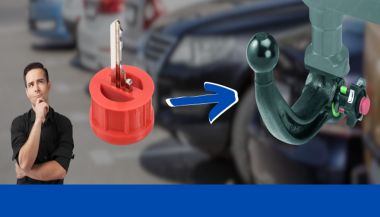
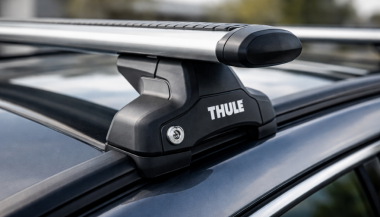
A replacement key can usually be cut from the code alone, no original key needed. Find the code on the lock face or on the key, pick it from the drop-down, and it's cut and dispatched the same working day. A few systems, including certain caravan locks, Givi and Shad top cases and pickup roller shutters, need the code plus a photo of the original key.
Losing the only key to a towbar, a roof box, a caravan door or an e-bike battery feels like the start of an expensive week. It usually isn't. Most of these locks are coded, and a coded lock means the key can be made again from a short code, without the original and without anyone touching the lock. That's what "keys cut by code" means, or "cut to code" if you prefer, and it's the same thing. This guide covers how it works, where the code hides, which keys need a photo on top, and what your options are when you have neither.
What this covers. Mechanical keys cut to code: towbar, roof rack and bike rack, caravan, motorcycle and scooter, ATV, e-bike battery, bike lock, furniture and mailbox, agricultural machinery and retro car keys. Car keys with a transponder chip are a different job, because they also need programming.
IN THIS GUIDE
How keys cut by code work
Every coded lock leaves the factory with a code, and that code is a recipe. It tells a key machine exactly how deep each cut on the blade has to be, in what order, on which blank. So when you send us a code, we're not copying anything. We cut a fresh key to the factory specification for that lock, the same way the original was made on day one.
What the code becomes on our side: code N123 translates to the cut pattern 0-0-1-0-2, five positions along the blade, each to a set depth measured in hundredths of a millimetre.
That's the whole trick, and it's why the original key isn't needed. A copy traced from a worn key inherits every bit of that wear. A key cut by code doesn't. It comes out at the depths the lock was designed for, which is often better than the tired key you lost.
Where to find your key code
Two places, and check both: the lock and the key. On the lock it's stamped into the metal face of the barrel, right around the keyway. On the key it's stamped on the bow (the head) or along the blade. If you still have any key at all, start there, because it's easier to read than a dirty lock face.
On the lock: the code sits on the metal face of the barrel, circled here on a Westfalia towbar lock. This one takes key code 2W10.
| Where to look | What you're looking for |
|---|---|
| Face of the lock barrel | A short code stamped into the metal around the keyway. Wipe it clean and use a torch at an angle. |
| Your key, if you have one | The same code stamped on the bow or along the blade. |
| Paperwork, key tag, packaging | Some makers print the code on a tag or card that came with the product. Worth a look in the glovebox. |
Codes look different from brand to brand, but they're always short. Westfalia towbar keys run in the 2W01 to 2W50 series, so a code like 2W10 is normal. Thule roof rack and bike carrier keys use the N-series, N001 to N250. Once you know the shape of your brand's codes, spotting the right stamp on a grubby lock face gets a lot easier.
Read it twice. A single wrong character means a key cut for someone else's lock. 0 and O, 1 and I, 5 and S catch people out. If a character is doubtful, photograph the stamp and send that with the order.
Code only, or code plus a photo?
For most keys, the code is all we need. Towbars, roof racks, e-bike batteries, furniture and mailbox locks, motorcycle and scooter keys: send the code, we cut the key. Done.
A smaller group needs the code and a clear photo of the original key, and on these the photo isn't optional. Certain caravan keys, Givi and Shad luggage boxes and pickup roller shutters are the usual suspects, plus a few others. On those systems the code alone doesn't pin the key down well enough to cut safely, so the photo of the original confirms exactly what we're making before the blank goes on the machine. The Shad and Terra top case guide walks through one of these cases in detail.
You don't have to guess which group you're in. The product page tells you. If the key needs a photo, an upload tab appears the moment you pick your code, and the key can't be added to the cart without it. More on that below.
The photo we need is of the key, not the lock. The most common mix-up on photo-required orders: people send a picture of the lock or its stamped code. For these keys we need the code and a sharp photo of the original key itself, blade clearly visible.
Two photos that got it right:


Key laid flat, plain background, code readable, every cut in focus. This is all we need.
Clear, well-lit photos are a must, not a nice-to-have. We cut from what we can see. A blurry or dark photo can hide a cut depth or a detail of the profile, and that is exactly how a key ends up cut wrong. Lay the key flat on a plain surface, use daylight or a lamp, get the blade in sharp focus with the code readable, and send both sides if you can. Ten seconds of care here saves a wrong key and a second delivery.
Lost every key, or no code at all: your options
This is the question behind most of the emails we get, so here it is straight.
All keys lost, code-only system. No problem at all. Read the code off the lock face, order by code, and a fresh key is on its way. This is exactly what cutting by code is for.
All keys lost, photo-required system. Harder, and we'd rather tell you now than after you've ordered. Without an original key to photograph, the chances of getting it right aren't high. Contact us with the code and photos of the lock and we'll try to find a way, but go in expecting that a new lock may be the realistic answer.
No code anywhere, but you still have a key. Rare, but it happens: the stamp has worn off, no paperwork, no tag. If you have a key, a clear photo of it is enough for us to make a copy. Send both sides, blade in focus.
Please don't post us the lock. We don't accept locks or lock barrels. Everything we need comes from the code and, where required, a photo of the key. Save yourself the postage.
How to order a key by code
Five steps, and two of them are just reading.
Find and double-check your code. Lock face or key, ideally both. Write it down before you go any further.
Open the right category and check the profile. Look closely at the product photo of the blank and compare it with your key or your keyway. Same shape, same profile. This is the second most common mistake, and it's avoidable in ten seconds.
Pick your code from the drop-down. Every code we cut is listed. Select yours. For code-only keys, that's it: add to cart.

Step 3 on the product page: open the Key number drop-down and pick your code.
Upload the photo if a tab appears. On photo-required keys, choosing your code opens a tab underneath explaining that we need a photo of the original key. Upload it there. Without it the cart button stays locked, on purpose.

Step 4: on photo-required keys this box appears the moment you choose a code. No photo, no cart button.
Order, and it's cut the same day. Every key is cut in-house and dispatched the same working day, Monday to Friday. Delivery across Europe then takes 2 to 8 business days depending on country and carrier.
Will a key cut by code work like the original?
Yes. It's cut to the same factory specification the original was, so it operates the lock exactly the same way. No programming, no pairing, nothing to set up. It works the moment it physically fits.
One honest note. Now and then a brand-new key stops a fraction short in the lock and needs a tiny fitting adjustment, easing back the shoulder where the blade meets the head. That's a normal step with aftermarket blanks, not a faulty key, and it takes minutes. We've written it up step by step for Westfalia towbar keys in this fitting guide, and the same logic applies elsewhere. If anything about your key doesn't behave, contact us before you do anything drastic and we'll sort it.
Find your key by category
Every category below is cut by code. Pick yours, find your code in the drop-down, and you're most of the way there.
- Towbar keys
- Roof rack keys
- Bike rack keys
- Caravan keys
- Motorcycle & scooter keys
- ATV keys
- E-bike battery keys
- Bike lock keys
- Furniture & mailbox keys
- Agricultural machinery keys
- Retro car keys
Frequently asked questions
Can a key really be cut from just the code, with no original?
Yes, for most coded locks. The code specifies every cut depth, so the key is made fresh to factory spec rather than copied. Only a few systems, such as certain caravan keys and Givi or Shad top cases, need a photo of the original as well.
Where is the key code?
Stamped on the face of the lock barrel around the keyway, and on the key itself, on the bow or along the blade. Check both. Westfalia codes look like 2W10; Thule codes run N001 to N250.
Why do some keys need a photo of the original?
On some systems the code alone doesn't identify the key precisely enough to cut safely, so a photo of the original confirms exactly what to make. The product page shows an upload tab when a photo is required, and the key can't be added to the cart without one.
I lost all my keys and the system needs a photo. What now?
Contact us with the code and photos of the lock and we'll try to find a solution. Be aware that without an original key the odds aren't high, and replacing the lock may end up being the realistic option.
I have a key but no code anywhere. Can you still help?
Yes. A clear photo of the key, both sides with the blade in focus, is enough for us to make a copy. We don't accept locks in the post, so please don't send the barrel.
Will the new key work like the original?
Yes. It's cut to the same factory specification, with no programming involved, so it operates the lock exactly as the original did. If a brand-new key needs a small fitting adjustment or anything seems off, contact us and we'll sort it.
How fast is a key cut by code?
Same day. Every key is cut in-house and dispatched the same working day, Monday to Friday. Delivery across Europe then takes 2 to 8 business days depending on your country and carrier.
Not Sure Which Key You Need?
Send us the code and a photo of your key or lock and we'll tell you exactly what to order. Cut the same day, shipped across Europe.
Ask Us Before You Order → (1)_1736346014.jpg)
_1737460693.jpeg)