Post Name

Losing or breaking your car key can feel like a full-blown emergency. Whether your key won’t turn in the ignition, your remote suddenly stops responding, or you’ve misplaced the whole thing entirely, one thing is certain: you need a replacement—and fast.

While most people assume that replacing a car key requires a trip to the dealership and a hefty bill, that’s no longer the only option. In fact, depending on your situation and car model, you may be able to handle it yourself with minimal cost and effort. Here’s what you need to know.

Why Car Keys Are More Complicated Than You Think

Gone are the days when a spare key meant heading to your local hardware store and getting a basic metal key cut in minutes. Today’s car keys are advanced devices that often include transponder chips, remote locking systems, and built-in immobilizers. Some even come as proximity fobs that allow push-button starting without ever taking the key out of your pocket.

Because of this, replacing a lost or damaged key isn’t just about cutting a new blade—it often involves electronic programming and matching frequencies to your specific vehicle.

Dealer, Locksmith, or DIY? Your Replacement Options

When it comes to replacing a car key, you typically have three choices:

Dealership: Offers official replacements, but often at the highest cost.

Auto Locksmith: Generally more affordable and mobile, but availability varies.

DIY: Ideal for shell replacements, battery swaps, and some remote keys—if you already have a functioning spare key or understand your model's programming process.

If you’ve damaged your key shell or the battery has died, DIY is a surprisingly good option—especially if you’re comfortable working with small components.

The Rise of DIY: Save Time, Learn Something, and Avoid Dealer Fees

More and more drivers are discovering how easy it can be to fix their own car keys. Whether it’s replacing a worn key case, changing a battery, or even installing electronics into a new shell, DIY key repair is growing in popularity.

To support that trend, we’ve created a full library of free video tutorials showing how to disassemble and reassemble key fobs for dozens of car models—from BMW and Audi to Peugeot, Fiat, and Toyota. These easy-to-follow guides show exactly how to change a key battery, switch a shell, or upgrade to a new case in minutes.

👉 Check out the full tutorial playlist on our YouTube channel: Mr-Key DIY Tutorials

Step-by-Step: Replacing a Battery or Shell at Home

Let’s say your remote still works but the case is cracked or the buttons are worn down. In that case, replacing just the outer shell is often all you need to do. Here’s a quick look at what that might involve:

Carefully open the old key shell using a flat screwdriver.

Remove the internal electronics and transponder chip.

Insert them into your new replacement shell.

Reinstall the battery or replace it with a fresh one (typically a CR2032 or CR1620).

Snap everything together and test the key.

If you already have a functioning key and just want a backup, some car models even allow you to program a new key yourself. Always check your owner’s manual or look up on-board programming methods by vehicle brand.

Choosing the Right Key or Shell

Not all replacement keys are created equal. Here’s what to consider:

Chip Type: Most modern cars use a transponder chip (like ID46, PCF7946, etc.). Make sure your new key has the correct one.

Blade Profile: HU83, VA2, TOY43—these are just a few examples. Match your key blade exactly.

Frequency: Remote keys operate on specific frequencies (433MHz and 868MHz are most common in Europe).

You can find affordable, compatible replacement shells and key fobs at reputable online stores like mr-key.com.

When to Call a Pro

There are still some situations where professional help is the smarter option:

You’ve lost all copies of your key.

Your car requires encrypted key coding with dealer-only tools.

Your key has a broken or unresponsive transponder chip.

In those cases, a locksmith or dealership may be necessary.

Don’t Overpay—Just Be Prepared

Car key replacement doesn’t have to be expensive, stressful, or time-consuming. In many cases, you can replace the shell, battery, or even the entire fob yourself—especially with a little guidance. Our Mr-Key YouTube channel is here to walk you through it.

Whether you’re fixing a key today or preparing for the future, knowing your options puts you in control. And sometimes, the right tutorial is all it takes to save the day (and a lot of money).

Related Posts

5 Signs Your Car Key Battery Needs Replacement – Don’t Get Locked Out!

5 Signs Your Car Key Battery Needs Replacement – Don’t Get Locked Out!

Have you ever pressed your car key fob multiple times without an immediate response? It’s frustrating, right? A drained key fob battery can cause unexpected issues, and if you don’t replace it in time, you might find yourself locked out of your car at the worst moment. Fortunately, there are some telltale signs that indicate your car key battery is running low – and replacing it is a quick and cost-effective fix. Your car key is one of the most essential accessories you use daily, yet we often overlook its maintenance. While it may seem small, the proper functioning of your key fob is crucial for your convenience and security. Here are five signs that it’s time to replace your key battery before it stops working completely. 1. Your Key Works Intermittently One of the first signs of a weakening battery is an inconsistent key fob response. If it works fine sometimes but requires multiple button presses at other times, the battery is likely running low. A new battery will restore the key’s normal sensitivity. This issue can be especially frustrating when you're in a hurry or carrying items and need your car to unlock instantly. If you notice your key fob working intermittently, don’t wait until you get locked out—replace the battery promptly. 2. The Signal Range Has Decreased A brand-new car key fob allows you to lock and unlock your vehicle from a considerable distance. If you’ve noticed that you now need to be much closer for the key to work, this is a clear sign that the battery is weakening. Modern key fobs can control your vehicle from as far as 15 meters or more. When you find yourself needing to be right next to the car for it to respond, it’s time to replace the battery. A weak signal can lead to access and ignition problems, which can be inconvenient in daily use. 3. You Need to Press the Buttons Harder A properly functioning car key should respond immediately to a simple press of a button. If you need to press harder or hold the button longer for it to work, the battery is no longer providing enough power to send a strong signal. Beyond just being inconvenient, this can also damage the key fob itself due to increased pressure on the electronic components. Replacing the battery will help you avoid additional wear and tear and ensure your key works smoothly without extra effort. 4. Your Car No Longer Recognizes the Key For vehicles with push-button start systems, the key fob must be close enough for the car to detect it. If your car struggles to recognize the key and you have to bring it closer to the dashboard or ignition button, this is a clear sign of a low battery. This can be particularly annoying on rainy days or when you’re in a hurry. A properly functioning key fob should allow seamless use of your vehicle without delays or the need to adjust its position. 5. The Key Stops Working Completely If your key fob suddenly stops working and you have ruled out other possible causes, such as a damaged circuit or faulty buttons, the battery is most likely completely drained. Before you panic and assume the key fob is broken, try replacing the battery first. It’s a simple and inexpensive solution that restores your key’s functionality in seconds. How to Replace Your Car Key Battery Changing your car key battery is usually a straightforward task that only requires a small screwdriver and a new CR2032 battery. Locate the seam along the key fob’s edge and carefully pry it open. Remove the old battery and observe its position, then insert the new battery in the same orientation. In less than five minutes, your key will work like new again. There’s no need to spend money on a replacement key when a battery swap is a quick and affordable fix. Don’t Wait Until It’s Too Late! Preventative maintenance is key to avoiding unnecessary hassles. If your key is showing signs of weakness, don’t ignore them! Replace the battery in time and ensure your vehicle operates flawlessly.

Hydrogel vs Tempered Glass Navigation Protectors Comparison

Hydrogel vs Tempered Glass Navigation Protectors Comparison

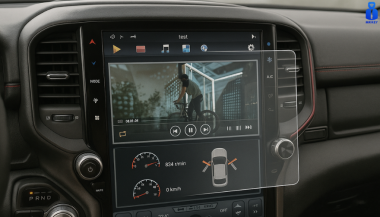
Cars and vehicles nowadays often include large touchscreen navigation systems that are prone to scratches, fingerprints and cracks. These displays are expensive to replace – one owner reported a factory infotainment screen costing over $3,000 to swap out – so protecting them is crucial. That’s where navigation screen protectors come in. The two main options are hydrogel film protectors and tempered glass protectors . Below, we compare hydrogel vs tempered glass for car navigation screens, looking at fit, durability, clarity and more, so you can choose the best protection for your car. Hydrogel vs Tempered Glass: The Essentials Tempered glass protectors A rigid, hard 9H glass shield. Excellent scratch resistance, very clear, and feels like the original screen. Best for completely flat displays. Hydrogel protectors A flexible, self-healing polymer film originally used in aviation and military applications. Ultra-thin, edge-to-edge fit, excellent for curved or uniquely shaped screens. Key difference: Hydrogel bends. Tempered glass doesn’t. Fit & Coverage (Hydrogel Wins) Modern cars often have curved or tapered displays. Tempered glass cannot follow these shapes, leaving exposed edges, air gaps or weak adhesion points. Hydrogel protectors conform perfectly to flat, curved and 3D-shaped screens. They wrap the edges, eliminate halo gaps, and achieve full-surface coverage. If your car’s screen isn’t perfectly flat, hydrogel is the correct choice. Scratch & Impact Protection Tempered glass: Extremely resistant to scratches Can crack on impact, sacrificing itself to protect the screen Once cracked, must be replaced Hydrogel: Softer surface, but self-heals micro-scratches over time Doesn’t shatter; absorbs everyday bumps Ideal for preventing long-term wear and swirl marks Glass is harder; hydrogel stays clearer longer thanks to self-healing. Clarity, Glare & Touch Sensitivity Both types maintain high clarity and touch accuracy, but behave differently in real use: Tempered glass: Ultra-clear Glossy surface shows fingerprints easily Good touch response Hydrogel: Crystal-clear or matte anti-glare options Reduces reflections in sunlight — very useful in cars Zero touch interference due to ultra-thin structure Minor micro-bubbles self-resolve within hours If you drive in bright sun or hate fingerprint shine, hydrogel’s matte option is a major advantage. Installation & Removal Tempered glass: Simple dry install One-shot alignment Rigid, so easy to place but unforgiving if misaligned Hydrogel: Dry or wet install Allows micro-adjustments Easy bubble removal No cracking during installation Removal is simple for both, though hydrogel is safer (no glass shards, no risk of breakage during removal). If you want to learn more about how to install your hydrogel navigation screen protector visit our guide. Which Should You Choose? For general car owners with modern infotainment systems, the winner is clear: ✔ Hydrogel protectors are better for most car navigation screens. Why: Perfect fit on curved screens Self-healing surface Anti-glare options Full edge-to-edge coverage Zero loss in touch sensitivity Tempered glass is fine for older or perfectly flat screens — but today’s automotive displays benefit more from hydrogel technology. FAQ Does a navigation screen really need protection? Yes. Screens scratch easily, attract fingerprints, and are expensive to replace. A protector preserves clarity and resale value. Is hydrogel or tempered glass better overall? Hydrogel — unless your screen is perfectly flat. It fits better, reduces glare, and self-heals surface scratches. Will a protector affect touch response? No. Both types maintain excellent touch accuracy. Hydrogel is especially responsive due to its thin, adaptive structure. How do I protect my screen from fingerprints and glare? Use a matte hydrogel film. For more techniques, see our guide on [ How to Protect Your Car’s Navigation Screen from Scratches, Glare & Fingerprints ] . Which cars benefit most from hydrogel protection? Any model with curved, large, glossy or high-resolution displays. See our model list: [ Which Cars Benefit Most From Hydrogel Navigation Protection? ] . For custom-cut hydrogel protectors for your exact car model, visit mr-key.com . Related Guides How to Protect Your Car’s Navigation Screen from Scratches, Glare & Fingerprints How to Install a Hydrogel Navigation Screen Protector Which Cars Benefit Most From Hydrogel Navigation Protection?

Why Every Caravan Owner Needs a Spare Key Before Traveling

Why Every Caravan Owner Needs a Spare Key Before Traveling

Before every caravan trip, owners plan routes, book campsites, check electrics and pack supplies. Yet one small detail is often forgotten until it’s too late — the spare caravan key. Losing access to your caravan while traveling can instantly turn a holiday into a stressful, expensive problem. Being locked out of your own caravan or motorhome is more common than most people think, and it usually happens far from home. A spare key is not an accessory. It’s insurance. The real risk of traveling with only one caravan key Caravan keys are easy to lose. They fall out of pockets while setting up awnings. They get misplaced during campsite check-ins. They’re locked inside caravans more often than most owners admit. Unlike car keys, caravan keys are rarely duplicated by default. Many owners travel with a single original key that may already be years old. If that key breaks, bends, or disappears, access to the caravan stops instantly. No entry. No access to personal belongings. No overnight stay. In some cases, insurance claims are delayed because forced entry damages locks or doors. Why a spare caravan key is no longer optional Modern caravan travel is more international than ever. Owners regularly cross borders, take ferries, and stay in remote locations where help is limited. A spare caravan key gives you: • Immediate access if the original is lost • Freedom to leave one key with a travel partner • Security if a lock mechanism fails • Peace of mind when moving between countries Many experienced caravan owners now carry two spare keys , not one — one kept in the tow vehicle, another stored securely. The cost of producing a spare key before traveling is minimal compared to emergency lockouts abroad. Why caravan key replacement is difficult on the road Caravan keys are not universal. Most campsites and local locksmiths do not stock caravan-specific blanks. Unlike house keys, caravan keys are often brand-specific and cut to manufacturer profiles. Finding a replacement locally can be slow or impossible. Common problems include: • Locksmiths refusing caravan keys • Incorrect blanks being used • Locks damaged by forced opening • Waiting days for parts This is why caravan key replacement should never be left until after a key is lost — especially while traveling. Different caravan keys require different solutions Not all caravan keys are the same. We at MR-KEY offer a large variety of caravan and motorhome keys, including many popular and hard-to-find models used across Europe. Some of the keys caravan owners commonly need include: • ZADI caravan and motorhome keys • Eurolocks caravan keys • Union and Yale caravan door keys • HUWIL and HUF caravan keys • DOM caravan and utility locks • Weco and Abus caravan keys Each manufacturer uses different key profiles, depths, and tolerances. A correct match matters. Having a properly cut spare key — not a generic copy — ensures smooth operation and avoids lock wear. Replacement key delivery vs local locksmiths When keys are lost during a trip, caravan owners usually face two options: Option 1: Local locksmith This rarely works well for caravan keys. Most locksmiths focus on domestic locks and vehicles. Caravan keys require the correct blank and accurate cutting. In many regions, locksmiths simply don’t stock caravan blanks at all. Option 2: Replacement key delivery A specialist service that offers replacement key delivery can often deliver the correct spare key directly to your campsite, hotel, or ferry terminal. This approach: • Avoids damaging the lock • Uses the correct key profile • Works even when abroad • Saves time and stress Pre-travel preparation makes replacement faster if something goes wrong. What to do immediately if you lose your caravan keys If your caravan or motorhome keys are lost during a trip, time matters. Your first step is to assess whether access is possible without forcing the lock. Forced entry often causes expensive damage and may invalidate insurance claims. If you’re unsure how to proceed, read this in-depth guide on what to do if you lose your caravan, motorhome, or camper keys . It explains safe options, next steps, and how to avoid costly mistakes. Knowing what not to do is just as important as knowing what to do. The hidden costs of not having a spare key Many caravan owners assume key loss is rare. Insurance providers see it differently. Emergency call-outs, replacement locks, accommodation changes, and trip delays quickly add up. In some cases, caravan doors or lockers are permanently damaged due to incorrect entry attempts. A spare key prevents most of these scenarios entirely. According to caravan safety organisations and consumer travel reports, lockouts are among the most common non-mechanical travel disruptions for leisure vehicles. For broader caravan travel safety guidance, reliable resources include: • The Camping and Caravanning Club (UK) • The NCC (National Caravan Council) These organisations consistently recommend preparing spare access solutions before travel. FAQ's How many spare caravan keys should I carry? At least one spare is essential. Two spares are recommended for longer or international trips. Can caravan keys be copied from photos? In some cases yes, but accuracy depends on the key type. For best results, providing the key number or lock code is safer. Are caravan door keys different from locker keys? Yes. Caravan exterior doors, storage lockers, toilet hatches and gas compartments often use different locks and keys. Is caravan key replacement expensive? No. Preparing a spare key in advance is inexpensive compared to emergency lock replacement abroad. Can replacement keys be delivered while traveling? Yes. With specialist services offering replacement key delivery, keys can be shipped to many locations across Europe. Don’t leave without a spare Every serious caravan trip deserves proper preparation. A spare caravan key is one of the smallest items you can pack — and one of the most valuable when something goes wrong. If you’re preparing for your next journey, make sure you’re covered. Visit mr-key.com and secure the right spare key before you travel. Related guides What to Do If You Lose Your Caravan, Motorhome or Camper Keys?

5 Common Car Key Problems and Easy Fixes to Get You Back on the Road

5 Common Car Key Problems and Easy Fixes to Get You Back on the Road

Losing or encountering issues with your car key can feel like a nightmare, especially when you’re in a hurry. From unresponsive key fobs to stuck keys, these problems are more common than you might think. The good news? Most of these issues have simple, affordable fixes that you can address quickly. This guide will help you identify common car key problems and provide solutions to get you back on track without breaking the bank. 1. Key Won’t Turn in the Ignition Why It Happens: When your car key refuses to turn, it’s often due to a worn-out key, a damaged ignition cylinder, or a locked steering wheel. How to Fix It: Check the Steering Wheel: If the wheel is locked, try gently turning the steering wheel left and right while turning the key in the ignition. Inspect the Key: A bent or worn-out key can cause alignment issues. Try a spare key if you have one. Lubricate the Ignition: Use a small amount of graphite lubricant (avoid oil-based products) to loosen the ignition cylinder. If All Else Fails: Consult a professional to replace the key or ignition lock. Tip: Avoid forcing the key, as this could damage the ignition further. 2. Car Key Fob Isn’t Responding Why It Happens: Modern key fobs are convenient, but they rely on batteries and electronic components that can fail. A dead battery is the most common culprit. How to Fix It: Replace the Battery: Open your key fob (usually with a small screwdriver) and swap out the old battery for a fresh one. Most fobs use coin-shaped batteries like CR2032. Reprogram the Key Fob: If changing the battery doesn’t work, your fob may need reprogramming. Follow your car manual’s instructions or consult a professional locksmith. Check for Damage: Inspect the buttons and internal components for signs of wear or moisture. Tip: Always keep a spare battery on hand to avoid unexpected key fob failures. 3. Key Stuck in the Ignition Why It Happens: This issue often stems from a locked transmission, dirt in the ignition, or a worn-out key that doesn’t align properly. How to Fix It: Ensure the Car Is in Park: For automatic cars, check that the gear shifter is fully in the “Park” position. Clean the Ignition: Use compressed air to remove dirt or debris from the keyhole. Jiggle the Key: Gently wiggle the key while applying light pressure to help free it. Inspect for Damage: If the key is bent, avoid forcing it. A professional can help safely extract it. Tip: If the problem persists, you may need to replace the ignition cylinder or key to prevent further damage. 4. Worn or Damaged Car Key Why It Happens: Over time, constant use can wear down the grooves on your key, making it difficult to start the car or open the doors. How to Fix It: Get a Duplicate Key: If your key is showing wear, have a duplicate made while it still works. Replace the Key: A locksmith can create a new key based on your car’s lock or key code. Upgrade to a Modern Key: If you’re using an older mechanical key, consider upgrading to a transponder key or key fob for added convenience and security. Tip: Don’t wait until your key stops working entirely. Replacing a worn key early can save you time and stress. 5. Key Fob Signal Interference Why It Happens: Sometimes, your car key fob may not respond due to signal interference from nearby electronics or a faulty antenna. How to Fix It: Move Away from Interference: Check for other devices nearby, such as Wi-Fi routers or radios, which may disrupt the signal. Inspect the Fob: Ensure the key fob’s battery is working and the buttons are functional. Reset the Key Fob: Follow your car manual’s instructions to reset or resynchronize the fob. Test the Car’s Receiver: If the problem persists, there may be an issue with your car’s signal receiver. Tip: Parking in a location free from electronic interference can help diagnose if this is the root cause. Preventing Car Key Problems: Simple Tips Taking care of your car key now can save you from bigger headaches later. Here are some quick maintenance tips: Keep Keys Clean: Avoid exposing keys to water, dirt, or chemicals. Store Spare Keys Safely: Always have a backup key in a secure and accessible place. Replace Batteries Regularly: Change key fob batteries annually to prevent unexpected failures. Inspect Your Keys: If you notice wear, cracks, or loose buttons, address the issue early. Why Addressing Car Key Problems Early Saves You Money Ignoring small car key problems can lead to more expensive repairs down the road. For example: A damaged ignition can cost far more to replace than addressing a stuck key early. Reprogramming a lost or broken key fob is more costly than simply replacing a battery. Getting a duplicate key before the original breaks ensures you’re not left stranded. By staying proactive, you can keep your car keys functioning smoothly without spending a fortune.

Chat with us