Post Name

Short answer: yes—for many keys, a locksmith can cut accurately from a photo or a code. The details depend on the key type, the quality of the image/data.


Key cutting from code vs from photo

By code (most precise).

A key code (often printed on locks, key tags, or documentation) translates into a series of cut depths called the bitting. On a code machine, a locksmith dials those depths and cuts a new key without the original present. This is the preferred method for many utility keys (e.g., caravan, retro auto, e-bike battery, furniture, mailboxes, ATVs, roof racks, towbars), but also for car keys. 

By photo (works in many cases).

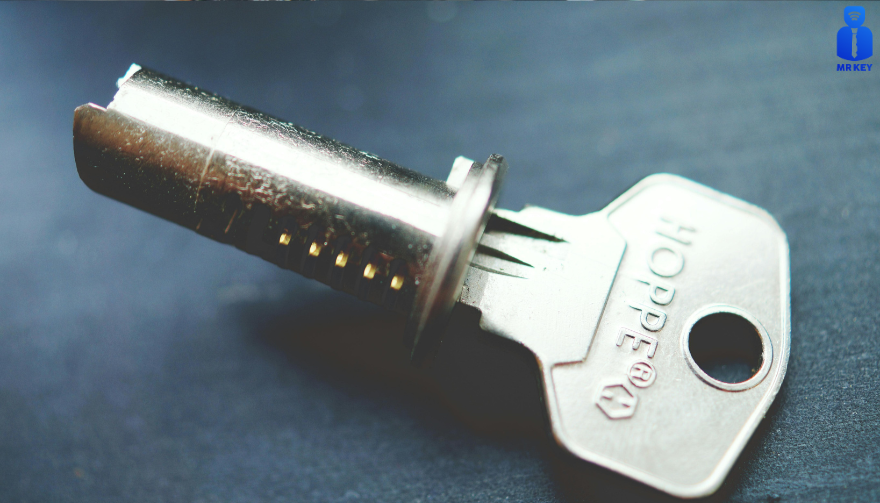
From a clear, square-on image, a trained technician can decode the cut depths and reproduce the bitting. Research has shown keys can be recreated from ordinary or telephoto shots if the profile and scale are known. This is why publishing close-ups of your keys is discouraged.


When a photo is “good enough”

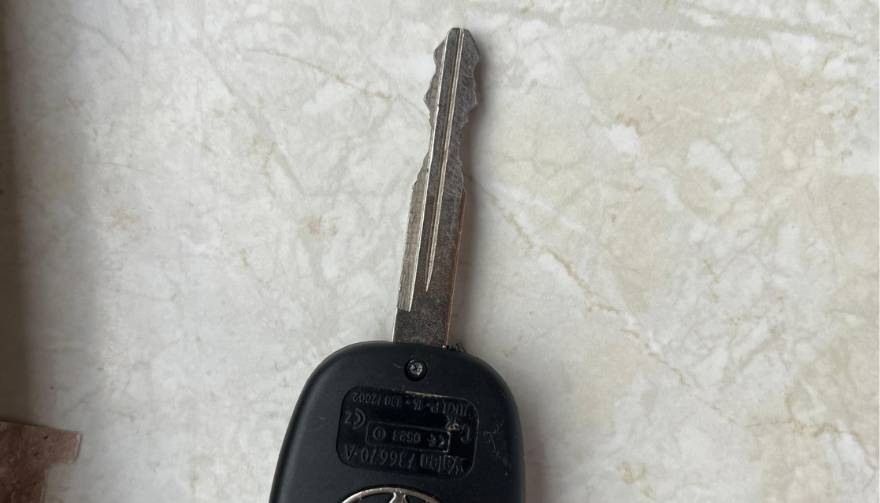
If you’re ordering car keys cut by photo or utility keys by photo, expect guidelines like:


Flat, well-lit, high-resolution image; key blade perfectly side-on.

Ruler/coin in frame for scale; entire blade visible, shoulder to tip.

For double-sided/laser keys, shots of both sides.

Keyway/profile identification (brand/series).


Automotive: cutting from photo or code—plus programming

Cutting the blade is only step one for modern cars. Since the late 1990s, most vehicles have immobilisers; the key’s transponder chip must be recognised or the engine won’t start. In practice:


Get the correct blank and cut it (photo or code).

Program the transponder/remote (OBD or on-board procedures), or pair a proximity fob.

Test mechanical operation and ignition start.


Main points UK readers should know:


Immobiliser/transponder tech became standard in the mid-1990s; without a programmed chip, a correctly cut key usually won’t start the car.

A key code specific to your vehicle lets a locksmith/dealer cut precisely without an original; some guides explain where owners can find it.


Utility keys we commonly see cut by code


If you have the key code, these are routinely cut accurately online:


Retro automobile keys (classic patterns; often stamped codes).

Caravan & motorhome keys (e.g., ZADI, FAP/FAWO—codes on barrels).

E-bike battery keys (e.g., ABUS/AXA series).

Furniture, mailboxes keys (office furniture, cam locks).

ATV/quad ignition and compartment keys.

Roof racks (e.g., Thule N*** series).

Towbars (e.g., Westfalia/Brink code series).


For these categories, supplying the printed code (from the lock face, key head, manual, or tag) usually yields the fastest, most reliable result compared to photos.


Accuracy expectations & limitations


What typically works well


Flat cylinder keys with standard depth systems (common utility keys).

Many car blades (including laser/sidewinder) if the image is clean and scaled.

Keys where the lock/brand series is known and the bitting can be derived.


What may be restricted or not feasible from a photo


Patented/restricted keyways (require authorised proof and controlled blanks).

Highly worn, bent, or obscured keys in photos.

Complex security keys that need factory or authorised dealer processes.

Car keys where programming tokens, PINs, or security codes are required.


For security and consumer protection in the UK, look for MLA-approved locksmiths and insist on identity/ownership checks for sensitive work.


Real-world risk: why photos can be enough


Academic work and well-reported incidents show that key geometry can be decoded from images at surprising distances. Media have covered expensive lock replacements after keys appeared on camera, underlining the practical risk of sharing key images online. Keep your keys out of frame.


What an online order typically requires


For car keys (photo or code):


Vehicle make/model/year, blade type, and VIN if needed for code retrieval.

Clear photos (both sides). 

Programming method: mobile visit, on-site, or mail-in ECU/fob (varies by model).

Expect additional steps for remote locking and proximity systems.


For utility keys (cut by code):


The code from the lock face or original key (e.g., N123, Z**).

Brand or system (Thule, Zadi, Westfalia, etc.).

Quantity and turnaround needs (next-day options often available).


Speed and success rates


By code: fastest and most consistent for; minimal adjustment needed. 

By photo: slightly more validation and back-and-forth; still accurate when images meet spec.



Why choose an online key cutting service like MR-KEY


Unlike traditional emergency locksmiths who mainly handle urgent lockouts, MR-KEY specialises in precision key cutting from photos or codes — ideal when you’re not locked out but need an exact replacement or spare.


Through our online platform, you can:


Order from anywhere in the UK — simply upload a clear photo or enter your key code.

Get fast, expert cutting using professional decoding software and calibrated machines.

Receive your key by post, ready to use or, for vehicles, to be programmed locally.


With MR-KEY, you save the cost and time of a mobile visit while still getting locksmith-level precision. Each key is verified before dispatch to ensure perfect fitting and reliable operation.


FAQs


Can a locksmith cut a car key from a photo?

Often yes, the blade can be cut from a high-quality photo, but modern cars also need transponder/immobiliser programming before the engine will start.


Is cutting by code more accurate than using a photo?

For most utility keys, yes. A verified key code maps to exact cut depths, making the process highly repeatable and quick.


Can someone copy my key from a social media photo?

It’s technically possible; public cases and research have shown keys can be decoded from images. Avoid posting close-ups of keys online.


What’s the difference between “key cutting,” “key replacement,” and an “emergency locksmith”?


Key cutting: the physical milling of a blade (by code/copy/photo).

Key replacement: end-to-end service supplying a working key/fob (cutting + programming if needed).

Emergency locksmith: rapid response for lockouts or urgent access/security issues.


Order your new key today at mr-key.com — fast, accurate, and cut by professionals from your photo or code.


Related Posts

DIY Guide: How to Program or Sync Your Car Key Fob at Home

DIY Guide: How to Program or Sync Your Car Key Fob at Home

Programming a car key fob doesn’t always require a trip to the dealership or an expensive diagnostic tool. In many cases, you can program or resync your key fob at home—saving both time and money. Whether you’ve just replaced the battery, changed the shell, or purchased a new key fob entirely, this guide will walk you through the basics of syncing it with your vehicle. Why Program Your Key Fob? Key fobs are integral to modern car access and ignition systems. When you replace or reset your key, the vehicle and fob must reestablish communication. Without syncing, features like remote locking, trunk release, or even engine start may stop functioning. This synchronization process ensures your key fob and vehicle are electronically paired and communicate securely. Without it, even a new battery or case won’t make your remote functional again. Can You Program It Yourself? The answer depends largely on the make and model of your vehicle. Older vehicles with basic remote key fobs often support manual onboard programming that doesn’t require specialized equipment. These procedures typically involve inserting the key into the ignition, turning it in a specific sequence, and pressing buttons on the fob within a certain time frame. It’s a simple process, and many car owners are surprised at how effective these methods can be. In contrast, modern vehicles with smart keys or keyless entry systems usually require advanced programming tools. These keys often contain transponders that must be linked to the car’s electronic control unit, a task typically performed by dealerships or professional auto locksmiths. Still, if you own a basic Opel, Peugeot, or Citroën model, there’s a good chance you can complete the task yourself at home. How Onboard Programming Works If your vehicle supports onboard programming, the steps are often straightforward. While the exact process may vary depending on the model, the general method includes entering the vehicle, turning the ignition on and off several times, and pressing a button on the remote to complete pairing. You may receive confirmation through a dashboard light flash or an audible chime, indicating that the key fob is now synced. Take note, though: some vehicles require all remotes to be programmed in the same session, so if you have multiple key fobs, have them all with you before starting. If the procedure doesn’t work, don’t be discouraged—it may simply mean your car requires a more advanced programming approach. When Should You Call a Professional? Not all keys can be programmed at home. Smart keys, proximity sensors, and certain immobilizer systems are designed with enhanced security that requires proprietary equipment to program. If your vehicle doesn’t respond to onboard programming or your key fob is completely unresponsive, it’s best to seek assistance from a certified locksmith or dealership. Trying to force the programming process can sometimes cause more harm than good. If you’re unsure, always verify the requirements in your car’s manual or consult a trusted technician. Essential Tips for Success To avoid frustration, start with the basics: always use a fresh battery from a trusted brand such as Panasonic CR2032 . Clean the internal contacts and handle the circuit board carefully to prevent static damage. Don’t rush—take the time to follow steps precisely and test functionality before fully reassembling the key. When replacing the key shell, make sure it's compatible with your exact model and that the key blade, transponder chip, and electronics are properly seated. With a bit of patience and the right information, programming your car key fob at home can be a practical and satisfying DIY fix. For basic vehicles, it’s a task you can handle in minutes—saving the cost and hassle of dealership appointments. Understanding your vehicle’s requirements and using reliable parts makes all the difference. Whether you're refreshing an old key with a new case or pairing a new remote to your car, the ability to program it yourself puts control back in your hands. For a full selection of batteries, shells, and compatible accessories, visit mr-key.com .

How to Choose the Right Car Key Shell for Your Vehicle + Why We Recommend Panasonic CR2032 Batteries

How to Choose the Right Car Key Shell for Your Vehicle + Why We Recommend Panasonic CR2032 Batteries

Your car key is one of those things you don’t really think about — until it breaks. Whether it’s the worn-out buttons, a cracked shell, or a battery that gives up at the worst possible moment, an aging car key can cause more than just annoyance. But here's the good news: you can restore your key to like-new condition easily, affordably, and from the comfort of your home. In this complete guide, we’ll show you how to choose the right replacement key shell for your car and why the Panasonic CR2032 battery is a trusted choice to keep your key fob performing reliably. Part 1: How to Choose the Right Car Key Shell Think of your key shell as a protective layer. It shields the sensitive electronics inside — the buttons, circuit board, and transponder chip — all of which are essential to operating your vehicle. When the case begins to wear down or fall apart, it’s time to replace it. 1. Know Your Car's Make, Model, and Year Key shells are made to fit specific car models and years. For instance: Flip key shells for Opel are commonly used on models from 2010 to 2024. Audi smart key shells are dependent on the platform code (like A3 8Y or A4 B9). Consult your owner's manual or use a compatibility tool like this one to confirm fitment. 2. Match the Key Blade Blades come in various formats like HU162, VA2, or HU100. Even a slight variation in shape or groove pattern can render the key useless in your ignition or door locks. Carefully compare the blade on your current key to the one listed for any replacement shell. 3. Button Layout and Functionality Make sure the number and positioning of buttons on the replacement shell matches your original. If not, the rubber pads may not line up with the contact points on your key’s circuit board, making the buttons unresponsive. 4. Interior Design and Compatibility The outside might look the same, but inside layouts often differ. Ensure that your circuit board, battery slot, and chip all fit securely inside the new shell. Misalignment can cause rattling, failure to start the car, or buttons that don’t function correctly. 5. Material Quality Avoid very cheap replacements with thin plastic and soft rubber. A good quality shell should be durable, with solid construction and tactile buttons that don't wear out quickly. For example, this Opel flip key shell combines strength with excellent fit. Part 2: Why We Recommend Panasonic CR2032 Batteries When your key fob starts failing — maybe the range drops or it takes multiple presses to unlock — chances are the battery is low. Many car owners replace the shell without considering the battery, only to find the problem persists. Understanding the CR2032 The CR2032 is a 3-volt lithium coin battery, commonly used in remote keys and small electronic devices. It’s compact, stable, and specifically suited for low-power, long-term applications. What Makes Panasonic CR2032 Stand Out? Panasonic’s version of the CR2032 is known for its consistency and reliability. It offers: A stable voltage output, ensuring your key communicates with your car effectively Longer life compared to many generic brands Resistance to leaks, which protects internal circuits from corrosion Choosing a battery from a trusted manufacturer can save you from unexpected failures, especially in colder climates where battery performance matters most. We recommend the Panasonic CR2032 battery for its excellent balance of performance and reliability. Refreshing Your Car Key: A Practical Approach If your car key is showing signs of age, it's usually best to replace both the shell and the battery. The process is simple: Open the old shell carefully, using a flat tool if needed. Remove the circuit board, chip, and battery. Clean the components gently with a dry brush. Place them into the new shell, ensuring alignment. Insert a fresh CR2032 battery. Close and secure the new shell. After completing these steps, your key should be more responsive, look better, and feel sturdier in your hand.

The Evolution of BMW: A Journey Through Innovation and Design

The Evolution of BMW: A Journey Through Innovation and Design

BMW, a name synonymous with luxury, precision, and performance, has a fascinating history marked by relentless innovation. Its journey, from humble beginnings to becoming a global icon of the automotive industry, reflects an enduring commitment to engineering excellence and design evolution. Let’s take a closer look at how BMW’s story has unfolded over the decades, captivating car enthusiasts around the world. The Early Days: Born in Aviation BMW’s story began in the early 20th century, not with cars but with aircraft engines. The company’s roots in aviation are symbolized in its logo, representing a propeller against a blue sky. During World War I, BMW earned recognition for its groundbreaking aircraft engine designs, which were known for their power and reliability. However, with the end of the war came restrictions on aircraft production, prompting BMW to pivot its focus. By the 1920s, BMW shifted gears, literally and figuratively, entering the motorcycle and automotive markets. This transition laid the foundation for the brand’s future. Breaking Into the Automotive World In 1928, BMW launched its first car, the Dixi 3/15, a licensed version of the British Austin 7. Though modest, this compact car symbolized the brand’s entry into the competitive automotive industry. By the 1930s, BMW began developing its own models, showcasing innovation with designs like the 328 Roadster. Known for its sleek aesthetics and impressive performance, the 328 became a motorsport legend, solidifying BMW’s reputation for engineering excellence. Post-War Challenges and Resilience World War II brought both opportunities and challenges for BMW. The company produced military vehicles and engines, which left its facilities heavily damaged by the end of the war. Faced with a ban on manufacturing vehicles, BMW pivoted once again, producing household appliances and bicycles to survive. It wasn’t until the 1950s that BMW returned to car manufacturing, introducing models like the BMW 501. This period was marked by financial struggles, but BMW’s resilience paid off with the release of the Isetta microcar. Affectionately called the “bubble car,” the Isetta was a quirky, affordable solution for post-war consumers, helping the brand regain stability. The 1960s: A New Era of Innovation The 1960s marked a turning point for BMW, as the company introduced the New Class (Neue Klasse) series. These sporty sedans, including the iconic BMW 2002, combined performance with practicality, appealing to a growing market of car enthusiasts. This era also saw the birth of BMW’s reputation for building “ultimate driving machines,” emphasizing driving pleasure as a core philosophy. With its newfound success, BMW expanded globally, entering new markets and establishing a loyal fan base. The New Class not only saved the company from financial troubles but also set the stage for its future success. The Rise of Luxury and Performance By the 1970s and 1980s, BMW had firmly established itself as a luxury brand, offering high-performance vehicles that appealed to both casual drivers and motorsport enthusiasts. The introduction of the BMW 3 Series in 1975 marked the beginning of an enduring legacy. Known for its dynamic handling and elegant design, the 3 Series became a benchmark for compact executive cars. During this time, BMW also made significant strides in motorsport, launching its iconic M division. The BMW M1 supercar and the high-performance M3 further cemented the brand’s position as a leader in both luxury and performance. Embracing Technology and Sustainability The late 20th and early 21st centuries brought rapid technological advancements, and BMW was quick to adapt. The brand embraced cutting-edge features like navigation systems, adaptive cruise control, and hybrid powertrains, blending innovation with sustainability. The introduction of the BMW i Series marked a bold step toward electric mobility. Models like the i3 and i8 showcased the brand’s commitment to reducing emissions while maintaining its signature performance and luxury. A Glimpse Into the Future Today, BMW continues to evolve, pushing the boundaries of automotive technology. From autonomous driving to AI-powered interfaces, the brand is redefining what it means to drive in the 21st century. The development of fully electric models, like the BMW iX , reflects the brand’s vision for a sustainable future. Why BMW’s Evolution Matters Understanding BMW’s journey helps you appreciate the brand’s dedication to innovation and quality. Whether you’re a loyal BMW owner or an aspiring enthusiast, knowing the history of this iconic brand highlights why it remains a top choice for drivers worldwide. Pro Tips for BMW Owners Maintain Regular Service: Keep your BMW in top condition with regular maintenance. Use Genuine Parts: Opt for authentic components to ensure reliability and performance. Stay Informed: Familiarize yourself with your BMW’s features and innovations to maximize its potential. A Legacy of Excellence From crafting propellers to creating luxury vehicles, BMW’s evolution is a testament to its commitment to innovation and performance. The brand’s ability to adapt and excel through challenges has earned it a permanent place in automotive history. As BMW continues to innovate, one thing remains constant: its promise to deliver an unparalleled driving experience.

Pioneering Innovations in Cars: A Journey Through 150 Years

Pioneering Innovations in Cars: A Journey Through 150 Years

The automotive industry has undergone extraordinary changes in the last 150 years. From the earliest steam-powered engines to today’s smart, electric vehicles, cars have become symbols of innovation, convenience, and human progress. This article explores the most groundbreaking innovations that have defined car history, driving us into the future. 1. The Birth of the Car (Late 19th Century) The late 1800s marked the beginning of the automobile industry with the invention of the first cars. Key Milestone: Karl Benz’s creation of the Benz Patent-Motorwagen in 1885-86 was a game-changer. Impact: For the first time, individuals could travel independently without relying on horses or trains. This innovation laid the foundation for a new era of personal transportation. 2. The Rise of Mass Production (Early 20th Century) The early 1900s brought cars to the masses through assembly line production. Key Milestone: Henry Ford’s introduction of the moving assembly line in 1913 revolutionized car manufacturing. Impact: Cars became affordable and accessible to ordinary people, leading to the widespread adoption of automobiles. The Model T became a symbol of this industrial transformation. 3. The Era of Safety Innovations (1950s–1970s) As cars became common, safety innovations took center stage. Key Milestones: Seatbelts: Volvo introduced the modern three-point seatbelt in 1959. Airbags: Developed in the 1970s to provide additional protection during crashes. Impact: These innovations drastically reduced injuries and fatalities, making cars safer for all passengers. Safety continues to be a driving force behind car innovations today. 4. Fuel Efficiency and Environmental Consciousness (1980s–2000s) The late 20th century witnessed a shift towards eco-friendly car innovations. Key Milestones: Introduction of hybrid cars like the Toyota Prius (1997). Stricter emission regulations led to cleaner, more efficient engines. Impact: Consumers and manufacturers started prioritizing fuel efficiency and reducing environmental impact. This period laid the groundwork for the electric car revolution. 5. The Digital Revolution in Cars (2000s–2020s) Modern cars are no longer just machines; they’re smart devices on wheels. Key Innovations: GPS Navigation: Real-time navigation made travel simpler and safer. Infotainment Systems: Touchscreens and voice controls for entertainment and information. Driver Assistance: Features like parking sensors, adaptive cruise control, and collision alerts. Impact: Technology has transformed driving into a more connected, comfortable, and efficient experience. 6. Electric and Autonomous Cars (The Future is Here) The future of cars lies in sustainability and autonomy. Key Innovations: Electric Vehicles (EVs): Companies like Tesla popularized EVs, offering zero-emission driving. Autonomous Driving: Self-driving technology is advancing rapidly, promising safer and more efficient transportation. Impact: Electric and autonomous cars represent a monumental leap towards reducing environmental impact and redefining mobility. The next 50 years will likely see even bolder transformations. From steam engines to self-driving electric vehicles, the car has come a long way. Each era brought innovations that shaped not just how we travel but also how we live. As technology continues to evolve, the possibilities for cars seem endless. Whether it’s improving safety, reducing emissions, or offering autonomous capabilities, cars will remain at the heart of human progress.

Chat with us