Post Name

Modern car keys are more than just simple tools to unlock doors—they're powerful components of your vehicle’s security system. Hidden inside many keys is a small yet crucial piece of technology known as a transponder chip.
But how can you tell if your car key has one?

Whether you’ve lost your key, are looking to replace it, or simply want to understand your vehicle better, knowing if your key contains a transponder chip is essential. This guide will explain what a transponder is, why it matters, and how you can easily check if your key is equipped with one.

What Is a Transponder Chip?

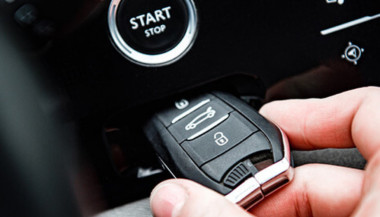
A transponder chip, short for "transmitter + responder," is a small electronic microchip embedded inside the plastic head of the car key or within a smart key fob.
When you insert the key into the ignition—or have it nearby in a push-button start system—the chip emits a unique signal. The vehicle’s onboard computer must recognize this signal before it will allow the engine to start.

Without the correct signal, even if the key physically fits into the ignition, the car won’t move. Transponders have been a game-changer in reducing car theft, and today, nearly all vehicles produced after the late 1990s are equipped with them.

Learn more about how modern keys work and find replacement options in our car keys collection.

Why It’s Critical to Know If Your Key Has a Chip

If your key has a hidden transponder chip, replacing it is more complicated than simply cutting a new metal key. You will need a key that not only matches the cut but also includes the correct programming to communicate with your car’s immobilizer system.
Failing to recognize this can lead to frustration, extra dealership fees, or even being stranded.

Moreover, understanding your key's technology helps you make smarter choices when buying a spare, upgrading your security setup, or troubleshooting ignition issues.

How to Check If Your Car Key Has a Transponder Chip

Fortunately, you don’t need expensive equipment to find out. Start by considering the age of your vehicle: if your car was manufactured after 1995 (in Europe) or 1998 (in the USA), chances are very high it uses a transponder system.

Next, examine the physical key. Keys with large, bulky plastic heads usually house a chip inside. In contrast, purely metallic keys without plastic parts tend to belong to older, non-transponder vehicles.

You can also perform a simple foil test. Wrap the head of your key in aluminum foil and try to start the car. Since foil blocks radio frequencies, if the car refuses to start, it’s likely that a transponder chip is present.

If you want absolute certainty, consult your vehicle’s manual or speak with a professional locksmith. Many locksmiths use specialized tools to detect whether a chip exists. For additional technical explanation, you can refer to this guide on how immobilizer systems work.

What Happens If the Transponder Signal Is Missing?

If you try to start your car without the proper transponder signal, the immobilizer system kicks in.
Most vehicles will either not crank at all or crank without allowing the engine to fire. Some models will display a warning light on the dashboard, often shaped like a padlock or a car with a key icon.

Without a valid transponder signal, you won't be going anywhere—no matter how new or well-cut the key is.

Can You Program a Transponder Key Yourself?

Depending on the make and model of your car, some basic keys can be programmed at home—especially if you already have one working key available.
However, many newer vehicles require professional diagnostic tools connected directly to the car’s computer to program keys securely. Attempting DIY programming on these systems without the right knowledge can lock your car’s immobilizer and lead to expensive repairs.

Always consult your car’s manual or seek professional help before attempting any programming yourself.

Knowledge = Protection

Understanding whether your car key contains a hidden transponder chip isn’t just a fun fact—it's essential for protecting your vehicle and saving yourself time, money, and hassle.
Whether you're planning to replace a worn-out key, add a backup, or upgrade your security, knowing what’s inside your key helps you make better, safer decisions.

If you ever need a spare key, a battery replacement, or advice on key maintenance, you can explore more in our online store at Mr Key.

Remember: a smart driver is a secure driver. Stay informed, stay prepared, and you'll always stay one step ahead.

Related Posts

How to Identify the Right Replacement Key Shell for Your Car

How to Identify the Right Replacement Key Shell for Your Car

If your car key shell is cracked, worn, or the buttons no longer press properly, replacing it with a new shell is often the most affordable and effective solution. But one major challenge stands in the way: figuring out exactly which replacement shell you need. With so many variations in blade types, button layouts, and internal compatibility, it’s easy to buy the wrong part—and waste both time and money. This guide breaks down how to identify the correct key shell for your car, so you can upgrade or replace your damaged remote housing without confusion. Step 1: Identify Your Key Blade Type One of the most important features is the key blade. Even within the same car brand, different models and years may use different blade types. Two of the most common are: HU83 blade – Used by many Peugeot and Citroën models. It has a curved groove on both sides. VA2 blade – Similar in appearance but has a flat groove instead of a curve. Other types include TOY43, TOY47, and SIP22, often used in Toyota, Fiat, and other manufacturers. If you're unsure, comparing your blade side-by-side with online reference images helps avoid errors. Tip: Never rely only on the number of buttons—focus on the blade profile first. Step 2: Count and Match the Button Layout Next, verify how many buttons your original key has, and in what layout. Common options include: 2 buttons: Lock / Unlock 3 buttons: Lock / Unlock / Trunk Smart keys: May have a more complex layout or hidden emergency blade Even a small difference in layout can prevent the rubber buttons from pressing the internal switches correctly. Also check whether the button pad is integrated into the case or if it’s a separate piece. That may affect your fit. Step 3: Check the Internal Electronics Placement When swapping a shell, you’ll be transferring the circuit board and (in most cases) a transponder chip. The replacement case must have: The same mounting points and slots Space for the battery (check if yours is CR1620, CR2032, etc.) A similar design to support the flip mechanism, if your original key has one If the internal layout doesn’t match, your circuit board may not sit securely—or your buttons may not work. Bonus tip: Open your old key carefully and take photos of the internal structure before ordering a shell. Step 4: Consider the Key Type – Flip or Fixed There are two main styles: Flip keys: Blade folds into the case and pops out with a button press Fixed blade keys: Blade is static and exposed You must match your replacement with the original style, unless you're intentionally upgrading. Flip key conversions are popular, but they require extra parts and a bit more installation effort. Step 5: Check the Model Compatibility List Many key shells are marketed as being compatible with a range of car models. Look for a list that includes: Your vehicle’s make and model The production years (e.g., “Peugeot 207 2010–2014”) Even then, cross-reference with your physical key—models change subtly across production years. Step 6: Know What You're Not Getting A replacement key shell typically does not include: The circuit board (you must transfer it from your old key) The transponder chip A pre-cut blade (unless stated) You’ll likely need to cut the new blade or reuse the old one if it's detachable. Choosing the right replacement key shell doesn't have to be trial and error. By focusing on blade type, button layout, and internal structure, you can confidently find a case that fits your needs—and your key electronics. It’s a simple fix that extends the life of your existing key without the cost of a full replacement. Just take your time, check the details, and match your original key carefully. A few minutes of inspection now can save hours of hassle later.

The Benefits of Smart Car Keys: A Leap Into the Future of Automotive Convenience

The Benefits of Smart Car Keys: A Leap Into the Future of Automotive Convenience

Smarter, Simpler, Safer Imagine walking toward your car, and instead of fumbling through your bag or pockets for keys, your vehicle recognizes your presence and unlocks itself. This convenience is not a futuristic concept—it’s the reality of smart car keys, an innovation that has redefined automotive technology. As vehicles become more advanced, smart keys are becoming indispensable for drivers seeking security, convenience, and style. But what exactly makes smart keys so revolutionary? Let’s explore their features and benefits. What Are Smart Car Keys? Smart car keys, also known as proximity keys or keyless entry systems, use advanced technology to simplify the interaction between you and your vehicle. Unlike traditional keys or even remote fobs, smart keys rely on radio frequency identification (RFID) or Bluetooth to communicate with your car. Once within a specific range, the car recognizes the key, unlocking the doors and enabling push-button ignition. These keys offer far more than just access and starting capabilities. They are designed to enhance security and integrate features like personalized settings, making them a step ahead of conventional systems. From luxury sedans to electric vehicles, smart keys are rapidly becoming a standard feature in modern cars. The Key Benefits of Smart Car Keys One of the most noticeable advantages of smart keys is their unmatched convenience. Imagine walking to your car with hands full of groceries or during a rainstorm. With a smart key in your pocket or bag, the car automatically unlocks as you approach, eliminating the need to dig around for your keys. Similarly, starting the engine is as simple as pressing a button, streamlining the driving experience. Smart keys also prioritize security. Unlike traditional keys that can be duplicated, smart keys use encrypted communication to connect with the vehicle. This encryption ensures that unauthorized users cannot access or start the car. Some smart systems even include anti-theft mechanisms that disable the engine if the key is not detected nearby, adding an extra layer of protection. Moreover, many smart keys are equipped with customizable features. Depending on the car, they can store and recall settings such as seat positions, climate control preferences, and mirror adjustments. Some even allow for remote control of the car via a smartphone app, enabling users to lock, unlock, or preheat their vehicle with a simple tap on their phone. Smart Keys Around the World: Trends and Adoption The use of smart keys is growing globally, with different regions adopting the technology at varying rates. In developed markets like North America, Europe, and Japan, smart keys have become standard in mid-range and luxury vehicles. These regions, driven by technological advancements and consumer demand, are setting the pace for smart key adoption. In emerging markets, traditional keys are still more prevalent due to their affordability. However, the demand for smart keys is on the rise, especially among buyers of premium cars. As automotive manufacturers expand their offerings, smart keys are becoming accessible to a broader audience. The future of smart keys is even more exciting. Many automakers are exploring app-based systems and biometric authentication, such as fingerprint or facial recognition. These innovations aim to further integrate vehicles into the digital ecosystems of their owners, offering seamless connectivity and enhanced personalization. Challenges of Using Smart Keys While smart keys bring significant advantages, they are not without their challenges. One of the primary concerns is the cost of replacement. Losing a smart key can be expensive, with replacements often requiring programming by a dealership or specialized locksmith. This cost is significantly higher than that of traditional keys. Another issue is the potential vulnerability to hacking. Relay attacks, where thieves amplify the signal from a smart key to unlock a vehicle, are a known risk. While manufacturers are continually improving encryption methods, owners should take precautions, such as using signal-blocking pouches, to protect their keys. Battery life is another consideration. Smart keys depend on batteries, and if the battery dies unexpectedly, you may find yourself locked out of your car. Most manufacturers include a physical backup key or emergency override options, but staying mindful of your key’s battery status is essential. Why Smart Keys Are the Future Smart keys represent more than just a technological advancement—they symbolize a shift in how we interact with vehicles. Their ability to enhance convenience, security, and personalization makes them a must-have feature for modern drivers. As cars become increasingly integrated with digital ecosystems, smart keys are expected to evolve, incorporating features like biometric security and deeper smartphone integration. For drivers, this evolution means a more intuitive and tailored experience. From automatically adjusting settings based on the detected key to integrating with smart home systems, smart keys are paving the way for a connected and seamless future. Embrace the Smart Key Revolution Smart car keys are more than a luxury; they are becoming an essential tool in modern driving. Their convenience, advanced security, and customizable features make them a game-changer in automotive technology. However, as with any innovation, understanding their potential challenges and how to address them is crucial. Whether you’re unlocking your car as you approach or starting the engine with a simple button press, smart keys represent a leap forward in convenience and functionality. As automotive technology continues to advance, smart keys are leading the charge, offering a glimpse into a future where cars seamlessly adapt to our needs.

Understanding Key Fob Security: Protecting Your Vehicle

Understanding Key Fob Security: Protecting Your Vehicle

You use your key fob every day—locking and unlocking your car, maybe even starting the engine from a distance—without giving it a second thought. But as technology in vehicles advances, so do the methods used to compromise it. Keyless entry has made life more convenient, but it’s also introduced a new set of risks. If you’ve ever wondered how secure your key fob really is, or how you can protect yourself against modern car theft, this guide is for you. How Your Key Fob Works Key fobs operate by sending a low-frequency radio signal to your car. When the car recognizes the encrypted signal, it unlocks or starts the engine. It’s fast, wireless, and requires no physical interaction with the car—just proximity. Most modern fobs also use a rolling code system that changes the signal each time, making it harder for thieves to duplicate. This technology helps protect against basic forms of signal cloning, but “harder” doesn’t mean “impossible.” Criminals have found ways to bypass even these security measures. What Is a Relay Attack? One of the most common forms of key fob theft today is the relay attack. It relies on extending the communication range of your key fob without your knowledge. Here’s how it works: thieves use two devices. One person stands near your home, capturing the signal from your key fob—even through walls or windows. The second person uses a relay device to transmit that signal to your car. The car thinks the key fob is close and unlocks the doors. In some cases, they can even start the engine and drive off without ever seeing the key. All of this can happen in seconds. There’s no broken glass, no forced entry, and often no alarms triggered. By the time you realize something’s wrong, your vehicle might already be gone. Signal Jamming and Other Threats Relay attacks aren’t the only thing to worry about. Another tactic thieves use is signal jamming. This involves blocking the signal between your key fob and your car when you attempt to lock it. You might press the button and hear nothing unusual—but your car never actually locks. You walk away, thinking everything’s secure, while the thief simply opens the door and gains access. Then there’s code grabbing, which involves intercepting your key fob’s signal and replaying it later to unlock the vehicle. While more complex and less common, it’s another reminder that your key fob isn’t just a convenience—it’s a target. How to Protect Your Key Fob Fortunately, there are several effective ways to protect your key fob. Start by storing it away from exterior walls and windows. The closer your fob is to the outside of your home, the easier it is for thieves to pick up its signal. For stronger protection, use a Faraday pouch or metal container. These signal-blocking enclosures prevent any radio frequency from escaping, effectively rendering your fob invisible to relay devices. They’re inexpensive, easy to use, and highly effective. If your vehicle allows it, consider disabling the keyless entry feature when not in use—especially overnight or when your car is parked for long periods. You’ll usually find this option in your car’s settings or user manual. Make a habit of confirming your vehicle locks before walking away. Look for flashing lights or listen for the beep. These small checks can alert you if a jamming attempt has occurred. Be cautious with third-party or aftermarket fobs. Not all of them use reliable encryption or high-quality components. A poorly designed fob could introduce new vulnerabilities rather than protecting against them. Stay One Step Ahead Keyless technology is here to stay, offering undeniable convenience to drivers. But with that convenience comes a new wave of digital risks. Thieves don’t need to break windows anymore—they just need the right equipment and an unsecured signal. You don’t need to be a tech expert to protect yourself. Just understanding how your key fob works—and taking a few simple precautions—can significantly reduce your risk. Treat your fob like the digital key it is. Keep it protected, and you’ll keep your car safer, too. Because in today’s world, car security isn’t just about the locks—it’s about the signal.

Smart or Mechanical Car Keys: What to Choose for Your Vehicle’s Security?

Smart or Mechanical Car Keys: What to Choose for Your Vehicle’s Security?

When it comes to vehicle security, the type of car key you use is crucial. Car keys have evolved dramatically over the years, and today, two main types are commonly available: smart keys and mechanical keys. Each type offers distinct advantages and drawbacks, depending on your preferences, security needs, and budget. In this article, we’ll explore the differences between these two types of keys, their pros and cons, and help you determine which one is best for your vehicle’s security. Understanding Smart Car Keys Smart car keys, often referred to as key fobs, have become the standard for most new vehicles. These advanced keys operate using radio frequency identification (RFID) technology, which allows the key to communicate wirelessly with your car. The interaction between the car and the key is based on encrypted signals, enhancing both convenience and security. Key Features of Smart Car Keys: Keyless Entry: One of the most convenient features of smart keys is keyless entry. With this technology, you don’t have to physically insert a key into the lock to open your car. Instead, the key fob transmits a signal to the car’s receiver, unlocking the doors automatically when you approach. This feature is especially useful when your hands are full or during inclement weather. Push-to-Start Ignition: Many modern vehicles with smart keys feature a push-to-start ignition system. With this technology, you can start your car simply by pressing a button, provided that the key fob is inside the vehicle. No need to insert a key into the ignition, making the process quicker and easier. Enhanced Security Features: Smart keys are designed to improve vehicle security. They utilize encrypted signals that are difficult to replicate or hack. Modern key fobs often come with rolling codes, meaning the signal changes each time the key is used, making it nearly impossible for thieves to copy the key’s signal. Additionally, many smart keys are equipped with proximity sensors that automatically lock the doors when the key is a certain distance away, reducing the risk of theft. Convenience and Customization: Some smart car keys allow for extra features, such as memory settings for seat adjustments, climate control, and even personalized preferences like music playlists. This adds a layer of comfort and convenience to your driving experience. Drawbacks of Smart Car Keys: While smart keys offer numerous benefits, they come with a few challenges: Battery Dependence: Smart keys rely on batteries, both within the key fob and sometimes within the car itself. If the battery in your key fob dies, you might find yourself locked out of your vehicle or unable to start it. Fortunately, many vehicles allow you to use a backup mechanical key that is hidden inside the fob itself. However, the reliance on batteries can still be a disadvantage. Cost: Replacing a lost or damaged smart key can be expensive, particularly if it involves reprogramming or replacing the vehicle’s security system. Smart keys are generally more costly than mechanical keys, so the price of a replacement key can put a strain on your budget. Vulnerability to Hacking: Although modern smart keys are designed to be secure, they are not completely immune to theft. Sophisticated thieves have developed methods of intercepting and cloning key fob signals. While this is still a relatively rare occurrence, it’s important to be aware of the potential risks and take extra precautions to protect your key fob. Vulnerability to Water and Extreme Conditions: Smart keys are sensitive to water damage, which makes them less suitable for activities like surfing, open-water swimming, or even heavy rain exposure. Unlike mechanical keys, which are more resistant to environmental factors, electronic key fobs can malfunction if exposed to water or extreme weather conditions. This can leave you stranded or necessitate an expensive replacement. Understanding Mechanical Car Keys Mechanical car keys, also known as traditional metal keys, have been in use for over a century. These keys work through a physical mechanism: when inserted into the ignition, they turn to engage the engine. While they are less common in modern vehicles, mechanical keys are still widely used, particularly in older cars or more budget-friendly models. Key Features of Mechanical Car Keys: Simplicity and Reliability: One of the main advantages of mechanical keys is their simplicity. Unlike smart keys, mechanical keys don’t rely on electronics or batteries, making them highly reliable, especially in situations where technology might fail. Whether it’s a long road trip or a cold winter morning, you can always count on your mechanical key to work. Affordability: Mechanical keys are far less expensive to produce and replace than electronic keys. If you lose your key, getting a replacement is typically much cheaper. For those on a budget, mechanical keys are a practical option for car security. No Risk of Signal Interception: Mechanical keys don’t use radio signals, which means they can’t be intercepted or hacked in the same way smart keys can. There’s no risk of someone remotely copying your key’s signal to gain access to your vehicle. Durability: Mechanical keys are often made from durable materials, which means they can last for many years if properly cared for. They don’t require regular battery replacements and are resistant to the kind of wear and tear that might affect electronic systems. Suitable for Adventures: Mechanical keys are an excellent choice for outdoor enthusiasts and adventurers. Since they are resistant to water damage, they’re ideal for activities where you might get wet, such as hiking in the rain, kayaking, or camping by a lake. Their durability ensures they’ll keep working even in rugged or wet conditions. Drawbacks of Mechanical Car Keys: While mechanical keys have their merits, they also come with limitations: Lack of Convenience: Unlike smart keys, mechanical keys require manual operation. You need to physically insert the key into the door and ignition, which may be less convenient, especially when you’re in a hurry or carrying items. Security Risks: While mechanical keys can’t be hacked, they are more easily duplicated. If someone gets a hold of your key, they can make a copy, which could put your vehicle at risk. Additionally, older mechanical key systems don’t have the advanced security features found in modern smart keys. No Keyless Entry or Push-Start Features: Mechanical keys lack keyless entry and push-to-start ignition, which can make your car less convenient to use. In addition, you won’t have access to any of the advanced features offered by smart keys, such as memory settings or remote start. When deciding between a smart or mechanical car key, the best choice depends on your individual needs, preferences, and security concerns. If you prioritize convenience and advanced security , a smart key might be the right choice for you. Features like keyless entry, push-to-start ignition, and superior encryption provide a higher level of comfort and safety. If you have a newer vehicle or enjoy the latest technology, a smart key will enhance your driving experience. If you value simplicity, reliability, and cost-effectiveness , a mechanical key may be the better option. It’s a great choice for older vehicles, drivers on a budget, or those who don’t need the added complexity of modern electronic systems. Mechanical keys are also ideal for people who want a straightforward, low-maintenance solution to car access. Regardless of which type of key you choose, it’s important to maintain backups and ensure that your keys are properly cared for. If you opt for a smart key, remember to replace the batteries regularly and store the key in a safe place to prevent loss or theft. If you use a mechanical key, consider having a spare made to avoid being locked out of your vehicle in case of misplacement. For ultimate peace of mind, having both types of keys can be a smart investment—offering the convenience of advanced features alongside the reliability of a traditional backup. Together, they ensure you’re prepared for any situation while adding an extra layer of security.

Chat with us