Post Name

Unlocking the World of Car Keys

Car keys have come a long way from simple metal tools to high-tech devices designed to enhance convenience and security. As vehicles evolve, so do the keys that unlock and operate them. Whether you’re a car enthusiast or a driver navigating modern technology, understanding the different types of car keys and their functions can help you appreciate their role in your vehicle’s performance and safety. This guide explores various car key types, their unique features, and the technologies behind them.

Traditional Car Keys: The Classics

Traditional car keys, often referred to as mechanical keys, are the simplest type of car keys. These are commonly found in older vehicles and rely on a basic metal blade that fits into the car’s ignition and door locks.

Key Features of Traditional Keys:

  • Require no electronic components.
  • Depend on physical alignment to operate the lock or ignition.
  • Can be duplicated easily using a standard key-cutting machine.

While these keys are straightforward to use and replace, they lack the advanced security features of modern alternatives, making them more vulnerable to theft.

Transponder Keys: Enhanced Security

Transponder keys are a significant upgrade from traditional keys, incorporating a small electronic chip inside the plastic head of the key. This chip communicates with the vehicle's computer system to authenticate the key before the car starts.

How Transponder Keys Work:

  • The chip transmits a unique signal to the car’s receiver when the key is turned in the ignition.
  • If the signal matches, the car starts; if not, the engine remains immobilized.

Benefits of Transponder Keys:

  • Reduced risk of car theft due to their encryption technology.
  • Widely used in most vehicles manufactured after the mid-1990s.

However, duplicating or replacing a transponder key requires specialized equipment, making it more expensive than traditional keys.

Smart Keys: The Modern Marvels

Smart keys represent a leap into advanced automotive technology. These keys are typically used in vehicles with keyless entry and push-button start systems. Instead of inserting a key into the ignition, drivers simply need to have the smart key inside the vehicle.

Key Features of Smart Keys:

  • Allow for keyless entry and ignition.
  • Use radio frequency identification (RFID) or Bluetooth technology to communicate with the car.
  • Often come with additional functions, such as opening the trunk or remotely starting the vehicle.

Advantages of Smart Keys:

  • Enhanced convenience and ease of use.
  • Advanced security features to deter theft.

Despite their benefits, smart keys are expensive to replace and rely heavily on battery power.

Remote Keys: A Blend of Mechanical and Digital

Remote keys, often combined with transponder technology, offer the ability to lock and unlock car doors at the push of a button. They are commonly included in modern car key fobs and sometimes have a physical blade as a backup.

Features of Remote Keys:

  • Control doors, windows, and sometimes the trunk remotely.
  • Combine traditional key functions with modern convenience.

These keys are versatile and user-friendly but may require reprogramming if the battery is replaced or the signal becomes disrupted.

Key Cards: Compact and Stylish

Key cards are a relatively new addition to the world of car keys, commonly used in high-end and electric vehicles. These slim, credit card-sized devices function like smart keys and communicate wirelessly with the vehicle.

Advantages of Key Cards:

  • Compact and easy to carry.
  • Offer the same functionality as smart keys, including keyless entry and ignition.

While key cards are sleek and innovative, they are prone to damage due to their thin design and may not be as durable as traditional keys.

Valet Keys: Limited Access

Valet keys are designed to offer restricted functionality, allowing a valet or another driver to operate the car without accessing certain areas, such as the glove compartment or trunk.

Purpose of Valet Keys:

  • Provide limited access to the vehicle for security purposes.
  • Prevent unauthorized access to personal belongings.

Valet keys are a practical solution for safeguarding your possessions while still enabling temporary access to your car.

Digital Keys: The Future of Key Technology

Digital keys are the latest innovation in car key technology, allowing drivers to use their smartphones or smartwatches to unlock and start their vehicles.

How Digital Keys Work:

  • Use NFC (Near Field Communication) or Bluetooth to interact with the vehicle.
  • Allow for remote access, such as locking or unlocking the car from a distance.

Benefits of Digital Keys:

  • Eliminate the need for a physical key.
  • Offer enhanced customization, such as granting temporary access to other users.

As convenient as they are, digital keys rely on smartphone technology and can be vulnerable to hacking if not properly secured.

Choosing the Right Key for Your Needs

Car keys have evolved into sophisticated devices that combine functionality, convenience, and security. Whether you’re using a traditional key or embracing the future with a digital key, understanding the type of key your vehicle uses can help you maintain it properly and replace it if necessary.

By staying informed about the different types of car keys and their unique functions, you can make smarter choices when it comes to safeguarding your vehicle and enjoying the driving experience to the fullest.
Related Posts

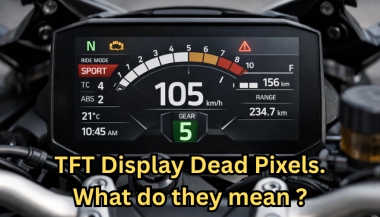
Dead Pixels on a Motorcycle TFT Display: What They Mean & When Replacement Is Inevitable

Dead Pixels on a Motorcycle TFT Display: What They Mean & When Replacement Is Inevitable

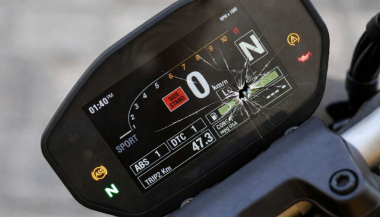
Dead pixels on a motorcycle TFT display are rarely “just cosmetic”. On modern bikes, the TFT dashboard is a sealed, laminated electronic unit exposed to sun, heat, vibration, rain, and pressure washing . When pixels fail, it often signals structural damage inside the display , not a surface defect. This article explains what TFT display dead pixels really mean, why they appear, how to diagnose them correctly, and the point where replacement becomes unavoidable . What riders mean by “dead pixels” — and why it matters The term motorcycle display dead pixels is used loosely. In practice, three very different faults exist. True dead pixels (permanently black) A true dead pixel is a pixel transistor that no longer functions. It stays black on all backgrounds and during startup screens. This is a hardware failure inside the LCD matrix . It does not self-heal. Stuck pixels (fixed bright color) A stuck pixel remains red, green, blue, or white. On phones or TVs, this can sometimes be intermittent. On motorcycle TFTs, stuck pixels are often caused by heat stress or internal pressure and frequently progress into permanent failure. Lines or blocks of dead pixels A vertical or horizontal line of missing pixels is not a pixel issue. It indicates row or column driver failure inside the panel — a structural defect of the display module. Once this appears, replacement is usually inevitable. Why TFT dead pixels appear on motorcycles Dead pixels on a dashboard are rarely random. They follow consistent mechanical and environmental causes. Heat and UV exposure Motorcycle TFTs sit in direct sunlight. Daily heat cycles expand and contract the laminated layers inside the display. Over time, this stresses internal bonds and pixel drivers. A single failed pixel can become a cluster. Micro-impact and pressure A light impact that doesn’t crack the glass can still damage the internal LCD stack. This is common on naked bikes and adventure models where the display is more exposed. Moisture ingress and condensation Condensation inside a TFT display is a critical warning sign. It means the factory seal has been compromised. Moisture accelerates corrosion on connectors and display drivers, often leading to dead pixels followed by total blackout. Electrical stress Voltage fluctuations or grounding issues can contribute, but if the pixel defect appears in the same physical location across reboots , the issue is almost always panel-level, not wiring. Brand examples: how this appears in real motorcycles Dead pixel reports follow similar patterns across brands. BMW TFT clusters: pixel lines or dark zones often appear after heat exposure or condensation events. Clusters are fully integrated and typically replaced as a unit. Yamaha TFT dashboards: isolated dead pixels may appear first, followed by spreading rows on models parked outdoors long-term. Kawasaki TFT displays: line failures are commonly reported after pressure washing or heavy rain use. Honda TFT dashboards: less frequent, but once pixel clusters appear, dealers usually recommend full replacement. Across all brands, panel repair is not part of standard dealer service . Fast diagnosis: how to tell if the damage is permanent You can determine the seriousness in minutes. Check startup screens If the pixel defect appears during the boot logo or splash screen, it is hardware, not software. Test multiple backgrounds Switch themes or display modes: Always black → dead pixel Always bright or colored → stuck pixel Straight line → driver failure Look for progression A defect that grows over weeks is not stable. Progression is a replacement signal. Inspect for condensation Any fogging or haze inside the screen means moisture ingress. Pixel failure combined with condensation almost always worsens. When TFT display replacement is inevitable Replacement is not about annoyance. It’s about predictable failure . Replacement becomes inevitable when any of the following occur: A row or column of dead pixels appears Dead pixels spread over time Dead pixels appear together with condensation The defect blocks speed, warnings, or riding data The bike relies on the TFT for ride modes or system alerts At this stage, the TFT is no longer a reliable instrument cluster. Why TFT displays are rarely repaired A motorcycle TFT is not a standalone screen. It is: Laminated glass + LCD + polarizer Sealed against weather Electronically paired to the motorcycle Separating and rebuilding this stack requires specialized industrial equipment. As a result, OEMs replace the entire unit . Used clusters introduce risks: coding issues, immobilizer pairing, mileage discrepancies, and unknown moisture history. Cost reality in Europe In Europe, OEM motorcycle TFT replacement typically ranges from: €600–€1,200 for mid-range models €1,500–€2,500+ for premium or integrated systems This includes coding and calibration, not just the display itself. That’s why a small dashboard pixel issue deserves early attention. Can dead pixels be prevented? You cannot prevent internal electronic aging. You can reduce the most common triggers: Surface scratches that weaken seals Micro-impacts UV exposure Moisture pooling around edges A properly fitted screen protector does not fix dead pixels, but it reduces the external damage pathways that often lead to full TFT failure. If you want to reduce the risk of turning a small pixel defect into a four-figure repair, you can protect the display surface early — explore motorcycle TFT screen protectors at mr-key.com FAQ: TFT display dead pixels Are dead pixels dangerous? They are not dangerous by themselves, but they often indicate deeper display degradation. Can software updates fix dead pixels? No. If the defect appears in the same physical location during startup, it is hardware. Will one dead pixel spread? Sometimes. Spread is common when heat or moisture is involved. Is condensation inside the TFT serious? Yes. Condensation indicates seal failure and greatly increases the risk of progressive damage. Is replacement always required? Not for a single stable pixel. Replacement becomes unavoidable with progression, lines, or moisture involvement.

Top 10 Fascinating Facts About BMW: Engineering Precision, Motorsport DNA, and Driving Pleasure

Top 10 Fascinating Facts About BMW: Engineering Precision, Motorsport DNA, and Driving Pleasure

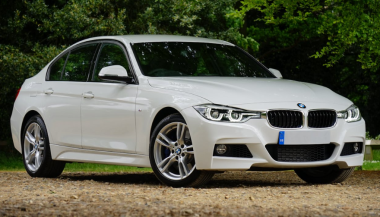
BMW stands for precision engineering and pure driving pleasure. Founded in 1916 in Bavaria, BMW began as an aircraft engine manufacturer before reshaping the automotive world. Its guiding philosophy, “Aus Freude am Fahren” (Sheer Driving Pleasure), has defined the brand for decades. Today, BMW builds everything from electric city cars to high-performance M models. What connects them all is balance, control, and a driver-first mindset. These BMW facts reveal how the brand earned its reputation. 1. Munich’s Four-Cylinder Headquarters BMW’s headquarters in Munich is instantly recognizable. The building, completed in 1972, resembles four vertical engine cylinders joined together. BMW’s headquarters in Munich is instantly recognizable. The building, completed in 1972, resembles four vertical engine cylinders joined together. 2. Logical Model Names Since 1972 BMW’s naming system is deliberately simple. Introduced with the first 5 Series in 1972, the three-digit structure tells you exactly where a model sits in the lineup. The first number shows the series. The remaining digits traditionally indicated engine size. Letters like i , d , and x were later added to explain fuel type or drivetrain. BMW drivers can often decode a car before even opening the door. 3. The Only BMW With a Real Name Almost every BMW uses numbers—except one. The BMW Isetta remains the brand’s only mass-produced car with a proper name. Licensed from Italian manufacturer ISO in the 1950s, the Isetta featured a single front-opening door and ultra-compact dimensions. It helped BMW survive financially after the war and became a design icon in Europe. 4. Motorsport DNA: The Birth of BMW M BMW’s M division was created in 1972 to support racing programs. Its purpose was simple: win races and transfer that knowledge to road cars. BMW M cars quickly became benchmarks for performance sedans and coupes. The connection runs deep—BMW even powered a Formula 1 championship-winning car in 1983. Motorsport is not branding for BMW; it’s engineering validation. 5. Safety Innovations Ahead of Their Time In 1972, BMW revealed the Turbo concept car. It introduced ideas that would later become industry standards. Crumple zones, energy-absorbing steering columns, and even early collision-warning concepts were present. Decades before modern driver-assist systems, BMW was already testing how to protect drivers without compromising performance. 6. Hydrogen Engines in the 1970s BMW experimented with hydrogen power long before electrification became mainstream. In 1979, BMW tested a hydrogen-powered 5 Series sedan. The car looked ordinary but ran on modified combustion technology. This early project showed BMW’s willingness to explore alternative energy paths well ahead of regulations or market demand. 7. Project i and the Electric Breakthrough BMW’s modern electric strategy began in 2007 with Project i. The initiative was designed to rethink mobility from scratch. The result was the BMW i3, launched in 2013. It combined carbon-fiber construction, electric drive, and sustainable materials. Project i shaped BMW’s current EV lineup and proved electric cars could still deliver driving pleasure. 8. Limited-Run BMW Special Models BMW frequently builds rare, limited-production vehicles to showcase design and engineering freedom. Models like the modern 3.0 CSL tribute or special M editions celebrate milestones and motorsport heritage. These cars often sell out instantly, reinforcing BMW’s reputation for exclusivity and craftsmanship. 9. Precision Manufacturing With BMW iFACTORY BMW applies the same precision to manufacturing as it does to driving dynamics. The BMW iFACTORY concept integrates AI, robotics, and digital twins into production. Quality control is automated and continuously monitored. The result is consistent build quality across plants in Europe and beyond—something BMW drivers notice long after purchase. 10. Steering-Wheel Controls Before Anyone Else BMW introduced steering-wheel-mounted controls in the early 1990s. Inspired by Formula 1, the goal was simple: keep the driver’s hands on the wheel. Functions like audio and cruise control became easier to manage. Today this feature is universal, but BMW was among the first to make it standard in luxury cars. FAQ What does BMW stand for? BMW means Bayerische Motoren Werke (Bavarian Motor Works). The company was founded in Munich in 1916 and originally produced aircraft engines. Why do BMW drivers value the brand so highly? Balance, rear-wheel-drive heritage, motorsport DNA, and consistent engineering philosophy all contribute to BMW’s loyal following. What should you do if you lose your BMW key? BMW keys are coded and must match the vehicle’s security system. Owners usually replace them through dealers, but specialist suppliers can also provide compatible keys and cases . Platforms like MR-KEY help BMW owners replace worn or lost keys while maintaining proper ownership verification. Visit our shop at mr-key.com

The Top 5 Car Key Emergencies and How to Handle Them

The Top 5 Car Key Emergencies and How to Handle Them

When it comes to car keys , emergencies often strike at the worst possible moments. Whether you’re rushing to work, stuck at a grocery store, or stranded in an unfamiliar location, knowing how to handle these situations can save you time, stress, and money. Below are the five most common car key emergencies and practical solutions to get you back on track. 1. Locked Out of Your Car? Here’s What to Do Locking your keys inside your car is a common yet frustrating mistake. The good news? There are ways to regain access without breaking the bank—or your window. Check for Spare Keys: If you have a spare key, now is the time to use it. Always keep one in a secure but accessible location, like with a trusted friend or at home. Use a Slim Jim or Unlocking Tool: While not ideal for everyone, these tools can work if you’re familiar with their use. However, be cautious to avoid damaging your car. Call a Locksmith or Roadside Assistance: Professional services can unlock your car safely and quickly. While it might cost you, it’s often cheaper than repairing a broken window. Pro Tip: Many modern cars come with apps or key fobs that allow remote unlocking. Familiarize yourself with these features beforehand. 2. Key Stuck in the Ignition? Don’t Panic A key stuck in the ignition can leave you feeling helpless, but with the right steps, you can often fix the issue yourself. Check the Gear Position: Ensure the car is in “Park” or “Neutral.” Many cars prevent key removal unless the gear is correctly positioned. Inspect for Steering Wheel Lock: Wiggle the steering wheel gently while trying to turn and remove the key. A locked steering wheel might be the culprit. Lubricate the Lock: Use a small amount of graphite lubricant to loosen the ignition lock. Avoid oil-based lubricants as they can attract dirt. Seek Professional Help: If the key is still stuck, call a locksmith or mechanic to prevent further damage. 3. Lost Your Key Fob Without a Spare? Act Fast Losing your key fob with no backup can be a nightmare, especially if your car relies on it entirely. Contact a Locksmith: Many locksmiths can program a new key fob on the spot, often at a lower cost than going to a dealership. Order a Replacement: Some car manufacturers allow you to order a replacement key fob online. Be prepared to provide proof of ownership. Preventative Measures: Always have a spare key fob and store it in a safe location. Consider investing in a key tracker to avoid future mishaps. 4. Dealing with a Wet or Damaged Key Fob? Accidents happen—maybe your key fob went through the wash or got drenched in the rain. The good news? Not all is lost. Dry It Out: Remove the battery and place the key fob in a bag of rice or silica gel to absorb moisture. Let it sit for at least 24 hours. Replace the Battery: Water damage can short-circuit the battery, so replace it with a new one after drying the fob. Test the Fob: After reassembling, check if the fob functions properly. If not, you may need to replace it or have it repaired by a professional. 5. Dead Key Fob Battery in a Remote Location? A dead key fob battery can leave you stranded, but this issue is often easier to resolve than you might think. Check for Hidden Features: Many cars have an emergency key hidden in the fob itself. This can manually unlock the door. Push-Button Start Workaround: Some cars allow you to start the engine by holding the dead fob close to the start button. Carry a Spare Battery: Always keep a spare CR-type battery in your glove box for quick replacements. These are inexpensive and widely available. Pro Tip: Familiarize yourself with your car’s manual to learn emergency procedures for dead key fobs. General Tips to Prevent Car Key Emergencies Preparation is your best defense against car key emergencies. Follow these tips to avoid getting caught off guard: Keep a Spare Key Handy: Store it at home, with a trusted person, or in a secure, hidden location. Invest in a Key Tracker: Attach a Bluetooth-enabled tracker to your key fob for easy location via your smartphone. Regular Maintenance: Replace key fob batteries proactively and inspect your keys for wear and tear. Learn Emergency Features: Understand your car’s built-in features, such as remote unlocking or hidden keys, to save time in emergencies. Stay Prepared, Stay Calm Car key emergencies don’t have to derail your day. With a little preparation and knowledge, you can tackle these common scenarios with confidence. Whether it’s unlocking your car, replacing a battery, or dealing with a damaged key fob, taking proactive measures ensures you’re always one step ahead.

The Real Cost of Replacing a Motorcycle TFT Display: Prices, Causes, and Hidden Costs

The Real Cost of Replacing a Motorcycle TFT Display: Prices, Causes, and Hidden Costs

Motorcycle TFT displays are no longer simple speedometers. They are high-resolution computers bonded to glass, sealed against weather, coded to the bike’s electronics, and integrated into safety systems. When a broken TFT display happens, the bill is rarely just “a screen.” Below is the most complete, Europe-focused breakdown of motorcycle display replacement cost you’ll find online—built for riders who are actively searching for replacement prices and real-world risks. What Actually Breaks When a TFT Display Fails A TFT failure is rarely cosmetic. Modern displays are laminated units. Damage spreads. Common failure modes Cracked outer glass → moisture ingress follows Dead pixels or pixel lines → panel failure, not fixable Water ingress / condensation → corrosion of PCB and connectors Sun delamination → layers separate, image fades or ghosts Complete blackout → power board or CAN communication fault Once moisture enters, replacement—not repair—is the only OEM-approved path. Motorcycle Display Replacement Cost (Europe, Real Numbers) These are OEM replacement ranges in Europe, excluding insurance, based on dealer parts pricing, labour, and required coding. Brand Typical TFT Replacement Cost (€) Yamaha €650 – €1,400 BMW €1,200 – €2,500 Honda €800 – €1,800 Triumph €900 – €2,000 Kawasaki €700 – €1,600 Important: These are not worst-case numbers. They are normal dealer outcomes once a display is declared faulty. Why TFT Replacement Is So Expensive 1. The screen is bonded, not modular You cannot replace “just the glass.” The LCD, digitizer, polarizer, and control board are sealed together. 2. Coding & pairing is often mandatory Many TFT units must be coded to the ECU / immobiliser . Without dealer software: Warning lights remain Ride modes may not function Service intervals can’t be reset This adds labour and eliminates cheap aftermarket options. 3. Dead pixels = full replacement Unlike TVs or phones, dead pixels on motorcycle TFTs are not serviceable . OEM policy treats this as a safety-critical component. 4. Water ingress escalates damage fast Condensation today becomes corrosion tomorrow. Displays that “still work” often fail weeks later. The Most Expensive Damage Types (Ranked) Water ingress / condensation Often invisible at first Leads to PCB corrosion Almost always ends in full replacement Dead pixels / pixel columns Caused by pressure, UV heat, or micro-fractures No repair path Cracked glass Immediate usability loss Allows moisture entry Sun delamination Common on bikes parked outdoors Progressive, irreversible Real-World Cost Example (BMW vs Yamaha) BMW adventure / sport models TFT unit: €1,500–€2,200 Coding & labour: €200–€400 Total: €1,700–€2,600 Yamaha mid-range models TFT unit: €700–€1,100 Labour: €100–€250 Total: €800–€1,350 Same problem. Vastly different outcomes. Why “Used” or eBay TFT Displays Are Risky Many riders try to save money this way. Most regret it. VIN or ECU mismatch Immobiliser conflicts No warranty Hidden moisture damage Dealer refusal to code A used TFT that fails after installation means paying twice . The Preventable Part: Surface Damage That Starts It All Most catastrophic failures start small: Fine scratches Stone impacts UV exposure Heat cycling Once the protective surface is compromised, water ingress and pixel failure follow . That’s why many riders choose hydrogel motorcycle screen protectors —they absorb impact, self-heal micro-scratches, and add a moisture barrier without affecting visibility. You can browse motorcycle screen protectors by brand and model here → Motorcycle TFT screen protectors for Yamaha, BMW, Honda, Triumph & Kawasaki . (Exact fit matters. Generic films do not.) What Dealers Rarely Warn You About Condensation voids goodwill claims Pixel defects worsen with time Sun damage is considered “wear” Even hairline cracks can invalidate warranty By the time you ask for a quote, the outcome is usually decided. FAQ — Motorcycle TFT Display Replacement How much does a motorcycle TFT display cost to replace? In Europe, expect €650 to €2,500+ , depending on brand, model, and coding requirements. Can dead pixels be repaired? No. Dead pixels mean full TFT replacement on modern motorcycles. Is condensation inside the display dangerous? Yes. Condensation indicates seal failure and usually leads to corrosion and total failure. Can I ride with a broken TFT display? Often no. Many bikes rely on the TFT for warnings, modes, and diagnostics. Does a screen protector really help? Yes—for scratch prevention, impact absorption, and moisture protection . It cannot fix damage, but it significantly reduces risk. Are aftermarket TFT displays a safe option? Rarely. Most lack proper integration, coding support, or durability. Protecting a €1,500 Part Costs a Fraction A motorcycle TFT display is one of the most expensive components on your bike that faces direct impact, UV exposure, heat, and water—every ride . If you want model-specific protection designed for your exact display shape, visit our shop at mr-key.com and choose the right motorcycle screen protector for your bike.

Chat with us