Post Name

Unlocking the World of Car Keys

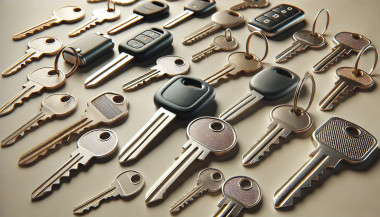
Car keys have come a long way from simple metal tools to high-tech devices designed to enhance convenience and security. As vehicles evolve, so do the keys that unlock and operate them. Whether you’re a car enthusiast or a driver navigating modern technology, understanding the different types of car keys and their functions can help you appreciate their role in your vehicle’s performance and safety. This guide explores various car key types, their unique features, and the technologies behind them.

Traditional Car Keys: The Classics

Traditional car keys, often referred to as mechanical keys, are the simplest type of car keys. These are commonly found in older vehicles and rely on a basic metal blade that fits into the car’s ignition and door locks.

Key Features of Traditional Keys:

  • Require no electronic components.
  • Depend on physical alignment to operate the lock or ignition.
  • Can be duplicated easily using a standard key-cutting machine.

While these keys are straightforward to use and replace, they lack the advanced security features of modern alternatives, making them more vulnerable to theft.

Transponder Keys: Enhanced Security

Transponder keys are a significant upgrade from traditional keys, incorporating a small electronic chip inside the plastic head of the key. This chip communicates with the vehicle's computer system to authenticate the key before the car starts.

How Transponder Keys Work:

  • The chip transmits a unique signal to the car’s receiver when the key is turned in the ignition.
  • If the signal matches, the car starts; if not, the engine remains immobilized.

Benefits of Transponder Keys:

  • Reduced risk of car theft due to their encryption technology.
  • Widely used in most vehicles manufactured after the mid-1990s.

However, duplicating or replacing a transponder key requires specialized equipment, making it more expensive than traditional keys.

Smart Keys: The Modern Marvels

Smart keys represent a leap into advanced automotive technology. These keys are typically used in vehicles with keyless entry and push-button start systems. Instead of inserting a key into the ignition, drivers simply need to have the smart key inside the vehicle.

Key Features of Smart Keys:

  • Allow for keyless entry and ignition.
  • Use radio frequency identification (RFID) or Bluetooth technology to communicate with the car.
  • Often come with additional functions, such as opening the trunk or remotely starting the vehicle.

Advantages of Smart Keys:

  • Enhanced convenience and ease of use.
  • Advanced security features to deter theft.

Despite their benefits, smart keys are expensive to replace and rely heavily on battery power.

Remote Keys: A Blend of Mechanical and Digital

Remote keys, often combined with transponder technology, offer the ability to lock and unlock car doors at the push of a button. They are commonly included in modern car key fobs and sometimes have a physical blade as a backup.

Features of Remote Keys:

  • Control doors, windows, and sometimes the trunk remotely.
  • Combine traditional key functions with modern convenience.

These keys are versatile and user-friendly but may require reprogramming if the battery is replaced or the signal becomes disrupted.

Key Cards: Compact and Stylish

Key cards are a relatively new addition to the world of car keys, commonly used in high-end and electric vehicles. These slim, credit card-sized devices function like smart keys and communicate wirelessly with the vehicle.

Advantages of Key Cards:

  • Compact and easy to carry.
  • Offer the same functionality as smart keys, including keyless entry and ignition.

While key cards are sleek and innovative, they are prone to damage due to their thin design and may not be as durable as traditional keys.

Valet Keys: Limited Access

Valet keys are designed to offer restricted functionality, allowing a valet or another driver to operate the car without accessing certain areas, such as the glove compartment or trunk.

Purpose of Valet Keys:

  • Provide limited access to the vehicle for security purposes.
  • Prevent unauthorized access to personal belongings.

Valet keys are a practical solution for safeguarding your possessions while still enabling temporary access to your car.

Digital Keys: The Future of Key Technology

Digital keys are the latest innovation in car key technology, allowing drivers to use their smartphones or smartwatches to unlock and start their vehicles.

How Digital Keys Work:

  • Use NFC (Near Field Communication) or Bluetooth to interact with the vehicle.
  • Allow for remote access, such as locking or unlocking the car from a distance.

Benefits of Digital Keys:

  • Eliminate the need for a physical key.
  • Offer enhanced customization, such as granting temporary access to other users.

As convenient as they are, digital keys rely on smartphone technology and can be vulnerable to hacking if not properly secured.

Choosing the Right Key for Your Needs

Car keys have evolved into sophisticated devices that combine functionality, convenience, and security. Whether you’re using a traditional key or embracing the future with a digital key, understanding the type of key your vehicle uses can help you maintain it properly and replace it if necessary.

By staying informed about the different types of car keys and their unique functions, you can make smarter choices when it comes to safeguarding your vehicle and enjoying the driving experience to the fullest.

Related Posts

Top 10 Fascinating Facts About BMW: Engineering Precision, Motorsport DNA, and Driving Pleasure

Top 10 Fascinating Facts About BMW: Engineering Precision, Motorsport DNA, and Driving Pleasure

BMW stands for precision engineering and pure driving pleasure. Founded in 1916 in Bavaria, BMW began as an aircraft engine manufacturer before reshaping the automotive world. Its guiding philosophy, “Aus Freude am Fahren” (Sheer Driving Pleasure), has defined the brand for decades. Today, BMW builds everything from electric city cars to high-performance M models. What connects them all is balance, control, and a driver-first mindset. These BMW facts reveal how the brand earned its reputation. 1. Munich’s Four-Cylinder Headquarters BMW’s headquarters in Munich is instantly recognizable. The building, completed in 1972, resembles four vertical engine cylinders joined together. BMW’s headquarters in Munich is instantly recognizable. The building, completed in 1972, resembles four vertical engine cylinders joined together. 2. Logical Model Names Since 1972 BMW’s naming system is deliberately simple. Introduced with the first 5 Series in 1972, the three-digit structure tells you exactly where a model sits in the lineup. The first number shows the series. The remaining digits traditionally indicated engine size. Letters like i , d , and x were later added to explain fuel type or drivetrain. BMW drivers can often decode a car before even opening the door. 3. The Only BMW With a Real Name Almost every BMW uses numbers—except one. The BMW Isetta remains the brand’s only mass-produced car with a proper name. Licensed from Italian manufacturer ISO in the 1950s, the Isetta featured a single front-opening door and ultra-compact dimensions. It helped BMW survive financially after the war and became a design icon in Europe. 4. Motorsport DNA: The Birth of BMW M BMW’s M division was created in 1972 to support racing programs. Its purpose was simple: win races and transfer that knowledge to road cars. BMW M cars quickly became benchmarks for performance sedans and coupes. The connection runs deep—BMW even powered a Formula 1 championship-winning car in 1983. Motorsport is not branding for BMW; it’s engineering validation. 5. Safety Innovations Ahead of Their Time In 1972, BMW revealed the Turbo concept car. It introduced ideas that would later become industry standards. Crumple zones, energy-absorbing steering columns, and even early collision-warning concepts were present. Decades before modern driver-assist systems, BMW was already testing how to protect drivers without compromising performance. 6. Hydrogen Engines in the 1970s BMW experimented with hydrogen power long before electrification became mainstream. In 1979, BMW tested a hydrogen-powered 5 Series sedan. The car looked ordinary but ran on modified combustion technology. This early project showed BMW’s willingness to explore alternative energy paths well ahead of regulations or market demand. 7. Project i and the Electric Breakthrough BMW’s modern electric strategy began in 2007 with Project i. The initiative was designed to rethink mobility from scratch. The result was the BMW i3, launched in 2013. It combined carbon-fiber construction, electric drive, and sustainable materials. Project i shaped BMW’s current EV lineup and proved electric cars could still deliver driving pleasure. 8. Limited-Run BMW Special Models BMW frequently builds rare, limited-production vehicles to showcase design and engineering freedom. Models like the modern 3.0 CSL tribute or special M editions celebrate milestones and motorsport heritage. These cars often sell out instantly, reinforcing BMW’s reputation for exclusivity and craftsmanship. 9. Precision Manufacturing With BMW iFACTORY BMW applies the same precision to manufacturing as it does to driving dynamics. The BMW iFACTORY concept integrates AI, robotics, and digital twins into production. Quality control is automated and continuously monitored. The result is consistent build quality across plants in Europe and beyond—something BMW drivers notice long after purchase. 10. Steering-Wheel Controls Before Anyone Else BMW introduced steering-wheel-mounted controls in the early 1990s. Inspired by Formula 1, the goal was simple: keep the driver’s hands on the wheel. Functions like audio and cruise control became easier to manage. Today this feature is universal, but BMW was among the first to make it standard in luxury cars. FAQ What does BMW stand for? BMW means Bayerische Motoren Werke (Bavarian Motor Works). The company was founded in Munich in 1916 and originally produced aircraft engines. Why do BMW drivers value the brand so highly? Balance, rear-wheel-drive heritage, motorsport DNA, and consistent engineering philosophy all contribute to BMW’s loyal following. What should you do if you lose your BMW key? BMW keys are coded and must match the vehicle’s security system. Owners usually replace them through dealers, but specialist suppliers can also provide compatible keys and cases . Platforms like MR-KEY help BMW owners replace worn or lost keys while maintaining proper ownership verification. Visit our shop at mr-key.com

How Hot Weather Can Damage Your Car Key Fob – And What You Can Do About It

How Hot Weather Can Damage Your Car Key Fob – And What You Can Do About It

When you think about how hot weather affects your vehicle, your first thoughts might go to the engine, the tires, or maybe even the air conditioning. But there’s one small, essential part of your daily driving routine that’s often overlooked — your car key fob. It might seem like a tough little device, but the truth is, it’s far more sensitive than it looks. If you’ve ever left your key fob on the dashboard, in a hot glove box, or even inside your pocket during a heatwave, you may have already caused damage without realizing it. Car key fobs are built with delicate electronics, plastic shells, and lithium coin batteries — all of which are vulnerable to extreme temperatures. In this article, you’ll learn how hot weather affects each part of your key fob, how to spot the early signs of damage, and most importantly, what you can do to protect it. Taking just a few simple steps can save you from the cost and inconvenience of a non-functioning remote, especially when you least expect it. The Plastic Shell: First to Feel the Heat One of the first things to suffer from heat exposure is the plastic casing that protects your key fob. While it’s designed to withstand everyday use — being dropped, tossed in a bag, or handled frequently — it’s not built to survive hours in a baking-hot car. The interior temperature of a parked vehicle can soar past 60 or even 70 degrees Celsius on a sunny day, especially if the key is sitting directly in sunlight. Over time, this level of heat can soften the plastic, causing it to warp, bend, or even split at the seams. You may start to notice that your key doesn’t close as tightly as it used to, or the buttons may feel soft and spongy instead of firm. Cracks might appear along the sides, or parts of the shell may become discolored. While this might seem like a cosmetic issue at first, it has serious implications — a compromised shell allows moisture, dust, and debris to enter the fob, putting the internal electronics at risk. If your key fob’s shell is already showing signs of wear, especially after a hot summer, it’s time to consider replacing the casing before the damage gets worse. Battery Breakdown: How Heat Drains Power Inside your key fob, there’s usually a small lithium battery — typically a CR2032 coin cell. These batteries are reliable under normal conditions, but they don’t respond well to high temperatures. In fact, exposure to extreme heat can accelerate chemical breakdown inside the battery, leading to faster discharge and a shorter overall lifespan. What’s worse, in severe cases, the battery can swell or leak, which can damage the internal components of your fob permanently. If you’ve ever noticed your key fob suddenly stops working or becomes unreliable during the summer, there’s a good chance the battery is struggling under heat stress. The signal may become weaker, you might have to press buttons multiple times, or the remote might stop responding altogether. Replacing the battery is a quick and inexpensive fix, but it’s important to recognize that battery issues are often just the first symptom of deeper heat-related problems. Internal Electronics: Silent Victims of the Heat While the shell and battery are easier to see and replace, the most serious damage often happens silently — deep inside the electronic circuit board. This board, often referred to as the platine, is responsible for all communication between your key and your vehicle. It’s a compact, delicate system of soldered connections and microchips, and unfortunately, it’s not designed to cope with repeated thermal stress. When your key fob is exposed to fluctuating high temperatures, the constant expansion and contraction of materials can loosen solder joints or weaken connections. Moisture that gets trapped inside the shell during humid summer months can accelerate corrosion, especially if the casing is already cracked or loose. The damage might not be immediate, but over time you may find that your key fob becomes unpredictable — sometimes it works, other times it doesn’t, and eventually, it might stop working completely. What You Can Do to Prevent Heat Damage The good news is that most heat-related damage to key fobs is preventable with just a little care and awareness. First, never leave your key fob inside a parked car for extended periods, especially not in direct sunlight. It’s easy to toss your keys into the cup holder or leave them on the dashboard while you run errands, but those few minutes can expose them to dangerous levels of heat. Instead, keep your keys on you or store them in a shaded, temperature-controlled area. If you’re regularly in hot environments — such as driving in warm climates or working outdoors — consider investing in a protective silicone or leather cover. These not only shield the shell from heat exposure but also provide added protection against drops and dirt. You should also make it a habit to replace your battery once a year, even if it seems to be working fine. Batteries weakened by heat can fail suddenly, and a fresh cell ensures your key fob keeps working when you need it most. Finally, if your key fob’s shell is visibly worn or loose, replace it immediately. Many online stores, including Mr Key, offer affordable replacement shells that are easy to install and give your remote a like-new feel. Don’t wait for the damage to reach the internal electronics — by then, repair options are limited and usually more expensive. Protect Your Key, Protect Your Drive Your car key fob might be small, but it plays a huge role in your daily routine. From unlocking doors to starting your engine, it’s a modern convenience we all depend on — until it stops working. And while many drivers are careful with their car’s mechanical systems, few think twice about leaving their key fob in the heat. Now that you know how much damage summer temperatures can cause, you can take the steps needed to protect your key before it’s too late. If you’re looking for high-quality key shell replacements, batteries like the CR2032, or even complete key fobs compatible with your vehicle, Mr Key has you covered. Our online shop offers trusted parts for Peugeot, Citroën, Nissan, Suzuki, Fiat, and more — all designed to help you repair and maintain your car keys quickly and affordably.

Car Ignition Switch Problems: Symptoms, Causes, and Replacement Guide

Car Ignition Switch Problems: Symptoms, Causes, and Replacement Guide

The ignition switch is one of the most important electrical components in any car. When it starts to fail, the symptoms can appear suddenly, seem unrelated, and quickly leave you stranded. This guide explains the real-world signs , the common causes , the most accurate diagnosis steps , and a clear ignition switch replacement guide that helps any driver understand what’s happening and what to do next. If you’re dealing with car ignition lock problems , this article gives you the clarity you need to fix the issue fast and safely. What the Ignition Switch Actually Does The ignition switch has two critical jobs: 1. Electrical power distribution It sends power to the dashboard, fuel pump, ignition system, starter motor, and electronic modules. 2. Starting the engine When you turn the key (or press the button), it bridges electrical circuits, enabling the starter motor to crank the engine. When the ignition switch begins failing, even slightly, it disrupts these circuits. That’s why symptoms can range from flickering dash lights to complete engine shutdown. Symptoms of a Failing Ignition Switch These are the most common, proven symptoms that mechanics use to identify ignition switch problems. 1. Car Won’t Start or Cranks Intermittently If turning the key does nothing—or the engine cranks sometimes but not always—the ignition switch may not be sending power consistently to the starter relay. Typical behavior includes: Silence when turning the key Clicks but no cranking Starts only after multiple attempts Total power loss during cranking This is one of the most classic ignition switch symptoms. 2. Stalling While Driving A failing ignition switch can cut power to the engine while you’re moving . Common signs: Sudden stall for no reason All dash lights go off instantly Engine dies when hitting bumps Engine cuts out but restarts immediately This is dangerous and needs urgent attention. 3. Dashboard Lights Flickering or Turning Off When the internal contacts inside the switch wear out, they create tiny power interruptions. You may see: Speedometer drops to zero Warning lights randomly appear Interior electronics momentarily cut out Radio resets or flickers These short power losses are a major red flag. 4. Key Feels Hot or Hard to Turn If the key is warm after driving, the switch may be overheating internally. If the key becomes difficult to rotate, the ignition cylinder (mechanical part) may be worn — which often leads to switch failure later. 5. Accessories Don’t Work in ACC Mode If turning the key to ACC does not activate: radio wipers power windows heater fan …the accessory circuit inside the switch may be failing. 6. No Sound from the Fuel Pump When Turning the Key You should hear a soft humming for 1–2 seconds. If you don’t, it may mean the ignition switch isn’t powering the pump relay. What Causes Ignition Switch Problems? Ignition switches fail for predictable and well-documented reasons. 1. Internal Wear Over Time Inside the ignition switch are metal contact plates . After thousands of cycles, these contacts burn, corrode, or lose tension. Symptoms develop slowly: random stalling needing to wiggle the key intermittent power This is the most common cause. 2. Heavy Keychains Many drivers don’t realise this: A heavy keychain constantly pulls on the ignition cylinder. Over years, this causes: internal looseness misalignment premature switch failure If your keychain has more than a few items, it may be contributing. 3. Heat and Electrical Overload Faulty relays, worn fuel pumps, or aftermarket accessories can overload the ignition switch. Excess heat damages the internal copper contacts, causing: hot key symptoms partial circuit failure total switch burnout 4. Moisture or Dirt in the Cylinder Moisture or dust causes the mechanical part of the ignition to jam or bind. This forces extra pressure onto the switch every time the key turns. 5. Faulty Key or Worn Key Blade If your key doesn’t rotate smoothly, it can damage both the cylinder and the switch . Worn keys often lead to electrical faults later. How to Diagnose Ignition Switch Problems Accurately Before replacing parts, you should confirm the ignition switch is truly the issue. These steps follow the same logic professional mechanics use. 1. Check if Dashboard Lights Turn On Turn the key to ON without starting the engine. If: no lights come on lights flicker radio stays off …the ignition switch might not be sending voltage. 2. Try Starting with Accessories On Turn the key to ACC. If the accessories work in ACC but the engine won’t start, the “start circuit” inside the ignition switch may be failing. 3. Wiggle Test Gently wiggle the key while: trying to start with ACC on with the engine idling If wiggling makes electronics turn on/off, the switch is internally worn. 4. Bump Test While Driving If the car stalls when hitting bumps or potholes, the switch is losing internal contact momentarily. This is one of the strongest indicators of a failing switch. 5. Test Voltage at the Ignition Switch (Advanced) Using a multimeter, check for: constant power switched power accessory power start signal power If any circuit fails randomly, it confirms an ignition switch fault. If you need a safety reference for electrical testing, you can check the UK Government’s general vehicle safety guidance here: Prevention: How to Avoid Ignition Switch Problems Ignition switch failures can often be prevented with small habits. 1. Keep Your Keychain Light Remove heavy accessories. This reduces stress on the ignition cylinder and switch dramatically. 2. Avoid Resting Hands on the Key While Driving Constant pressure on the key twists the internal contacts. 3. Only Use Correct, Undamaged Keys Bent, cracked, or worn keys can damage: the cylinder the switch the steering lock If your key is worn, replace it before it causes further problems. 4. Address Electrical Problems Early A failing alternator, weak battery, or short circuits can overload the ignition switch. If you notice dim headlights or battery warnings, fix those early. 5. Keep Dust and Moisture Out of the Cylinder Avoid spraying WD-40 or household lubricants into the ignition—it attracts dust. Use proper graphite lock lubricant if needed. Ignition Switch Replacement Guide You should only replace the ignition switch if diagnosis confirms it. Below is a clear replacement overview used by both DIYers and technicians. Note: Procedures vary by vehicle, but the overall steps are similar. 1. Disconnect the Battery Always disconnect the negative terminal. This prevents: accidental airbag deployment electrical shorts damage to modules 2. Remove Steering Column Covers Most cars use simple screws underneath. Once removed, the top and bottom covers split apart. 3. Locate the Ignition Switch Module It is usually mounted behind the ignition cylinder. Depending on the car: it may be held by two screws or secured with clips or integrated into a combined steering lock module 4. Remove the Electrical Connector Ignition switches usually have one large multi-pin connector. Release the locking tab and pull it gently. 5. Remove and Replace the Switch Install the new switch in the exact orientation as the old one. Common mistakes to avoid: misaligning the switch’s internal slot tightening screws unevenly damaging wiring during removal 6. Reassemble and Test Thoroughly After reassembly, test: ACC mode ON mode engine start headlights indicators wipers radio If everything works consistently, the replacement is successful. Is It Safe to Drive with a Bad Ignition Switch? Usually no . A failing ignition switch can: stall the engine suddenly disable power steering shutdown ABS cut power to headlights at night The RAC warns that electrical failures causing engine cut-outs are a serious safety risk. If your switch is failing, get it inspected immediately. FAQ: Car Ignition Switch Problems 1. How much does ignition switch replacement cost? Most replacements cost £80–£300 depending on the vehicle. Some modern cars require coding, making the cost higher. 2. Can a bad ignition switch cause the car to stall? Yes. Loss of electrical contact in the switch can cut power to the engine instantly. 3. Is a failing ignition switch the same as a bad starter? No. A bad starter prevents the engine from cranking. A bad ignition switch prevents power from reaching the starter or other systems. 4. Can a locksmith replace an ignition switch? In many cases, yes — especially for older vehicles. For modern immobilizer systems, a vehicle technician may be required. 5. Can I drive with ignition switch problems? It’s unsafe. The engine can cut out while driving, especially on bumps or turns. 6. Does a bad ignition switch affect accessories only? It can affect: accessories engine start fuel pump dashboard power ECU communication It depends on which internal circuit fails. 7. What’s the lifespan of an ignition switch? Most last between 10–15 years , depending on usage and electrical load. 8. Do push-button cars have ignition switches? Yes — they use an electronic ignition switch module instead of a mechanical one. Failure symptoms are similar. 9. What does a worn key have to do with ignition switch problems? A badly worn key can cause mechanical strain on the cylinder, which then stresses the electrical switch linked behind it. 10. Can I prevent ignition switch issues? Yes — keep your keychain light, avoid forcing the key, and keep electrical systems maintained. For high-quality replacement automotive parts and spare key, visit our shop at mr-key.com .

How to Identify Your Key Type for Easy Replacement

How to Identify Your Key Type for Easy Replacement

Replacing a lost or broken key might seem straightforward, but identifying the correct type of key is crucial to getting an exact replacement. Whether you need a car key, a house key, or even a cabinet key, each type has specific features that determine its function and fit. Here’s a step-by-step guide to understanding your key type, so you can save time and avoid unnecessary frustration when ordering a replacement. Why Key Identification is Important Keys come in many shapes and sizes, each designed for specific types of locks. Understanding your key’s unique characteristics ensures you get the right replacement and avoid wasted time or money on mismatched keys. Avoid Extra Costs : Ordering the wrong key can mean additional fees for reordering. Save Time : Getting the right key from the start saves the hassle of sending it back and waiting for the correct replacement. Enhance Security : Accurate key identification ensures your security by avoiding compromised, incorrect key fits. Types of Keys: Which One is Yours? Understanding the different types of keys can help you determine what you have. Here are the common types and what makes each unique. 1. Household Keys Household keys are typically designed for residential locks like front doors, back doors, and garage doors. These keys are often small and have either a single or double-sided cut pattern along the edges. Some household keys are unique in design, making them specific to a particular lock type. Common Features : Smaller, single or double-sided cuts. Typical Use : Standard residential door locks, such as deadbolts and knob locks. Tip : Look for any identifying numbers or letters on the key itself. These may indicate a specific lock series, making it easier to identify. 2. Car Keys Car keys come in various styles, depending on the make, model, and year of the vehicle. While older cars may use basic metal keys, most modern vehicles use transponder keys or fob keys with embedded chips for added security. Basic Car Keys : Metal keys without electronic components. Transponder Keys : These have a small chip embedded in the head, which communicates with the car to prevent theft. Key Fobs : Some cars use a fob that contains a keyless entry system, which requires programming specific to your vehicle. Tip : If your car uses a transponder or fob key, you may need assistance programming the replacement. 3. Padlock Keys Keys for padlocks can be small and compact, with a straightforward design. These keys often have a unique series number printed on them, making it easier to match them to a specific lock model. Common Features : Small size, usually single-sided. Typical Use : Storage units, gym lockers, and outdoor gates. 4. Furniture and Cabinet Keys Furniture and cabinet keys are typically found on desks, filing cabinets, and other types of lockable furniture. These keys are generally small, with a straight or tubular shaft, and they often have numbers or letters for identification. Common Features : Compact, single or double-sided cuts, often with identification codes. Typical Use : Office furniture, personal storage, and older-style drawers. 5. High-Security Keys High-security keys are specifically designed to prevent unauthorized duplication. These keys have unique, intricate cut patterns and require special authorization for copying. Common Features : Complex, often multi-sided cuts with additional security features. Typical Use : High-security doors in residential or commercial settings, safes, and secure access points. Key Identification Tips: What to Look For Once you know the type of key, you’ll want to examine specific details that will help with identification. Here’s what to look for: Keyway and Shape : The groove pattern, or “keyway,” is specific to the key type. Take note of the key’s shape and groove configuration. Markings and Codes : Look for any numbers or letters printed on the key. These often refer to specific lock brands or key series. Size and Length : Measure your key’s length, as some keys are longer or shorter depending on the lock type. Metal Head Design : Certain keys, like car keys, may have plastic or rubberized heads, which can indicate the need for a transponder or chip inside. Steps to Identify Your Key Type Inspect for Markings : Look closely at your key for any stamped numbers, letters, or symbols. These markings can often be referenced to find a matching lock or brand series. Measure Your Key : Use a ruler or tape measure to record the length and width of your key. These dimensions can help narrow down the exact key type. Examine the Cut Pattern : Take note of the number of cuts and whether they are on one or both sides. Identify the Head Style : If it’s a car key with a transponder, the head might be plastic or rubber. Check for a Code on the Lock : Some padlocks and cabinet locks have codes printed on them that correspond to a specific key model. What to Do When You Can't Identify the Key If your key has no visible markings or the cuts are unusual, consider taking a photo to help in the identification process. For specialty keys or hard-to-identify types, you may want to seek professional help or consult a detailed online database for reference. Preventing Future Key Confusion Once you’ve identified your key, take a few steps to prevent future issues with identification. Label Your Keys : Adding a small tag with a brief description can help you remember the type of key. Keep Spare Keys in a Safe Place : Having a backup key prevents you from needing a replacement immediately. Store Key Codes or Information : If your key or lock has a series code, store it in a safe place in case you need it for future reference. Identifying your key type is essential for getting a precise replacement without unnecessary hassle. By taking the time to understand your key’s unique features, you can save both time and money when it’s time to replace it. Following these steps will help ensure that your replacement key works as smoothly as the original.

Chat with us