_1752144685.jpeg)
Water damage is one of the most common – and most stressful – problems car key owners face. Whether your key fell into a puddle, went through the wash, or was simply caught in a downpour, it can stop working in an instant. But does water exposure always mean you need to buy a new key?
Not necessarily.
In many cases, a quick and proper response can save your key, restore its function, and spare you an expensive replacement. This guide walks you through how to rescue a wet or flooded car key, what not to do, and how to know when it’s beyond repair.
How Car Keys Get Wet
Modern car keys, especially keyless remotes and fobs, aren’t designed to be waterproof. Even small amounts of moisture can cause damage if the internal components are exposed.
Some of the most common causes of water-damaged keys include:
Being left in clothing and run through the washing machine
Falling into sinks, toilets, or puddles
Exposure to rain, snow, or slush
Dropped at the beach or near pools
Stored in damp gym bags or jackets
Once water enters the key shell, it can corrode the circuit board, damage the battery, or short-circuit the transponder chip.
What to Do Immediately After Getting Your Key Wet
The first few minutes after exposure are critical. Acting quickly can mean the difference between a working key and a dead one.
1. Remove the Key from the Water
Take the key out of the water as quickly as possible. The longer it sits, the more damage can occur inside.
2. Open the Key Shell
If your key has a removable shell, gently open it using a small screwdriver or plastic tool. This allows you to access the internal parts and dry them properly.
If you’re unsure how to open it, look up a video or guide specific to your car model.
3. Take Out the Battery
Immediately remove the battery. A wet battery in contact with electronics can cause short circuits and corrosion. Do not reinstall the same battery later; it may be compromised.
4. Dry the Internal Components
Gently pat all visible parts dry with a lint-free cloth. Do not use paper towels, as they can leave behind fibers.
Then allow the key to air-dry using one of the following methods:
Option A: Use Silica Gel or Desiccant Packs
Place the opened key and all components in an airtight container with silica gel packets. Leave it sealed for at least 24 to 48 hours.
Option B: Use Uncooked Rice
If silica gel isn’t available, uncooked rice can work as an alternative. Place the key in a bowl of rice and cover it completely. Leave it for 2 to 3 days.
Do not use a hair dryer, microwave, or place the key near a heater. High heat can warp the plastic shell and damage sensitive electronics.
After Drying: Will the Key Work Again?
After a full drying period, insert a new battery and test the key. In many cases, it will begin working again — especially if water exposure was brief and the board was not damaged.
If the key still doesn’t respond, try the following steps:
Inspect the circuit board for corrosion or residue
Try replacing the outer shell if buttons feel worn or unresponsive
Check if the vehicle recognizes the transponder chip
If none of these steps work, the internal chip or electronics may be permanently damaged.
When to Replace the Key
Sometimes the damage goes beyond what cleaning and drying can fix. You’ll likely need a full replacement if:
The key no longer sends a signal
The LED light doesn’t flash when pressing buttons
There is visible corrosion on the circuit board
The transponder chip fails to communicate with the vehicle
Buttons are physically damaged or unresponsive
The key was underwater for an extended time
In these situations, replacing the key is often the most reliable solution.
Don’t Wait Until It’s Too Late – Keep a Spare Key
If you’ve experienced water damage once, there’s a good chance it could happen again. Keeping a backup key stored in a safe, dry location is one of the best precautions you can take.
You can find replacement key shells, blades, batteries, and fully programmed keys for most vehicle brands at mr-key.com. Investing in a spare can save time, money, and stress.
Final Tips for Car Key Water Damage
Act fast and remove the battery as soon as possible
Use silica gel or rice for slow, safe drying
Avoid heat, rubbing, or shaking the electronics
Replace the shell if it’s worn, cracked, or damaged
If in doubt, test with a new battery before replacing the entire key
Need Replacement Parts?
Whether you need a new shell, battery, or a complete key, visit mr-key.com to find compatible parts for a wide range of vehicles. Our selection includes:
Key shells for all major brands
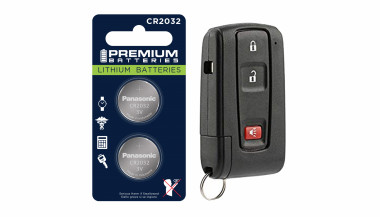
CR2032 batteries
Key blades and electronics
Fully assembled remote keys with chip and programming options
If your key has been exposed to water, don’t panic. With the right steps, many keys can be rescued — and if not, we’re here to help you find the right replacement.
_1733388347.jpg)