Post Name

In an age where smartphones can locate us with pinpoint accuracy and lost luggage can be tracked halfway around the world, it’s easy to assume car keys are just as smart. But for many frustrated drivers, losing a car key feels like sending it into a black hole. The lack of a clear way to find them often leads to stress, wasted time, and sometimes costly replacements. So here’s the big question: Do car keys have GPS, and can they be tracked like other smart devices?

This article explains the technology behind key tracking, compares GPS with Bluetooth, and offers practical ways to find lost keys in a connected world.


The Truth About GPS in Car Keys

While GPS technology has become common in many consumer devices, the vast majority of car keys do not include built-in GPS. Even the most modern remote key fobs, which allow for keyless entry and push-button start, generally lack the components necessary for GPS functionality. These components include a satellite GPS receiver, a data transmission module, and a sustainable power source—none of which are typically found in a key fob. The design of a car key prioritizes compactness, cost-efficiency, and low energy usage. Adding GPS would not only increase manufacturing costs but also introduce battery life challenges. That’s why most manufacturers have opted against including GPS tracking in car keys.

GPS requires constant power and data transmission — something a small coin cell battery in a typical key fob can’t support." – Marcus Lee, Automotive Tech Analyst


How Can Car Keys Be Tracked?

Although your keys may not have GPS, there are other technologies that make it possible to track or locate them when they’re lost. These include Bluetooth trackers, crowdsourced networks, and GPS systems that track the vehicle instead of the key itself.

1. Bluetooth Trackers (Apple AirTag, Tile, Chipolo)

These small, attachable gadgets can be added to your keychain and linked to a mobile app. They rely on Bluetooth to provide location data when within a certain range. If your keys are somewhere nearby—like in your home or office—these trackers can play a sound or show you their last known position on a map. The range is generally up to 120 meters (400 feet), and battery life can last up to a year, making them a practical, low-maintenance option for most users.

2. Crowdsourced Networks (Find My, Tile Network)

If your Bluetooth tracker is out of range, some brands offer a smart workaround. Apple’s AirTag, for instance, uses the “Find My” network, which consists of millions of iPhones around the world. If someone with an Apple device passes near your lost keys, the location is anonymously and securely sent to your phone. This creates a global, decentralized tracking system that mimics GPS functionality without requiring satellites or cellular connections.

3. Car GPS Systems (Vehicle Only, Not the Key)

Some high-end cars offer integrated GPS systems, but these track the vehicle, not the keys. Brands like Tesla, BMW, and Mercedes-Benz allow owners to locate their car through mobile apps. If your keys are left inside the car, you may be able to find them by locating the vehicle. However, once the keys are removed, they cannot be tracked unless equipped with a separate Bluetooth tracker.


GPS vs Bluetooth: What’s the Difference?

To better understand why GPS isn’t commonly included in car keys, it’s useful to compare the two technologies:
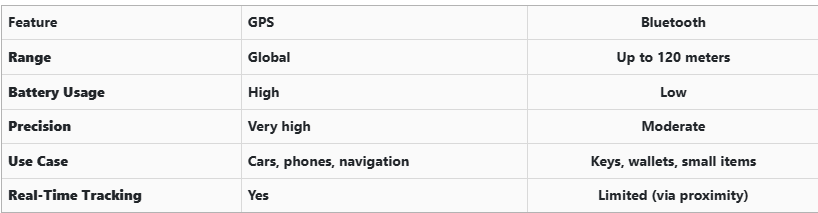
GPS provides global, real-time tracking with high precision, but it’s power-intensive and costly. Bluetooth, while more limited in range, is ideal for small items and short distances, offering a cost-effective solution for everyday use.


Global Perspectives on Key Tracking

Around the world, the adoption of key tracking technologies differs based on privacy laws, tech infrastructure, and consumer behavior. In Japan and South Korea, smart home and car integration are advanced, yet GPS-enabled keys are still not the norm. In many parts of Europe, particularly in countries like Germany, Bluetooth solutions are favored due to strict data privacy regulations. In contrast, the U.S. market has embraced personal tracking devices like Apple AirTag and Tile, making them increasingly common accessories. These differences highlight how technology adoption often reflects broader cultural and legal norms, as well as the balance between convenience and privacy.


Smart Tips to Keep Track of Your Keys

Whether your keys have advanced tech or not, you can take simple steps to avoid losing them. Attaching a Bluetooth tracker is a great first line of defense. Keeping your keys in a consistent, designated place at home reduces the chances of misplacement. Many tracking apps also offer “left behind” alerts, which notify you if you leave your keys behind when moving out of range. It's also smart to keep a spare key somewhere safe and consider going keyless if your next car allows it. Implementing a few of these habits can save you time, frustration, and the cost of replacing a lost key.


The Future of Key Tracking

While car keys may not have built-in GPS, technology continues to evolve with practical alternatives. Bluetooth trackers, supported by app alerts and community networks, already provide effective ways to find lost keys. As innovation progresses, we can expect even more seamless solutions, such as Ultra Wideband (UWB) technology and Internet of Things (IoT) integrations, to become mainstream.

As our tools become smarter, so must the way we use and manage them. With a little foresight and the right accessories, you'll never lose track of your keys again.

Related Posts

5 Fascinating Facts About Audi That Every Car Enthusiast Should Know

5 Fascinating Facts About Audi That Every Car Enthusiast Should Know

Audi is a brand that’s deeply ingrained in the world of luxury cars, known for its sleek designs, innovative technology, and unbeatable performance. Whether you're a die-hard car enthusiast or someone who just appreciates good engineering, there's more to Audi than meets the eye. Let's dive into five fascinating facts about Audi that might surprise you and give you an even deeper appreciation for this iconic brand. 1. The Meaning Behind Audi’s Four Rings: More Than Just a Logo When you think of Audi, the first thing that likely comes to mind is its distinctive four-ring logo. But did you know that each of those rings has a special meaning? The rings symbolize the four founding companies of Auto Union: Audi, DKW, Horch, and Wanderer. Back in 1932, these four automakers joined forces to create Auto Union, and each company contributed its own expertise to form what would eventually evolve into Audi. Those four rings serve as a reminder of the brand’s rich history and the combined heritage of those founding companies. So, the next time you see the iconic logo, you'll know there's a story behind it, representing decades of innovation and collaboration. 2. Audi’s Groundbreaking Win at Le Mans: Changing the Game With Diesel Power Audi has a long history of dominating motorsports, but its victory at the 2006 24 Hours of Le Mans was nothing short of revolutionary. Why? Because Audi became the first manufacturer to win the prestigious race with a diesel engine. The Audi R10 TDI wasn’t just fast—it was efficient, too. Diesel engines are known for their fuel efficiency, and Audi capitalized on this advantage, allowing the R10 to spend less time refueling and more time on the track. This win not only cemented Audi's status as a force in motorsport but also challenged the perception that diesel engines were only about fuel economy, not performance. For Audi, this victory was more than just a win; it was a statement about their commitment to innovation and pushing the boundaries of what’s possible in automotive technology. 3. What’s in a Name? The Surprising Latin Origin of ‘Audi’ Here’s a fun fact that even some Audi fans might not know: the name “Audi” has its roots in Latin. The brand’s founder, August Horch, initially used his own surname for his company. However, after a legal dispute forced him to change the name, he decided to get creative. “Horch” means “listen” in German, and August decided to translate this into Latin, which gave him the word “Audi.” The name stuck, and today Audi is synonymous with cutting-edge automotive engineering. It’s a subtle nod to the brand’s history while still looking forward to the future, a balance Audi has always managed to strike perfectly. 4. Audi’s Quattro All-Wheel Drive: Revolutionizing Rally Racing and Beyond When it comes to Audi’s technology, one word stands out: Quattro. Audi revolutionized the automotive world in the 1980s with its Quattro all-wheel-drive system. Originally developed for rally racing, Quattro provided exceptional traction and handling, especially on difficult terrains like gravel and snow. Audi introduced the Quattro system into rally racing, and it wasn’t long before they started winning championship titles. This technology was so successful that it didn’t just stay on the racetrack; it made its way into Audi’s consumer cars, where it continues to be a major selling point. Today, Quattro is still considered one of the best all-wheel-drive systems on the market, offering you a smoother, more controlled ride no matter the road conditions. For those who love the thrill of driving in all conditions, Quattro offers a unique driving experience that’s hard to beat. 5. The Audi A8: A Pioneer in Lightweight Design Audi is known for pushing the envelope when it comes to design, and the Audi A8 is a perfect example of this innovation. Launched in the 1990s, the A8 was one of the first cars to feature an all-aluminum body. Why is that important? An aluminum body is significantly lighter than traditional steel, which not only improves fuel efficiency but also enhances the car’s handling and performance. Aluminum may be lightweight, but it's incredibly strong, offering superior protection without sacrificing speed or agility. By reducing weight and increasing strength, Audi set a new standard for luxury sedans, one that many automakers have since tried to emulate. If you’ve ever had the pleasure of driving an A8, you know exactly what we’re talking about—lightweight design, power, and luxury all rolled into one. Audi’s Legacy of Innovation As you can see, Audi is much more than just a luxury car brand. From its humble beginnings as part of Auto Union to its groundbreaking Quattro technology and diesel-powered victories, Audi has continually set new standards in the automotive world. Whether it’s the iconic four rings that represent decades of collaboration or the cutting-edge engineering that defines every Audi model, this brand continues to inspire and innovate. Next time you see an Audi, you’ll know it’s not just another car—it’s a symbol of innovation, performance, and a commitment to excellence that has stood the test of time. If you’re an Audi owner or simply an admirer of fine automotive craftsmanship, these five fascinating facts give you even more reason to appreciate this iconic brand. So, what’s your favorite Audi innovation? Let us know!

How to Maintain and Extend the Life of Your Car Keys

How to Maintain and Extend the Life of Your Car Keys

Your car keys are more than just tools to unlock and start your vehicle—they’re essential components for your car's convenience and security. Taking proper care of them can prevent unexpected failures and ensure they last for years. Here are seven easy and practical tips to help you keep your car keys in the best condition possible. 1. Keep Your Keys Clean and Dry Why It Matters: Moisture and dirt are the biggest enemies of car keys, particularly electronic fobs. Exposure to these elements can cause internal corrosion and failure. How to Do It: Avoid Moisture: Keep your keys away from water, rain, and high humidity. If they accidentally get wet, dry them immediately with a soft, absorbent cloth. Regular Cleaning: Gently wipe your keys with a clean cloth to remove dirt and dust. For crevices around buttons, use a cotton swab to clean hard-to-reach areas. 2. Handle Your Keys with Care Why It Matters: Dropping, tossing, or mishandling your keys can cause physical damage or misalign internal components, rendering them unusable. How to Do It: Avoid Drops: Be mindful when handling your keys. Attach them to a lanyard or key holder for better grip and to reduce accidental drops. Use a Protective Key Cover: A well-fitted key cover adds an extra layer of protection against scratches, drops, and general wear and tear. Plus, they’re available in various styles to match your preferences. 3. Replace Key Fob Batteries on Time Why It Matters: A weak battery can lead to your car key fob failing to work when you need it most, leaving you stranded or locked out. How to Do It: Watch for Warning Signs: If your key fob’s range decreases or requires multiple presses to function, the battery is likely weak and needs replacement. Replace Properly: Follow your car’s manual for step-by-step instructions on changing the battery. Using the correct battery type ensures reliable performance. 4. Protect Your Keys from Extreme Temperatures Why It Matters: Excessive heat or cold can harm the electronic components inside your key fob or damage the metal of traditional keys. How to Do It: Avoid Direct Sunlight and Heat: Don’t leave your keys exposed to the sun on your dashboard or near heaters. Extreme heat can warp materials and damage internal circuits. Keep Away from Freezing Temperatures: In colder months, avoid leaving your keys in your car or outside for prolonged periods, as freezing conditions can impact their functionality. 5. Rotate and Use Spare Keys Why It Matters: Spare keys can deteriorate if left unused for long periods. Regularly using them ensures they remain functional and ready in emergencies. How to Do It: Alternate Keys: Use your spare key occasionally to keep it in good working condition. This prevents any surprises when you actually need it. Safe Storage: Store spare keys in a dry, cool place, away from moisture, heat, or any magnetic devices that could interfere with their programming. 6. Avoid Overloading Your Keychain Why It Matters: A heavy keychain might seem harmless, but the extra weight can wear down your car’s ignition switch or damage your key over time. How to Do It: Limit What You Carry: Stick to the essentials—remove unnecessary keys, charms, or heavy accessories. Use Lightweight Keychains: Choose minimalistic and lightweight keychains to prevent undue stress on the ignition and the key itself. 7. Regularly Inspect for Wear and Tear Why It Matters: Keys, especially those with buttons or electronic components, can show signs of wear over time. Early detection helps avoid complete failure. How to Do It: Look for Physical Damage: Check for cracks, faded buttons, or scratches that might affect functionality. Seek Professional Help: If you notice significant wear or damage, consult a professional locksmith or dealership for repairs or replacement. Ignoring issues could lead to bigger, costlier problems down the line. Why Car Key Maintenance is Worth Your Effort Properly maintaining your car keys ensures they stay reliable, functional, and secure for years to come. Whether it’s a traditional key or a modern electronic fob, these small actions can save you from costly replacements or inconvenient malfunctions. Taking care of your keys isn’t just about preventing problems—it’s also about convenience, peace of mind, and getting the most out of your vehicle’s features. By following these simple tips, you’ll keep your car keys in top shape and avoid the stress of unexpected failures.

Thule Roof Rack Key Replacement: How to Find Your Code and Order the Right Key

Thule Roof Rack Key Replacement: How to Find Your Code and Order the Right Key

Thule is the world's best-selling roof rack brand. Their key system is logical, well-documented — and still confusing if you've never dealt with it before. This guide cuts straight to what you need: how Thule's lock system works, where your code is, and how to order the right key without guesswork. How Thule's Lock System Works Thule roof racks use a barrel lock system with small flat-profile mechanical keys. There is no electronic component — the key is purely mechanical, cut to a specific profile that matches the lock cylinder. Every Thule lock is stamped with a code from their N-series range (e.g. N001, N047, N121). That code is all you need to order the correct replacement. The Thule One-Key System Thule's One-Key System (also called the Thule Lock System or TLS) lets you set all lock points on your rack to the same key code. This means one key opens every clamp, every bar end, and every accessory lock on your setup. It's a significant convenience — and it means losing that one key locks you out of everything at once. If you use the One-Key System, your single N-series code covers all your locks. Order that code and you're back in business. Where to Find Your Thule Key Code The code is always present — you just need to know where to look. 1. On the lock barrel face Look at the front of any Thule lock on your rack. The N-series code is stamped directly on the metal face of the cylinder. It typically reads: N followed by three digits (e.g. N047). 2. On your original key If you still have one working key, the code is usually stamped on the bow (the flat part you grip). 3. On the key card When Thule locks are sold new, they include a small plastic or paper key card with the code. Check your rack's original packaging or documents. 4. Via Thule's website Thule offers a code lookup service on their website for registered products. You'll need the product serial number. 5. Ask your dealer If you bought the rack from a specialist retailer, they may have a record of the code linked to your purchase. Thule N-Series: Common Codes and What They Cover Thule N-series codes run from N001 upward. Not all codes are in active use — the range was introduced progressively and some early codes are discontinued. Commonly requested codes include: N001–N030 — older Thule rack generations, still widely fitted to cars from the 2000s–2010s N031–N100 — mid-generation racks, very common on European vehicles N101–N200+ — current generation, including Thule Evo, Edge, and WingBar systems If your rack is from 2010 or later and was purchased in Europe, your code almost certainly falls in the N031–N200 range. Thule Lock Types: Are They All the Same Key? No. Thule uses more than one lock type depending on the rack system. Foot locks — secure the rack feet to the car's roof rails or gutters. These use the N-series code. Bar end locks — secure the crossbars. On newer systems these are integrated into the foot lock and share the same code. On older systems they may be separate. Accessory locks — Thule bike carriers, ski holders, and box locks can be keyed to match your rack. If they were purchased as part of a One-Key set, they share your N-code. If your rack has multiple lock types with different codes, you'll need to identify each one separately. What to Do When You Can't Find the Code The lock is still on the car and functional: A locksmith can decode the lock — either by reading the key cuts visually or by cutting a new key through impressioning. This is the fastest physical solution. The lock is damaged or the key is broken inside: You'll need a replacement lock cylinder. Order the correct Thule lock set for your rack model — it will come with two new keys and a new code card. You have a photo of the lock face: Send it to a specialist supplier like mr-key.com. Experienced teams can often identify the code from the keyway and stamping visible in a photo. Thule Key Replacement: Step by Step Locate any Thule lock on your rack Read the N-series code stamped on the lock face (e.g. N121) Check how many locks you have — do they all share the same code, or are there different codes? Order replacement keys by that exact code — one to replace the lost key, one spare Store your code — photograph it and save it somewhere permanent Thule Rack Models and Their Lock Compatibility Rack System Lock Type Code Format Thule Evo (current) Integrated T-track N-series Thule Edge Flush integrated N-series Thule WingBar Evo Bar + foot lock N-series Thule SmartRack Gutter mount N-series Thule ProBar (older) Separate bar locks N-series Thule 754 / 751 feet Classic feet N-series All current Thule lock systems use the N-series. If your rack is a Thule product from the last 20 years, the N-series code applies. How Many Keys Should You Have? Thule recommends two. One to use, one to keep somewhere safe — not on your keyring. A Thule replacement key costs under €10. A Thule lock cylinder costs €25–€40 per point. A full lock set replacement for a four-point rack with accessories can easily reach €150+. The spare key is the cheapest insurance you'll ever buy for your rack. FAQ Q: My Thule key says N047 — is that the same as just "47"? A: Yes. Some suppliers list codes without the N prefix. N047 and 047 refer to the same Thule key. Always include the N prefix when searching to avoid confusion. Q: Can I rekey my Thule locks to a different code? A: Yes, with Thule's One-Key System. You can purchase new lock cylinders set to a code of your choice and replace the existing cylinders. This is useful when buying a second-hand rack with an unknown code. Q: Will a Thule key from an old rack open a new one? A: Only if the N-series code matches. The physical code, not the age of the rack, determines compatibility. Q: I have four lock points but only two show a code — do the other two share the same code? A: On One-Key System setups, yes. All lock points are set to the same code. Read one, you know them all. Q: My key broke off inside the lock — what do I do? A: Do not force it. A locksmith can extract a broken key from a barrel lock. Once extracted, order your replacement by the code stamped on the lock face. Q: Can I order just one key or do I need to buy a pair? A: You can order a single key. We recommend ordering two — one replacement and one spare. Q: How fast can I get a replacement Thule key? A: From mr-key.com, delivery to most European countries takes 2–5 business days. Germany, France, Italy, Greece, Romania: typically 2–4 days. Order Your Thule Replacement Key (Fast EU Shipping – Same-Day Dispatch) You have the code. You know the system. There's nothing left to do but order. Visit mr-key.com and search by your Thule N-series code . We cut and ship Thule replacement keys across Europe — fast, accurate, and at a fraction of dealer prices. → Find Your Thule Key at mr-key.com Also read: The Complete Guide to Roof Rack Replacement Keys

Why Every Caravan Owner Needs a Spare Key Before Traveling

Why Every Caravan Owner Needs a Spare Key Before Traveling

Before every caravan trip, owners plan routes, book campsites, check electrics and pack supplies. Yet one small detail is often forgotten until it’s too late — the spare caravan key. Losing access to your caravan while traveling can instantly turn a holiday into a stressful, expensive problem. Being locked out of your own caravan or motorhome is more common than most people think, and it usually happens far from home. A spare key is not an accessory. It’s insurance. The real risk of traveling with only one caravan key Caravan keys are easy to lose. They fall out of pockets while setting up awnings. They get misplaced during campsite check-ins. They’re locked inside caravans more often than most owners admit. Unlike car keys, caravan keys are rarely duplicated by default. Many owners travel with a single original key that may already be years old. If that key breaks, bends, or disappears, access to the caravan stops instantly. No entry. No access to personal belongings. No overnight stay. In some cases, insurance claims are delayed because forced entry damages locks or doors. Why a spare caravan key is no longer optional Modern caravan travel is more international than ever. Owners regularly cross borders, take ferries, and stay in remote locations where help is limited. A spare caravan key gives you: • Immediate access if the original is lost • Freedom to leave one key with a travel partner • Security if a lock mechanism fails • Peace of mind when moving between countries Many experienced caravan owners now carry two spare keys , not one — one kept in the tow vehicle, another stored securely. The cost of producing a spare key before traveling is minimal compared to emergency lockouts abroad. Why caravan key replacement is difficult on the road Caravan keys are not universal. Most campsites and local locksmiths do not stock caravan-specific blanks. Unlike house keys, caravan keys are often brand-specific and cut to manufacturer profiles. Finding a replacement locally can be slow or impossible. Common problems include: • Locksmiths refusing caravan keys • Incorrect blanks being used • Locks damaged by forced opening • Waiting days for parts This is why caravan key replacement should never be left until after a key is lost — especially while traveling. Different caravan keys require different solutions Not all caravan keys are the same. We at MR-KEY offer a large variety of caravan and motorhome keys, including many popular and hard-to-find models used across Europe. Some of the keys caravan owners commonly need include: • ZADI caravan and motorhome keys • Eurolocks caravan keys • Union and Yale caravan door keys • HUWIL and HUF caravan keys • DOM caravan and utility locks • Weco and Abus caravan keys Each manufacturer uses different key profiles, depths, and tolerances. A correct match matters. Having a properly cut spare key — not a generic copy — ensures smooth operation and avoids lock wear. Replacement key delivery vs local locksmiths When keys are lost during a trip, caravan owners usually face two options: Option 1: Local locksmith This rarely works well for caravan keys. Most locksmiths focus on domestic locks and vehicles. Caravan keys require the correct blank and accurate cutting. In many regions, locksmiths simply don’t stock caravan blanks at all. Option 2: Replacement key delivery A specialist service that offers replacement key delivery can often deliver the correct spare key directly to your campsite, hotel, or ferry terminal. This approach: • Avoids damaging the lock • Uses the correct key profile • Works even when abroad • Saves time and stress Pre-travel preparation makes replacement faster if something goes wrong. What to do immediately if you lose your caravan keys If your caravan or motorhome keys are lost during a trip, time matters. Your first step is to assess whether access is possible without forcing the lock. Forced entry often causes expensive damage and may invalidate insurance claims. If you’re unsure how to proceed, read this in-depth guide on what to do if you lose your caravan, motorhome, or camper keys . It explains safe options, next steps, and how to avoid costly mistakes. Knowing what not to do is just as important as knowing what to do. The hidden costs of not having a spare key Many caravan owners assume key loss is rare. Insurance providers see it differently. Emergency call-outs, replacement locks, accommodation changes, and trip delays quickly add up. In some cases, caravan doors or lockers are permanently damaged due to incorrect entry attempts. A spare key prevents most of these scenarios entirely. According to caravan safety organisations and consumer travel reports, lockouts are among the most common non-mechanical travel disruptions for leisure vehicles. For broader caravan travel safety guidance, reliable resources include: • The Camping and Caravanning Club (UK) • The NCC (National Caravan Council) These organisations consistently recommend preparing spare access solutions before travel. FAQ's How many spare caravan keys should I carry? At least one spare is essential. Two spares are recommended for longer or international trips. Can caravan keys be copied from photos? In some cases yes, but accuracy depends on the key type. For best results, providing the key number or lock code is safer. Are caravan door keys different from locker keys? Yes. Caravan exterior doors, storage lockers, toilet hatches and gas compartments often use different locks and keys. Is caravan key replacement expensive? No. Preparing a spare key in advance is inexpensive compared to emergency lock replacement abroad. Can replacement keys be delivered while traveling? Yes. With specialist services offering replacement key delivery, keys can be shipped to many locations across Europe. Don’t leave without a spare Every serious caravan trip deserves proper preparation. A spare caravan key is one of the smallest items you can pack — and one of the most valuable when something goes wrong. If you’re preparing for your next journey, make sure you’re covered. Visit mr-key.com and secure the right spare key before you travel. Related guides What to Do If You Lose Your Caravan, Motorhome or Camper Keys?

Chat with us