Post Name

In an age where smartphones can locate us with pinpoint accuracy and lost luggage can be tracked halfway around the world, it’s easy to assume car keys are just as smart. But for many frustrated drivers, losing a car key feels like sending it into a black hole. The lack of a clear way to find them often leads to stress, wasted time, and sometimes costly replacements. So here’s the big question: Do car keys have GPS, and can they be tracked like other smart devices?

This article explains the technology behind key tracking, compares GPS with Bluetooth, and offers practical ways to find lost keys in a connected world.


The Truth About GPS in Car Keys

While GPS technology has become common in many consumer devices, the vast majority of car keys do not include built-in GPS. Even the most modern remote key fobs, which allow for keyless entry and push-button start, generally lack the components necessary for GPS functionality. These components include a satellite GPS receiver, a data transmission module, and a sustainable power source—none of which are typically found in a key fob. The design of a car key prioritizes compactness, cost-efficiency, and low energy usage. Adding GPS would not only increase manufacturing costs but also introduce battery life challenges. That’s why most manufacturers have opted against including GPS tracking in car keys.

GPS requires constant power and data transmission — something a small coin cell battery in a typical key fob can’t support." – Marcus Lee, Automotive Tech Analyst


How Can Car Keys Be Tracked?

Although your keys may not have GPS, there are other technologies that make it possible to track or locate them when they’re lost. These include Bluetooth trackers, crowdsourced networks, and GPS systems that track the vehicle instead of the key itself.

1. Bluetooth Trackers (Apple AirTag, Tile, Chipolo)

These small, attachable gadgets can be added to your keychain and linked to a mobile app. They rely on Bluetooth to provide location data when within a certain range. If your keys are somewhere nearby—like in your home or office—these trackers can play a sound or show you their last known position on a map. The range is generally up to 120 meters (400 feet), and battery life can last up to a year, making them a practical, low-maintenance option for most users.

2. Crowdsourced Networks (Find My, Tile Network)

If your Bluetooth tracker is out of range, some brands offer a smart workaround. Apple’s AirTag, for instance, uses the “Find My” network, which consists of millions of iPhones around the world. If someone with an Apple device passes near your lost keys, the location is anonymously and securely sent to your phone. This creates a global, decentralized tracking system that mimics GPS functionality without requiring satellites or cellular connections.

3. Car GPS Systems (Vehicle Only, Not the Key)

Some high-end cars offer integrated GPS systems, but these track the vehicle, not the keys. Brands like Tesla, BMW, and Mercedes-Benz allow owners to locate their car through mobile apps. If your keys are left inside the car, you may be able to find them by locating the vehicle. However, once the keys are removed, they cannot be tracked unless equipped with a separate Bluetooth tracker.


GPS vs Bluetooth: What’s the Difference?

To better understand why GPS isn’t commonly included in car keys, it’s useful to compare the two technologies:
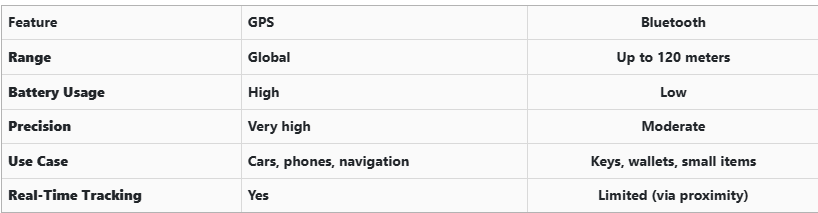
GPS provides global, real-time tracking with high precision, but it’s power-intensive and costly. Bluetooth, while more limited in range, is ideal for small items and short distances, offering a cost-effective solution for everyday use.


Global Perspectives on Key Tracking

Around the world, the adoption of key tracking technologies differs based on privacy laws, tech infrastructure, and consumer behavior. In Japan and South Korea, smart home and car integration are advanced, yet GPS-enabled keys are still not the norm. In many parts of Europe, particularly in countries like Germany, Bluetooth solutions are favored due to strict data privacy regulations. In contrast, the U.S. market has embraced personal tracking devices like Apple AirTag and Tile, making them increasingly common accessories. These differences highlight how technology adoption often reflects broader cultural and legal norms, as well as the balance between convenience and privacy.


Smart Tips to Keep Track of Your Keys

Whether your keys have advanced tech or not, you can take simple steps to avoid losing them. Attaching a Bluetooth tracker is a great first line of defense. Keeping your keys in a consistent, designated place at home reduces the chances of misplacement. Many tracking apps also offer “left behind” alerts, which notify you if you leave your keys behind when moving out of range. It's also smart to keep a spare key somewhere safe and consider going keyless if your next car allows it. Implementing a few of these habits can save you time, frustration, and the cost of replacing a lost key.


The Future of Key Tracking

While car keys may not have built-in GPS, technology continues to evolve with practical alternatives. Bluetooth trackers, supported by app alerts and community networks, already provide effective ways to find lost keys. As innovation progresses, we can expect even more seamless solutions, such as Ultra Wideband (UWB) technology and Internet of Things (IoT) integrations, to become mainstream.

As our tools become smarter, so must the way we use and manage them. With a little foresight and the right accessories, you'll never lose track of your keys again.
Related Posts

Car Key Fobs Explained: How They Work and Why They’re Essential

Car Key Fobs Explained: How They Work and Why They’re Essential

In today’s world, unlocking your car or starting the engine has never been easier. With a simple press of a button, the days of fumbling for traditional keys are behind us. Car key fobs are the modern solution that offer a blend of convenience, security, and technology. But how do these small, often overlooked devices work, and why are they so crucial in today’s automotive world? In this blog, we will dive into the mechanics of car key fobs, their benefits, and why you should understand their functionality. The Evolution of the Car Key Fob Car key fobs, as we know them today, are a far cry from the traditional metal keys that dominated the automotive world for centuries. The shift from traditional keys to key fobs began in the 1980s and 1990s, as automakers sought more efficient and secure ways to unlock vehicles and enable keyless entry. The first remote keyless entry (RKE) systems were introduced to the market in the 1980s. These systems allowed car owners to unlock their doors remotely without inserting a physical key. Over time, the technology evolved further, incorporating additional functions like starting the engine, opening the trunk, and even controlling the vehicle’s security systems—all from a single device. Today, most new vehicles come equipped with key fobs, and many modern models include advanced features like proximity sensing and even remote start capabilities. How Do Car Key Fobs Work? Car key fobs operate on radio frequency identification (RFID) or infrared (IR) technology to communicate with the car’s locking system. The process is relatively simple but requires precise technology to ensure security and functionality. Radio Frequency Communication (RF) : When you press a button on your key fob, it sends out a low-frequency signal to the car's receiver. This signal contains encrypted information, such as the command to unlock the doors or start the engine. The receiver in the car decodes the signal and executes the command. Encryption for Security : One of the key benefits of car key fobs is the security they offer. The signal transmitted by the fob is encrypted, making it difficult for hackers or thieves to intercept and clone the signal. In addition, many fobs are programmed with rolling codes, meaning the signal changes each time the fob is used, further reducing the risk of duplication. Proximity Sensors and Keyless Entry : Modern key fobs often include proximity sensors, which allow the car to detect when the fob is nearby. This enables keyless entry systems that unlock your car automatically as you approach. The fob only needs to be within a certain range—often just a few feet—for the car to recognize it. Battery-Powered : Key fobs rely on small batteries to function. Most key fobs use lithium coin cell batteries, which typically last between one and five years, depending on usage. The battery powers the transmitter, receiver, and any additional features (such as a display or remote start). Why Are Car Key Fobs Essential? In addition to their basic function of locking and unlocking a car, key fobs have become essential components for vehicle security and convenience. Below are several reasons why these devices are more than just an accessory: 1. Enhanced Security As vehicle theft has evolved, so too has the need for better security measures. Traditional car keys are relatively easy to copy, especially for older models. In contrast, key fobs provide far superior protection due to their encrypted signals and rolling code technology. This makes them much harder to duplicate or hack. Moreover, many key fobs are linked to sophisticated alarm systems. If an unauthorized attempt is made to start the vehicle without the fob’s signal, an alarm will sound, and the engine will not start. This extra layer of security significantly reduces the chances of vehicle theft. 2. Convenience and Ease of Use The days of manually unlocking a car with a metal key are long gone. Key fobs offer unprecedented convenience. With a simple button press, you can lock or unlock your doors, open the trunk, and even start the engine without removing the fob from your pocket or bag. This hands-free operation makes accessing your vehicle faster and easier, especially when carrying groceries or dealing with inclement weather. The proximity sensing technology also adds an extra layer of convenience, allowing you to unlock and start your car without needing to press any buttons—ideal for those busy days when you’re juggling multiple tasks. 3. Keyless Entry and Remote Start One of the most exciting features of modern car key fobs is the keyless entry and remote start functionality. These features have revolutionized how people interact with their vehicles. Keyless entry allows you to enter your car simply by being in close proximity, while remote start lets you start the engine from a distance, often via a smartphone app or by pressing a button on the fob itself. Remote start is particularly useful during the winter months. It allows you to start the car in advance, so the engine and cabin are warmed up before you even step inside. Similarly, in hot climates, remote start can be used to cool the cabin, making the car more comfortable when you enter. Global Adoption and Future Trends Car key fobs have become a global standard, with nearly all major automakers offering this feature in their vehicles. As more people embrace technology, the demand for even smarter key fobs continues to rise. In the future, we are likely to see further advancements in key fob technology. For instance, some manufacturers are already exploring biometric security features, such as fingerprint or facial recognition, to enhance the security of key fobs even further. Additionally, smartphone integration is becoming more widespread, allowing car owners to use their phones as key fobs, eliminating the need for a physical device altogether. While car key fobs have transformed the automotive landscape, they also raise new concerns, particularly regarding privacy and hacking risks. As technology advances, automakers and tech companies will need to stay ahead of potential security vulnerabilities to ensure that key fobs continue to serve as effective and secure tools for car owners. Car key fobs are no longer just a convenience—they have become an essential part of modern car ownership. From enhanced security features to the convenience of keyless entry and remote start, key fobs offer a range of benefits that make them indispensable for drivers around the world. As technology continues to evolve, we can expect even more advanced features to be integrated into future key fobs, further improving both convenience and security. Understanding how key fobs work and why they’re important is crucial for anyone who wants to make the most of their vehicle's technology. As we look to the future, it’s clear that key fobs will continue to play a central role in how we access and interact with our cars—an innovation that started with simple remote locking and has now become a vital aspect of our daily driving experience.

How to Locate Your Key Code for a Replacement

How to Locate Your Key Code for a Replacement

Losing a key can be a hassle, but the process of getting a replacement becomes much easier if you can locate the key code. The key code is a unique combination of letters and numbers that identifies the specific cut and type of your key. This code is essential for accurately replicating a new key, whether it’s for your car, house, or another type of lock. This guide will help you understand where to find your key code and what steps you can take if the code isn’t easily accessible. Why the Key Code is Important The key code is essentially a blueprint for your key. It tells a locksmith or dealer exactly how to cut a new key that will work with your lock. Without this code, creating a replacement key can be a trial-and-error process, which can be time-consuming and costly. Additionally, for certain types of keys, such as those for cars with transponder chips, the key code is necessary for programming the electronic components of the key. Step 1: Inspect Your Key and Lock The first and most straightforward step is to inspect your key and lock for the key code. For many keys, especially older models, the code is engraved or stamped directly onto the key itself. This is common with car keys, where the code may be found on the metal part of the key blade. In some cases, the code might be on the plastic casing of the key, especially if it’s a newer model with electronic components. If the key itself doesn’t have the code, check the lock. The key code is sometimes inscribed on the lock’s cylinder or on a small metal plate attached to the lock. This is more common with padlocks or specialized security locks. If you’re dealing with a door lock, you might need to remove the lock from the door to inspect it closely. Step 2: Review Documentation and Original Packaging If you can’t find the key code on the key or lock, the next step is to review any documentation or packaging that came with the key. For vehicles, the key code is often provided in the owner’s manual or on a key tag that was given to you at the time of purchase. This tag is usually small and easily misplaced, so it’s worth checking any old documentation or vehicle paperwork you might have. For other types of keys, such as those for padlocks, cabinets, or office furniture, the key code might be printed on the original packaging or on warranty cards. These are often overlooked, but they can be invaluable when you need a replacement key. Step 3: Contact the Manufacturer or Dealer If the key code isn’t visible on the key, lock, or documentation, your next step should be to contact the manufacturer or dealer. Most car manufacturers, for example, keep a record of key codes based on the Vehicle Identification Number (VIN). By providing your VIN to a dealership, they can usually retrieve the key code and either cut a new key for you or give you the information needed to get one cut elsewhere. For other types of keys, such as those for cabinets or padlocks, contacting the manufacturer can also be helpful. Provide them with details about the product, such as the model number and any serial numbers, and they may be able to provide the key code or a replacement key directly. Step 4: Professional Locksmith Assistance If you’ve exhausted all other options, a professional locksmith is your best bet. Locksmiths have specialized tools and knowledge that allow them to decode locks or determine the correct key code even when it’s not visible or available through documentation. They can often cut a new key based on the lock itself, bypassing the need for the original key code entirely. Locksmiths are particularly useful if you’re dealing with older locks, unique security systems, or if the key code is no longer accessible through traditional means. They can also help with programming transponder keys for vehicles, ensuring that your new key not only fits the lock but also communicates correctly with your car’s electronic systems. Additional Tips for Key Code Location Record Key Codes: If you find your key code, make sure to record it somewhere safe. This will save you time if you need another replacement in the future. Ask About Spare Keys: If you’re contacting a dealership or manufacturer, ask if they can provide a spare key at the same time, especially if you’re prone to losing keys. Consider a Key Tracking System: For those who frequently lose keys, consider investing in a key tracking system or a digital key organizer where you can store key codes and important information. Locating your key code is a crucial step in the process of replacing a lost or broken key. By carefully inspecting your key and lock, reviewing any relevant documentation, contacting the manufacturer or dealer, or seeking help from a professional locksmith, you can ensure that your replacement key is accurate and functional. Taking these steps not only saves time and money but also provides peace of mind in knowing that you have a reliable solution for key replacement.

How to Install a Hydrogel Navigation Screen Protector

How to Install a Hydrogel Navigation Screen Protector

Nowadays car interiors rely heavily on touchscreens. Whether you drive a BMW 3 Series , VW Golf , Audi A4 , Mercedes A-Class , Peugeot 3008 , or Skoda Octavia , your infotainment display is the centre of navigation, settings, entertainment and safety features. But these screens are also fragile—prone to scratches , fingerprints , micro-abrasions , and glare . A hydrogel navigation screen protector is one of the best ways to protect your car touchscreen without affecting clarity or touch sensitivity. This guide shows you exactly how to install a hydrogel protector , step by step, with expert tips, mistakes to avoid, and a few insider tricks that most guides miss. What Is a Hydrogel Screen Protector? Hydrogel is a soft, self-healing, flexible material used widely in phone protection and now increasingly in automotive displays. Unlike tempered glass, it adapts to curved edges and eliminates small bubbles over time. For more technical background, you can read the scientific definition on hydrogels Hydrogel is ideal for infotainment screen protection because it: Reduces glare Absorbs micro-scratches Maintains full touch sensitivity Adapts to curved and angled car screens Self-heals small marks over 24–48 hours It’s especially useful for European cars where screens are large and glossy, such as: Mercedes MBUX screens (A-Class, C-Class, GLC) Volkswagen MIB systems (Golf, Passat, Tiguan) BMW iDrive displays (3 Series, X1, X3) Audi MMI touchscreens (A4, A3, Q5) Peugeot i-Cockpit models Renault Clio, Captur, Megane Skoda Octavia, Superb, Scala Curious which specific models benefit the most from hydrogel protection? Check out our full guide on which cars benefit most from hydrogel navigation protection . Before You Start: Essential Preparation Installing a hydrogel protector takes only a few minutes, but the preparation stage determines whether the final result looks factory-perfect . You Will Need Hydrogel screen protector Microfiber cloth Screen-cleaning wipe (wet & dry) Dust-removal sticker (optional but recommended) Small squeegee / card Choose the Right Environment Install the protector in: A dust-free space (car parked indoors is ideal) Soft lighting (so dust particles are visible) A still environment (no wind, no blowing air) Avoid doing it outside or while standing near open windows. Step-by-Step: How to Install a Hydrogel Navigation Screen Protector 1. Clean the Navigation Screen Thoroughly Use a wet wipe first, then a dry microfiber cloth. Focus on: Corners Edges Around the frame Any oily fingerprints Tip: Turn the screen off to see dust more easily. 2. Remove All Dust Particles Even one small dust speck can create a permanent bubble. Use: Dust-removal stickers A clean microfiber cloth Hold the screen at an angle and look under the light. If perfectionism matters anywhere, it’s here. 3. Peel the First Protective Layer Most hydrogel protectors have two layers . Peel Layer 1 halfway and align the protector with: Left and right edges Upper frame Any curved edges Do not peel it completely yet. 4. Align and Apply the Protector Once aligned: Press the top centre gently Slowly drag your finger downward Peel off the rest of Layer 1 as you go The film will naturally stick without much force. 5. Use the Squeegee to Push Out Air Work from centre outward , using firm but controlled pressure. Hydrogel is self-healing , so small micro-bubbles usually disappear within 24–48 hours . 6. Remove the Final Top Layer After application: Peel Layer 2 from one corner Pull slowly to avoid lifting the protector This reveals a glossy, clear surface below. 7. Allow 24 Hours for Full Adhesion Do not touch the screen too much during this period. Avoid: Heat exposure Cleaning sprays Aggressive pressing Hydrogel needs time to “settle” and self-heal. Common Mistakes to Avoid Even a perfect protector can be ruined by simple errors. Installing in a dusty environment Fibres, dust and hair easily get trapped. Touching the sticky side This leaves permanent marks. Rushing the alignment Hydrogel is flexible but not stretch-proof. Cleaning with alcohol after installation This can damage the outer coating. Installing on a hot screen Heat weakens adhesion and causes micro-bubbles. For a complete walkthrough , see our guide on how to protect your car’s navigation screen . Why Hydrogel Is Better Than Tempered Glass for Car Screens Tempered glass works well for smartphones—but not for car navigation screens. Hydrogel performs better because: It bends and adapts to curved displays It doesn’t create raised edges It avoids touchscreen sensitivity issues It self-heals micro-abrasions It provides better Anti-Glare performance If you want to see more in depth guide on why hydrogel protectors are better check out our guide on Hydrogel vs Tempered Glass Navigation Protectors Comparison FAQs 1. Does a hydrogel protector reduce screen sensitivity No. Hydrogel maintains full touch responsiveness because the material is soft and pressure-adaptive. 2. Can I reuse a hydrogel screen protector? No. Once removed, it cannot be reinstalled cleanly. 3. How long do micro-bubbles take to disappear? Usually 24–48 hours. Stubborn ones may take up to 72 hours if the screen is curved. 4. Will the protector affect brightness or clarity? High-quality hydrogel preserves original screen clarity. Matte versions reduce glare but may slightly soften reflections. 5. Is hydrogel safe for anti-reflective or coated screens? Yes. Hydrogel adhesive is gentle and does not damage coatings. If you want premium hydrogel protectors for BMW, Audi, Mercedes, VW, Peugeot, Renault, Skoda and more, explore our full selection today. Visit our shop at mr-key.com Related Guides Which cars benefit most from hydrogel navigation protection How to Protect Your Car’s Navigation Screen from Scratches,Glare & Fingerprints Hydrogel vs Tempered Glass Navigation Protectors Comparison

The Benefits of Smart Car Keys: A Leap Into the Future of Automotive Convenience

The Benefits of Smart Car Keys: A Leap Into the Future of Automotive Convenience

Smarter, Simpler, Safer Imagine walking toward your car, and instead of fumbling through your bag or pockets for keys, your vehicle recognizes your presence and unlocks itself. This convenience is not a futuristic concept—it’s the reality of smart car keys, an innovation that has redefined automotive technology. As vehicles become more advanced, smart keys are becoming indispensable for drivers seeking security, convenience, and style. But what exactly makes smart keys so revolutionary? Let’s explore their features and benefits. What Are Smart Car Keys? Smart car keys, also known as proximity keys or keyless entry systems, use advanced technology to simplify the interaction between you and your vehicle. Unlike traditional keys or even remote fobs, smart keys rely on radio frequency identification (RFID) or Bluetooth to communicate with your car. Once within a specific range, the car recognizes the key, unlocking the doors and enabling push-button ignition. These keys offer far more than just access and starting capabilities. They are designed to enhance security and integrate features like personalized settings, making them a step ahead of conventional systems. From luxury sedans to electric vehicles, smart keys are rapidly becoming a standard feature in modern cars. The Key Benefits of Smart Car Keys One of the most noticeable advantages of smart keys is their unmatched convenience. Imagine walking to your car with hands full of groceries or during a rainstorm. With a smart key in your pocket or bag, the car automatically unlocks as you approach, eliminating the need to dig around for your keys. Similarly, starting the engine is as simple as pressing a button, streamlining the driving experience. Smart keys also prioritize security. Unlike traditional keys that can be duplicated, smart keys use encrypted communication to connect with the vehicle. This encryption ensures that unauthorized users cannot access or start the car. Some smart systems even include anti-theft mechanisms that disable the engine if the key is not detected nearby, adding an extra layer of protection. Moreover, many smart keys are equipped with customizable features. Depending on the car, they can store and recall settings such as seat positions, climate control preferences, and mirror adjustments. Some even allow for remote control of the car via a smartphone app, enabling users to lock, unlock, or preheat their vehicle with a simple tap on their phone. Smart Keys Around the World: Trends and Adoption The use of smart keys is growing globally, with different regions adopting the technology at varying rates. In developed markets like North America, Europe, and Japan, smart keys have become standard in mid-range and luxury vehicles. These regions, driven by technological advancements and consumer demand, are setting the pace for smart key adoption. In emerging markets, traditional keys are still more prevalent due to their affordability. However, the demand for smart keys is on the rise, especially among buyers of premium cars. As automotive manufacturers expand their offerings, smart keys are becoming accessible to a broader audience. The future of smart keys is even more exciting. Many automakers are exploring app-based systems and biometric authentication, such as fingerprint or facial recognition. These innovations aim to further integrate vehicles into the digital ecosystems of their owners, offering seamless connectivity and enhanced personalization. Challenges of Using Smart Keys While smart keys bring significant advantages, they are not without their challenges. One of the primary concerns is the cost of replacement. Losing a smart key can be expensive, with replacements often requiring programming by a dealership or specialized locksmith. This cost is significantly higher than that of traditional keys. Another issue is the potential vulnerability to hacking. Relay attacks, where thieves amplify the signal from a smart key to unlock a vehicle, are a known risk. While manufacturers are continually improving encryption methods, owners should take precautions, such as using signal-blocking pouches, to protect their keys. Battery life is another consideration. Smart keys depend on batteries, and if the battery dies unexpectedly, you may find yourself locked out of your car. Most manufacturers include a physical backup key or emergency override options, but staying mindful of your key’s battery status is essential. Why Smart Keys Are the Future Smart keys represent more than just a technological advancement—they symbolize a shift in how we interact with vehicles. Their ability to enhance convenience, security, and personalization makes them a must-have feature for modern drivers. As cars become increasingly integrated with digital ecosystems, smart keys are expected to evolve, incorporating features like biometric security and deeper smartphone integration. For drivers, this evolution means a more intuitive and tailored experience. From automatically adjusting settings based on the detected key to integrating with smart home systems, smart keys are paving the way for a connected and seamless future. Embrace the Smart Key Revolution Smart car keys are more than a luxury; they are becoming an essential tool in modern driving. Their convenience, advanced security, and customizable features make them a game-changer in automotive technology. However, as with any innovation, understanding their potential challenges and how to address them is crucial. Whether you’re unlocking your car as you approach or starting the engine with a simple button press, smart keys represent a leap forward in convenience and functionality. As automotive technology continues to advance, smart keys are leading the charge, offering a glimpse into a future where cars seamlessly adapt to our needs.

Chat with us