Post Name


Losing or encountering issues with your car key can feel like a nightmare, especially when you’re in a hurry. From unresponsive key fobs to stuck keys, these problems are more common than you might think. The good news? Most of these issues have simple, affordable fixes that you can address quickly. This guide will help you identify common car key problems and provide solutions to get you back on track without breaking the bank.

1. Key Won’t Turn in the Ignition

Why It Happens:
When your car key refuses to turn, it’s often due to a worn-out key, a damaged ignition cylinder, or a locked steering wheel.

How to Fix It:

  • Check the Steering Wheel: If the wheel is locked, try gently turning the steering wheel left and right while turning the key in the ignition.
  • Inspect the Key: A bent or worn-out key can cause alignment issues. Try a spare key if you have one.
  • Lubricate the Ignition: Use a small amount of graphite lubricant (avoid oil-based products) to loosen the ignition cylinder.
  • If All Else Fails: Consult a professional to replace the key or ignition lock.

Tip: Avoid forcing the key, as this could damage the ignition further.

2. Car Key Fob Isn’t Responding

Why It Happens:
Modern key fobs are convenient, but they rely on batteries and electronic components that can fail. A dead battery is the most common culprit.

How to Fix It:

  • Replace the Battery: Open your key fob (usually with a small screwdriver) and swap out the old battery for a fresh one. Most fobs use coin-shaped batteries like CR2032.
  • Reprogram the Key Fob: If changing the battery doesn’t work, your fob may need reprogramming. Follow your car manual’s instructions or consult a professional locksmith.
  • Check for Damage: Inspect the buttons and internal components for signs of wear or moisture.

Tip: Always keep a spare battery on hand to avoid unexpected key fob failures.

3. Key Stuck in the Ignition

Why It Happens:
This issue often stems from a locked transmission, dirt in the ignition, or a worn-out key that doesn’t align properly.

How to Fix It:

  • Ensure the Car Is in Park: For automatic cars, check that the gear shifter is fully in the “Park” position.
  • Clean the Ignition: Use compressed air to remove dirt or debris from the keyhole.
  • Jiggle the Key: Gently wiggle the key while applying light pressure to help free it.
  • Inspect for Damage: If the key is bent, avoid forcing it. A professional can help safely extract it.

Tip: If the problem persists, you may need to replace the ignition cylinder or key to prevent further damage.

4. Worn or Damaged Car Key

Why It Happens:
Over time, constant use can wear down the grooves on your key, making it difficult to start the car or open the doors.

How to Fix It:

  • Get a Duplicate Key: If your key is showing wear, have a duplicate made while it still works.
  • Replace the Key: A locksmith can create a new key based on your car’s lock or key code.
  • Upgrade to a Modern Key: If you’re using an older mechanical key, consider upgrading to a transponder key or key fob for added convenience and security.

Tip: Don’t wait until your key stops working entirely. Replacing a worn key early can save you time and stress.

5. Key Fob Signal Interference

Why It Happens:
Sometimes, your car key fob may not respond due to signal interference from nearby electronics or a faulty antenna.

How to Fix It:

  • Move Away from Interference: Check for other devices nearby, such as Wi-Fi routers or radios, which may disrupt the signal.
  • Inspect the Fob: Ensure the key fob’s battery is working and the buttons are functional.
  • Reset the Key Fob: Follow your car manual’s instructions to reset or resynchronize the fob.
  • Test the Car’s Receiver: If the problem persists, there may be an issue with your car’s signal receiver.

Tip: Parking in a location free from electronic interference can help diagnose if this is the root cause.

Preventing Car Key Problems: Simple Tips

Taking care of your car key now can save you from bigger headaches later. Here are some quick maintenance tips:

  • Keep Keys Clean: Avoid exposing keys to water, dirt, or chemicals.
  • Store Spare Keys Safely: Always have a backup key in a secure and accessible place.
  • Replace Batteries Regularly: Change key fob batteries annually to prevent unexpected failures.
  • Inspect Your Keys: If you notice wear, cracks, or loose buttons, address the issue early.

Why Addressing Car Key Problems Early Saves You Money

Ignoring small car key problems can lead to more expensive repairs down the road. For example:

  • A damaged ignition can cost far more to replace than addressing a stuck key early.
  • Reprogramming a lost or broken key fob is more costly than simply replacing a battery.
  • Getting a duplicate key before the original breaks ensures you’re not left stranded.

By staying proactive, you can keep your car keys functioning smoothly without spending a fortune.


Related Posts

Jaguar and Land Rover Key Fobs: Common Problems & How to Fix Them

Jaguar and Land Rover Key Fobs: Common Problems & How to Fix Them

Owning a Jaguar or Land Rover means enjoying luxury, performance, and cutting-edge technology. But like any high-tech component, your key fob isn’t immune to problems. Whether you drive a Jaguar F-PACE, a Land Rover Discovery, or any other model, a malfunctioning key fob can quickly become an inconvenience. The good news is that most key fob issues can be resolved quickly and affordably . Here’s what you need to know about the most common Jaguar and Land Rover key fob problems and how you can fix them. Your Key Fob Isn’t Responding Pressing the button without any response is one of the most common issues. If your key fob isn’t unlocking or locking your car, the most likely culprit is a dead battery. Replacing it with a high-quality CR2032 battery is often the easiest fix. However, if the problem persists, your key fob may need reprogramming, or its internal electronic components might be damaged. Checking your vehicle’s manual for reprogramming instructions or visiting a dealership can help resolve the issue. In cases of water damage or physical impact, a complete key fob replacement might be necessary. Reduced Key Fob Signal Range If you notice that you need to be much closer to your car than usual for the key fob to work, the battery is likely weakening. Replacing the battery should be your first step. Other factors, such as interference from electronic devices like smartphones or WiFi routers, may also contribute to signal issues. Storing your key away from such devices can help. If these steps don’t improve the range, internal damage to the key fob’s antenna may require a replacement shell or an upgrade to a new key fob. Unresponsive or Sticking Buttons Over time, dirt and debris can accumulate under the buttons, making them less responsive or difficult to press. Cleaning the key fob with a soft cloth and isopropyl alcohol can help restore functionality. If the buttons feel loose or fail to click, a replacement shell might be necessary. In some cases, the internal button contacts wear out, requiring a full key fob upgrade. “Smart Key Not Found” or Keyless Start Issues If you see a “Key Not Found” message when trying to start your car, the issue may be a low battery in your key fob. Holding the key fob closer to the start button can sometimes override the problem, as many Jaguar and Land Rover models have a backup proximity sensor. If the issue persists, replacing the battery or consulting your vehicle’s manual for emergency start procedures might be required. If none of these solutions work, there may be a deeper issue with the vehicle’s keyless entry system. Spare Key Fob Not Working A backup key fob that hasn’t been used for a long time may no longer work when you need it. This can happen if the battery has drained due to inactivity or if the key has lost its programming. Regularly testing your spare key can prevent surprises. Replacing the battery should be the first step, and if the key has lost its programming, a visit to a professional or dealership may be necessary to restore its functionality. When to Replace Your Key Fob If you’ve tried all these fixes and your Jaguar or Land Rover key fob is still not working, it may be time for a replacement. Internal components wear out over time, and investing in a new key fob can save you from frustrating lockouts and start failures.

Top 10 Interesting Facts About Mercedes: A Journey of Luxury, Innovation, and Performance

Top 10 Interesting Facts About Mercedes: A Journey of Luxury, Innovation, and Performance

When you think of Mercedes-Benz , images of luxury, precision engineering, and cutting-edge technology come to mind. As one of the world’s most iconic car manufacturers, Mercedes has a rich history filled with groundbreaking achievements and innovations. Whether you’re an owner or an admirer of the brand, there’s always more to learn. Let’s dive into the top 10 interesting facts about Mercedes-Benz that you might not know. 1. The First Car Ever Made Was a Mercedes-Benz Mercedes-Benz holds the distinction of having created the world’s first automobile. In 1886, Karl Benz invented the Benz Patent Motorwagen, a three-wheeled vehicle powered by an internal combustion engine. This invention marked the beginning of the modern automotive industry. A Pioneer in Mobility : Mercedes-Benz didn’t just create cars; they invented the concept of personal motorized transportation. The company’s innovative spirit started at the very dawn of the industry. 2. The Name "Mercedes" Comes from a Young Girl The name "Mercedes" comes from Mercedes Jellinek, the daughter of a wealthy Austrian businessman and car enthusiast, Emil Jellinek. Jellinek was a major investor in Daimler’s vehicles and convinced the company to use his daughter’s name for a new line of cars in 1901. A Legacy in a Name : The Mercedes brand has since become synonymous with elegance, luxury, and performance, and it all began with the name of a young girl. 3. Mercedes Introduced the First Modern Car Safety Features Mercedes has always been at the forefront of automotive safety. In 1951, the company invented the "crumple zone," a revolutionary design that allows the car to absorb impact in a collision, protecting passengers inside. Pioneering Safety : Mercedes-Benz has led the way in developing safety features that have since become standard in the auto industry, such as airbags, anti-lock brakes, and electronic stability control. 4. The Famous Three-Pointed Star Has a Unique Meaning The iconic Mercedes-Benz logo—the three-pointed star—represents the company’s vision of motorized dominance on land, sea, and air. It’s more than just a logo; it symbolizes Mercedes’ ambition to excel in all forms of transportation. A Symbol of Ambition : Each point of the star represents a different domain, showing how Mercedes is not just focused on cars but has had aspirations in all areas of engineering. 5. Mercedes-Benz Was the First to Offer Diesel Passenger Cars In 1936, Mercedes-Benz was the first automaker to introduce a diesel-powered passenger car. The Mercedes 260D was not only more fuel-efficient than gasoline cars at the time, but it also laid the foundation for diesel technology in passenger vehicles. A Milestone in Efficiency : Mercedes’ commitment to innovation is clear in their early adoption of diesel technology, which became crucial in later years for fuel efficiency and performance. 6. Mercedes-Benz Develops Eco-Friendly Technology Mercedes-Benz has been a leader in developing eco-friendly technologies. From hybrid systems to fully electric vehicles, the brand’s innovation is helping pave the way for a greener automotive future. Green Innovation : The introduction of models like the EQ series, which are fully electric, demonstrates Mercedes’ dedication to reducing carbon footprints without sacrificing luxury or performance. 7. The Gullwing Doors of the Mercedes 300SL Were a Sensation The Mercedes-Benz 300SL, introduced in 1954, became famous for its distinctive "gullwing" doors that opened upwards like the wings of a bird. This innovative design not only gave the car its iconic look but also revolutionized sports car design. A Design Icon : The 300SL is still regarded as one of the most beautiful and innovative cars ever made, and its gullwing doors are a major reason why. 8. Mercedes Has a Rich Racing History Mercedes-Benz has a storied history in motorsports, particularly Formula 1. Mercedes’ F1 team has dominated the sport in recent years, winning numerous Constructors' and Drivers' Championships. Racing Royalty : From the legendary "Silver Arrows" of the 1930s to the modern-day dominance in Formula 1, Mercedes has cemented its place as one of the top names in motorsport. 9. Mercedes Introduced the First Autonomous Driving Features Mercedes-Benz has been a pioneer in autonomous driving technology. In 2013, they introduced a self-driving concept vehicle called the S-Class Intelligent Drive. This was a major step forward in the journey towards fully autonomous cars. Leading the Future : Mercedes continues to push the boundaries with advanced driver assistance systems, leading the way towards a future where autonomous cars may become the norm. 10. Mercedes-Benz Offers Personalization Like No Other Mercedes-Benz offers a wide range of customization options through its "Designo" program, allowing customers to personalize their vehicle’s paint, interior materials, and more. This ensures that each Mercedes is as unique as its owner. Tailored to Perfection : Whether you prefer a bold exterior color or a more refined leather interior, Mercedes gives you the opportunity to create a car that reflects your personality. Mercedes-Benz—A Legacy of Innovation and Luxury Mercedes-Benz has earned its place as one of the most prestigious and innovative automotive brands in the world. From creating the first car to leading the way in safety, performance, and eco-friendly technologies, Mercedes continues to set the standard. Whether you’re fascinated by their history or drawn to their luxurious design, owning a Mercedes is about embracing a legacy of excellence. As a car owner, it’s essential to be prepared for any situation. And while Mercedes may have perfected the art of driving, having a spare key for your vehicle is one practical step to ensure you’re never caught off guard.

Why Every Caravan Owner Needs a Spare Key Before Traveling

Why Every Caravan Owner Needs a Spare Key Before Traveling

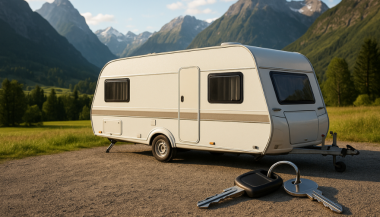
Before every caravan trip, owners plan routes, book campsites, check electrics and pack supplies. Yet one small detail is often forgotten until it’s too late — the spare caravan key. Losing access to your caravan while traveling can instantly turn a holiday into a stressful, expensive problem. Being locked out of your own caravan or motorhome is more common than most people think, and it usually happens far from home. A spare key is not an accessory. It’s insurance. The real risk of traveling with only one caravan key Caravan keys are easy to lose. They fall out of pockets while setting up awnings. They get misplaced during campsite check-ins. They’re locked inside caravans more often than most owners admit. Unlike car keys, caravan keys are rarely duplicated by default. Many owners travel with a single original key that may already be years old. If that key breaks, bends, or disappears, access to the caravan stops instantly. No entry. No access to personal belongings. No overnight stay. In some cases, insurance claims are delayed because forced entry damages locks or doors. Why a spare caravan key is no longer optional Modern caravan travel is more international than ever. Owners regularly cross borders, take ferries, and stay in remote locations where help is limited. A spare caravan key gives you: • Immediate access if the original is lost • Freedom to leave one key with a travel partner • Security if a lock mechanism fails • Peace of mind when moving between countries Many experienced caravan owners now carry two spare keys , not one — one kept in the tow vehicle, another stored securely. The cost of producing a spare key before traveling is minimal compared to emergency lockouts abroad. Why caravan key replacement is difficult on the road Caravan keys are not universal. Most campsites and local locksmiths do not stock caravan-specific blanks. Unlike house keys, caravan keys are often brand-specific and cut to manufacturer profiles. Finding a replacement locally can be slow or impossible. Common problems include: • Locksmiths refusing caravan keys • Incorrect blanks being used • Locks damaged by forced opening • Waiting days for parts This is why caravan key replacement should never be left until after a key is lost — especially while traveling. Different caravan keys require different solutions Not all caravan keys are the same. We at MR-KEY offer a large variety of caravan and motorhome keys, including many popular and hard-to-find models used across Europe. Some of the keys caravan owners commonly need include: • ZADI caravan and motorhome keys • Eurolocks caravan keys • Union and Yale caravan door keys • HUWIL and HUF caravan keys • DOM caravan and utility locks • Weco and Abus caravan keys Each manufacturer uses different key profiles, depths, and tolerances. A correct match matters. Having a properly cut spare key — not a generic copy — ensures smooth operation and avoids lock wear. Replacement key delivery vs local locksmiths When keys are lost during a trip, caravan owners usually face two options: Option 1: Local locksmith This rarely works well for caravan keys. Most locksmiths focus on domestic locks and vehicles. Caravan keys require the correct blank and accurate cutting. In many regions, locksmiths simply don’t stock caravan blanks at all. Option 2: Replacement key delivery A specialist service that offers replacement key delivery can often deliver the correct spare key directly to your campsite, hotel, or ferry terminal. This approach: • Avoids damaging the lock • Uses the correct key profile • Works even when abroad • Saves time and stress Pre-travel preparation makes replacement faster if something goes wrong. What to do immediately if you lose your caravan keys If your caravan or motorhome keys are lost during a trip, time matters. Your first step is to assess whether access is possible without forcing the lock. Forced entry often causes expensive damage and may invalidate insurance claims. If you’re unsure how to proceed, read this in-depth guide on what to do if you lose your caravan, motorhome, or camper keys . It explains safe options, next steps, and how to avoid costly mistakes. Knowing what not to do is just as important as knowing what to do. The hidden costs of not having a spare key Many caravan owners assume key loss is rare. Insurance providers see it differently. Emergency call-outs, replacement locks, accommodation changes, and trip delays quickly add up. In some cases, caravan doors or lockers are permanently damaged due to incorrect entry attempts. A spare key prevents most of these scenarios entirely. According to caravan safety organisations and consumer travel reports, lockouts are among the most common non-mechanical travel disruptions for leisure vehicles. For broader caravan travel safety guidance, reliable resources include: • The Camping and Caravanning Club (UK) • The NCC (National Caravan Council) These organisations consistently recommend preparing spare access solutions before travel. FAQ's How many spare caravan keys should I carry? At least one spare is essential. Two spares are recommended for longer or international trips. Can caravan keys be copied from photos? In some cases yes, but accuracy depends on the key type. For best results, providing the key number or lock code is safer. Are caravan door keys different from locker keys? Yes. Caravan exterior doors, storage lockers, toilet hatches and gas compartments often use different locks and keys. Is caravan key replacement expensive? No. Preparing a spare key in advance is inexpensive compared to emergency lock replacement abroad. Can replacement keys be delivered while traveling? Yes. With specialist services offering replacement key delivery, keys can be shipped to many locations across Europe. Don’t leave without a spare Every serious caravan trip deserves proper preparation. A spare caravan key is one of the smallest items you can pack — and one of the most valuable when something goes wrong. If you’re preparing for your next journey, make sure you’re covered. Visit mr-key.com and secure the right spare key before you travel. Related guides What to Do If You Lose Your Caravan, Motorhome or Camper Keys?

The Essential Car Parts Guide: Understanding Your Vehicle's Core Components

The Essential Car Parts Guide: Understanding Your Vehicle's Core Components

Unveiling the Anatomy of Your Car Your car is more than just a mode of transportation—it's a complex machine composed of various parts working in harmony to ensure smooth and safe driving. Understanding these essential car parts not only helps you appreciate your vehicle better but also empowers you to identify issues, perform basic maintenance, and communicate effectively with mechanics. In this guide, we’ll explore the key components that keep your car running and why they’re vital for optimal performance. 1. Engine: The Heart of Your Vehicle The engine is the powerhouse of your car, converting fuel into energy to propel the vehicle forward. There are various types of engines, including: Internal Combustion Engines (ICE): Common in most vehicles, using gasoline or diesel. Hybrid Engines: Combining a traditional engine with an electric motor for better efficiency. Electric Motors: Found in EVs, powered by rechargeable batteries. Key components within the engine include pistons, the crankshaft, and the timing belt. Regular maintenance like oil changes and timely inspections are crucial for keeping the engine in good condition. 2. Transmission: Changing Gears Made Easy The transmission system ensures that power from the engine is transferred to the wheels at the correct speed and torque. There are two main types of transmissions: Manual Transmission: Requires the driver to shift gears manually. Automatic Transmission: Shifts gears automatically, providing greater convenience. Proper transmission fluid levels are essential for smooth gear transitions and the longevity of the system. 3. Battery: Your Vehicle's Power Source The car battery supplies the electrical power needed to start the engine and operate various electrical systems, such as lights, wipers, and infotainment. Modern vehicles may also include auxiliary batteries for additional power needs. Maintenance Tip: Regularly check battery terminals for corrosion and ensure proper voltage levels, especially in extreme weather conditions. 4. Braking System: Your Lifeline on the Road The braking system ensures the vehicle slows down or stops when needed, making it a critical safety component. Key parts include: Brake Pads and Rotors: Convert kinetic energy into heat, slowing the car down. Brake Fluid: Transfers force from the brake pedal to the braking mechanism. Regular inspection of the braking system can prevent wear and ensure reliability. 5. Tires and Wheels: Where the Rubber Meets the Road Tires and wheels are vital for traction, handling, and overall vehicle stability. There are various types of tires designed for specific conditions, such as all-season, winter, and performance tires. Maintenance Tip: Regularly check tire pressure, alignment, and tread depth to ensure safe driving and optimal fuel efficiency. 6. Suspension System: Smoothing Out the Ride The suspension system absorbs shocks from uneven road surfaces, ensuring a smooth and stable ride. Key components include: Shock Absorbers: Reduce impact from road irregularities. Struts and Springs: Provide structural support and maintain balance. A well-maintained suspension system enhances comfort and handling. 7. Exhaust System: Keeping Emissions in Check The exhaust system directs harmful gases away from the engine and reduces emissions. Key components include the muffler, catalytic converter, and exhaust pipes. Environmental Note: A faulty exhaust system can increase emissions and negatively impact air quality. Regular checks are essential for compliance with emission standards. 8. Cooling System: Preventing Overheating The cooling system regulates the engine's temperature to prevent overheating. It includes components like the radiator, coolant, and thermostat. Maintenance Tip: Regularly check coolant levels and inspect hoses for leaks to ensure efficient cooling. 9. Fuel System: Delivering Energy to the Engine The fuel system stores and supplies fuel to the engine for combustion. Key parts include the fuel pump, injectors, and fuel tank. Efficiency Tip: Clean fuel injectors and replace the fuel filter as needed to maintain optimal fuel efficiency. 10. Electrical System: Powering Your Vehicle's Features From the headlights to the infotainment system, the electrical system powers numerous features in your car. It includes wiring, alternators, and fuses. Maintenance Tip: Inspect fuses and ensure the alternator is functioning properly to avoid electrical issues. Empowering Yourself Through Knowledge Understanding the essential parts of your car equips you with the knowledge to maintain your vehicle effectively and address issues proactively. By staying informed, you can extend the life of your car, save on repair costs, and ensure a safer driving experience. Whether you’re a car enthusiast or a regular driver, knowing your vehicle’s anatomy is the first step toward smarter car ownership.

Chat with us