Post Name

When it comes to car ownership, many of us take pride in maintaining our vehicles. We keep up with oil changes, tire rotations, and insurance renewals. But there’s one crucial aspect that many drivers overlook: having a spare car key.

It might seem like a small detail, but nearly 40% of car owners don’t have a backup key for their vehicle. That’s a risk you might not want to take. Let’s explore why having a spare car key is so important and how it can save you time, money, and frustration.

The Hidden Risks of Having Only One Key

You may think that having just one car key is fine—after all, you always know where it is, right? But life has a funny way of surprising us, and car keys get lost or damaged more often than you might think. Here are some common risks you face when relying on just one key:

Lost Keys: Losing your only car key can leave you stranded. Whether you're in a rush for work or on your way to an important event, misplacing your key means you're stuck until you find it—or worse, until you get a replacement.

Key Damage: Keys, like anything else, wear out over time. A bent or broken key can cause problems with your car’s ignition, and if it's your only one, you’re in for a headache.

Lockouts: It’s easy to accidentally lock your keys inside your car. Without a spare key, you’ll need to figure out how to regain access—both costly and inconvenient.

Theft: If someone steals your key, not only are you locked out of your car, but you also face a potential security risk. A spare key can give you quick access and peace of mind while you handle the situation.

Why a Spare Key Is a Lifesaver

Having a spare key is more than just a backup plan; it’s a practical solution that can save you in many situations. Here’s why having a spare key should be on your to-do list:

Saves You Time: If you’ve ever lost a key, you know how time-consuming it can be to get a replacement. With a spare key, you can avoid the wait and get back on the road quickly.

Prevents Expensive Lockouts: Getting locked out of your car is stressful and costly. Emergency situations like this can cost you not just time but money, and depending on the circumstances, you might even need additional assistance.

Convenience for Multiple Drivers: If you share your car with a spouse, roommate, or family member, having a spare key allows both of you to have access without needing to coordinate every trip.

Peace of Mind: With a spare key, you won’t have to worry about the “what if” scenarios. It’s a simple safety net that ensures you’re never completely stranded.

Affordable Solutions for Replacing Your Car Key

You might be wondering how to go about getting a spare key. Fortunately, the process has never been easier or more affordable. Gone are the days when you had to rely on expensive or complicated processes to secure a replacement key.

Here are some practical ways to get a spare key:

Online Key Replacement Services: Many services offer easy, affordable options for getting a spare car key. Simply upload a photo of your key, and you’ll receive a replacement.

Automotive Dealerships: Dealerships provide spare keys for almost any car make or model. However, this option is often more costly and may require you to bring the car in for verification and programming.

How to Choose the Right Key Replacement Option

When deciding on how to get a spare key, consider these factors:

Cost: Depending on the service or method you choose, prices can vary. Evaluate your budget and the type of key your car requires before proceeding.

Convenience: For some, the most convenient option is one that doesn’t require in-person visits. Research which option offers the best balance between time and convenience for your needs.

Speed: Depending on your urgency, choose an option that fits your timeframe. Some services offer express options, while others may take longer.

Don’t Wait Until It’s Too Late

Many car owners don’t think about getting a spare key until they’re faced with an emergency. Don’t let that be you. Having a backup key is a small investment that can save you from significant stress and financial strain down the line.

Take action today and make sure you have a spare key for your vehicle. Whether it’s for a just-in-case moment or for daily convenience, having that extra key can make all the difference when you need it most.

Related Posts

The Ultimate Guide to Opel, Peugeot, and Citroën Car Keys: Battery Replacement, Flip Key Issues, and Shell Compatibility

The Ultimate Guide to Opel, Peugeot, and Citroën Car Keys: Battery Replacement, Flip Key Issues, and Shell Compatibility

Car keys have come a long way from simple metal tools to advanced electronic devices. While they offer convenience and security, they're also prone to wear and tear over time. If you own an Opel, Peugeot, or Citroën, you've likely encountered a dead battery, faulty buttons, or a cracked key shell. These issues, though frustrating, are easy to fix with the right approach. This guide explores everything you need to know to maintain or restore your car key's functionality—without unnecessary expense. From understanding how these keys work, to step-by-step maintenance practices, we'll walk you through all the essentials to keep your keys working like new. How Car Keys Work Today Modern car keys are more than just tools to unlock and start your vehicle. They are miniaturized computers embedded with microchips, transponders, and signal systems that communicate with your car's onboard electronics. Most Opel, Peugeot, and Citroën models feature flip keys with integrated remote buttons, and inside each key fob lies a delicate configuration of electronics that perform critical functions like remote unlocking and engine ignition authorization. These keys depend heavily on power from a small coin-cell battery, usually the CR2032. While small and seemingly insignificant, the battery is the heart of your key fob. When it begins to fail, even slightly, the symptoms can range from reduced signal range to complete unresponsiveness. That’s why it’s crucial to replace it in time. Replacing the Battery in Opel Car Keys Your Opel car key is essential to your daily routine. Over time, the lithium CR2032 battery inside may weaken, resulting in slower response or reduced range. The good news is that replacing it is straightforward and requires only a few tools. Once you identify your key type—typically a flip key with two or three buttons—you can open the casing using a small screwdriver or plastic tool. Inside, you'll find a battery nestled within the key's internal framework. Carefully remove the old battery and insert a new CR2032, ideally a reliable model like the Panasonic CR2032 . Proper alignment is crucial; the wrong orientation can prevent the key from functioning entirely. Align the shell halves carefully and press them back together until they click into place. If your key shell is also showing signs of damage or wear, consider replacing it with this Opel 3-button key housing . Replacing the battery is a quick job, but it makes a world of difference in reliability and peace of mind. Plus, it spares you the inconvenience of getting stranded or needing dealer intervention. Common Peugeot Flip Key Issues and How to Fix Them Peugeot flip keys are compact and stylish, but frequent use can expose a few recurring problems. The flip mechanism may lose tension, buttons may stop responding, or the outer shell may crack. In many cases, the spring inside wears down, and the plastic buttons may degrade over time. Exposure to moisture, dirt, or accidental drops can also damage the key fob. These symptoms can often be resolved by replacing both the battery and the key shell. Thankfully, most replacement shells come with a new flip mechanism already installed, making the process quick and cost-effective. If you're dealing with a damaged shell or non-functional buttons, a compatible Peugeot key shell can restore both the look and performance of your key. To repair your key, begin by opening the shell using a thin screwdriver. Remove the internal circuit board and transponder chip carefully. Transfer them into the new shell, ensuring everything fits snugly. Insert a fresh CR2032 battery before closing the key shell, then test all functions. Unlike dealer replacements, this DIY approach is affordable and efficient, putting the control in your hands. Understanding Citroën Key Shell Compatibility Citroën keys often resemble Peugeot models but feature subtle design differences that can impact shell compatibility. Before purchasing a replacement shell, it's important to examine a few key details. First, confirm that the button layout matches exactly—some models include a trunk release, while others do not. Next, check the blade type, usually HU83 or VA2, and make sure your new shell supports that configuration. You’ll also need to ensure there’s a space for the transponder chip, as without it, your car won’t start. Lastly, confirm that your circuit board (PCB) fits securely in the new housing. If you're unsure, compare your key with this Citroën 3-button shell for reference. A mismatched shell can result in poor fitment, misaligned buttons, or failure to lock and unlock your car. That’s why it's important to compare your current key closely to any replacement product. Shell replacements are not one-size-fits-all—small deviations in size or design can render them useless. Going Beyond: Caring for Your Car Key Long-Term Maintaining your car key goes beyond occasional repairs. Think of it as part of your overall vehicle care routine. Keep your key clean by regularly wiping it down with a soft cloth. Avoid exposing it to moisture or extreme temperatures, which can damage the battery and internal electronics. If your key starts to feel loose or if the blade no longer flips smoothly, it's a sign that maintenance is due. Another often-overlooked aspect is the condition of your key ring. Overloaded or heavy keychains can put unnecessary strain on the ignition switch and the key’s blade over time. Keeping your key light and secure can prolong both the key and the ignition system’s lifespan. If you find yourself frequently pressing buttons or experiencing lag in signal response, don't ignore it. These early symptoms are usually signs that a new battery is needed, or the shell's contacts are worn. Addressing small problems before they escalate can save you from full key failure. Car Key Maintenance Caring for your car key doesn’t have to be a daunting task. Whether you drive an Opel, a Peugeot, or a Citroën, regular maintenance and minor DIY repairs can significantly extend the life of your key. Replacing a worn battery and upgrading a broken shell not only restores functionality but also revives the overall appearance of your key. Use quality components, take your time during repairs, and always test your key before final assembly. By taking these small steps, you can avoid costly replacements and enjoy reliable key performance for years to come. Explore trusted replacement parts and accessories online at mr-key.com to keep your car keys in top condition year-round.

Hydrogel vs Tempered Glass Navigation Protectors Comparison

Hydrogel vs Tempered Glass Navigation Protectors Comparison

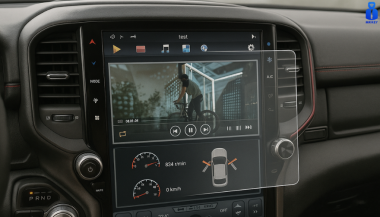
Cars and vehicles nowadays often include large touchscreen navigation systems that are prone to scratches, fingerprints and cracks. These displays are expensive to replace – one owner reported a factory infotainment screen costing over $3,000 to swap out – so protecting them is crucial. That’s where navigation screen protectors come in. The two main options are hydrogel film protectors and tempered glass protectors . Below, we compare hydrogel vs tempered glass for car navigation screens, looking at fit, durability, clarity and more, so you can choose the best protection for your car. Hydrogel vs Tempered Glass: The Essentials Tempered glass protectors A rigid, hard 9H glass shield. Excellent scratch resistance, very clear, and feels like the original screen. Best for completely flat displays. Hydrogel protectors A flexible, self-healing polymer film originally used in aviation and military applications. Ultra-thin, edge-to-edge fit, excellent for curved or uniquely shaped screens. Key difference: Hydrogel bends. Tempered glass doesn’t. Fit & Coverage (Hydrogel Wins) Modern cars often have curved or tapered displays. Tempered glass cannot follow these shapes, leaving exposed edges, air gaps or weak adhesion points. Hydrogel protectors conform perfectly to flat, curved and 3D-shaped screens. They wrap the edges, eliminate halo gaps, and achieve full-surface coverage. If your car’s screen isn’t perfectly flat, hydrogel is the correct choice. Scratch & Impact Protection Tempered glass: Extremely resistant to scratches Can crack on impact, sacrificing itself to protect the screen Once cracked, must be replaced Hydrogel: Softer surface, but self-heals micro-scratches over time Doesn’t shatter; absorbs everyday bumps Ideal for preventing long-term wear and swirl marks Glass is harder; hydrogel stays clearer longer thanks to self-healing. Clarity, Glare & Touch Sensitivity Both types maintain high clarity and touch accuracy, but behave differently in real use: Tempered glass: Ultra-clear Glossy surface shows fingerprints easily Good touch response Hydrogel: Crystal-clear or matte anti-glare options Reduces reflections in sunlight — very useful in cars Zero touch interference due to ultra-thin structure Minor micro-bubbles self-resolve within hours If you drive in bright sun or hate fingerprint shine, hydrogel’s matte option is a major advantage. Installation & Removal Tempered glass: Simple dry install One-shot alignment Rigid, so easy to place but unforgiving if misaligned Hydrogel: Dry or wet install Allows micro-adjustments Easy bubble removal No cracking during installation Removal is simple for both, though hydrogel is safer (no glass shards, no risk of breakage during removal). If you want to learn more about how to install your hydrogel navigation screen protector visit our guide. Which Should You Choose? For general car owners with modern infotainment systems, the winner is clear: ✔ Hydrogel protectors are better for most car navigation screens. Why: Perfect fit on curved screens Self-healing surface Anti-glare options Full edge-to-edge coverage Zero loss in touch sensitivity Tempered glass is fine for older or perfectly flat screens — but today’s automotive displays benefit more from hydrogel technology. FAQ Does a navigation screen really need protection? Yes. Screens scratch easily, attract fingerprints, and are expensive to replace. A protector preserves clarity and resale value. Is hydrogel or tempered glass better overall? Hydrogel — unless your screen is perfectly flat. It fits better, reduces glare, and self-heals surface scratches. Will a protector affect touch response? No. Both types maintain excellent touch accuracy. Hydrogel is especially responsive due to its thin, adaptive structure. How do I protect my screen from fingerprints and glare? Use a matte hydrogel film. For more techniques, see our guide on [ How to Protect Your Car’s Navigation Screen from Scratches, Glare & Fingerprints ] . Which cars benefit most from hydrogel protection? Any model with curved, large, glossy or high-resolution displays. See our model list: [ Which Cars Benefit Most From Hydrogel Navigation Protection? ] . For custom-cut hydrogel protectors for your exact car model, visit mr-key.com . Related Guides How to Protect Your Car’s Navigation Screen from Scratches, Glare & Fingerprints How to Install a Hydrogel Navigation Screen Protector Which Cars Benefit Most From Hydrogel Navigation Protection?

Key Lock Standards for Ultimate Vehicle Security

Key Lock Standards for Ultimate Vehicle Security

In today’s world, where vehicle security is more important than ever, understanding the various key lock standards is crucial for protecting your car against theft. Whether you own a luxury vehicle, a family car, or a fleet of commercial vehicles, knowing how different key locking systems work and what standards are in place can ensure that your vehicle remains secure. In this article, we’ll explore the key lock standards that every car owner should know, what makes a secure system, and how they help protect your car from potential threats. Understanding Key Lock Standards Key lock systems play an essential role in vehicle security. Modern car locks are not just about preventing unauthorized entry but also about preventing the car from being started or stolen. A well-designed key lock system integrates advanced technologies that enhance the protection of your vehicle. There are several key lock standards in the automotive industry, each with its specific focus on improving security and minimizing risks. These standards include traditional mechanical key locks, transponder keys, keyless entry systems, and smart keys. Mechanical Key Locks: The Traditional Standard Mechanical key locks are the most basic and traditional form of car locking systems. For many years, these locks were the standard, and they are still widely used today, particularly in older vehicles. A mechanical key lock involves a physical key that is inserted into the door or ignition switch to gain access to the car or start the engine. While simple, mechanical locks are not as secure as newer systems. Over time, thieves have developed methods to bypass or pick mechanical locks, making them less effective for modern vehicle security. However, many vehicles still rely on these locks, and they remain a crucial part of the overall security system. Transponder Keys: A Step Up in Security In response to the vulnerabilities of mechanical key locks, the automotive industry introduced transponder keys in the 1990s. A transponder key is equipped with a microchip embedded inside the key fob. When the key is inserted into the ignition, the microchip sends a signal to the vehicle's engine control unit (ECU), verifying that the key is legitimate and authorized to start the car. Transponder keys significantly enhance vehicle security by making it much more difficult for thieves to clone the key. Without the proper code, the car won’t start, even if the thief has an exact replica of the physical key. This added layer of security has made transponder keys the industry standard in many vehicles. Keyless Entry Systems: Convenience Meets Security Keyless entry systems, also known as remote entry systems, are now common in modern vehicles. These systems allow you to unlock or lock your car without inserting a key. Instead, the car communicates wirelessly with a key fob, sending a unique signal that grants access. The key fob typically includes buttons to lock or unlock the doors and sometimes to start the engine remotely. The convenience of keyless entry is undeniable, but it also introduces certain vulnerabilities. Keyless entry systems rely on wireless signals, which can sometimes be intercepted or duplicated by thieves using sophisticated equipment. To counteract these risks, manufacturers have developed enhanced encryption protocols and rolling codes that change each time the system is used, making it more challenging to hack into the system. Smart Keys: The Next Level of Vehicle Security Smart keys represent the latest evolution in vehicle security. These keys go beyond the capabilities of traditional key fobs and keyless entry systems by offering features like proximity sensing and push-to-start functionality. Smart keys allow you to unlock and start your vehicle without physically touching the key fob. The system detects when the key fob is near the car and grants access automatically. Smart keys are highly secure, as they use advanced encryption methods and rolling codes to protect the vehicle from unauthorized access. In addition, the vehicle can be programmed to disable the engine if an unauthorized key is detected, providing an additional layer of security. International Security Standards for Vehicle Locks To ensure the security of vehicles globally, several international standards have been developed to guide manufacturers in creating secure key lock systems. Some of the most important standards include: ISO 9001 : This standard focuses on the quality management of products, including vehicle locking systems. It ensures that manufacturers meet specific quality control guidelines, which helps ensure the reliability and security of key lock systems. ISO 14298 : This is a more specific standard related to secure key management for vehicles, focusing on preventing unauthorized duplication and tampering with vehicle keys. EC Regulation 1303/2014 : This European regulation outlines the technical specifications for car security systems, including locking systems. It provides a framework to protect vehicles against unauthorized access, theft, and other security risks. Adhering to these standards ensures that vehicle manufacturers meet global security requirements and offer their customers reliable and effective security systems. Why Secure Key Locks Are Essential for Vehicle Protection With increasing car theft rates and sophisticated methods used by criminals, investing in a secure key lock system is no longer optional—it’s essential. A secure key lock system prevents unauthorized access to the vehicle and ensures that only legitimate owners or authorized individuals can use the vehicle. Each level of security, from mechanical locks to smart keys, offers a different degree of protection, and modern vehicles often incorporate multiple systems to strengthen security. The combination of these advanced technologies, alongside international security standards, provides vehicle owners with peace of mind knowing their vehicle is well-protected. Key lock standards have come a long way from the traditional mechanical locks of the past. Today’s vehicles rely on advanced technologies like transponder keys, keyless entry systems, and smart keys to provide higher levels of security. These systems are designed to make it as difficult as possible for thieves to bypass them, giving car owners confidence that their vehicles are protected. By understanding the different key lock standards and their capabilities, you can make informed decisions about your vehicle’s security and take steps to ensure that your car remains safe from theft. Whether you’re driving a new model or an older vehicle, upgrading or maintaining your key lock system can help safeguard your investment and provide peace of mind on the road.

Do Car Keys Have GPS? What You Need to Know About Key Tracking

Do Car Keys Have GPS? What You Need to Know About Key Tracking

In an age where smartphones can locate us with pinpoint accuracy and lost luggage can be tracked halfway around the world, it’s easy to assume car keys are just as smart. But for many frustrated drivers, losing a car key feels like sending it into a black hole. The lack of a clear way to find them often leads to stress, wasted time, and sometimes costly replacements. So here’s the big question: Do car keys have GPS, and can they be tracked like other smart devices? This article explains the technology behind key tracking, compares GPS with Bluetooth, and offers practical ways to find lost keys in a connected world. The Truth About GPS in Car Keys While GPS technology has become common in many consumer devices, the vast majority of car keys do not include built-in GPS. Even the most modern remote key fobs, which allow for keyless entry and push-button start, generally lack the components necessary for GPS functionality. These components include a satellite GPS receiver, a data transmission module, and a sustainable power source—none of which are typically found in a key fob. The design of a car key prioritizes compactness, cost-efficiency, and low energy usage. Adding GPS would not only increase manufacturing costs but also introduce battery life challenges. That’s why most manufacturers have opted against including GPS tracking in car keys. GPS requires constant power and data transmission — something a small coin cell battery in a typical key fob can’t support." – Marcus Lee, Automotive Tech Analyst How Can Car Keys Be Tracked? Although your keys may not have GPS, there are other technologies that make it possible to track or locate them when they’re lost. These include Bluetooth trackers, crowdsourced networks, and GPS systems that track the vehicle instead of the key itself. 1. Bluetooth Trackers (Apple AirTag, Tile, Chipolo) These small, attachable gadgets can be added to your keychain and linked to a mobile app. They rely on Bluetooth to provide location data when within a certain range. If your keys are somewhere nearby—like in your home or office—these trackers can play a sound or show you their last known position on a map. The range is generally up to 120 meters (400 feet), and battery life can last up to a year, making them a practical, low-maintenance option for most users. 2. Crowdsourced Networks (Find My, Tile Network) If your Bluetooth tracker is out of range, some brands offer a smart workaround. Apple’s AirTag, for instance, uses the “Find My” network, which consists of millions of iPhones around the world. If someone with an Apple device passes near your lost keys, the location is anonymously and securely sent to your phone. This creates a global, decentralized tracking system that mimics GPS functionality without requiring satellites or cellular connections. 3. Car GPS Systems (Vehicle Only, Not the Key) Some high-end cars offer integrated GPS systems, but these track the vehicle, not the keys. Brands like Tesla, BMW, and Mercedes-Benz allow owners to locate their car through mobile apps. If your keys are left inside the car, you may be able to find them by locating the vehicle. However, once the keys are removed, they cannot be tracked unless equipped with a separate Bluetooth tracker. GPS vs Bluetooth: What’s the Difference? To better understand why GPS isn’t commonly included in car keys, it’s useful to compare the two technologies: GPS provides global, real-time tracking with high precision, but it’s power-intensive and costly. Bluetooth, while more limited in range, is ideal for small items and short distances, offering a cost-effective solution for everyday use. Global Perspectives on Key Tracking Around the world, the adoption of key tracking technologies differs based on privacy laws, tech infrastructure, and consumer behavior. In Japan and South Korea, smart home and car integration are advanced, yet GPS-enabled keys are still not the norm. In many parts of Europe, particularly in countries like Germany, Bluetooth solutions are favored due to strict data privacy regulations. In contrast, the U.S. market has embraced personal tracking devices like Apple AirTag and Tile, making them increasingly common accessories. These differences highlight how technology adoption often reflects broader cultural and legal norms, as well as the balance between convenience and privacy. Smart Tips to Keep Track of Your Keys Whether your keys have advanced tech or not, you can take simple steps to avoid losing them. Attaching a Bluetooth tracker is a great first line of defense. Keeping your keys in a consistent, designated place at home reduces the chances of misplacement. Many tracking apps also offer “left behind” alerts, which notify you if you leave your keys behind when moving out of range. It's also smart to keep a spare key somewhere safe and consider going keyless if your next car allows it. Implementing a few of these habits can save you time, frustration, and the cost of replacing a lost key. The Future of Key Tracking While car keys may not have built-in GPS, technology continues to evolve with practical alternatives. Bluetooth trackers, supported by app alerts and community networks, already provide effective ways to find lost keys. As innovation progresses, we can expect even more seamless solutions, such as Ultra Wideband (UWB) technology and Internet of Things (IoT) integrations, to become mainstream. As our tools become smarter, so must the way we use and manage them. With a little foresight and the right accessories, you'll never lose track of your keys again.

Chat with us