
Post Name

There’s nothing quite as frustrating as standing outside your car, key in hand, only to realize something’s not working. Whether your key won’t turn, the remote isn’t responding, or the key itself has seen better days, car key problems seem to happen at the worst possible moment. The good news? Most of these issues are avoidable or fixable, and knowing what to expect can save you both time and stress.

1. Worn-Out Key Blades

You might not notice it happening, but over time, your key blade wears down. Each time you insert it into the lock or ignition, tiny grooves and cuts on the blade experience friction. After years of use, the edges get smooth, and the key may stop fitting snugly. Suddenly, you find yourself jiggling or forcing it, risking more damage.

The solution here is simple: if you start noticing that the key feels loose or takes a few tries to turn, it’s time to get a replacement cut based on the original code, not by copying the worn-out key. A fresh, precisely cut key blade will fit and function perfectly, preventing damage to your lock cylinder.

2. Dead Key Fob Battery

Modern cars often come with remote keys or keyless entry systems, and while they offer convenience, they also rely on tiny batteries. One day, you press the button, and nothing happens—no lights, no unlock sound, no response.

Before assuming the worst, check the battery. Typically, key fob batteries (like CR1620 or CR2032 types) are inexpensive and easy to replace. A quick change will often restore full functionality. Make it a habit to change your key battery every 1-2 years, especially if you notice reduced range or need to press the button multiple times.

3. Key Not Turning in the Ignition

You get into your car, insert the key, and suddenly it won’t turn. You might try wiggling the steering wheel or pushing the key harder, but nothing works. More often than not, the problem is either with the steering lock mechanism being engaged or dirt buildup inside the ignition cylinder.

First, try gently moving the steering wheel side-to-side while turning the key—sometimes the wheel locks under tension, and this simple trick unlocks it. If the problem persists, there could be debris inside the ignition. Using a can of compressed air to blow out dust and tiny particles can help, but if it continues, a professional cleaning or inspection might be necessary before the key or ignition gets damaged.

4. Broken or Bent Keys

You might not think twice when you use your key to open a package or pry something open—but keys aren't made for multitasking. Over time, rough handling, bending, or dropping your key can weaken the metal. Eventually, you could end up with a bent key that struggles to fit, or worse, a snapped key stuck in your lock.

If your key has visible bends or cracks, don’t wait. Replacing it before it breaks entirely can save you the headache of needing an extraction service. Also, always carry a spare key, just in case.

5. Key Programming Issues

If your car uses a transponder key or a smart key, there’s more than just a metal blade involved. Inside is a chip programmed to communicate with your car’s immobilizer system. If your key loses synchronization—maybe after battery replacement, an electrical issue, or accidentally resetting your system—it can leave you unable to start your vehicle.

In these cases, reprogramming the key is necessary. Some cars allow you to do this manually following specific sequences (like turning the ignition on and off), but others require specialized diagnostic tools. Familiarizing yourself with your car’s manual or researching the process beforehand helps avoid surprises.

6. Water Damage

Dropped your key in water or left it exposed to rain? Electronics inside remote keys and smart keys aren’t waterproof. Moisture can short-circuit internal components, causing the key to stop functioning entirely.

If this happens, act fast. Remove the battery immediately and dry out the key as thoroughly as possible. You can use silica gel packets or place the key in a bowl of rice overnight to absorb moisture. However, water damage isn’t always reversible, so keeping your key away from wet environments is the best precaution.

Car key problems often feel like an emergency when they strike, but most of them are preventable or quickly fixable with a little know-how. Paying attention to the warning signs—whether it’s a key that’s worn, a fob that’s sluggish, or a key that won’t turn—allows you to act before things escalate. Understanding how your key works and handling it with care will save you from unnecessary stress (and unexpected expenses) down the road. So next time something feels off with your key, remember: a little attention now can prevent a major hassle later.
Related Posts

Hydrogel vs Tempered Glass Navigation Protectors Comparison

Hydrogel vs Tempered Glass Navigation Protectors Comparison

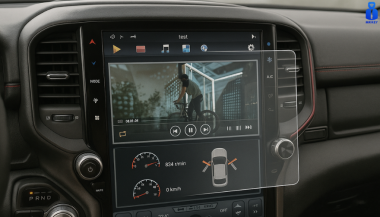
Cars and vehicles nowadays often include large touchscreen navigation systems that are prone to scratches, fingerprints and cracks. These displays are expensive to replace – one owner reported a factory infotainment screen costing over $3,000 to swap out – so protecting them is crucial. That’s where navigation screen protectors come in. The two main options are hydrogel film protectors and tempered glass protectors . Below, we compare hydrogel vs tempered glass for car navigation screens, looking at fit, durability, clarity and more, so you can choose the best protection for your car. Hydrogel vs Tempered Glass: The Essentials Tempered glass protectors A rigid, hard 9H glass shield. Excellent scratch resistance, very clear, and feels like the original screen. Best for completely flat displays. Hydrogel protectors A flexible, self-healing polymer film originally used in aviation and military applications. Ultra-thin, edge-to-edge fit, excellent for curved or uniquely shaped screens. Key difference: Hydrogel bends. Tempered glass doesn’t. Fit & Coverage (Hydrogel Wins) Modern cars often have curved or tapered displays. Tempered glass cannot follow these shapes, leaving exposed edges, air gaps or weak adhesion points. Hydrogel protectors conform perfectly to flat, curved and 3D-shaped screens. They wrap the edges, eliminate halo gaps, and achieve full-surface coverage. If your car’s screen isn’t perfectly flat, hydrogel is the correct choice. Scratch & Impact Protection Tempered glass: Extremely resistant to scratches Can crack on impact, sacrificing itself to protect the screen Once cracked, must be replaced Hydrogel: Softer surface, but self-heals micro-scratches over time Doesn’t shatter; absorbs everyday bumps Ideal for preventing long-term wear and swirl marks Glass is harder; hydrogel stays clearer longer thanks to self-healing. Clarity, Glare & Touch Sensitivity Both types maintain high clarity and touch accuracy, but behave differently in real use: Tempered glass: Ultra-clear Glossy surface shows fingerprints easily Good touch response Hydrogel: Crystal-clear or matte anti-glare options Reduces reflections in sunlight — very useful in cars Zero touch interference due to ultra-thin structure Minor micro-bubbles self-resolve within hours If you drive in bright sun or hate fingerprint shine, hydrogel’s matte option is a major advantage. Installation & Removal Tempered glass: Simple dry install One-shot alignment Rigid, so easy to place but unforgiving if misaligned Hydrogel: Dry or wet install Allows micro-adjustments Easy bubble removal No cracking during installation Removal is simple for both, though hydrogel is safer (no glass shards, no risk of breakage during removal). If you want to learn more about how to install your hydrogel navigation screen protector visit our guide. Which Should You Choose? For general car owners with modern infotainment systems, the winner is clear: ✔ Hydrogel protectors are better for most car navigation screens. Why: Perfect fit on curved screens Self-healing surface Anti-glare options Full edge-to-edge coverage Zero loss in touch sensitivity Tempered glass is fine for older or perfectly flat screens — but today’s automotive displays benefit more from hydrogel technology. FAQ Does a navigation screen really need protection? Yes. Screens scratch easily, attract fingerprints, and are expensive to replace. A protector preserves clarity and resale value. Is hydrogel or tempered glass better overall? Hydrogel — unless your screen is perfectly flat. It fits better, reduces glare, and self-heals surface scratches. Will a protector affect touch response? No. Both types maintain excellent touch accuracy. Hydrogel is especially responsive due to its thin, adaptive structure. How do I protect my screen from fingerprints and glare? Use a matte hydrogel film. For more techniques, see our guide on [ How to Protect Your Car’s Navigation Screen from Scratches, Glare & Fingerprints ] . Which cars benefit most from hydrogel protection? Any model with curved, large, glossy or high-resolution displays. See our model list: [ Which Cars Benefit Most From Hydrogel Navigation Protection? ] . For custom-cut hydrogel protectors for your exact car model, visit mr-key.com . Related Guides How to Protect Your Car’s Navigation Screen from Scratches, Glare & Fingerprints How to Install a Hydrogel Navigation Screen Protector Which Cars Benefit Most From Hydrogel Navigation Protection?

How to Program a Spare Car Key: Should You DIY or Call a Pro?

How to Program a Spare Car Key: Should You DIY or Call a Pro?

You’ve got a spare car key in your hand and one big question on your mind: can you program it yourself, or should you visit a locksmith or dealer? The answer depends on your car and the key. In this guide, you'll discover when DIY programming is possible, when it's not, and how to avoid common mistakes. Whether you're aiming to save money or just want a backup key for peace of mind, here's everything you need to know. Types of Car Keys: What You’re Working With Not all car keys are the same—and that matters. Older vehicles often use simple metal keys or basic transponder keys, while modern cars rely on electronic fobs and smart keys with encrypted chips. If your car was built before the early 2000s, there’s a good chance you can program a spare yourself without any special tools. Newer vehicles, however, might require dealer-level software or diagnostic equipment to complete the job. Basic key types include: Non-transponder metal keys : can be copied at any key-cutting service. Transponder keys : contain a chip that communicates with your car’s immobilizer. Remote key fobs : combine keyless entry with a transponder chip. Smart/proximity keys : high-tech, often require dealer programming. How DIY Key Programming Works If your car supports on-board programming, you're in luck. Here’s how a common DIY method looks: Insert your original (master) key into the ignition and turn it to “on” (don’t start the engine). Leave it for five seconds, then remove it. Quickly insert the new spare key and turn it to “on.” Wait for the security light to blink or turn off—this confirms successful programming. Test the spare key by starting the engine. Note: This process varies by vehicle. Always consult your owner's manual or search for your specific make, model, and year online before starting. When You’ll Need a Professional DIY isn’t always an option. If your car uses advanced keyless systems, push-button start, or encrypted communication, programming usually requires access to manufacturer software and security codes. In these cases, a qualified locksmith or dealership is your best (and safest) bet. Also, if your vehicle requires a unique PIN to program a new key—and you don’t have it—don’t guess. Incorrect attempts could lock the system and result in costly reprogramming. Choosing the Right Spare Key Buying the correct spare key is critical for success. You’ll need: The correct transponder chip type (e.g., ID46, ID48, PCF7946 ) Matching blade shape or key profile The correct frequency (commonly 433MHz or 868MHz ) Avoid cheap generic blanks unless you're certain they’re compatible. Poor-quality keys may not accept programming or may fail shortly after. Quick DIY Checklist: Are You Ready? You already have a working master key Your vehicle supports on-board key programming The spare matches in chip, frequency, and blade You’re comfortable following time-sensitive steps You’re okay calling a pro if things don’t work If you checked most of those, DIY might be a great fit. If not, you’re better off with professional help—it could save you time, frustration, and possibly money in the long run. Be Smart with Your Spare Key Having a backup key is more than convenient—it’s essential. From lost keys to unexpected lockouts, a properly programmed spare key can save the day. If your vehicle allows DIY programming, take your time, follow instructions carefully, and double-check compatibility. If you hit a wall, don’t force it. Pros are there for a reason. No matter which route you take, you’ll thank yourself later for being prepared. Because when it comes to your car keys, one really isn’t enough.

TSA Locks: Why They Matter for Car Owners

TSA Locks: Why They Matter for Car Owners

TSA Locks: Why They Matter for Car Owners As a car owner, you may not immediately consider the importance of a TSA-approved lock for your vehicle, especially when it comes to travel. However, these specialized locks can offer an added layer of security and convenience, particularly when you’re transporting your vehicle or luggage through airports, shipping services, or even while storing it during a trip. But what exactly is a TSA lock, and why should you, as a car owner, care about it? In this article, we break down everything you need to know about TSA locks, how they work, and why they could be beneficial for both you and your vehicle. What is a TSA Lock? A TSA lock is a special type of lock that has been designed to meet the standards set by the Transportation Security Administration (TSA). These locks are typically used for luggage, but their benefits extend to car owners who want to secure their valuables during travel. What sets TSA locks apart from standard locks is their unique feature: TSA agents can unlock these locks using a master key. This allows them to inspect your belongings if needed without damaging your lock or luggage. These locks are often used for suitcases, travel bags, and in some cases, for securing items inside a vehicle while it's being shipped or stored. Why Should Car Owners Consider TSA Locks? While TSA locks are primarily used for luggage, there are several ways car owners can benefit from them: 1. Convenience for Travel If you're shipping your car or using long-term parking at an airport, you may want to secure your vehicle's trunk or compartments. TSA-approved locks give you peace of mind knowing that any inspections required by airport security or shipping agents won't result in your lock being broken. 2. Extra Layer of Security When you’re transporting your vehicle across state lines or internationally, you’ll likely want to keep valuables like electronics, tools, or personal items in the car. A TSA-approved lock ensures that, should security personnel need to access your vehicle, they can do so without causing damage. 3. Compliance with Shipping Regulations Certain vehicle shipping services may require TSA-approved locks as part of their protocols. These locks provide an easy way for shipping carriers to inspect your vehicle without having to call you for permission every time an inspection is necessary. By using TSA-approved locks, you comply with industry regulations and simplify the process. How Do TSA Locks Work? TSA locks are equipped with a special mechanism that allows TSA personnel to unlock them using a universal key. When you use a TSA-approved lock, you set your own combination or use a key for the lock. The TSA agents have access to a master key that fits all TSA locks, allowing them to inspect the contents of your luggage or vehicle safely. These locks are typically used for things like bags, briefcases, or car storage compartments. They provide the added benefit of security, knowing that your belongings are locked but still accessible for inspection when necessary. How to Choose the Right TSA Lock for Your Vehicle If you’re considering a TSA lock for your car, there are a few things to keep in mind: Size and Fit : Make sure the TSA lock fits the compartments or storage areas you intend to secure, whether it’s the trunk, glove box, or internal storage. Durability : Look for locks made of high-quality materials, such as stainless steel or reinforced plastic, to ensure they stand up to wear and tear during transit. Ease of Use : Choose a lock that you can easily open and close but that remains secure against tampering. Approval : Always ensure that the lock you purchase is TSA-approved. You can usually find the TSA logo on the packaging or lock itself. Are TSA Locks Necessary for Every Car Owner? While TSA locks offer multiple benefits, they aren’t absolutely necessary for every car owner. If you rarely travel with your car or if you don’t need to transport it across borders, a standard lock might be sufficient for your needs. However, for those who ship their car regularly or for long-term travelers, TSA-approved locks are a great investment. Whether you're shipping your vehicle, storing it during travel, or just want an extra layer of security, TSA locks can provide the assurance that your belongings remain secure—and that airport security or shipping agents can access your vehicle if needed without causing damage. TSA locks may seem like a small detail, but for car owners who frequently travel, ship their vehicles, or store valuable items inside their cars, they can make a big difference. With the convenience, security, and compliance they offer, TSA-approved locks provide peace of mind, knowing your car and belongings are safe during the travel process. Next time you're preparing for a trip, consider investing in a TSA-approved lock to make your journey a little easier and a lot more secure. This revised blog provides an informative, engaging overview of TSA locks and their relevance to car owners. It emphasizes both convenience and security while addressing the potential benefits for those who travel or ship their vehicles regularly.

How to Identify the Right Replacement Key Shell for Your Car

How to Identify the Right Replacement Key Shell for Your Car

If your car key shell is cracked, worn, or the buttons no longer press properly, replacing it with a new shell is often the most affordable and effective solution. But one major challenge stands in the way: figuring out exactly which replacement shell you need. With so many variations in blade types, button layouts, and internal compatibility, it’s easy to buy the wrong part—and waste both time and money. This guide breaks down how to identify the correct key shell for your car, so you can upgrade or replace your damaged remote housing without confusion. Step 1: Identify Your Key Blade Type One of the most important features is the key blade. Even within the same car brand, different models and years may use different blade types. Two of the most common are: HU83 blade – Used by many Peugeot and Citroën models. It has a curved groove on both sides. VA2 blade – Similar in appearance but has a flat groove instead of a curve. Other types include TOY43, TOY47, and SIP22, often used in Toyota, Fiat, and other manufacturers. If you're unsure, comparing your blade side-by-side with online reference images helps avoid errors. Tip: Never rely only on the number of buttons—focus on the blade profile first. Step 2: Count and Match the Button Layout Next, verify how many buttons your original key has, and in what layout. Common options include: 2 buttons: Lock / Unlock 3 buttons: Lock / Unlock / Trunk Smart keys: May have a more complex layout or hidden emergency blade Even a small difference in layout can prevent the rubber buttons from pressing the internal switches correctly. Also check whether the button pad is integrated into the case or if it’s a separate piece. That may affect your fit. Step 3: Check the Internal Electronics Placement When swapping a shell, you’ll be transferring the circuit board and (in most cases) a transponder chip. The replacement case must have: The same mounting points and slots Space for the battery (check if yours is CR1620, CR2032, etc.) A similar design to support the flip mechanism, if your original key has one If the internal layout doesn’t match, your circuit board may not sit securely—or your buttons may not work. Bonus tip: Open your old key carefully and take photos of the internal structure before ordering a shell. Step 4: Consider the Key Type – Flip or Fixed There are two main styles: Flip keys: Blade folds into the case and pops out with a button press Fixed blade keys: Blade is static and exposed You must match your replacement with the original style, unless you're intentionally upgrading. Flip key conversions are popular, but they require extra parts and a bit more installation effort. Step 5: Check the Model Compatibility List Many key shells are marketed as being compatible with a range of car models. Look for a list that includes: Your vehicle’s make and model The production years (e.g., “Peugeot 207 2010–2014”) Even then, cross-reference with your physical key—models change subtly across production years. Step 6: Know What You're Not Getting A replacement key shell typically does not include: The circuit board (you must transfer it from your old key) The transponder chip A pre-cut blade (unless stated) You’ll likely need to cut the new blade or reuse the old one if it's detachable. Choosing the right replacement key shell doesn't have to be trial and error. By focusing on blade type, button layout, and internal structure, you can confidently find a case that fits your needs—and your key electronics. It’s a simple fix that extends the life of your existing key without the cost of a full replacement. Just take your time, check the details, and match your original key carefully. A few minutes of inspection now can save hours of hassle later.

Chat with us