Post Name

Unlocking the Modern Car Key

In the past, a car key was a simple piece of metal. You inserted it into the door, turned it, and the car unlocked. You repeated the process in the ignition to start the engine. Today, however, a car key might be a sleek device that never even leaves your pocket. It may unlock your doors remotely, start the car with a button, or communicate with your vehicle without you even touching it.

This evolution in key technology has introduced convenience, security, and — for many drivers — a bit of confusion. What kind of key do you actually have? Is it a transponder key, a key fob, or a smart key? And why does it matter?

In this blog, we break down each type of modern car key, explain how they work, and highlight what makes them different — so you can better understand, maintain, and protect the device that starts your vehicle.

What Is a Transponder Key?

The transponder key was the first major step toward electronic vehicle security. Introduced in the 1990s, it features a small microchip embedded in the plastic head of a standard metal key. This chip communicates with the car's immobilizer system.

When you insert the key into the ignition and turn it, the car sends out a low-frequency signal. If the chip responds with the correct, pre-programmed code, the vehicle starts. If the code is incorrect — or missing — the car won’t start at all.

Key characteristics:

Looks like a traditional key

Contains a passive chip (no battery needed)

Requires physical insertion and turning

Designed to prevent hotwiring and unauthorized key copies

Transponder keys are still widely used, especially in vehicles produced between the late 1990s and early 2010s. They’re simple, reliable, and provide basic but effective protection against theft.

What Is a Key Fob?

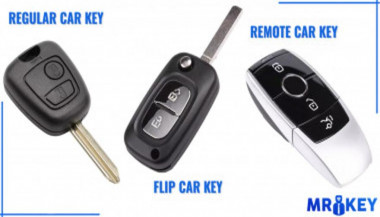
The term key fob typically refers to a small, handheld remote that controls access to your car without inserting a key into a lock. Most modern fobs include buttons for locking and unlocking the doors, opening the trunk, and triggering a panic alarm. Some also support remote engine start.

In many vehicles, the fob is attached to — or integrated with — a mechanical key that includes a transponder chip. Others are "flip keys," with a metal blade that folds inside the fob casing.

Key fob features:

Enables remote locking/unlocking

May include a transponder chip

Often includes a mechanical backup key

Battery-powered (usually coin cell batteries)

May include passive entry on some models

Key fobs offer a balance between convenience and control. While you still need to press buttons or insert a key in many cases, they streamline the process and add useful features.

What Is a Smart Key?

The smart key is the most advanced and convenient type of car key available today. It communicates with your vehicle wirelessly using radio frequency or low-energy Bluetooth. As long as the smart key is within range — often in your pocket or bag — the car will unlock automatically when you touch the handle, and start when you press the ignition button.

Unlike a key fob, there’s no need to press buttons or insert anything into the ignition. The system detects the key’s presence and grants access and engine start as needed.

Smart key features include:

Passive keyless entry (PKE)

Push-button start

Proximity detection

Fully hands-free operation

Often includes comfort access features like memory seating and climate control

However, smart keys also introduce new considerations. They rely entirely on battery power, so a dead battery can temporarily disable key functions. Because smart keys are always transmitting a signal, they are also vulnerable to relay attacks, in which thieves use signal amplifiers to trick the car into unlocking.

Key Comparison Table

To help clarify the differences between each type of key, here’s a side-by-side comparison:

FeatureTransponder KeyKey FobSmart Key
Physical key requiredYesSometimes (flip blade)No
Remote locking/unlockingNoYes (buttons)Yes (proximity-based)
Push-button startNoNoYes
Battery requiredNoYesYes
Security levelModerateHigh (with chip)High
Common years of use1995–20122000–present2015–present
Risk of relay attackNoneLow (in some cases)High (without signal shield)


Why It Matters: Practical Impacts for Drivers

Understanding what kind of car key you have can save you time, money, and stress in several situations:

1. Replacing Lost or Broken Keys

Smart keys can cost anywhere from $200–$600+ to replace and usually require dealership programming. Transponder keys are cheaper and often programmable by locksmiths.

2. Diagnosing Key Issues

If your car won’t start, it could be due to a dead battery in your fob or smart key. But if you have a transponder key, the issue might be with the chip or immobilizer system.

3. Security Awareness

Smart keys are vulnerable to digital theft via relay attacks. If you have one, consider using a Faraday pouch or signal-blocking case to protect your vehicle while parked.

Want to protect your key? Browse Mr Key's security accessories here.

4. Choosing Accessories

Batteries, protective covers, signal-blocking cases, and replacement parts vary depending on your key type. Buying the wrong product can lead to frustration or compatibility issues.

Know Your Key, Protect Your Car

Your car key is more than a tool — it’s an entry system, a security feature, and a communication device. Whether you’re carrying a traditional transponder key, a button-operated key fob, or a proximity-based smart key, knowing the difference is the first step toward better security, smarter repairs, and fewer surprises.

In a world where cars are smarter than ever, your key plays a more important role than most drivers realize. Take a moment to identify which type you have — and take steps to protect it.

Related Posts

Here’s 1 Crazy Mistake 40% of Car Owners Make

Here’s 1 Crazy Mistake 40% of Car Owners Make

When it comes to car ownership, most of us are pretty diligent. We make sure our insurance is up to date, change the oil like clockwork, and even rotate our tires to avoid any wear and tear. But there’s one crucial aspect that many car owners overlook: having a spare key . It seems like a small detail, right? Yet, nearly 40% of car owners don’t have a backup key for their vehicle. And that’s a huge risk. Why? Because losing your only car key can cause a headache you’re not prepared for—and it’s a lot more common than you might think. The Hidden Dangers of Only Having One Car Key It’s easy to get comfortable with just one key. After all, it’s always in your pocket, bag, or hanging on your keychain. But life happens. Keys get lost, misplaced, or even stolen, and when that happens, you’re looking at a nightmare scenario. Here’s why: Costly Lockouts : Lose your key, and you’re locked out of your car, stranded until you can get help. Calling a tow truck or emergency locksmith is not only frustrating but can cost you hundreds of dollars. Inconvenient Delays : Have an important meeting? Picking the kids up from school? With only one key, losing it means your entire day—or week—grinds to a halt. Damaged Key, No Backup : Keys wear down over time, and if you only have one, a damaged key could lead to ignition problems. Suddenly, your car won’t start, and now you’re stuck paying for both a repair and a replacement. Security Risk : Lost keys are more than just a hassle—they’re a potential security threat. If your key falls into the wrong hands, your vehicle becomes vulnerable. The Pricey Locksmith Option Once you’re locked out or your key is lost, your options become limited—and expensive. Going to a local locksmith is one route, but here’s what you’re facing: High Prices : Traditional locksmiths can charge anywhere from €150 to €400 just to cut and program a new car key. Depending on your car model, it could be even more. Inconvenient : Many locksmiths don’t work around your schedule, and waiting for them to arrive or driving to their location takes time you don’t have. The Smart, Affordable Solution: Mr-Key.com Fortunately, there’s an easier and much more affordable option— Mr-Key.com . Instead of paying top dollar and wasting time, here’s how you can get a spare key in just a few simple steps: Take a Picture : Simply snap a photo of your existing key. Send It to Us : Upload the picture to Mr-Key.com using our secure service. Get Your Key Delivered : We’ll cut a perfect match and deliver it right to your door at a fraction of the cost of a traditional locksmith. Don’t Wait for a Crisis—Get Your Spare Key Now! Why risk being locked out or paying hundreds when you can have peace of mind for less? Visit Mr-Key.com today and get a spare car key cut from just a picture. It’s quick, it’s easy, and it’s affordable. Don’t be part of the 40% that gambles with just one key—protect your car and your schedule with Mr-Key.com!

The Importance of Having a Spare Car Key: What Every Driver Should Know

The Importance of Having a Spare Car Key: What Every Driver Should Know

When it comes to car ownership, many of us take pride in maintaining our vehicles. We keep up with oil changes, tire rotations, and insurance renewals. But there’s one crucial aspect that many drivers overlook: having a spare car key. It might seem like a small detail, but nearly 40% of car owners don’t have a backup key for their vehicle. That’s a risk you might not want to take. Let’s explore why having a spare car key is so important and how it can save you time, money, and frustration. The Hidden Risks of Having Only One Key You may think that having just one car key is fine—after all, you always know where it is, right? But life has a funny way of surprising us, and car keys get lost or damaged more often than you might think. Here are some common risks you face when relying on just one key: Lost Keys : Losing your only car key can leave you stranded. Whether you're in a rush for work or on your way to an important event, misplacing your key means you're stuck until you find it—or worse, until you get a replacement. Key Damage : Keys, like anything else, wear out over time. A bent or broken key can cause problems with your car’s ignition, and if it's your only one, you’re in for a headache. Lockouts : It’s easy to accidentally lock your keys inside your car. Without a spare key, you’ll need to figure out how to regain access—both costly and inconvenient. Theft : If someone steals your key, not only are you locked out of your car, but you also face a potential security risk. A spare key can give you quick access and peace of mind while you handle the situation. Why a Spare Key Is a Lifesaver Having a spare key is more than just a backup plan; it’s a practical solution that can save you in many situations. Here’s why having a spare key should be on your to-do list: Saves You Time : If you’ve ever lost a key, you know how time-consuming it can be to get a replacement. With a spare key, you can avoid the wait and get back on the road quickly. Prevents Expensive Lockouts : Getting locked out of your car is stressful and costly. Emergency situations like this can cost you not just time but money, and depending on the circumstances, you might even need additional assistance. Convenience for Multiple Drivers : If you share your car with a spouse, roommate, or family member, having a spare key allows both of you to have access without needing to coordinate every trip. Peace of Mind : With a spare key, you won’t have to worry about the “what if” scenarios. It’s a simple safety net that ensures you’re never completely stranded. Affordable Solutions for Replacing Your Car Key You might be wondering how to go about getting a spare key. Fortunately, the process has never been easier or more affordable. Gone are the days when you had to rely on expensive or complicated processes to secure a replacement key. Here are some practical ways to get a spare key: Online Key Replacement Services : Many services offer easy, affordable options for getting a spare car key. Simply upload a photo of your key, and you’ll receive a replacement. Automotive Dealerships : Dealerships provide spare keys for almost any car make or model. However, this option is often more costly and may require you to bring the car in for verification and programming. How to Choose the Right Key Replacement Option When deciding on how to get a spare key, consider these factors: Cost : Depending on the service or method you choose, prices can vary. Evaluate your budget and the type of key your car requires before proceeding. Convenience : For some, the most convenient option is one that doesn’t require in-person visits. Research which option offers the best balance between time and convenience for your needs. Speed : Depending on your urgency, choose an option that fits your timeframe. Some services offer express options, while others may take longer. Don’t Wait Until It’s Too Late Many car owners don’t think about getting a spare key until they’re faced with an emergency. Don’t let that be you. Having a backup key is a small investment that can save you from significant stress and financial strain down the line. Take action today and make sure you have a spare key for your vehicle. Whether it’s for a just-in-case moment or for daily convenience, having that extra key can make all the difference when you need it most.

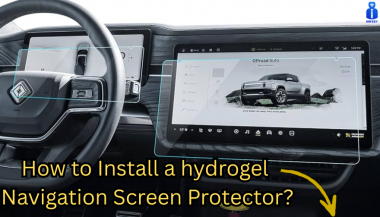
How to Install a Hydrogel Navigation Screen Protector

How to Install a Hydrogel Navigation Screen Protector

Nowadays car interiors rely heavily on touchscreens. Whether you drive a BMW 3 Series , VW Golf , Audi A4 , Mercedes A-Class , Peugeot 3008 , or Skoda Octavia , your infotainment display is the centre of navigation, settings, entertainment and safety features. But these screens are also fragile—prone to scratches , fingerprints , micro-abrasions , and glare . A hydrogel navigation screen protector is one of the best ways to protect your car touchscreen without affecting clarity or touch sensitivity. This guide shows you exactly how to install a hydrogel protector , step by step, with expert tips, mistakes to avoid, and a few insider tricks that most guides miss. What Is a Hydrogel Screen Protector? Hydrogel is a soft, self-healing, flexible material used widely in phone protection and now increasingly in automotive displays. Unlike tempered glass, it adapts to curved edges and eliminates small bubbles over time. For more technical background, you can read the scientific definition on hydrogels Hydrogel is ideal for infotainment screen protection because it: Reduces glare Absorbs micro-scratches Maintains full touch sensitivity Adapts to curved and angled car screens Self-heals small marks over 24–48 hours It’s especially useful for European cars where screens are large and glossy, such as: Mercedes MBUX screens (A-Class, C-Class, GLC) Volkswagen MIB systems (Golf, Passat, Tiguan) BMW iDrive displays (3 Series, X1, X3) Audi MMI touchscreens (A4, A3, Q5) Peugeot i-Cockpit models Renault Clio, Captur, Megane Skoda Octavia, Superb, Scala Curious which specific models benefit the most from hydrogel protection? Check out our full guide on which cars benefit most from hydrogel navigation protection . Before You Start: Essential Preparation Installing a hydrogel protector takes only a few minutes, but the preparation stage determines whether the final result looks factory-perfect . You Will Need Hydrogel screen protector Microfiber cloth Screen-cleaning wipe (wet & dry) Dust-removal sticker (optional but recommended) Small squeegee / card Choose the Right Environment Install the protector in: A dust-free space (car parked indoors is ideal) Soft lighting (so dust particles are visible) A still environment (no wind, no blowing air) Avoid doing it outside or while standing near open windows. Step-by-Step: How to Install a Hydrogel Navigation Screen Protector 1. Clean the Navigation Screen Thoroughly Use a wet wipe first, then a dry microfiber cloth. Focus on: Corners Edges Around the frame Any oily fingerprints Tip: Turn the screen off to see dust more easily. 2. Remove All Dust Particles Even one small dust speck can create a permanent bubble. Use: Dust-removal stickers A clean microfiber cloth Hold the screen at an angle and look under the light. If perfectionism matters anywhere, it’s here. 3. Peel the First Protective Layer Most hydrogel protectors have two layers . Peel Layer 1 halfway and align the protector with: Left and right edges Upper frame Any curved edges Do not peel it completely yet. 4. Align and Apply the Protector Once aligned: Press the top centre gently Slowly drag your finger downward Peel off the rest of Layer 1 as you go The film will naturally stick without much force. 5. Use the Squeegee to Push Out Air Work from centre outward , using firm but controlled pressure. Hydrogel is self-healing , so small micro-bubbles usually disappear within 24–48 hours . 6. Remove the Final Top Layer After application: Peel Layer 2 from one corner Pull slowly to avoid lifting the protector This reveals a glossy, clear surface below. 7. Allow 24 Hours for Full Adhesion Do not touch the screen too much during this period. Avoid: Heat exposure Cleaning sprays Aggressive pressing Hydrogel needs time to “settle” and self-heal. Common Mistakes to Avoid Even a perfect protector can be ruined by simple errors. Installing in a dusty environment Fibres, dust and hair easily get trapped. Touching the sticky side This leaves permanent marks. Rushing the alignment Hydrogel is flexible but not stretch-proof. Cleaning with alcohol after installation This can damage the outer coating. Installing on a hot screen Heat weakens adhesion and causes micro-bubbles. For a complete walkthrough , see our guide on how to protect your car’s navigation screen . Why Hydrogel Is Better Than Tempered Glass for Car Screens Tempered glass works well for smartphones—but not for car navigation screens. Hydrogel performs better because: It bends and adapts to curved displays It doesn’t create raised edges It avoids touchscreen sensitivity issues It self-heals micro-abrasions It provides better Anti-Glare performance If you want to see more in depth guide on why hydrogel protectors are better check out our guide on Hydrogel vs Tempered Glass Navigation Protectors Comparison FAQs 1. Does a hydrogel protector reduce screen sensitivity No. Hydrogel maintains full touch responsiveness because the material is soft and pressure-adaptive. 2. Can I reuse a hydrogel screen protector? No. Once removed, it cannot be reinstalled cleanly. 3. How long do micro-bubbles take to disappear? Usually 24–48 hours. Stubborn ones may take up to 72 hours if the screen is curved. 4. Will the protector affect brightness or clarity? High-quality hydrogel preserves original screen clarity. Matte versions reduce glare but may slightly soften reflections. 5. Is hydrogel safe for anti-reflective or coated screens? Yes. Hydrogel adhesive is gentle and does not damage coatings. If you want premium hydrogel protectors for BMW, Audi, Mercedes, VW, Peugeot, Renault, Skoda and more, explore our full selection today. Visit our shop at mr-key.com Related Guides Which cars benefit most from hydrogel navigation protection How to Protect Your Car’s Navigation Screen from Scratches,Glare & Fingerprints Hydrogel vs Tempered Glass Navigation Protectors Comparison

The Ultimate Guide to Car Key Replacement: What You Need to Know

The Ultimate Guide to Car Key Replacement: What You Need to Know

Locked Out? Here’s What to Do Next Imagine this: you’re rushing to an important meeting or trying to get your kids to school, only to discover you’ve lost your car keys or locked them inside your vehicle. Panic sets in, and the inconvenience seems insurmountable. Losing or damaging your car keys is a frustrating, but surprisingly common problem. Luckily, car key replacement services are more advanced and accessible than ever. But where do you start? From understanding key types to navigating costs and services, this guide breaks down everything you need to know about car key replacement. Understanding Car Key Types: The First Step to Replacement Before diving into the replacement process, it’s essential to identify the type of car key you have. The complexity of your key determines the cost and the effort required for replacement. Traditional Mechanical Keys The simplest and most common in older vehicles. Easily duplicated at hardware stores or locksmiths. Transponder Keys Equipped with a microchip that communicates with the car’s ignition system. Offers enhanced security, as the car won’t start without the correct chip signal. Remote Key Fobs Allows remote locking, unlocking, and other functions like opening the trunk. Replacing a lost or damaged fob can be more expensive due to programming needs. Smart Keys Found in modern luxury cars, these keys provide keyless entry and start. Operate via proximity sensors, making them highly convenient but costly to replace. Each key type requires a different replacement approach, so understanding your key’s functionality is crucial. The Replacement Process: What to Expect Replacing a car key can range from a quick, inexpensive fix to a more involved process requiring specialized tools and expertise. Here's a step-by-step overview of what to expect: Determine Your Replacement Options Authorized Dealership : Best for complex keys, but often the most expensive option. Local Locksmith : Typically faster and more affordable for mechanical keys and some transponders. Online Services : Websites offering key duplication or fob replacements can be convenient, though programming may still require a locksmith. Gather Essential Information Vehicle identification number (VIN) and proof of ownership. Details about the key type and car make and model. Programming and Testing Keys with transponders or fobs often require programming to match your car’s system. A professional locksmith or dealership will ensure the new key functions seamlessly. Costs: How Much Should You Expect to Pay? The cost of car key replacement varies significantly based on the key type, service provider, and your location. Here’s a general breakdown: Mechanical Keys : $10–$50 for duplication. Transponder Keys : $75–$200, including programming. Remote Key Fobs : $150–$400, depending on the car make and model. Smart Keys : $250–$600, with luxury models at the higher end. Factors affecting cost include the car's age, whether you need key programming, and the urgency of the service. Always compare prices across locksmiths, dealerships, and online providers for the best deal. A Global Perspective: Trends and Innovations in Car Key Replacement Car key replacement practices vary worldwide, influenced by technology, availability of services, and local regulations. United States and Europe : Locksmiths and dealerships dominate the market, with online platforms gaining traction for basic duplications. Asia : With the rise of smart keys in markets like Japan and South Korea, dealerships often handle replacements due to proprietary technology. Emerging Markets : Mechanical keys are still prevalent, and costs are generally lower, though advanced key systems are increasingly common. Global trends indicate a shift toward digital and biometric key systems, with smartphone-based replacements and app-controlled access gaining popularity. However, these advancements also raise concerns about cybersecurity and hacking. Tips to Avoid Future Key Emergencies While no one can predict when a key might be lost or damaged, a few preventative measures can save you from headaches down the road: Invest in a Spare Key : Having a duplicate ready can save time and money. Use a Key Finder Device : Attach a Bluetooth tracker to your keyring to locate lost keys easily. Protect Smart Keys : Store them in a signal-blocking pouch to prevent relay attacks. Plan Ahead and Stay Prepared Car key replacement might seem daunting, but with the right knowledge and preparation, it’s a manageable process. Understanding your key type, exploring your replacement options, and taking preventative steps can save you time and money. If you’re facing a key emergency, start by identifying your options and gathering the necessary information. And for the future, consider investing in a spare or upgrading to a more secure system. Losing your car keys may be inconvenient, but it doesn’t have to derail your plans. With modern solutions and a little foresight, you’ll be back on the road in no time.

Chat with us