Post Name

Unlocking the Modern Car Key

In the past, a car key was a simple piece of metal. You inserted it into the door, turned it, and the car unlocked. You repeated the process in the ignition to start the engine. Today, however, a car key might be a sleek device that never even leaves your pocket. It may unlock your doors remotely, start the car with a button, or communicate with your vehicle without you even touching it.

This evolution in key technology has introduced convenience, security, and — for many drivers — a bit of confusion. What kind of key do you actually have? Is it a transponder key, a key fob, or a smart key? And why does it matter?

In this blog, we break down each type of modern car key, explain how they work, and highlight what makes them different — so you can better understand, maintain, and protect the device that starts your vehicle.

What Is a Transponder Key?

The transponder key was the first major step toward electronic vehicle security. Introduced in the 1990s, it features a small microchip embedded in the plastic head of a standard metal key. This chip communicates with the car's immobilizer system.

When you insert the key into the ignition and turn it, the car sends out a low-frequency signal. If the chip responds with the correct, pre-programmed code, the vehicle starts. If the code is incorrect — or missing — the car won’t start at all.

Key characteristics:

Looks like a traditional key

Contains a passive chip (no battery needed)

Requires physical insertion and turning

Designed to prevent hotwiring and unauthorized key copies

Transponder keys are still widely used, especially in vehicles produced between the late 1990s and early 2010s. They’re simple, reliable, and provide basic but effective protection against theft.

What Is a Key Fob?

The term key fob typically refers to a small, handheld remote that controls access to your car without inserting a key into a lock. Most modern fobs include buttons for locking and unlocking the doors, opening the trunk, and triggering a panic alarm. Some also support remote engine start.

In many vehicles, the fob is attached to — or integrated with — a mechanical key that includes a transponder chip. Others are "flip keys," with a metal blade that folds inside the fob casing.

Key fob features:

Enables remote locking/unlocking

May include a transponder chip

Often includes a mechanical backup key

Battery-powered (usually coin cell batteries)

May include passive entry on some models

Key fobs offer a balance between convenience and control. While you still need to press buttons or insert a key in many cases, they streamline the process and add useful features.

What Is a Smart Key?

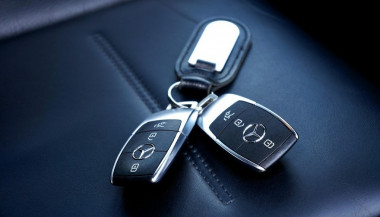
The smart key is the most advanced and convenient type of car key available today. It communicates with your vehicle wirelessly using radio frequency or low-energy Bluetooth. As long as the smart key is within range — often in your pocket or bag — the car will unlock automatically when you touch the handle, and start when you press the ignition button.

Unlike a key fob, there’s no need to press buttons or insert anything into the ignition. The system detects the key’s presence and grants access and engine start as needed.

Smart key features include:

Passive keyless entry (PKE)

Push-button start

Proximity detection

Fully hands-free operation

Often includes comfort access features like memory seating and climate control

However, smart keys also introduce new considerations. They rely entirely on battery power, so a dead battery can temporarily disable key functions. Because smart keys are always transmitting a signal, they are also vulnerable to relay attacks, in which thieves use signal amplifiers to trick the car into unlocking.

Key Comparison Table

To help clarify the differences between each type of key, here’s a side-by-side comparison:

FeatureTransponder KeyKey FobSmart Key
Physical key requiredYesSometimes (flip blade)No
Remote locking/unlockingNoYes (buttons)Yes (proximity-based)
Push-button startNoNoYes
Battery requiredNoYesYes
Security levelModerateHigh (with chip)High
Common years of use1995–20122000–present2015–present
Risk of relay attackNoneLow (in some cases)High (without signal shield)


Why It Matters: Practical Impacts for Drivers

Understanding what kind of car key you have can save you time, money, and stress in several situations:

1. Replacing Lost or Broken Keys

Smart keys can cost anywhere from $200–$600+ to replace and usually require dealership programming. Transponder keys are cheaper and often programmable by locksmiths.

2. Diagnosing Key Issues

If your car won’t start, it could be due to a dead battery in your fob or smart key. But if you have a transponder key, the issue might be with the chip or immobilizer system.

3. Security Awareness

Smart keys are vulnerable to digital theft via relay attacks. If you have one, consider using a Faraday pouch or signal-blocking case to protect your vehicle while parked.

Want to protect your key? Browse Mr Key's security accessories here.

4. Choosing Accessories

Batteries, protective covers, signal-blocking cases, and replacement parts vary depending on your key type. Buying the wrong product can lead to frustration or compatibility issues.

Know Your Key, Protect Your Car

Your car key is more than a tool — it’s an entry system, a security feature, and a communication device. Whether you’re carrying a traditional transponder key, a button-operated key fob, or a proximity-based smart key, knowing the difference is the first step toward better security, smarter repairs, and fewer surprises.

In a world where cars are smarter than ever, your key plays a more important role than most drivers realize. Take a moment to identify which type you have — and take steps to protect it.
Related Posts

How to Choose the Correct Key for Your Westfalia Towbar

How to Choose the Correct Key for Your Westfalia Towbar

Westfalia towbars are a common choice for many car owners due to their reliability and ease of use. However, because you may use your Westfalia towbar key sporadically throughout the year, it’s not uncommon to misplace it, often at the most inconvenient times—like when you're about to go on vacation. If you've lost your key , you might not know the number of the key you need to order a replacement. Fortunately, there is a way to determine this, depending on whether your towbar lock has a 3-digit or a 5-digit number. Step 1: Check the Number on Your Towbar Lock The first step is to inspect your towbar lock to see if it has a 3-digit or 5-digit number. Here’s what to do next: Sample picture of how 5-digits lock number looks like. If you have a 3-digit number: Unfortunately, the key code remains unknown based on this number alone. We can only manufacture a new key if you have at least one original key and can provide us with the W** or 2W** code from it. If you have a 5-digit number: You're in luck! You can easily determine the correct key code. The key code is based on the last two digits of the 5-digit lock number, prefixed with "2W". Step 2: Calculate Your Key Code If your towbar lock has a 5-digit number, simply ignore the first three digits and use the last two digits. Prepend "2W" to these digits to form the key code. For example, if the code on your lock is 33322 , then your key code is 2W22 . This code will be the number you provide when ordering a replacement key. Even if your 5-digit lock code starts with a different set of three digits, the method remains the same—ignore the first three and focus on the last two digits. For your convenience, we include our key code generator below. What to Do If You’ve Lost All Your Keys If you have lost all your keys and only have the 5-digit number on the lock, you can still determine the correct key using the method described above. Unfortunately, if your lock only has a 3-digit number, the specific key code cannot be determined based on the number alone. Remember, the key code is crucial for obtaining a replacement key. If the towbar was manufactured after 2008, the 5-digit code on the lock cylinder will allow you to identify the correct key. Simply use the last two digits and prefix them with "2W" to get the key code. If you're ever unsure, it's always a good idea to reach out to the manufacturer or a professional who can assist in identifying the correct key. Conclusion Choosing the correct key for your Westfalia towbar is straightforward if you know what to look for. By following these steps, you can quickly determine the correct key code and ensure you're never stuck without access to your towbar when you need it most. Be sure to keep your key code information safe, and consider having a spare key made to avoid future issues. Click Here To Order Your Westfalia Towbar Key >>

Why Keyless Entry Isn’t Always Secure — and How to Protect Yourself

Why Keyless Entry Isn’t Always Secure — and How to Protect Yourself

The Double-Edged Sword of Modern Convenience Keyless entry has become one of the most praised innovations in the modern car industry. It offers a seamless, futuristic experience: you walk up to your car, the doors unlock automatically, and with a simple press of a button, your engine comes to life. There’s no need to search for your keys, no fumbling in bad weather, and no risk of locking yourself out. The key fob quietly communicates with the vehicle, confirming your identity without effort. But this luxury comes at a price. The very feature designed to make your life easier can also make your car more vulnerable to theft. In the pursuit of comfort and automation, many drivers remain unaware that their vehicle’s passive entry system is constantly “awake,” listening for a signal. And that’s precisely where the risk begins. In recent years, keyless entry systems have become a target for high-tech criminals who have found ways to exploit their weaknesses — not by force, but by deception. The result is a quiet, nearly invisible form of car theft that is growing worldwide. How Keyless Entry Works — and What Makes It Vulnerable At the heart of a keyless system is a simple principle: wireless communication. Your key fob emits a short-range radio signal containing a unique encrypted code. When you approach your car, sensors in the doors detect the fob’s presence and automatically unlock the vehicle. The same signal is required for starting the engine, ensuring that only a registered fob can activate the car. This process is secure in theory. The codes are encrypted, randomized, and designed to prevent duplication. However, the signal itself — the presence of communication between fob and car — can be intercepted or manipulated , even if the data within is protected. Unlike traditional keys, which require physical insertion, keyless systems are built on proximity. That means if the car thinks your fob is nearby, it will unlock — regardless of whether it’s actually in your hand or being imitated by a thief’s device. The Relay Attack: Theft Without Force One of the most common techniques used by thieves today is known as a relay attack . This method doesn’t require physical access to your keys and leaves no signs of forced entry. It's efficient, quiet, and can be executed in under a minute. Here’s how it works: thieves use two signal-amplifying devices. The first person lurks near your home, office, or wherever your keys are stored — even if they’re just inside your front door. This device captures the fob’s signal and boosts it to a second thief standing next to your vehicle. The car receives the signal, interprets it as valid, and grants access. From there, starting the car is as simple as pushing the ignition button. What’s most alarming is that you might not even realize the theft has occurred until hours later. There are no broken windows, no alarms, and in many cases, no clues left behind. Other Threats Beyond Relay Attacks While relay theft has gained the most attention, it’s far from the only vulnerability of keyless systems. In some cases, criminals employ signal jamming devices to block the lock signal when you walk away from your car. You may think it’s locked because you pressed the button — but it never actually locked. Minutes later, your vehicle is stolen without ever being broken into. There’s also the risk of key cloning , though it’s less common and more technically complex. Skilled attackers may capture a signal and replicate it onto another device. Another rising threat is OBD port manipulation — once inside your car, a thief may access the On-Board Diagnostics system to program a new key, effectively giving them long-term control of your vehicle. These methods are all part of a growing trend: theft without damage. And that’s precisely what makes them dangerous — not only are they hard to detect, but they also make insurance claims more difficult to prove. Real-World Cases and Statistics Relay attacks and other forms of keyless car theft are no longer rare or experimental. In the UK, the RAC and other automotive security groups have reported that up to 50% of vehicle thefts in major cities involve keyless entry systems . Similar trends have been observed across Germany, France, and the United States, particularly in urban and suburban areas. Vehicles from luxury brands like Mercedes-Benz, BMW, Audi, and Land Rover are frequent targets, but mid-range models such as Ford, Toyota, Hyundai, and Volkswagen are not immune. Any car with passive entry and push-to-start functionality can be at risk. What Can You Do to Protect Yourself? Fortunately, you don’t need to give up the convenience of your keyless system to stay safe. What’s required is awareness and a few intentional habits that make your vehicle less vulnerable. The most effective defense — and one of the simplest — is to store your key fob in a Faraday pouch or signal-blocking box . These devices block the radio signal from leaving the pouch, rendering it invisible to signal amplifiers. They’re inexpensive, easy to use, and available from trusted automotive suppliers. Another smart habit is to avoid placing your keys near entry points in your home. Many people leave keys near doors or windows, unknowingly making them easier targets. Storing them in the center of your home or in a shielded container can significantly reduce exposure. If your vehicle allows it, consider disabling the passive unlock function in your car’s settings. While it removes some convenience, it also eliminates the risk of unauthorized proximity unlocking. Check your vehicle’s manual or consult your dealer for instructions. Physical deterrents like steering wheel locks are also surprisingly effective. While they may seem outdated, their visibility alone can discourage would-be thieves looking for a quick and quiet escape. Lastly, stay current with vehicle software updates . Manufacturers often release patches to improve security features, especially as vulnerabilities become known. Newer cars may receive updates over-the-air, while older models might require a visit to the dealer. Taking Responsibility in a Connected World As our vehicles become smarter and more connected, so do the methods used to compromise them. The truth is, technology alone won’t protect your car — not if it’s used passively and without thought. Keyless systems are not inherently flawed, but they require active ownership . Just as you lock your front door and set your home alarm at night, it’s important to consider how you store and manage your car keys. Simple choices — like using a signal-blocking pouch or changing where you leave your keys — can mean the difference between peace of mind and waking up to an empty driveway. Convenience Without Compromise Keyless entry is one of the most appreciated technological advancements in the automotive industry. It brings ease, speed, and comfort to daily driving — but it also demands greater responsibility. As theft methods evolve, the best defense is a combination of awareness, habit, and prevention . Invest in a signal-blocking case. Keep your fob away from open areas. Use visual deterrents. And know how your car’s system works — because in the end, your security doesn’t depend on a single feature, but on how you use it. You don’t have to choose between convenience and protection. With the right steps, you can have bo

KEY COVERS: WHAT DO YOU NEED TO KNOW?

KEY COVERS: WHAT DO YOU NEED TO KNOW?

What is a Key Cover? A key cover , often referred to as a key shell or key case, is the outer part of your key. It houses the electronic board, chip, and battery but excludes the internal electronics themselves. If your key casing is damaged, there’s no need to replace the entire key – just changing the key cover can restore its durability and usability while saving you money. When Do You Need a New Key Cover? You might need a key cover replacement when: The buttons on your key become worn out or stop responding. The outer case cracks, exposing the internal electronics. The key mechanism no longer functions smoothly. You want to refresh the appearance of your key with a new, sturdy shell. Instead of struggling with a faulty key, simply replace the cover and extend the lifespan of your original key! How to Choose the Right Key Cover? When selecting a replacement key cover, consider the following factors: Button Layout: Ensure that the number of buttons and their symbols match your existing key. Blade Shape: If your key includes an integrated blade, make sure the new shell accommodates it correctly. Quality: A good-quality key cover ensures a snug fit, smooth functionality, and long-lasting durability. At MR-KEY , we offer a variety of key covers designed to match your specific car model perfectly, providing both aesthetics and functionality. How to Change Your Key Cover? Replacing your key cover is simple and doesn’t require professional assistance. Here’s how: Purchase a compatible key cover from our website. Open your old key case carefully. Transfer the electronic board and chip from your original key to the new key cover . Reassemble the key, ensuring all components fit securely. Test the buttons and functions to confirm everything is working properly. For step-by-step guidance, we provide video tutorials on our website, showing you exactly how to change your key shell and even replace the battery if needed. What Else Can You Change When Replacing the Key Cover? While changing your key cover, it's the perfect time to: Replace non-functional click buttons on your key’s electronic board. Change the battery since you're already disassembling the key, ensuring it lasts longer. At MR-KEY , we strive to make key replacements easy, affordable, and accessible to everyone. Explore our website to find the perfect key cover, key cutting services, and useful video guides to help you maintain your car key like a pro!

The Complete Guide to Car Key Cutting: Everything You Need to Know

The Complete Guide to Car Key Cutting: Everything You Need to Know

Unlocking the Mysteries of Car Key Cutting Have you ever been in a situation where you needed a spare car key or had to replace a lost one? Car key cutting is an essential process for creating duplicate keys or replacements, but it’s often misunderstood. From traditional keys to modern transponder and smart keys, the art of key cutting has evolved dramatically with advancements in technology. This guide will walk you through the key cutting process, its types, and when professional help is required, helping you navigate the complexities of car key duplication with confidence. What Is Car Key Cutting? Car key cutting is the process of creating a new key that matches the physical shape and specifications of your vehicle’s locks and ignition. This process involves cutting the metal key blade to fit the car’s lock mechanism precisely. For modern cars, this may also include programming the electronic components of the key, such as transponder chips or remote controls. The method used for cutting a car key depends on the type of key and the car model. Traditional keys are simpler to cut, while transponder and smart keys require specialized tools and expertise. Types of Car Keys and Cutting Methods Traditional Keys These are the classic mechanical keys used in older vehicles. Cutting these keys involves duplicating the grooves and ridges of the original key using a key-cutting machine. Transponder Keys Found in most modern cars, transponder keys contain a microchip that communicates with the car’s computer. After cutting the blade, these keys must also be programmed to function. Smart Keys These advanced keys use wireless communication to interact with the car. They don’t require physical cutting but involve programming to sync with the vehicle. Each type of key requires a different approach and level of expertise, making it essential to know what kind of key you have before proceeding with duplication. The Key Cutting Process: Step by Step Identify the Key Type Determine whether you have a traditional, transponder, or smart key. This will dictate the tools and process needed for cutting and programming. Gather Required Information Provide the key cutter with details about your car, such as the make, model, and year. For some keys, a Vehicle Identification Number (VIN) may be required. Cutting the Key Blade For traditional and transponder keys, the blade is cut using a key duplicator or a laser key-cutting machine. Precision is crucial to ensure the key fits perfectly in the lock. Programming (if required) For transponder and smart keys, the key must be programmed to the car’s computer system. This step may require specialized equipment or professional expertise. When to Seek Professional Help While traditional keys can often be duplicated at local hardware stores, transponder and smart keys typically require specialized tools and knowledge. Professional locksmiths and dealerships are equipped to handle these advanced key types, ensuring proper cutting and programming. Reasons to choose a professional: Complexity: Smart and transponder keys require technical expertise. Accuracy: Professionals use precise equipment to ensure the key functions flawlessly. Programming Needs: Only trained specialists can program keys to sync with your vehicle. Cost of Car Key Cutting The cost of cutting a car key varies depending on the type of key and the service provider. Traditional keys are the most affordable, typically costing between $10 and $50. Transponder and smart keys, however, can range from $50 to $300 or more due to the additional programming required. Tips to save money: Have a spare key: This simplifies the duplication process and reduces costs. Compare prices: Contact multiple locksmiths or dealerships to find the best deal. Be Prepared for Every Key Emergency Car key cutting is a vital service for any car owner, whether you’re duplicating a spare key or replacing a lost one. Understanding the process and knowing when to seek professional help can save you time, money, and frustration. By staying informed and proactive, you can ensure that your vehicle remains accessible and secure, no matter what challenges arise.

Chat with us