Post Name

When it comes to replacing a car key, knowing your key code is essential. This code allows you to obtain a precise duplicate, ensuring that your new key fits seamlessly without any issues. Whether you've lost your key, broken it, or simply need a spare, understanding where to locate this code can make the replacement process faster and more affordable. In this guide, we’ll walk you through what a key code is, where to find it, and tips to ensure a smooth replacement process.

Why Is the Key Code Important?

A key code is more than just a number; it's a unique identifier that tells a key cutter exactly how to replicate your key. Without it, the process can be longer, more complicated, and potentially costly if the key doesn’t match your vehicle’s lock.

  • Ensures a Perfect Fit: The key code guarantees that your new key will be cut to match your original one precisely.
  • Saves Time and Money: With the correct code, you can avoid trial and error, reducing the risk of needing multiple key replacements.
  • Improves Security: Knowing the exact specifications of your key can prevent unauthorized duplicates.

Types of Key Codes

Key codes come in different types depending on the key and vehicle model. Here are the main types:

  • Direct Code: Often a 4 to 8-digit code, this code can be entered directly into a key-cutting machine for accurate replication.
  • Indirect Code: This type of code requires a conversion chart to find the direct key code. Though indirect codes aren’t as common, they may still appear on some older models.
  • Blind Code: Sometimes, the code may not be directly readable or is hidden in the key's design. These require decoding using a specialized tool or software.

Understanding which type of code you have can make the process smoother when you’re ready to replace your key.

Common Locations for Key Codes

Finding the key code isn’t always straightforward, but with a few tips, you can track it down more easily. Here are the most common places to check:

1. Vehicle Manual

Your vehicle’s manual often contains useful information, including the key code. It’s usually found in the section detailing the vehicle’s locking system. The manual may also provide guidance on other important security features, so it’s a great place to start.

Tip: If you can’t find it in the manual, try looking in the index under “keys” or “security.”

2. Key Fob or Key Itself

For some keys, the code is printed directly on the key or key fob. Look closely at the metal part of the key or the plastic casing for a small series of numbers. This code may be faint, so you may need a magnifying glass or good lighting.

Tip: Be cautious when handling the key to avoid damaging the code. A worn key can sometimes obscure the code, so check carefully.

3. Vehicle Registration and Documents

Some vehicle documents, especially those you receive when you first purchase the car, may include the key code. Check any paperwork related to the purchase, including sales documents, registration, and the car title.

Tip: Keep these documents safe as they contain essential information for ownership and replacement needs.

4. Original Key Packaging

If you have access to the original packaging of the key, such as a bag or box, the key code is sometimes printed there. This is especially common if the key came from a dealer or as part of a new car purchase.

Tip: Always save key packaging, as it can provide helpful information for future reference.

5. Contacting the Dealership

If you’re unable to locate the code yourself, you can reach out to the dealership where you purchased the vehicle. Dealerships often keep records of key codes, especially if the vehicle is still under warranty. Some may provide the code for free, while others might charge a fee.

Tip: Have your vehicle identification number (VIN) handy when contacting the dealership, as it can help verify your ownership.

Tips for Safe Key Code Storage

Once you have located your key code, it’s important to keep it safe to make future replacements easier. Here are some tips:

  • Store Digitally: Save the code in a secure document on your phone or computer. You can even use a password-protected note or cloud storage.
  • Keep a Physical Copy: Write down the code and store it with other important vehicle documents, like your insurance and registration.
  • Avoid Sharing the Code: Treat the key code like a password; only share it with trusted professionals when necessary for replacements.

What to Do if You Can’t Find the Code

If your search for the code has been unsuccessful, don’t worry—there are still options. Here’s what to do:

  • Contact a Professional: Some professionals can create a new key by decoding the lock without needing the original key code. This is particularly helpful if you’ve lost all copies of your key.
  • Request Assistance from the Manufacturer: In some cases, you can contact the vehicle’s manufacturer for support. They may ask for documentation proving ownership and might provide the code directly or guide you through the next steps.

Benefits of Knowing Your Key Code

Having the key code at your fingertips offers several advantages, whether you need a quick replacement or simply want peace of mind.

  • Saves Time in Emergencies: If you lose your key unexpectedly, having the code handy allows for faster replacements.
  • Lower Replacement Costs: With the exact code, key makers can avoid unnecessary recutting, saving you money.
  • Simplifies Multiple Key Requests: If you need multiple copies, the code makes it easy to obtain several accurate replacements without errors.

Locating and safely storing your key code can simplify the replacement process significantly. By knowing exactly where to look for the code and keeping it secure, you can avoid potential stress and save both time and money when the need for a replacement arises. Taking these steps now ensures that, should you ever need a new key, the process will be as smooth and efficient as possible.
Related Posts

The Secret to Smooth Locks: How (and Why) to Lubricate Your Locks Like a Pro

The Secret to Smooth Locks: How (and Why) to Lubricate Your Locks Like a Pro

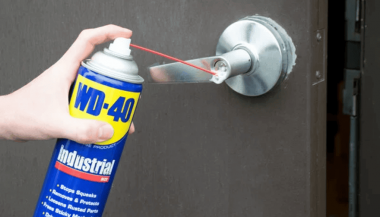
Regular lock maintenance is essential to prevent key jamming or lock failure. Proper lubrication reduces wear and tear, ensures smooth operation, and extends the lifespan of your locks. A well-lubricated lock decreases the risk of your key getting stuck or breaking inside the lock—an inconvenient and costly problem. At MR-KEY , we understand the importance of well-maintained locks and want to help you keep yours in top condition. How Often Should You Lubricate Your Locks? For most locks, lubricating them every three to six months is sufficient. However, locks exposed to extreme weather conditions—such as those on towbars, roof racks, or outdoor gates—require more frequent maintenance. Rain, dust, and freezing temperatures can cause internal components to stick, making it difficult to insert or turn the key. If you notice resistance when using a lock, it’s time for lubrication. What Lubricant Should You Use for Locks? Choosing the right lubricant is crucial for long-term lock performance. Here are the best options: • Teflon-based (PTFE) spray – Forms a protective film inside the lock, reducing friction and repelling dust buildup. • Dry silicone spray – Excellent for outdoor locks as it resists moisture without attracting dirt. • WD-40 Specialist Dry PTFE or White Lithium Grease – Unlike regular WD-40, these provide long-lasting lubrication and protection against corrosion. • Graphite powder – A great choice for older locks but should not be used if there’s oil residue inside the lock. While WD-40 Multi-Use is a quick fix for stuck locks, it is primarily a cleaner rather than a long-term lubricant. If used, follow up with a dry lubricant to prevent dirt accumulation inside the lock. How to Lubricate a Lock If your lock is functioning properly but feels slightly stiff, follow these steps: 1. Clean the Lock – Insert and remove the key a few times to dislodge debris, wiping it clean each time. 2. Apply the Lubricant – Insert the spray straw into the keyhole and apply two short bursts of lubricant. 3. Work the Lock – Insert and turn the key multiple times to distribute the lubricant inside. 4. Wipe Excess Lubricant – Remove any residue from the key and lock exterior to prevent dirt buildup. For graphite powder , follow the manufacturer’s specific instructions, as overapplication can lead to clumping inside the lock. Special Care for Towbar and Roof Rack Locks Locks on towbars and roof racks are exposed to harsher conditions than typical door locks. To keep them in good shape: • Regularly inspect them for stiffness or corrosion. • Apply dry silicone spray or PTFE lubricant for lasting protection. • If the lock is exposed to frequent moisture, white lithium grease offers superior water resistance. Lock It in: The Key to Long-Lasting Security Regular lock maintenance is a small effort that prevents big problems. By keeping your locks clean and properly lubricated—especially those exposed to the elements—you can avoid costly repairs and ensure they function smoothly for years. For high-quality lock maintenance products, visit MR-KEY and keep your locks in perfect working condition. A little maintenance goes a long way in ensuring security and peace of mind!

How to Remove or Change a Roof Rack Lock Barrel Easily

How to Remove or Change a Roof Rack Lock Barrel Easily

Changing or removing the lock barrel on your roof rack may seem like a daunting task, but it’s actually simpler than you might think. Whether you need a replacement due to a lost key, wear and tear, or just want to swap out an old lock for a new one, following the right steps can make the process hassle-free. This guide will walk you through everything you need to know about handling a roof rack lock barrel with ease. Why You Might Need to Change a Roof Rack Lock Barrel ? There are several reasons why you may want to replace or remove your roof rack lock barrel: Lost Key : If you've misplaced the key, replacing the lock barrel is often the most practical solution. Upgrading the Lock : Maybe you want a more secure lock for added peace of mind. Routine Maintenance : Over time, lock barrels can wear down, making it harder to insert or turn the key. Uniformity : If you've recently changed your car key, you may want to match your roof rack lock with it. Knowing why you’re changing the lock barrel will help you determine the steps you need to follow. What You’ll Need Before you start, gather these essential tools and items: Replacement Lock Barrel : Ensure it’s compatible with your roof rack model. Master Key or Removal Key : Often required to remove the old lock barrel. New Key : The key that corresponds to the replacement lock barrel. Flathead Screwdriver : To gently pry and release certain parts if needed. Step-by-Step Guide to Removing a Roof Rack Lock Barrel Removing a lock barrel from your roof rack doesn’t require extensive mechanical skills. Just follow these straightforward steps: 1. Locate the Lock Barrel The lock barrel is usually situated in the center or side of the roof rack. Look for the small lock with the keyhole, as this is where you'll be inserting the master or removal key. 2. Insert the Master Key or Removal Key If you have a master or removal key, insert it into the lock. This is often a universal key provided by the lock manufacturer specifically for removing lock barrels. Once it’s inserted, turn the key slightly to unlock the barrel. Tip: If you don’t have a removal key, contact a professional or see if you can order one specifically for your model. 3. Pull the Lock Barrel Out With the removal key still in place, gently pull the lock barrel out. If it’s resistant, try wiggling it slightly while pulling. Avoid forcing it, as this could damage the lock or roof rack. In some cases, you may need a flathead screwdriver to help pry it out, but be careful not to scratch the surrounding area. 4. Check the Casing After removing the lock barrel, inspect the casing where the barrel was installed. Make sure it’s clean and free of debris. Any dirt or rust could interfere with the new lock barrel, so it’s a good idea to clean this area before proceeding. Installing the New Lock Barrel Once the old barrel is removed, you’re ready to install the new one. Here’s how: 1. Align the New Lock Barrel Take your new lock barrel and align it with the casing where the old one was. Most barrels are designed to fit in only one direction, so make sure you align it properly to avoid jamming. 2. Insert the New Barrel Push the new lock barrel into the casing until it clicks into place. This might require a bit of pressure, but it should fit snugly without needing excessive force. 3. Test the New Key After installing the new lock barrel, insert the new key and turn it to ensure it’s working smoothly. The key should turn easily and lock securely. This step verifies that the new lock is properly aligned and functional. Common Challenges and Solutions While changing a roof rack lock barrel is generally straightforward, you might encounter some challenges. Here’s how to troubleshoot common issues: Stuck Barrel : If the old barrel is stuck, apply a lubricant like WD-40 around the lock to help loosen it. No Removal Key : If you don’t have a master or removal key, consider reaching out to a locksmith or checking if the manufacturer offers a replacement. Barrel Won’t Fit : Ensure you’ve purchased a compatible lock barrel. Even slight differences in design can prevent it from fitting properly. Tips for Maintaining Your Roof Rack Lock To keep your new lock barrel in good condition and prevent the need for frequent replacements, consider these maintenance tips: Regular Cleaning : Dirt and grime can accumulate inside the lock over time, making it harder to operate. Clean the lock regularly to prevent this. Use Lubricant : Apply a small amount of lubricant inside the lock barrel periodically to keep the key turning smoothly. Protect from Rust : If your roof rack is exposed to rain and humidity, use a protective cover or shield to keep moisture out of the lock barrel. Check Key Fit : Avoid using a damaged or bent key, as this can wear out the lock barrel more quickly. When to Seek Professional Help In some cases, removing or replacing a roof rack lock barrel might require assistance from a professional: Lost or Damaged Keys : If both your main key and master key are lost or damaged, a professional can help retrieve or replace the lock barrel. Damaged Lock Mechanism : If the lock itself is damaged or jammed, forcing it can make things worse. A professional locksmith can safely remove and replace it. Replacing or removing a roof rack lock barrel is an affordable and manageable task for most car owners. By following the right steps and keeping up with regular maintenance, you can ensure your roof rack lock stays functional and secure. Whether you’re upgrading for security or replacing a worn-out lock, a new lock barrel can make all the difference in keeping your roof rack safe. Effortless Key Replacement for a Variety of Locks Order 2x Union Keys FT Series, custom-cut to your original key code, for a hassle-free replacement. Compatible with a range of locks, including those from Aston Martin, Jaguar, Land Rover, and more, these keys are perfect for classic cars, caravans, petrol caps, roof racks, and truck canopies. Simply find your lock code (e.g., FT101-FT360) on the lock face and enjoy fast delivery of high-quality spare keys.

Top 10 Most Common Car Key Problems (And How to Fix Them)

Top 10 Most Common Car Key Problems (And How to Fix Them)

Car keys have changed dramatically in the last 20 years. What was once a simple mechanical tool has become an essential electronic device packed with functionality. From remote locking and trunk opening to push-start ignition systems and proximity sensors, today's car keys do a lot more than just turn in the ignition. However, this increased functionality also means more components that can fail—and when they do, the inconvenience can be frustrating or even immobilizing. For many drivers, key problems seem to come out of nowhere. A button stops working, the car doesn’t start, or a backup key won’t respond. Understanding the most common issues with modern car keys can help you avoid unnecessary trips to the dealership and identify quick fixes at home. Below, we’ll explore the ten most frequent car key problems, how to recognize the symptoms, and what steps to take to get your key working again—often without spending a fortune. 1. The Key Fob Has Stopped Responding One of the most common complaints drivers have is that their key fob simply stops responding. The remote may no longer lock or unlock the vehicle, the trunk button might stop working, or there may be no visible LED indicator when you press a button. In most cases, the culprit is a dead battery—something that’s inexpensive and easy to replace. Most key fobs use a CR2032 coin-cell battery, which can typically be changed with a small screwdriver or a plastic pry tool. If replacing the battery doesn’t bring the fob back to life, the issue may be with the internal electronics. Moisture, drops, and general wear over time can corrode or damage the tiny circuit board inside. In such cases, replacing the outer shell might not be enough—you may need to invest in a full replacement or transplant the electronics into a new case if only the buttons or housing are damaged. 2. The Car Doesn't Detect the Key Another increasingly common issue—especially in vehicles with push-to-start systems—is that the car doesn’t detect the key, even though it's inside the cabin or close to the sensor. You might see a warning on the dashboard such as “Key Not Detected” or “No Key Present.” This can happen due to a nearly dead battery in the fob, radio frequency interference from nearby electronics, or a fault in the key’s transponder chip. The first step is always to replace the key’s battery. If the issue persists, try holding the key closer to the start button or steering column—some vehicles have hidden backup sensors that detect the key at close range in emergencies. If none of that works, the problem could be with the chip inside the fob or the vehicle’s receiver, requiring diagnosis by a qualified locksmith or dealership technician. 3. The Key Turns in the Ignition, But Nothing Happens This issue is particularly frustrating: you insert your key into the ignition, it turns freely, but the car doesn’t respond at all. Often, this is a sign that the vehicle’s immobilizer system isn’t recognizing the key. Modern car keys contain a small RFID chip that communicates with the car’s anti-theft system. If this chip is damaged or unprogrammed, the vehicle will not start—no matter how well the mechanical part of the key works. Try using a spare key if you have one. If the backup works, you’ll know the issue lies within the primary key. If neither key works, the problem could be with the vehicle’s receiver, antenna ring, or immobilizer control unit. A professional diagnostic scan is typically needed to pinpoint the cause. 4. The Key Won’t Turn in the Door or Ignition If your key suddenly stops turning in the door or ignition cylinder, the cause may be as simple as wear and tear. Key blades—especially older ones—can become worn down over time, resulting in poor contact with the internal pins in the lock. Dirt, rust, or debris inside the lock can also prevent the key from turning, particularly if the vehicle hasn’t been manually unlocked in a while. First, try using a backup key. If it turns smoothly, your main key is likely worn. If both keys struggle, apply a non-residue contact cleaner or lock lubricant to clean out the cylinder. For long-term solutions, you may need to replace either the key blade or the ignition/door lock entirely. Don’t attempt to force the key, as this could cause the blade to bend or snap inside the lock. 5. The Buttons Feel Mushy or Stuck Physical wear is one of the most overlooked causes of key fob failure. Over time, the rubber buttons on your remote can wear down, become loose, or stop pressing properly. You might notice that only one or two buttons respond, or that they must be pressed harder than usual to work. In many cases, the outer shell has simply degraded, while the electronic board inside remains perfectly functional. The most effective fix is to replace the key shell. These replacement housings are inexpensive and widely available for most major vehicle brands. Simply open the fob, transfer the circuit board, battery, and buttons into the new shell, and your key will feel and function like new again—without any need for reprogramming. 6. Your Key Fob Got Wet Water and electronics rarely mix well, and key fobs are no exception. Whether your key was left out in the rain, fell into a puddle, or went through the washing machine, moisture can quickly short-circuit the internal components or lead to long-term corrosion. If your key gets wet, act fast. Remove the battery immediately and open the case to allow air circulation. Use desiccants such as silica gel packets to dry out the internal parts—avoid using rice, which is far less effective. If corrosion is visible, gently clean it with isopropyl alcohol and a cotton swab. If the key still doesn’t work after drying, the damage may be permanent and require replacement. 7. The Key Shell Is Cracked or Broken Keys endure daily use, pocket pressure, accidental drops, and exposure to the elements. Over time, the plastic casing of the fob can crack, split, or completely fall apart, leaving internal electronics vulnerable. Although a broken shell doesn’t necessarily mean the key is non-functional, it can make usage difficult and risky. Thankfully, key shell replacements are an easy and budget-friendly solution. You can often reuse all your original components, including the battery, buttons, and transponder chip. Replacing just the shell avoids costly reprogramming and restores your key’s durability and appearance. 8. The Key Still Doesn’t Work After Replacing the Battery Replacing a fob battery is supposed to solve the problem—but sometimes it doesn’t. If your remote remains unresponsive after a battery change, you may have installed the wrong type of battery, inserted it incorrectly, or failed to clean the contact points inside the fob. In some cases, the circuit board itself may be damaged or shorted out. Double-check that the battery type matches the original (commonly CR2032). Ensure it’s properly seated and that the metal contact tabs are clean and secure. If the problem continues, the issue likely lies with the circuit board, and the fob may need to be replaced entirely. 9. You’ve Lost Your Only Key Few things are more stressful than losing your only car key—especially if you don’t have a spare. Most modern vehicles require the key to be electronically paired with the car, so simply cutting a new blade isn’t enough. You’ll need your Vehicle Identification Number (VIN), proof of ownership, and a visit to either a dealership or a certified locksmith. Some aftermarket services can offer replacement keys that are compatible with your vehicle at a lower price than the dealership. Once the new key is cut and programmed, be sure to create and safely store a backup key to avoid being locked out in the future. 10. The Spare Key Doesn’t Work Anymore Spare keys are often kept in drawers or glove compartments for years without use. When finally needed, many drivers are surprised to find that the backup key doesn’t work. Batteries may have died, circuit boards may have degraded, or the key may have fallen out of sync with the vehicle. Start by replacing the battery. If that doesn’t work, the spare may need to be reprogrammed to the car. Keeping your spare key in a safe, climate-controlled environment and testing it occasionally is the best way to ensure it's ready when needed. Car key problems can range from mildly inconvenient to seriously disruptive—but the majority are entirely fixable, often at home and at minimal cost. Understanding the common causes behind these issues allows you to respond quickly, avoid dealership prices, and extend the life of your keys. At mr-key.com , you’ll find a wide selection of replacement key shells , batteries , blades , and complete electronic keys compatible with dozens of vehicle brands. With proper care and the right tools, you can keep your key in excellent condition and avoid ever being stranded due to a faulty fob.

Why Every Caravan Owner Needs a Spare Key Before Traveling

Why Every Caravan Owner Needs a Spare Key Before Traveling

Before every caravan trip, owners plan routes, book campsites, check electrics and pack supplies. Yet one small detail is often forgotten until it’s too late — the spare caravan key. Losing access to your caravan while traveling can instantly turn a holiday into a stressful, expensive problem. Being locked out of your own caravan or motorhome is more common than most people think, and it usually happens far from home. A spare key is not an accessory. It’s insurance. The real risk of traveling with only one caravan key Caravan keys are easy to lose. They fall out of pockets while setting up awnings. They get misplaced during campsite check-ins. They’re locked inside caravans more often than most owners admit. Unlike car keys, caravan keys are rarely duplicated by default. Many owners travel with a single original key that may already be years old. If that key breaks, bends, or disappears, access to the caravan stops instantly. No entry. No access to personal belongings. No overnight stay. In some cases, insurance claims are delayed because forced entry damages locks or doors. Why a spare caravan key is no longer optional Modern caravan travel is more international than ever. Owners regularly cross borders, take ferries, and stay in remote locations where help is limited. A spare caravan key gives you: • Immediate access if the original is lost • Freedom to leave one key with a travel partner • Security if a lock mechanism fails • Peace of mind when moving between countries Many experienced caravan owners now carry two spare keys , not one — one kept in the tow vehicle, another stored securely. The cost of producing a spare key before traveling is minimal compared to emergency lockouts abroad. Why caravan key replacement is difficult on the road Caravan keys are not universal. Most campsites and local locksmiths do not stock caravan-specific blanks. Unlike house keys, caravan keys are often brand-specific and cut to manufacturer profiles. Finding a replacement locally can be slow or impossible. Common problems include: • Locksmiths refusing caravan keys • Incorrect blanks being used • Locks damaged by forced opening • Waiting days for parts This is why caravan key replacement should never be left until after a key is lost — especially while traveling. Different caravan keys require different solutions Not all caravan keys are the same. We at MR-KEY offer a large variety of caravan and motorhome keys, including many popular and hard-to-find models used across Europe. Some of the keys caravan owners commonly need include: • ZADI caravan and motorhome keys • Eurolocks caravan keys • Union and Yale caravan door keys • HUWIL and HUF caravan keys • DOM caravan and utility locks • Weco and Abus caravan keys Each manufacturer uses different key profiles, depths, and tolerances. A correct match matters. Having a properly cut spare key — not a generic copy — ensures smooth operation and avoids lock wear. Replacement key delivery vs local locksmiths When keys are lost during a trip, caravan owners usually face two options: Option 1: Local locksmith This rarely works well for caravan keys. Most locksmiths focus on domestic locks and vehicles. Caravan keys require the correct blank and accurate cutting. In many regions, locksmiths simply don’t stock caravan blanks at all. Option 2: Replacement key delivery A specialist service that offers replacement key delivery can often deliver the correct spare key directly to your campsite, hotel, or ferry terminal. This approach: • Avoids damaging the lock • Uses the correct key profile • Works even when abroad • Saves time and stress Pre-travel preparation makes replacement faster if something goes wrong. What to do immediately if you lose your caravan keys If your caravan or motorhome keys are lost during a trip, time matters. Your first step is to assess whether access is possible without forcing the lock. Forced entry often causes expensive damage and may invalidate insurance claims. If you’re unsure how to proceed, read this in-depth guide on what to do if you lose your caravan, motorhome, or camper keys . It explains safe options, next steps, and how to avoid costly mistakes. Knowing what not to do is just as important as knowing what to do. The hidden costs of not having a spare key Many caravan owners assume key loss is rare. Insurance providers see it differently. Emergency call-outs, replacement locks, accommodation changes, and trip delays quickly add up. In some cases, caravan doors or lockers are permanently damaged due to incorrect entry attempts. A spare key prevents most of these scenarios entirely. According to caravan safety organisations and consumer travel reports, lockouts are among the most common non-mechanical travel disruptions for leisure vehicles. For broader caravan travel safety guidance, reliable resources include: • The Camping and Caravanning Club (UK) • The NCC (National Caravan Council) These organisations consistently recommend preparing spare access solutions before travel. FAQ's How many spare caravan keys should I carry? At least one spare is essential. Two spares are recommended for longer or international trips. Can caravan keys be copied from photos? In some cases yes, but accuracy depends on the key type. For best results, providing the key number or lock code is safer. Are caravan door keys different from locker keys? Yes. Caravan exterior doors, storage lockers, toilet hatches and gas compartments often use different locks and keys. Is caravan key replacement expensive? No. Preparing a spare key in advance is inexpensive compared to emergency lock replacement abroad. Can replacement keys be delivered while traveling? Yes. With specialist services offering replacement key delivery, keys can be shipped to many locations across Europe. Don’t leave without a spare Every serious caravan trip deserves proper preparation. A spare caravan key is one of the smallest items you can pack — and one of the most valuable when something goes wrong. If you’re preparing for your next journey, make sure you’re covered. Visit mr-key.com and secure the right spare key before you travel. Related guides What to Do If You Lose Your Caravan, Motorhome or Camper Keys?

Chat with us