Post Name

Locked Out? Here’s What to Do Next

Imagine this: you’re rushing to an important meeting or trying to get your kids to school, only to discover you’ve lost your car keys or locked them inside your vehicle. Panic sets in, and the inconvenience seems insurmountable. Losing or damaging your car keys is a frustrating, but surprisingly common problem. Luckily, car key replacement services are more advanced and accessible than ever. But where do you start? From understanding key types to navigating costs and services, this guide breaks down everything you need to know about car key replacement.

Understanding Car Key Types: The First Step to Replacement

Before diving into the replacement process, it’s essential to identify the type of car key you have. The complexity of your key determines the cost and the effort required for replacement.

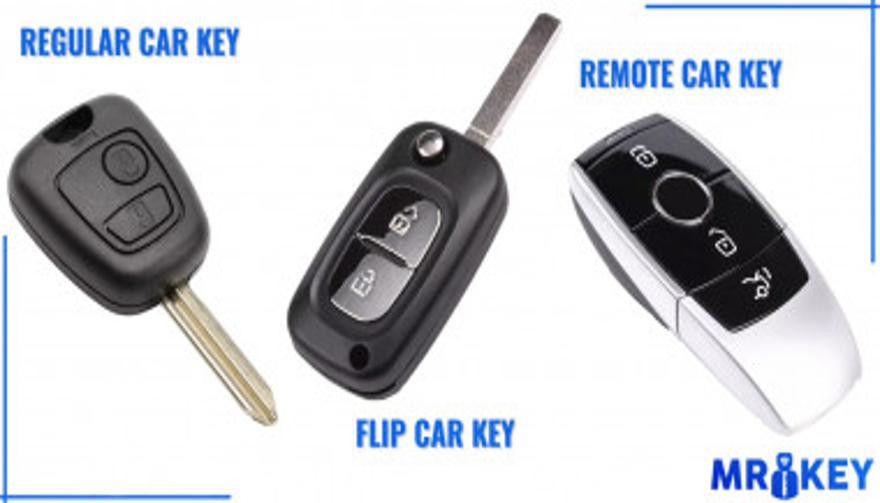
Traditional Mechanical Keys

  • The simplest and most common in older vehicles.
  • Easily duplicated at hardware stores or locksmiths.

Transponder Keys

  • Equipped with a microchip that communicates with the car’s ignition system.
  • Offers enhanced security, as the car won’t start without the correct chip signal.

Remote Key Fobs

  • Allows remote locking, unlocking, and other functions like opening the trunk.
  • Replacing a lost or damaged fob can be more expensive due to programming needs.

Smart Keys

  • Found in modern luxury cars, these keys provide keyless entry and start.
  • Operate via proximity sensors, making them highly convenient but costly to replace.

Each key type requires a different replacement approach, so understanding your key’s functionality is crucial.

The Replacement Process: What to Expect

Replacing a car key can range from a quick, inexpensive fix to a more involved process requiring specialized tools and expertise. Here's a step-by-step overview of what to expect:

Determine Your Replacement Options

  • Authorized Dealership: Best for complex keys, but often the most expensive option.
  • Local Locksmith: Typically faster and more affordable for mechanical keys and some transponders.
  • Online Services: Websites offering key duplication or fob replacements can be convenient, though programming may still require a locksmith.

Gather Essential Information

  • Vehicle identification number (VIN) and proof of ownership.
  • Details about the key type and car make and model.

Programming and Testing

  • Keys with transponders or fobs often require programming to match your car’s system.
  • A professional locksmith or dealership will ensure the new key functions seamlessly.

Costs: How Much Should You Expect to Pay?

The cost of car key replacement varies significantly based on the key type, service provider, and your location. Here’s a general breakdown:

  • Mechanical Keys: $10–$50 for duplication.
  • Transponder Keys: $75–$200, including programming.
  • Remote Key Fobs: $150–$400, depending on the car make and model.
  • Smart Keys: $250–$600, with luxury models at the higher end.

Factors affecting cost include the car's age, whether you need key programming, and the urgency of the service. Always compare prices across locksmiths, dealerships, and online providers for the best deal.

A Global Perspective: Trends and Innovations in Car Key Replacement

Car key replacement practices vary worldwide, influenced by technology, availability of services, and local regulations.

  • United States and Europe: Locksmiths and dealerships dominate the market, with online platforms gaining traction for basic duplications.
  • Asia: With the rise of smart keys in markets like Japan and South Korea, dealerships often handle replacements due to proprietary technology.
  • Emerging Markets: Mechanical keys are still prevalent, and costs are generally lower, though advanced key systems are increasingly common.

Global trends indicate a shift toward digital and biometric key systems, with smartphone-based replacements and app-controlled access gaining popularity. However, these advancements also raise concerns about cybersecurity and hacking.

Tips to Avoid Future Key Emergencies

While no one can predict when a key might be lost or damaged, a few preventative measures can save you from headaches down the road:

  • Invest in a Spare Key: Having a duplicate ready can save time and money.
  • Use a Key Finder Device: Attach a Bluetooth tracker to your keyring to locate lost keys easily.
  • Protect Smart Keys: Store them in a signal-blocking pouch to prevent relay attacks.

Plan Ahead and Stay Prepared

Car key replacement might seem daunting, but with the right knowledge and preparation, it’s a manageable process. Understanding your key type, exploring your replacement options, and taking preventative steps can save you time and money.

If you’re facing a key emergency, start by identifying your options and gathering the necessary information. And for the future, consider investing in a spare or upgrading to a more secure system.

Losing your car keys may be inconvenient, but it doesn’t have to derail your plans. With modern solutions and a little foresight, you’ll be back on the road in no time.

Related Posts

Lost Your Roof Rack Key? Here's Exactly What to Do

Lost Your Roof Rack Key? Here's Exactly What to Do

Losing a roof rack key is more common than manufacturers like to admit. The good news: it's almost always solvable — quickly, cheaply, and without a locksmith. Here's the exact sequence to follow, from the moment you realise the key is gone. Step 1: Don't Panic — and Don't Force It The first instinct is to try to open the lock anyway. Don't. Forcing a barrel lock with the wrong tool damages the cylinder, strips the keyway, and turns a simple €8 key replacement into a €40 lock cylinder replacement. Leave the lock alone until you have the right key or professional help. Step 2: Check for the Key Code Before you do anything else, find your key code. This is the number stamped on your lock barrel, printed on your original key card, or listed in your rack documentation. Where to look: The lock face — look at the front of any lock point on your rack. The code is usually stamped directly on the metal Your original key — if you have one remaining key, the code is often stamped on the bow (the flat grip section) Paperwork — the key card or code card that came with your rack at purchase Registration confirmation — if you registered your rack online with Thule, Yakima, or Mont Blanc, the code may be on your account Found the code? You're done with the hard part. Jump to Step 5. No code visible? Continue to Step 3. Step 3: Photograph the Lock Take a clear, close-up photograph of the lock face in good light. This photo can do two things: Help a specialist identify your key — experienced suppliers can often determine the correct key from the keyway profile and any partial stamping visible in a photo Help a locksmith decode the lock — a physical locksmith can sometimes read the code from the lock face or decode it by impression Send the photo to a specialist before assuming you're stuck. Step 4: Identify Your Brand and Model If the code is genuinely unreadable, your brand and rack model narrows down the options considerably. Thule — uses N-series codes (N001–N200+), stamped on the lock barrel. If you know your N-code, the key is in stock. Yakima — uses SKS (Same Key System) codes, typically found on the lock core. Common range: SKS-101 to SKS-132+. Mont Blanc — numeric code system, on a sticker inside the lock or on the original key card. GIVI — code found on the product label or lock face. Other brands — most use ISO-standard barrel formats with numeric codes. Once you have brand + model, a specialist supplier can suggest the most likely code ranges for your rack generation and help you narrow it down. Step 5: Order the Replacement Key With your code confirmed, ordering is straightforward. What you need to provide: Brand (Thule, Yakima, Mont Blanc, GIVI, other) Exact key code (e.g. N121, SKS-115) Quantity — we recommend ordering two: one replacement and one spare From mr-key.com, keys ship to most European destinations within 2–5 business days . No locksmith. No dealer visit. No full rack replacement. Step 6: What If You Still Can't Unlock the Rack? If you have cargo on the rack that you need to remove urgently — bikes, a roof box, ski equipment — and you cannot wait for a replacement key, you have limited but real options. Option A: Call a locksmith A locksmith experienced with barrel locks can open your rack lock without damage and, in many cases, cut you a working key on the spot. This costs €50–€120 depending on location and time of day. Option B: Contact your rack manufacturer Thule and Yakima both have customer service lines. With proof of purchase or registered ownership, they may be able to supply a replacement key or lock service. Option C: Remove the lock cylinder On some rack models, the lock cylinder can be removed from the outside with the rack foot or arm partially dismantled. This requires mechanical confidence and the correct tools — consult your rack's installation manual first. Once the cylinder is out, a locksmith can decode it or you can replace it entirely. Roof Rack After the Crisis: What to Do Next Once you have access and a replacement key in hand, take 10 minutes to prevent this from happening again. Photograph your key code. Take a photo of the code stamped on your lock face. Store it in cloud storage or email it to yourself with the subject line "roof rack key code — [your rack brand]." Buy a spare key. It costs less than €10. Keep it somewhere separate from your main keyring — a drawer at home, your work locker, your other car. Register your rack. Thule and Yakima both offer product registration. Registering links your key code to your account, making future replacements instant. Label your key. If you have multiple sets of keys — car, house, garage, rack — label your rack key clearly so it's never confused and never left behind. Roof Rack Key Replacement: Brand-by-Brand Quick Reference Brand Where to Find Code Key Format Notes Thule Stamped on lock face N001–N200+ One-Key System: one code for all locks Yakima On lock core SKS-101–SKS-132+ Same Key System: one code for all locks Mont Blanc Inside lock or key card Numeric Sticker sometimes fades — check paperwork GIVI Product label or lock face Numeric Primarily motorcycle/touring racks Kamei / G3 / Farad Lock face or documentation Varies Contact supplier with photo if unsure FAQ Q: I lost both keys — can I still get a replacement? A: Yes. The key code is stamped on the lock itself, not on the key. As long as you can read the code on the lock face, you can order a replacement. If the code is unreadable, send a photo to a specialist supplier. Q: My rack is second-hand and came with no keys — what are my options? A: Check the lock face for a stamped code. If none is visible, a locksmith can decode the lock. Alternatively, order a replacement lock cylinder for your rack model — it will arrive with new keys and a new code. Q: How long will a locksmith take to open a roof rack lock? A: Most experienced locksmiths can open a barrel-style rack lock in under 10 minutes. The challenge is finding one who works on non-automotive locks — call ahead and confirm. Q: Can I drill out a roof rack lock myself? A: Technically yes, but this destroys the lock cylinder and leaves your rack unsecurable until you replace the full lock assembly. Only consider this if the cargo is time-critical and a locksmith is not available. Q: Will my insurance cover a lost roof rack key? A: Home contents or vehicle insurance sometimes covers key replacement, including accessories like rack locks. Check your policy — the cost of a specialist supplier is low, but it's worth reclaiming if covered. Q: I found a spare key in my car — how do I know if it's the right one? A: Try it carefully and gently. If it inserts smoothly and turns without force, it's the correct key. If it doesn't insert fully or requires force, stop — it's the wrong profile and forcing it risks damaging the cylinder. Q: Can I order a replacement key for an old rack that's no longer sold? A: In most cases yes. Key codes from established brands like Thule and Yakima remain in production for decades. Discontinued rack models still use the same N-series or SKS key codes. Get Your Replacement Key (Fast EU Shipping – Same-Day Dispatch) You know the code. You know the process. Don't leave it until the next trip. Visit mr-key.com to order your replacement roof rack key by brand and code. We ship to Germany, France, Italy, Greece, Netherlands, Romania, Spain, the UK, and across Europe — with tracking on every order. → Order Your Roof Rack Key at mr-key.com Also read: The Complete Guide to Roof Rack Replacement Keys | Thule Roof Rack Key Replacement: How to Find Your Code and Order the Right Key

5 Fascinating Facts About Audi That Every Car Enthusiast Should Know

5 Fascinating Facts About Audi That Every Car Enthusiast Should Know

Audi is a brand that’s deeply ingrained in the world of luxury cars, known for its sleek designs, innovative technology, and unbeatable performance. Whether you're a die-hard car enthusiast or someone who just appreciates good engineering, there's more to Audi than meets the eye. Let's dive into five fascinating facts about Audi that might surprise you and give you an even deeper appreciation for this iconic brand. 1. The Meaning Behind Audi’s Four Rings: More Than Just a Logo When you think of Audi, the first thing that likely comes to mind is its distinctive four-ring logo. But did you know that each of those rings has a special meaning? The rings symbolize the four founding companies of Auto Union: Audi, DKW, Horch, and Wanderer. Back in 1932, these four automakers joined forces to create Auto Union, and each company contributed its own expertise to form what would eventually evolve into Audi. Those four rings serve as a reminder of the brand’s rich history and the combined heritage of those founding companies. So, the next time you see the iconic logo, you'll know there's a story behind it, representing decades of innovation and collaboration. 2. Audi’s Groundbreaking Win at Le Mans: Changing the Game With Diesel Power Audi has a long history of dominating motorsports, but its victory at the 2006 24 Hours of Le Mans was nothing short of revolutionary. Why? Because Audi became the first manufacturer to win the prestigious race with a diesel engine. The Audi R10 TDI wasn’t just fast—it was efficient, too. Diesel engines are known for their fuel efficiency, and Audi capitalized on this advantage, allowing the R10 to spend less time refueling and more time on the track. This win not only cemented Audi's status as a force in motorsport but also challenged the perception that diesel engines were only about fuel economy, not performance. For Audi, this victory was more than just a win; it was a statement about their commitment to innovation and pushing the boundaries of what’s possible in automotive technology. 3. What’s in a Name? The Surprising Latin Origin of ‘Audi’ Here’s a fun fact that even some Audi fans might not know: the name “Audi” has its roots in Latin. The brand’s founder, August Horch, initially used his own surname for his company. However, after a legal dispute forced him to change the name, he decided to get creative. “Horch” means “listen” in German, and August decided to translate this into Latin, which gave him the word “Audi.” The name stuck, and today Audi is synonymous with cutting-edge automotive engineering. It’s a subtle nod to the brand’s history while still looking forward to the future, a balance Audi has always managed to strike perfectly. 4. Audi’s Quattro All-Wheel Drive: Revolutionizing Rally Racing and Beyond When it comes to Audi’s technology, one word stands out: Quattro. Audi revolutionized the automotive world in the 1980s with its Quattro all-wheel-drive system. Originally developed for rally racing, Quattro provided exceptional traction and handling, especially on difficult terrains like gravel and snow. Audi introduced the Quattro system into rally racing, and it wasn’t long before they started winning championship titles. This technology was so successful that it didn’t just stay on the racetrack; it made its way into Audi’s consumer cars, where it continues to be a major selling point. Today, Quattro is still considered one of the best all-wheel-drive systems on the market, offering you a smoother, more controlled ride no matter the road conditions. For those who love the thrill of driving in all conditions, Quattro offers a unique driving experience that’s hard to beat. 5. The Audi A8: A Pioneer in Lightweight Design Audi is known for pushing the envelope when it comes to design, and the Audi A8 is a perfect example of this innovation. Launched in the 1990s, the A8 was one of the first cars to feature an all-aluminum body. Why is that important? An aluminum body is significantly lighter than traditional steel, which not only improves fuel efficiency but also enhances the car’s handling and performance. Aluminum may be lightweight, but it's incredibly strong, offering superior protection without sacrificing speed or agility. By reducing weight and increasing strength, Audi set a new standard for luxury sedans, one that many automakers have since tried to emulate. If you’ve ever had the pleasure of driving an A8, you know exactly what we’re talking about—lightweight design, power, and luxury all rolled into one. Audi’s Legacy of Innovation As you can see, Audi is much more than just a luxury car brand. From its humble beginnings as part of Auto Union to its groundbreaking Quattro technology and diesel-powered victories, Audi has continually set new standards in the automotive world. Whether it’s the iconic four rings that represent decades of collaboration or the cutting-edge engineering that defines every Audi model, this brand continues to inspire and innovate. Next time you see an Audi, you’ll know it’s not just another car—it’s a symbol of innovation, performance, and a commitment to excellence that has stood the test of time. If you’re an Audi owner or simply an admirer of fine automotive craftsmanship, these five fascinating facts give you even more reason to appreciate this iconic brand. So, what’s your favorite Audi innovation? Let us know!

How to Spot a Car Key Cloning Scam: Warning Signs and Prevention Tips

How to Spot a Car Key Cloning Scam: Warning Signs and Prevention Tips

How to Spot a Car Key Cloning Scam: Warning Signs and Prevention Tips Car theft doesn’t always involve smashing windows or forced ignition anymore. These days, all it might take is a thief standing a few feet away from you — equipped with a small electronic device and a plan to clone your car key without ever touching it. Welcome to the age of car key cloning . Fast, silent, and nearly untraceable, this high-tech method of theft is on the rise, and many drivers don’t even know it exists. In this article, we’ll walk you through how it works, what red flags to watch for, and how to protect yourself from becoming the next victim. What Is Car Key Cloning and How Does It Work? Car key cloning is the process of copying the signal emitted by your key fob and using that signal to unlock and even start your car. Thieves use tools like signal amplifiers, cloning software, or plug-in programming devices to mimic the electronic code stored in your key. In most cases, they don’t even need to touch your key. They just need to be close enough — in a parking lot, next to your front door, or even in a restaurant — to intercept the signal when you lock or unlock your car. That signal is then copied and stored on another device or blank key fob. In some instances, criminals will break into your car and access the OBD port (the vehicle’s diagnostic system) to directly program a new key. This means they can drive off in your car with a cloned key, and you may not even know how they got in. Why This Scam Is Spreading So Quickly Key cloning was once limited to high-end criminal operations, but now the tools are cheap, easy to find , and widely available online. Some fob cloning devices are openly sold on marketplaces, making it simple for even low-level criminals to learn the trade. A cloned key leaves no trace of forced entry, no damage, and often no evidence — making it harder for insurance claims to be validated and for stolen cars to be recovered. The rise in keyless entry systems means millions of drivers are potential targets, whether they realize it or not. According to The Sun, cloning devices sold online can program new keys in under 30 minutes. 5 Warning Signs You May Be Targeted Strange behavior from your key fob – If the range suddenly becomes shorter or the buttons stop responding consistently, your signal may have been intercepted. Unfamiliar devices or people near your car – Be cautious if you see people lingering nearby with phone-like devices or bags near your car. Your car unlocks by itself – This could mean someone nearby is mimicking your key’s signal. You find marks or loose panels near the OBD port – Some thieves break in to plug in programming devices. You lose access to your spare key – It’s possible a third key was added to your system, locking the others out. How to Prevent Car Key Cloning While key cloning can be hard to detect, it's relatively easy to prevent if you're proactive. Here’s how to stay protected: Use a Faraday pouch : These small, signal-blocking cases prevent your key’s signal from being intercepted when not in use. Don’t store keys near doors or windows : Keep your keys at least 5–10 meters from exterior walls. Disable keyless entry if possible : Some vehicles allow you to turn off proximity unlocking in the settings. Invest in physical security : Steering wheel locks, OBD port locks, and even wheel clamps act as strong deterrents. Audit your key system : A locksmith can check how many keys are programmed to your vehicle and delete unauthorized ones. If you're ever in doubt, replace your key and reprogram your system. It may cost a bit up front, but it's cheaper than replacing a stolen car. Need a secure replacement key or a Faraday pouch? Browse our car key and accessories collection for trusted, secure options. Know the Risk, Beat the Scam Car key cloning scams are evolving — and fast. The combination of wireless technology, smart cars, and openly available tools has created the perfect storm for high-tech theft. But with a little awareness and some simple precautions, you can stay one step ahead. Don’t wait until it happens to you. Know the signs, protect your keys, and take action now — because in a world of silent theft, what you don’t see can hurt you .

Top 10 Fascinating Facts About BMW: Engineering Precision, Motorsport DNA, and Driving Pleasure

Top 10 Fascinating Facts About BMW: Engineering Precision, Motorsport DNA, and Driving Pleasure

BMW stands for precision engineering and pure driving pleasure. Founded in 1916 in Bavaria, BMW began as an aircraft engine manufacturer before reshaping the automotive world. Its guiding philosophy, “Aus Freude am Fahren” (Sheer Driving Pleasure), has defined the brand for decades. Today, BMW builds everything from electric city cars to high-performance M models. What connects them all is balance, control, and a driver-first mindset. These BMW facts reveal how the brand earned its reputation. 1. Munich’s Four-Cylinder Headquarters BMW’s headquarters in Munich is instantly recognizable. The building, completed in 1972, resembles four vertical engine cylinders joined together. BMW’s headquarters in Munich is instantly recognizable. The building, completed in 1972, resembles four vertical engine cylinders joined together. 2. Logical Model Names Since 1972 BMW’s naming system is deliberately simple. Introduced with the first 5 Series in 1972, the three-digit structure tells you exactly where a model sits in the lineup. The first number shows the series. The remaining digits traditionally indicated engine size. Letters like i , d , and x were later added to explain fuel type or drivetrain. BMW drivers can often decode a car before even opening the door. 3. The Only BMW With a Real Name Almost every BMW uses numbers—except one. The BMW Isetta remains the brand’s only mass-produced car with a proper name. Licensed from Italian manufacturer ISO in the 1950s, the Isetta featured a single front-opening door and ultra-compact dimensions. It helped BMW survive financially after the war and became a design icon in Europe. 4. Motorsport DNA: The Birth of BMW M BMW’s M division was created in 1972 to support racing programs. Its purpose was simple: win races and transfer that knowledge to road cars. BMW M cars quickly became benchmarks for performance sedans and coupes. The connection runs deep—BMW even powered a Formula 1 championship-winning car in 1983. Motorsport is not branding for BMW; it’s engineering validation. 5. Safety Innovations Ahead of Their Time In 1972, BMW revealed the Turbo concept car. It introduced ideas that would later become industry standards. Crumple zones, energy-absorbing steering columns, and even early collision-warning concepts were present. Decades before modern driver-assist systems, BMW was already testing how to protect drivers without compromising performance. 6. Hydrogen Engines in the 1970s BMW experimented with hydrogen power long before electrification became mainstream. In 1979, BMW tested a hydrogen-powered 5 Series sedan. The car looked ordinary but ran on modified combustion technology. This early project showed BMW’s willingness to explore alternative energy paths well ahead of regulations or market demand. 7. Project i and the Electric Breakthrough BMW’s modern electric strategy began in 2007 with Project i. The initiative was designed to rethink mobility from scratch. The result was the BMW i3, launched in 2013. It combined carbon-fiber construction, electric drive, and sustainable materials. Project i shaped BMW’s current EV lineup and proved electric cars could still deliver driving pleasure. 8. Limited-Run BMW Special Models BMW frequently builds rare, limited-production vehicles to showcase design and engineering freedom. Models like the modern 3.0 CSL tribute or special M editions celebrate milestones and motorsport heritage. These cars often sell out instantly, reinforcing BMW’s reputation for exclusivity and craftsmanship. 9. Precision Manufacturing With BMW iFACTORY BMW applies the same precision to manufacturing as it does to driving dynamics. The BMW iFACTORY concept integrates AI, robotics, and digital twins into production. Quality control is automated and continuously monitored. The result is consistent build quality across plants in Europe and beyond—something BMW drivers notice long after purchase. 10. Steering-Wheel Controls Before Anyone Else BMW introduced steering-wheel-mounted controls in the early 1990s. Inspired by Formula 1, the goal was simple: keep the driver’s hands on the wheel. Functions like audio and cruise control became easier to manage. Today this feature is universal, but BMW was among the first to make it standard in luxury cars. FAQ What does BMW stand for? BMW means Bayerische Motoren Werke (Bavarian Motor Works). The company was founded in Munich in 1916 and originally produced aircraft engines. Why do BMW drivers value the brand so highly? Balance, rear-wheel-drive heritage, motorsport DNA, and consistent engineering philosophy all contribute to BMW’s loyal following. What should you do if you lose your BMW key? BMW keys are coded and must match the vehicle’s security system. Owners usually replace them through dealers, but specialist suppliers can also provide compatible keys and cases . Platforms like MR-KEY help BMW owners replace worn or lost keys while maintaining proper ownership verification. Visit our shop at mr-key.com

Chat with us