
Post Name

Unlocking the World of Car Keys

Car keys have come a long way from simple metal tools to high-tech devices designed to enhance convenience and security. As vehicles evolve, so do the keys that unlock and operate them. Whether you’re a car enthusiast or a driver navigating modern technology, understanding the different types of car keys and their functions can help you appreciate their role in your vehicle’s performance and safety. This guide explores various car key types, their unique features, and the technologies behind them.

Traditional Car Keys: The Classics

Traditional car keys, often referred to as mechanical keys, are the simplest type of car keys. These are commonly found in older vehicles and rely on a basic metal blade that fits into the car’s ignition and door locks.

Key Features of Traditional Keys:

  • Require no electronic components.
  • Depend on physical alignment to operate the lock or ignition.
  • Can be duplicated easily using a standard key-cutting machine.

While these keys are straightforward to use and replace, they lack the advanced security features of modern alternatives, making them more vulnerable to theft.

Transponder Keys: Enhanced Security

Transponder keys are a significant upgrade from traditional keys, incorporating a small electronic chip inside the plastic head of the key. This chip communicates with the vehicle's computer system to authenticate the key before the car starts.

How Transponder Keys Work:

  • The chip transmits a unique signal to the car’s receiver when the key is turned in the ignition.
  • If the signal matches, the car starts; if not, the engine remains immobilized.

Benefits of Transponder Keys:

  • Reduced risk of car theft due to their encryption technology.
  • Widely used in most vehicles manufactured after the mid-1990s.

However, duplicating or replacing a transponder key requires specialized equipment, making it more expensive than traditional keys.

Smart Keys: The Modern Marvels

Smart keys represent a leap into advanced automotive technology. These keys are typically used in vehicles with keyless entry and push-button start systems. Instead of inserting a key into the ignition, drivers simply need to have the smart key inside the vehicle.

Key Features of Smart Keys:

  • Allow for keyless entry and ignition.
  • Use radio frequency identification (RFID) or Bluetooth technology to communicate with the car.
  • Often come with additional functions, such as opening the trunk or remotely starting the vehicle.

Advantages of Smart Keys:

  • Enhanced convenience and ease of use.
  • Advanced security features to deter theft.

Despite their benefits, smart keys are expensive to replace and rely heavily on battery power.

Remote Keys: A Blend of Mechanical and Digital

Remote keys, often combined with transponder technology, offer the ability to lock and unlock car doors at the push of a button. They are commonly included in modern car key fobs and sometimes have a physical blade as a backup.

Features of Remote Keys:

  • Control doors, windows, and sometimes the trunk remotely.
  • Combine traditional key functions with modern convenience.

These keys are versatile and user-friendly but may require reprogramming if the battery is replaced or the signal becomes disrupted.

Key Cards: Compact and Stylish

Key cards are a relatively new addition to the world of car keys, commonly used in high-end and electric vehicles. These slim, credit card-sized devices function like smart keys and communicate wirelessly with the vehicle.

Advantages of Key Cards:

  • Compact and easy to carry.
  • Offer the same functionality as smart keys, including keyless entry and ignition.

While key cards are sleek and innovative, they are prone to damage due to their thin design and may not be as durable as traditional keys.

Valet Keys: Limited Access

Valet keys are designed to offer restricted functionality, allowing a valet or another driver to operate the car without accessing certain areas, such as the glove compartment or trunk.

Purpose of Valet Keys:

  • Provide limited access to the vehicle for security purposes.
  • Prevent unauthorized access to personal belongings.

Valet keys are a practical solution for safeguarding your possessions while still enabling temporary access to your car.

Digital Keys: The Future of Key Technology

Digital keys are the latest innovation in car key technology, allowing drivers to use their smartphones or smartwatches to unlock and start their vehicles.

How Digital Keys Work:

  • Use NFC (Near Field Communication) or Bluetooth to interact with the vehicle.
  • Allow for remote access, such as locking or unlocking the car from a distance.

Benefits of Digital Keys:

  • Eliminate the need for a physical key.
  • Offer enhanced customization, such as granting temporary access to other users.

As convenient as they are, digital keys rely on smartphone technology and can be vulnerable to hacking if not properly secured.

Choosing the Right Key for Your Needs

Car keys have evolved into sophisticated devices that combine functionality, convenience, and security. Whether you’re using a traditional key or embracing the future with a digital key, understanding the type of key your vehicle uses can help you maintain it properly and replace it if necessary.

By staying informed about the different types of car keys and their unique functions, you can make smarter choices when it comes to safeguarding your vehicle and enjoying the driving experience to the fullest.
Related Posts

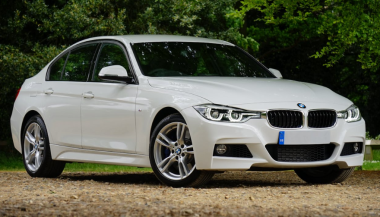
Top 10 Fascinating Facts About BMW: Engineering Precision, Motorsport DNA, and Driving Pleasure

Top 10 Fascinating Facts About BMW: Engineering Precision, Motorsport DNA, and Driving Pleasure

BMW stands for precision engineering and pure driving pleasure. Founded in 1916 in Bavaria, BMW began as an aircraft engine manufacturer before reshaping the automotive world. Its guiding philosophy, “Aus Freude am Fahren” (Sheer Driving Pleasure), has defined the brand for decades. Today, BMW builds everything from electric city cars to high-performance M models. What connects them all is balance, control, and a driver-first mindset. These BMW facts reveal how the brand earned its reputation. 1. Munich’s Four-Cylinder Headquarters BMW’s headquarters in Munich is instantly recognizable. The building, completed in 1972, resembles four vertical engine cylinders joined together. BMW’s headquarters in Munich is instantly recognizable. The building, completed in 1972, resembles four vertical engine cylinders joined together. 2. Logical Model Names Since 1972 BMW’s naming system is deliberately simple. Introduced with the first 5 Series in 1972, the three-digit structure tells you exactly where a model sits in the lineup. The first number shows the series. The remaining digits traditionally indicated engine size. Letters like i , d , and x were later added to explain fuel type or drivetrain. BMW drivers can often decode a car before even opening the door. 3. The Only BMW With a Real Name Almost every BMW uses numbers—except one. The BMW Isetta remains the brand’s only mass-produced car with a proper name. Licensed from Italian manufacturer ISO in the 1950s, the Isetta featured a single front-opening door and ultra-compact dimensions. It helped BMW survive financially after the war and became a design icon in Europe. 4. Motorsport DNA: The Birth of BMW M BMW’s M division was created in 1972 to support racing programs. Its purpose was simple: win races and transfer that knowledge to road cars. BMW M cars quickly became benchmarks for performance sedans and coupes. The connection runs deep—BMW even powered a Formula 1 championship-winning car in 1983. Motorsport is not branding for BMW; it’s engineering validation. 5. Safety Innovations Ahead of Their Time In 1972, BMW revealed the Turbo concept car. It introduced ideas that would later become industry standards. Crumple zones, energy-absorbing steering columns, and even early collision-warning concepts were present. Decades before modern driver-assist systems, BMW was already testing how to protect drivers without compromising performance. 6. Hydrogen Engines in the 1970s BMW experimented with hydrogen power long before electrification became mainstream. In 1979, BMW tested a hydrogen-powered 5 Series sedan. The car looked ordinary but ran on modified combustion technology. This early project showed BMW’s willingness to explore alternative energy paths well ahead of regulations or market demand. 7. Project i and the Electric Breakthrough BMW’s modern electric strategy began in 2007 with Project i. The initiative was designed to rethink mobility from scratch. The result was the BMW i3, launched in 2013. It combined carbon-fiber construction, electric drive, and sustainable materials. Project i shaped BMW’s current EV lineup and proved electric cars could still deliver driving pleasure. 8. Limited-Run BMW Special Models BMW frequently builds rare, limited-production vehicles to showcase design and engineering freedom. Models like the modern 3.0 CSL tribute or special M editions celebrate milestones and motorsport heritage. These cars often sell out instantly, reinforcing BMW’s reputation for exclusivity and craftsmanship. 9. Precision Manufacturing With BMW iFACTORY BMW applies the same precision to manufacturing as it does to driving dynamics. The BMW iFACTORY concept integrates AI, robotics, and digital twins into production. Quality control is automated and continuously monitored. The result is consistent build quality across plants in Europe and beyond—something BMW drivers notice long after purchase. 10. Steering-Wheel Controls Before Anyone Else BMW introduced steering-wheel-mounted controls in the early 1990s. Inspired by Formula 1, the goal was simple: keep the driver’s hands on the wheel. Functions like audio and cruise control became easier to manage. Today this feature is universal, but BMW was among the first to make it standard in luxury cars. FAQ What does BMW stand for? BMW means Bayerische Motoren Werke (Bavarian Motor Works). The company was founded in Munich in 1916 and originally produced aircraft engines. Why do BMW drivers value the brand so highly? Balance, rear-wheel-drive heritage, motorsport DNA, and consistent engineering philosophy all contribute to BMW’s loyal following. What should you do if you lose your BMW key? BMW keys are coded and must match the vehicle’s security system. Owners usually replace them through dealers, but specialist suppliers can also provide compatible keys and cases . Platforms like MR-KEY help BMW owners replace worn or lost keys while maintaining proper ownership verification. Visit our shop at mr-key.com

TSA Locks: Why They Matter for Car Owners

TSA Locks: Why They Matter for Car Owners

TSA Locks: Why They Matter for Car Owners As a car owner, you may not immediately consider the importance of a TSA-approved lock for your vehicle, especially when it comes to travel. However, these specialized locks can offer an added layer of security and convenience, particularly when you’re transporting your vehicle or luggage through airports, shipping services, or even while storing it during a trip. But what exactly is a TSA lock, and why should you, as a car owner, care about it? In this article, we break down everything you need to know about TSA locks, how they work, and why they could be beneficial for both you and your vehicle. What is a TSA Lock? A TSA lock is a special type of lock that has been designed to meet the standards set by the Transportation Security Administration (TSA). These locks are typically used for luggage, but their benefits extend to car owners who want to secure their valuables during travel. What sets TSA locks apart from standard locks is their unique feature: TSA agents can unlock these locks using a master key. This allows them to inspect your belongings if needed without damaging your lock or luggage. These locks are often used for suitcases, travel bags, and in some cases, for securing items inside a vehicle while it's being shipped or stored. Why Should Car Owners Consider TSA Locks? While TSA locks are primarily used for luggage, there are several ways car owners can benefit from them: 1. Convenience for Travel If you're shipping your car or using long-term parking at an airport, you may want to secure your vehicle's trunk or compartments. TSA-approved locks give you peace of mind knowing that any inspections required by airport security or shipping agents won't result in your lock being broken. 2. Extra Layer of Security When you’re transporting your vehicle across state lines or internationally, you’ll likely want to keep valuables like electronics, tools, or personal items in the car. A TSA-approved lock ensures that, should security personnel need to access your vehicle, they can do so without causing damage. 3. Compliance with Shipping Regulations Certain vehicle shipping services may require TSA-approved locks as part of their protocols. These locks provide an easy way for shipping carriers to inspect your vehicle without having to call you for permission every time an inspection is necessary. By using TSA-approved locks, you comply with industry regulations and simplify the process. How Do TSA Locks Work? TSA locks are equipped with a special mechanism that allows TSA personnel to unlock them using a universal key. When you use a TSA-approved lock, you set your own combination or use a key for the lock. The TSA agents have access to a master key that fits all TSA locks, allowing them to inspect the contents of your luggage or vehicle safely. These locks are typically used for things like bags, briefcases, or car storage compartments. They provide the added benefit of security, knowing that your belongings are locked but still accessible for inspection when necessary. How to Choose the Right TSA Lock for Your Vehicle If you’re considering a TSA lock for your car, there are a few things to keep in mind: Size and Fit : Make sure the TSA lock fits the compartments or storage areas you intend to secure, whether it’s the trunk, glove box, or internal storage. Durability : Look for locks made of high-quality materials, such as stainless steel or reinforced plastic, to ensure they stand up to wear and tear during transit. Ease of Use : Choose a lock that you can easily open and close but that remains secure against tampering. Approval : Always ensure that the lock you purchase is TSA-approved. You can usually find the TSA logo on the packaging or lock itself. Are TSA Locks Necessary for Every Car Owner? While TSA locks offer multiple benefits, they aren’t absolutely necessary for every car owner. If you rarely travel with your car or if you don’t need to transport it across borders, a standard lock might be sufficient for your needs. However, for those who ship their car regularly or for long-term travelers, TSA-approved locks are a great investment. Whether you're shipping your vehicle, storing it during travel, or just want an extra layer of security, TSA locks can provide the assurance that your belongings remain secure—and that airport security or shipping agents can access your vehicle if needed without causing damage. TSA locks may seem like a small detail, but for car owners who frequently travel, ship their vehicles, or store valuable items inside their cars, they can make a big difference. With the convenience, security, and compliance they offer, TSA-approved locks provide peace of mind, knowing your car and belongings are safe during the travel process. Next time you're preparing for a trip, consider investing in a TSA-approved lock to make your journey a little easier and a lot more secure. This revised blog provides an informative, engaging overview of TSA locks and their relevance to car owners. It emphasizes both convenience and security while addressing the potential benefits for those who travel or ship their vehicles regularly.

Programming Your Car’s Keyless Remote: A Simple Guide for Every Car Owner

Programming Your Car’s Keyless Remote: A Simple Guide for Every Car Owner

When it comes to convenience, car keyless remotes have revolutionized the way we interact with our vehicles. No more fumbling with traditional keys or worrying about locking yourself out. With just a push of a button, you can lock, unlock, and even start your vehicle. But what happens when your keyless remote stops working, or when you need to program a new one? Here’s a simple guide to help you program your car's keyless remote, regardless of your vehicle's make or model. Understanding Keyless Remotes Before jumping into the programming process, it’s important to understand what a keyless remote is and how it works. Essentially, a keyless remote allows you to interact with your vehicle without needing to physically insert a key. Instead of using a traditional metal key, your car’s electronic system communicates wirelessly with the remote, allowing you to lock, unlock, and sometimes even start your vehicle, all with the push of a button. These remotes typically use a radio frequency to communicate with your car, sending a signal that’s encrypted for security. Most modern cars use transponder technology, which makes the system more secure and resistant to hacking or copying. This means that the remote must be properly programmed to your vehicle’s system to function correctly. When Do You Need to Program a Keyless Remote? There are several situations in which you might need to program your keyless remote: Replacing a Lost or Damaged Remote : If you’ve lost your keyless remote or it’s no longer functioning properly, you’ll need to get a replacement. This may require programming the new remote to sync with your vehicle. Adding a New Remote : If you’ve bought an additional keyless remote for your car (for a spouse, child, or other family member), you’ll need to program it so that it works with your vehicle. Battery Replacement : Sometimes, replacing the battery in your remote can cause the programming to reset, meaning you’ll need to reprogram the remote for it to work again. Changing or Resetting Vehicle Settings : Occasionally, vehicle settings or remotes can be reset or reprogrammed as part of regular maintenance, requiring you to program new or additional remotes. How to Program Your Car’s Keyless Remote Programming a keyless remote is easier than you might think, and in most cases, it can be done by following a few simple steps. The process varies slightly depending on the make and model of your car, but here’s a general overview of the steps involved: Get Your New or Replacement Remote : Ensure that your remote is compatible with your car’s system. If you're not sure, you can check with your car's manufacturer or an authorized dealership. Some remotes require specific codes to be programmed. Sit Inside Your Vehicle : For safety and security reasons, most cars require you to be inside the vehicle while programming the remote. Insert the Key in the Ignition : Insert the key into the ignition and turn it to the "ON" position without starting the engine. For cars with push-to-start systems, you may need to press the start button without pressing the brake pedal. Activate the Programming Mode : Depending on your car’s system, you’ll need to follow a sequence of steps to enter programming mode. This could involve turning the key on and off several times, or pressing certain buttons in a specific order. Refer to your vehicle’s manual for the exact steps, as the process can differ from one model to another. Program the Remote : Once your car is in programming mode, you’ll need to press the button on your keyless remote that you want to program. Usually, you’ll hear a chime or see the lights flash, indicating that the remote has been successfully programmed. Some cars may require you to press the button several times to ensure proper synchronization. Test the Remote : After programming, test the remote to make sure it works properly. Try locking and unlocking the doors or starting the engine. If everything works as expected, you’re done! Exit Programming Mode : To finish the process, simply turn off the ignition and remove the key. This should exit programming mode. If you have additional remotes to program, repeat the steps above for each one. What to Do if Programming Doesn’t Work While programming a keyless remote is usually a straightforward process, there are instances where things don’t go as planned. If your remote isn’t syncing with your car after following the steps, here are a few troubleshooting tips: Check the Battery : If the remote’s battery is dead or weak, it won’t transmit the signal to your car. Replace the battery and try programming again. Verify the Compatibility : Make sure that the remote is compatible with your vehicle’s make, model, and year. Some vehicles require special remotes that can only be programmed by the manufacturer or an authorized locksmith. Reset Your Vehicle’s System : In some cases, you might need to reset the car’s system to clear previous programming attempts. Check your owner’s manual or consult a professional for assistance. Consult a Professional : If you continue to have issues, it might be time to visit a dealership or a certified locksmith. These professionals have the tools and experience to program the remote correctly and ensure everything works seamlessly. Why Programming Your Keyless Remote Is Important Programming your keyless remote is a simple but important task that helps ensure your car’s security and convenience. By understanding how the process works and what to do if things go wrong, you’ll be able to troubleshoot and solve any issues quickly. Whether you’re replacing a lost remote or adding a new one to your collection, knowing how to program your remote saves time and money compared to visiting a dealership or locksmith. With the increased reliance on keyless remotes for unlocking and starting vehicles, it’s essential for every car owner to be familiar with this process. By keeping your remote in good working condition and knowing how to program it when necessary, you’ll enjoy a smoother, more efficient experience with your vehicle.

What’s the Difference Between Immobilizer, Transponder Chip, and Key Fob?

What’s the Difference Between Immobilizer, Transponder Chip, and Key Fob?

In modern vehicles, the once simple car key has evolved into a sophisticated piece of technology. With built-in electronics, anti-theft features, and remote functions, today’s car key is part of a broader ecosystem designed for both convenience and security. Yet with all this advancement comes confusion. Many drivers aren’t sure what terms like immobilizer , transponder chip , and key fob actually mean—or how they relate to one another. This guide breaks down these components in detail, explains how they work together, and clarifies why it matters when you’re replacing, reprogramming, or troubleshooting your car key. What Is an Immobilizer? An immobilizer is an electronic security device installed in most modern cars. Its purpose is to prevent the engine from starting unless the correct key—specifically, the correct coded signal—is detected. When you attempt to start your vehicle, the system searches for a signal from a registered transponder chip. If that signal is missing or incorrect, the immobilizer blocks the ignition system. This means the engine won’t crank or turn over, even if the physical key fits. Immobilizers are embedded in the car’s engine control unit (ECU) and became standard in vehicles after the late 1990s in many countries, in response to rising car theft. They offer a silent, invisible layer of protection against common theft techniques like hotwiring. Without the correct digital authentication, the car simply will not start. What Is a Transponder Chip? The transponder chip is a small electronic microchip located inside the car key or key fob. The word “transponder” is a combination of “transmitter” and “responder.” It is designed to emit a unique code that the car's immobilizer can recognize. When you insert the key into the ignition or bring a key fob close to a push-start system, the chip sends a signal to the car’s ECU. If the code matches the one stored in the car’s database, the immobilizer disables itself and allows the engine to start. Transponder chips are passive. They do not require a battery and are activated by electromagnetic energy from the ignition coil or receiver unit inside the vehicle. Without a functioning or correctly programmed transponder chip, your car will not start—even if the metal key turns in the ignition. What Is a Key Fob? A key fob is the remote control device you carry that allows you to perform functions like locking or unlocking your car, opening the trunk, and activating panic alarms. In modern vehicles, key fobs may also control remote start or proximity-based unlocking features. While key fobs often include a transponder chip inside them, they serve a different function. The key fob operates remote commands via short-range radio signals. The transponder chip, on the other hand, is responsible for enabling or disabling the engine. Smart key fobs, found in many recent vehicles, don’t require insertion into the ignition. Instead, the car detects the fob nearby and permits the engine to start with a button press. If your key fob battery dies, you might still be able to start the car manually if the transponder chip is present and recognized. Most fobs also have a hidden mechanical key inside, which can be used to unlock the door if the electronics fail. How They Work Together Although they are distinct components, the immobilizer, transponder chip, and key fob all work in harmony to secure and operate your vehicle. The immobilizer controls whether the engine is allowed to start. The transponder chip provides the digital identity that must be verified by the immobilizer. The key fob provides wireless control of non-engine functions like locking, unlocking, and trunk access. In most modern cars: You approach the vehicle with the key fob. The fob unlocks the doors. When you start the vehicle, the transponder chip sends a signal to the immobilizer. If the code matches, the engine is authorized to start. If the code doesn’t match, or if the chip is missing or damaged, the engine remains disabled—even if the rest of the key’s functions work perfectly. Why This Knowledge Matters Understanding how your car key works is essential when: Replacing a lost or broken key Buying a spare or duplicate Diagnosing why your car won’t start Choosing between locksmith and dealership services For example, if your key fob unlocks your car but won’t start it, the issue may lie with the transponder chip, not the battery. Conversely, if your fob doesn’t lock or unlock the car remotely, the chip may still be functional, and the issue could simply be a dead battery. Replacing a key without properly programming the transponder chip will result in a non-starting vehicle, even if the key physically fits and the remote works. For reliable replacement keys, fobs, batteries, and accessories, visit our Car Key Collection. Car keys are no longer just mechanical tools. They’re complex, multi-function devices that combine security, convenience, and connectivity. By understanding the role of the immobilizer , transponder chip , and key fob , you’ll not only protect your vehicle better, but also avoid costly mistakes when dealing with repairs or replacements. Whether you’re troubleshooting a non-starting car or simply trying to replace a damaged key, knowing the difference between these three elements gives you the clarity and confidence to take the right action.

Chat with us