
Post Name

When you think about car keys, you probably picture the classic remote fob—the one you click to lock or unlock your car from a short distance. For years, this type of key was the standard. But with the rise of electric vehicles (EVs), key fobs have changed more than you might think. They’ve become smarter, more secure, and packed with new technology that sets them apart from their traditional counterparts.

So, what exactly makes an EV key fob different? Let’s dive into the world of modern keys and discover why electric vehicle fobs aren’t just an accessory—they’re a key part of the driving experience.

Smarter Connections

One of the most noticeable differences between EV key fobs and traditional ones is how much they actually “talk” to your car. Old-school fobs were pretty simple. They sent a basic signal to lock or unlock your doors and maybe popped the trunk if you were lucky. But EV key fobs are much more connected.

Many of them communicate with the car’s internal system in real-time. When you press a button on an EV fob, you’re not just opening doors—you might be starting the climate control, checking the battery level, or even setting your seat to your personal position. Some fobs go a step further, automatically unlocking the car as you walk up or adjusting settings based on which key is nearby. It’s no longer just a key—it’s part of your driving profile.

Software That Evolves

Here’s something traditional key fobs can’t do: get smarter over time. EV key fobs often receive something called Over-The-Air (OTA) updates. Just like your phone or your laptop, your key fob’s software can be updated remotely. This can improve its performance, fix bugs, and even add new features.

That means your EV key fob is no longer a “set it and forget it” device. It evolves with your car. Updates can make your key safer, faster, and more reliable without you ever stepping foot in a dealership. For some EV owners, their key fob today might already be more advanced than when they first got it.

Stronger Security

Security has always been important, but for modern EV key fobs, it’s taken to a whole new level. Traditional key fobs use basic encryption, which—unfortunately—has become easier for tech-savvy thieves to bypass.

EV key fobs, on the other hand, often use advanced encrypted signals that change every time you use them. Some are even equipped with Ultra-Wideband (UWB) technology, which makes it nearly impossible for criminals to hack or clone the key’s signal.

In a world where keyless car theft is becoming more common, these newer security features offer real peace of mind. Your key fob isn’t just a remote—it’s a digital handshake between you and your car that’s designed to keep you protected.

A Little More Power-Hungry

All these advanced features, constant communication, and longer-range signals come with a small trade-off: EV key fobs tend to use more battery power than traditional ones. You might notice that you need to replace the battery a bit more often, especially if your fob is always syncing with the car or receiving regular updates.

The good news? Most EV key fobs still use common, affordable batteries like the CR2032, and replacements are quick and simple. It’s just something to be aware of if you’re used to your old key fob battery lasting for years without a second thought.

The Future in Your Pocket

EV key fobs are no longer just about opening doors—they’re smart devices that bring you closer to your car’s full potential. They offer more convenience, better security, and the ability to grow and improve over time.

As the automotive world moves toward electric, key fobs are evolving right along with it. Whether you drive an EV today or plan to in the future, your key is becoming just as high-tech as the vehicle it unlocks.

At Mr. Key, we’re here to help you keep your key fob in top condition—whether you need a battery, a new key shell, or expert advice on key maintenance. Explore our range of products and keep your smart key working like new.

Visit us at mr-key.com for all your car key needs.
Related Posts

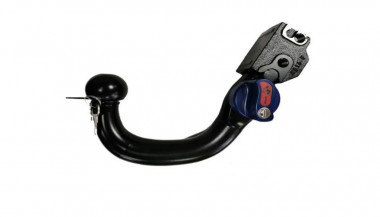
Lost Your Witter, GDW, Thule (Brink) or TowTrust Towbar Key? Here's What to Do.

Lost Your Witter, GDW, Thule (Brink) or TowTrust Towbar Key? Here's What to Do.

Lost your towbar key right before a holiday or towing trip? You’re not alone. Detachable towbar keys are typically used only occasionally – often just before a caravan holiday or when you need to tow – which means they spend most of the year tucked away. It’s all too easy for that lost towbar key to go missing between uses. The good news is that if your key has an ACS-series code (ACS01–ACS10) engraved on it, you can order a precise replacement online in minutes and avoid throwing a wrench in your travel plans. What are ACS towbar keys? The ACS-series keys are a common type of detachable towbar key numbered ACS01 through ACS10 (for reference: ACS01, ACS02, ACS03, ACS04, ACS05, ACS06, ACS07, ACS08, ACS09, ACS10). These keys fit a specific locking system used by multiple towbar manufacturers. In fact, an ACS towbar key could belong to a detachable hitch from ACS itself or from popular brands like Witter, GDW, Thule (Brink) or TowTrust – all of whom use the same ACS lock design. What matters is the code stamped on your key or lock. If it falls in the ACS01–ACS10 range, that code is all you need to get a new key cut and shipped to you. Check Your Key Code (ACS01–ACS10) Before you panic, inspect your towbar’s lock (or any remaining key) for a small engraved code. Most detachable towbar locks have the key number stamped either on the face of the lock barrel or on the original key itself. For the ACS series, this code will start with “ACS” followed by a two-digit number – for example, ACS04 or ACS09. If you see a code in the format ACS## and especially if it’s between ACS01 and ACS10, you’re in luck. That means your towbar uses the ACS key system, and a towbar key ACS01–ACS10 replacement can be ordered without changing the lock. Why is the key code important? This unique code is what key cutting services use to create an exact match for your lock. No original key is required – the code itself tells the cutter how to shape the new key. As long as the code is clearly visible (and within the supported range), you won’t need to replace the entire towbar lock or mechanism. Just supply the code and a new key can be made to fit perfectly, as if it were the original. Tip: Wipe the lock face clean or use a flashlight if needed – dirt and road grime can obscure the tiny engraving. On some keys the code might be on the plastic head or metal shaft of the key. Look for “ACS” followed by numbers. Compatible Towbar Brands for ACS Keys One big advantage of the ACS lock system is its cross-compatibility. These key codes ACS01–ACS10 aren’t limited to a single towbar brand – they’re used across several major manufacturers of detachable towbars. If you have a detachable towbar from any of the following brands, there’s a good chance it uses an ACS-series key: ACS (A50-X) – ACS is the original supplier of this locking system (often referred to as the A50-X class detachable). Keys for ACS detachable towballs will have codes ACS01–ACS10. Brink / Thule – Thule’s towing division (now Brink) uses ACS keys for many of its detachable hitches. If you have a Thule or Brink detachable towbar, check for an ACS code on the lock. (Brink/Thule locks with codes like 1D## or 2D## are a different series – but ACS## codes are common on earlier Thule/Brink models.) Witter – A very popular towbar brand, Witter uses the ACS system on their detachable swan-neck towbars. A Witter detachable with an ACS key will have “ACS” on the key or lock face. Witter towbar key replacements are readily available by code. GDW – This European towbar manufacturer also uses ACS-series keys for many detachables. If you need a GDW towbar replacement key, the process is the same: find the ACS## code and order a matching key. Tow-Trust – TowTrust (Tow-Trust) towbars, often sold in the UK and EU, utilize ACS keys as well. Tow-Trust detachable models with ACS locks will have codes ACS01–ACS10 on the keys. Other brands like PCT Automotive or Towsure have also been known to use ACS locks in some of their detachable towbar systems. The key point is that multiple brands share this ACS key design. So whether your hitch is labeled Witter, Thule, Brink, GDW, or TowTrust, if the key code starts with ACS, you can get the correct replacement towbar key by that code. This compatibility makes it easier to find spares, since one good supplier can cover many brands under the ACS series. Quick Reference: ACS Key Codes and Brands For easy identification, here’s a summary of which detachable towbars use the ACS01–ACS10 key range: Towbar Brand Detachable Key Code Series Example Key Code ACS (A50-X system) ACS01 – ACS10 ACS07 (on key/lock) Brink (Thule Towbars) ACS01 – ACS10 ACS05 Witter ACS01 – ACS10 ACS03 GDW ACS01 – ACS10 ACS09 Tow-Trust ACS01 – ACS10 ACS02 If your towbar brand is listed above and you see an “ACS*” code on the lock, you can order a new key by that code. In the example codes, the number can be any from 01 to 10. How to Order a Replacement ACS Towbar Key Online One of the great things about these keys is how simple it is to get a replacement. You don’t need to visit a dealership or locksmith in person; you can order an ACS towbar key online and have it cut to code and delivered to your door. Here’s how to do it: 1. Locate the ACS key code – As mentioned, find the engraved code on your existing key or the towbar lock barrel (e.g. ACS08). Double-check that it’s in the ACS01–ACS10 range. 2. Visit a replacement key website – Go to a trusted online key supplier that offers keys cut to code. For example, you can order from a specialized service like Mr. Key. They have a product page specifically for spare keys for ACS A50-X / Brink / Thule towbars (codes ACS01–ACS10) – this is where you’ll enter your code to get the correct key. 3. Select your key code – On the product page, choose your exact code (say, ACS04 or ACS09) from the dropdown or list. 4. Place your order – Add the replacement key to your cart and check out. These keys are very affordable (usually only a few dollars or euros each), and you can often choose expedited shipping if you’re in a hurry. 5. Receive and test the key – Shipping is typically quick (a few days within Europe). Once it arrives, test the replacement towbar key in your detachable towbar’s lock. It should turn smoothly and unlock the mechanism just like the original. Problem solved. Product Link: https://mr-key.com/product/spare-key-for-acs-a50-x-brink-thule-towbar-codes-acs01-acs10 You can order the correct replacement key here: Spare Key for ACS A50-X / Brink / Thule Towbar – Codes ACS01–ACS10. Simply select your code from ACS01 up to ACS10 and choose the key with the matching number. The new key will be cut to that code and sent to you ready to use. Ordering online is not only convenient but also ensures you get the precise key you need. These keys are cut by code using professional tools, so you don’t have to worry about tracing an old key or guesswork. As long as the code you provide is correct, the new key will fit perfectly or you can get your money back. Make a Spare Key Now to Avoid Future Stress Once you have your new key in hand (or if you still have your original), it’s time to think ahead. Don’t wait until you’ve lost the only key to take action. Cutting a spare key while you still have a working one is quick and inexpensive, and it can save you a lot of trouble down the road. Here are some benefits of having a spare towbar key: No more last-minute panic: If one key goes missing, you’ll have a backup ready. This means no frantic searches the night before your trip and no postponed travel plans due to a missing key. Avoid costly lock replacements: Losing the only towbar key can be expensive – you might be forced to drill out the lock or replace the entire detachable neck mechanism. A spare key (which typically costs under £10) is far cheaper than a new lock or towbar. Keep your holiday on track: A Thule towbar spare key or Witter towbar spare key tucked in your glove box ensures that a lost key won’t derail your caravan holiday or trailer rental schedule. You can continue towing without delay. Fast & affordable peace of mind: Ordering an extra key by code is both fast and affordable. Many drivers are surprised at how easy it is – often it’s just a couple of clicks online and a short wait for delivery. It’s a small investment for the security of knowing you’re covered. Consider ordering two keys when you get your replacement. Many suppliers even offer a deal on a second key (or include a pair by default), so you can keep one spare at home and one in the vehicle. Having multiple keys means you’re highly unlikely to ever be locked out of your own towbar again. Losing your towbar key can be a frustrating experience, especially when it happens right before you need to use it. But if your detachable towbar uses the ACS lock system (codes ACS01–ACS10), solving the problem is straightforward. With a visible ACS key code and a reliable online key-cutting service, you can quickly get a new replacement towbar key cut to code and delivered. There’s no need for costly new locks or last-minute cancellations of your towing plans. Don’t let a lost towbar key ruin your trip. Take a moment to check your towbar for an ACS code. If it’s there, you can have a new key on the way in no time. And even if your current key is in hand, think ahead – get a spare made now to save yourself stress later. With fast online ordering and prices that won’t break the bank, getting an ACS towbar key replacement is the easiest way to ensure you’re never stuck without the key to your adventures. Safe towing.

DIY Guide: How to Program or Sync Your Car Key Fob at Home

DIY Guide: How to Program or Sync Your Car Key Fob at Home

Programming a car key fob doesn’t always require a trip to the dealership or an expensive diagnostic tool. In many cases, you can program or resync your key fob at home—saving both time and money. Whether you’ve just replaced the battery, changed the shell, or purchased a new key fob entirely, this guide will walk you through the basics of syncing it with your vehicle. Why Program Your Key Fob? Key fobs are integral to modern car access and ignition systems. When you replace or reset your key, the vehicle and fob must reestablish communication. Without syncing, features like remote locking, trunk release, or even engine start may stop functioning. This synchronization process ensures your key fob and vehicle are electronically paired and communicate securely. Without it, even a new battery or case won’t make your remote functional again. Can You Program It Yourself? The answer depends largely on the make and model of your vehicle. Older vehicles with basic remote key fobs often support manual onboard programming that doesn’t require specialized equipment. These procedures typically involve inserting the key into the ignition, turning it in a specific sequence, and pressing buttons on the fob within a certain time frame. It’s a simple process, and many car owners are surprised at how effective these methods can be. In contrast, modern vehicles with smart keys or keyless entry systems usually require advanced programming tools. These keys often contain transponders that must be linked to the car’s electronic control unit, a task typically performed by dealerships or professional auto locksmiths. Still, if you own a basic Opel, Peugeot, or Citroën model, there’s a good chance you can complete the task yourself at home. How Onboard Programming Works If your vehicle supports onboard programming, the steps are often straightforward. While the exact process may vary depending on the model, the general method includes entering the vehicle, turning the ignition on and off several times, and pressing a button on the remote to complete pairing. You may receive confirmation through a dashboard light flash or an audible chime, indicating that the key fob is now synced. Take note, though: some vehicles require all remotes to be programmed in the same session, so if you have multiple key fobs, have them all with you before starting. If the procedure doesn’t work, don’t be discouraged—it may simply mean your car requires a more advanced programming approach. When Should You Call a Professional? Not all keys can be programmed at home. Smart keys, proximity sensors, and certain immobilizer systems are designed with enhanced security that requires proprietary equipment to program. If your vehicle doesn’t respond to onboard programming or your key fob is completely unresponsive, it’s best to seek assistance from a certified locksmith or dealership. Trying to force the programming process can sometimes cause more harm than good. If you’re unsure, always verify the requirements in your car’s manual or consult a trusted technician. Essential Tips for Success To avoid frustration, start with the basics: always use a fresh battery from a trusted brand such as Panasonic CR2032 . Clean the internal contacts and handle the circuit board carefully to prevent static damage. Don’t rush—take the time to follow steps precisely and test functionality before fully reassembling the key. When replacing the key shell, make sure it's compatible with your exact model and that the key blade, transponder chip, and electronics are properly seated. With a bit of patience and the right information, programming your car key fob at home can be a practical and satisfying DIY fix. For basic vehicles, it’s a task you can handle in minutes—saving the cost and hassle of dealership appointments. Understanding your vehicle’s requirements and using reliable parts makes all the difference. Whether you're refreshing an old key with a new case or pairing a new remote to your car, the ability to program it yourself puts control back in your hands. For a full selection of batteries, shells, and compatible accessories, visit mr-key.com .

How to Program a Spare Car Key: Should You DIY or Call a Pro?

How to Program a Spare Car Key: Should You DIY or Call a Pro?

You’ve got a spare car key in your hand and one big question on your mind: can you program it yourself, or should you visit a locksmith or dealer? The answer depends on your car and the key. In this guide, you'll discover when DIY programming is possible, when it's not, and how to avoid common mistakes. Whether you're aiming to save money or just want a backup key for peace of mind, here's everything you need to know. Types of Car Keys: What You’re Working With Not all car keys are the same—and that matters. Older vehicles often use simple metal keys or basic transponder keys, while modern cars rely on electronic fobs and smart keys with encrypted chips. If your car was built before the early 2000s, there’s a good chance you can program a spare yourself without any special tools. Newer vehicles, however, might require dealer-level software or diagnostic equipment to complete the job. Basic key types include: Non-transponder metal keys : can be copied at any key-cutting service. Transponder keys : contain a chip that communicates with your car’s immobilizer. Remote key fobs : combine keyless entry with a transponder chip. Smart/proximity keys : high-tech, often require dealer programming. How DIY Key Programming Works If your car supports on-board programming, you're in luck. Here’s how a common DIY method looks: Insert your original (master) key into the ignition and turn it to “on” (don’t start the engine). Leave it for five seconds, then remove it. Quickly insert the new spare key and turn it to “on.” Wait for the security light to blink or turn off—this confirms successful programming. Test the spare key by starting the engine. Note: This process varies by vehicle. Always consult your owner's manual or search for your specific make, model, and year online before starting. When You’ll Need a Professional DIY isn’t always an option. If your car uses advanced keyless systems, push-button start, or encrypted communication, programming usually requires access to manufacturer software and security codes. In these cases, a qualified locksmith or dealership is your best (and safest) bet. Also, if your vehicle requires a unique PIN to program a new key—and you don’t have it—don’t guess. Incorrect attempts could lock the system and result in costly reprogramming. Choosing the Right Spare Key Buying the correct spare key is critical for success. You’ll need: The correct transponder chip type (e.g., ID46, ID48, PCF7946 ) Matching blade shape or key profile The correct frequency (commonly 433MHz or 868MHz ) Avoid cheap generic blanks unless you're certain they’re compatible. Poor-quality keys may not accept programming or may fail shortly after. Quick DIY Checklist: Are You Ready? You already have a working master key Your vehicle supports on-board key programming The spare matches in chip, frequency, and blade You’re comfortable following time-sensitive steps You’re okay calling a pro if things don’t work If you checked most of those, DIY might be a great fit. If not, you’re better off with professional help—it could save you time, frustration, and possibly money in the long run. Be Smart with Your Spare Key Having a backup key is more than convenient—it’s essential. From lost keys to unexpected lockouts, a properly programmed spare key can save the day. If your vehicle allows DIY programming, take your time, follow instructions carefully, and double-check compatibility. If you hit a wall, don’t force it. Pros are there for a reason. No matter which route you take, you’ll thank yourself later for being prepared. Because when it comes to your car keys, one really isn’t enough.

What’s the Difference Between Immobilizer, Transponder Chip, and Key Fob?

What’s the Difference Between Immobilizer, Transponder Chip, and Key Fob?

In modern vehicles, the once simple car key has evolved into a sophisticated piece of technology. With built-in electronics, anti-theft features, and remote functions, today’s car key is part of a broader ecosystem designed for both convenience and security. Yet with all this advancement comes confusion. Many drivers aren’t sure what terms like immobilizer , transponder chip , and key fob actually mean—or how they relate to one another. This guide breaks down these components in detail, explains how they work together, and clarifies why it matters when you’re replacing, reprogramming, or troubleshooting your car key. What Is an Immobilizer? An immobilizer is an electronic security device installed in most modern cars. Its purpose is to prevent the engine from starting unless the correct key—specifically, the correct coded signal—is detected. When you attempt to start your vehicle, the system searches for a signal from a registered transponder chip. If that signal is missing or incorrect, the immobilizer blocks the ignition system. This means the engine won’t crank or turn over, even if the physical key fits. Immobilizers are embedded in the car’s engine control unit (ECU) and became standard in vehicles after the late 1990s in many countries, in response to rising car theft. They offer a silent, invisible layer of protection against common theft techniques like hotwiring. Without the correct digital authentication, the car simply will not start. What Is a Transponder Chip? The transponder chip is a small electronic microchip located inside the car key or key fob. The word “transponder” is a combination of “transmitter” and “responder.” It is designed to emit a unique code that the car's immobilizer can recognize. When you insert the key into the ignition or bring a key fob close to a push-start system, the chip sends a signal to the car’s ECU. If the code matches the one stored in the car’s database, the immobilizer disables itself and allows the engine to start. Transponder chips are passive. They do not require a battery and are activated by electromagnetic energy from the ignition coil or receiver unit inside the vehicle. Without a functioning or correctly programmed transponder chip, your car will not start—even if the metal key turns in the ignition. What Is a Key Fob? A key fob is the remote control device you carry that allows you to perform functions like locking or unlocking your car, opening the trunk, and activating panic alarms. In modern vehicles, key fobs may also control remote start or proximity-based unlocking features. While key fobs often include a transponder chip inside them, they serve a different function. The key fob operates remote commands via short-range radio signals. The transponder chip, on the other hand, is responsible for enabling or disabling the engine. Smart key fobs, found in many recent vehicles, don’t require insertion into the ignition. Instead, the car detects the fob nearby and permits the engine to start with a button press. If your key fob battery dies, you might still be able to start the car manually if the transponder chip is present and recognized. Most fobs also have a hidden mechanical key inside, which can be used to unlock the door if the electronics fail. How They Work Together Although they are distinct components, the immobilizer, transponder chip, and key fob all work in harmony to secure and operate your vehicle. The immobilizer controls whether the engine is allowed to start. The transponder chip provides the digital identity that must be verified by the immobilizer. The key fob provides wireless control of non-engine functions like locking, unlocking, and trunk access. In most modern cars: You approach the vehicle with the key fob. The fob unlocks the doors. When you start the vehicle, the transponder chip sends a signal to the immobilizer. If the code matches, the engine is authorized to start. If the code doesn’t match, or if the chip is missing or damaged, the engine remains disabled—even if the rest of the key’s functions work perfectly. Why This Knowledge Matters Understanding how your car key works is essential when: Replacing a lost or broken key Buying a spare or duplicate Diagnosing why your car won’t start Choosing between locksmith and dealership services For example, if your key fob unlocks your car but won’t start it, the issue may lie with the transponder chip, not the battery. Conversely, if your fob doesn’t lock or unlock the car remotely, the chip may still be functional, and the issue could simply be a dead battery. Replacing a key without properly programming the transponder chip will result in a non-starting vehicle, even if the key physically fits and the remote works. For reliable replacement keys, fobs, batteries, and accessories, visit our Car Key Collection. Car keys are no longer just mechanical tools. They’re complex, multi-function devices that combine security, convenience, and connectivity. By understanding the role of the immobilizer , transponder chip , and key fob , you’ll not only protect your vehicle better, but also avoid costly mistakes when dealing with repairs or replacements. Whether you’re troubleshooting a non-starting car or simply trying to replace a damaged key, knowing the difference between these three elements gives you the clarity and confidence to take the right action.

Chat with us