
Post Name

When you think about car keys, you probably picture the classic remote fob—the one you click to lock or unlock your car from a short distance. For years, this type of key was the standard. But with the rise of electric vehicles (EVs), key fobs have changed more than you might think. They’ve become smarter, more secure, and packed with new technology that sets them apart from their traditional counterparts.

So, what exactly makes an EV key fob different? Let’s dive into the world of modern keys and discover why electric vehicle fobs aren’t just an accessory—they’re a key part of the driving experience.

Smarter Connections

One of the most noticeable differences between EV key fobs and traditional ones is how much they actually “talk” to your car. Old-school fobs were pretty simple. They sent a basic signal to lock or unlock your doors and maybe popped the trunk if you were lucky. But EV key fobs are much more connected.

Many of them communicate with the car’s internal system in real-time. When you press a button on an EV fob, you’re not just opening doors—you might be starting the climate control, checking the battery level, or even setting your seat to your personal position. Some fobs go a step further, automatically unlocking the car as you walk up or adjusting settings based on which key is nearby. It’s no longer just a key—it’s part of your driving profile.

Software That Evolves

Here’s something traditional key fobs can’t do: get smarter over time. EV key fobs often receive something called Over-The-Air (OTA) updates. Just like your phone or your laptop, your key fob’s software can be updated remotely. This can improve its performance, fix bugs, and even add new features.

That means your EV key fob is no longer a “set it and forget it” device. It evolves with your car. Updates can make your key safer, faster, and more reliable without you ever stepping foot in a dealership. For some EV owners, their key fob today might already be more advanced than when they first got it.

Stronger Security

Security has always been important, but for modern EV key fobs, it’s taken to a whole new level. Traditional key fobs use basic encryption, which—unfortunately—has become easier for tech-savvy thieves to bypass.

EV key fobs, on the other hand, often use advanced encrypted signals that change every time you use them. Some are even equipped with Ultra-Wideband (UWB) technology, which makes it nearly impossible for criminals to hack or clone the key’s signal.

In a world where keyless car theft is becoming more common, these newer security features offer real peace of mind. Your key fob isn’t just a remote—it’s a digital handshake between you and your car that’s designed to keep you protected.

A Little More Power-Hungry

All these advanced features, constant communication, and longer-range signals come with a small trade-off: EV key fobs tend to use more battery power than traditional ones. You might notice that you need to replace the battery a bit more often, especially if your fob is always syncing with the car or receiving regular updates.

The good news? Most EV key fobs still use common, affordable batteries like the CR2032, and replacements are quick and simple. It’s just something to be aware of if you’re used to your old key fob battery lasting for years without a second thought.

The Future in Your Pocket

EV key fobs are no longer just about opening doors—they’re smart devices that bring you closer to your car’s full potential. They offer more convenience, better security, and the ability to grow and improve over time.

As the automotive world moves toward electric, key fobs are evolving right along with it. Whether you drive an EV today or plan to in the future, your key is becoming just as high-tech as the vehicle it unlocks.

At Mr. Key, we’re here to help you keep your key fob in top condition—whether you need a battery, a new key shell, or expert advice on key maintenance. Explore our range of products and keep your smart key working like new.

Visit us at mr-key.com for all your car key needs.
Related Posts

The Real Cost of Replacing a Motorcycle TFT Display: Prices, Causes, and Hidden Costs

The Real Cost of Replacing a Motorcycle TFT Display: Prices, Causes, and Hidden Costs

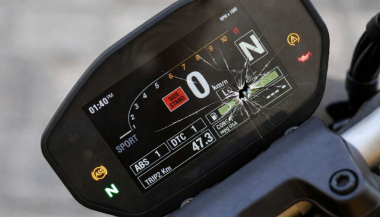
Motorcycle TFT displays are no longer simple speedometers. They are high-resolution computers bonded to glass, sealed against weather, coded to the bike’s electronics, and integrated into safety systems. When a broken TFT display happens, the bill is rarely just “a screen.” Below is the most complete, Europe-focused breakdown of motorcycle display replacement cost you’ll find online—built for riders who are actively searching for replacement prices and real-world risks. What Actually Breaks When a TFT Display Fails A TFT failure is rarely cosmetic. Modern displays are laminated units. Damage spreads. Common failure modes Cracked outer glass → moisture ingress follows Dead pixels or pixel lines → panel failure, not fixable Water ingress / condensation → corrosion of PCB and connectors Sun delamination → layers separate, image fades or ghosts Complete blackout → power board or CAN communication fault Once moisture enters, replacement—not repair—is the only OEM-approved path. Motorcycle Display Replacement Cost (Europe, Real Numbers) These are OEM replacement ranges in Europe, excluding insurance, based on dealer parts pricing, labour, and required coding. Brand Typical TFT Replacement Cost (€) Yamaha €650 – €1,400 BMW €1,200 – €2,500 Honda €800 – €1,800 Triumph €900 – €2,000 Kawasaki €700 – €1,600 Important: These are not worst-case numbers. They are normal dealer outcomes once a display is declared faulty. Why TFT Replacement Is So Expensive 1. The screen is bonded, not modular You cannot replace “just the glass.” The LCD, digitizer, polarizer, and control board are sealed together. 2. Coding & pairing is often mandatory Many TFT units must be coded to the ECU / immobiliser . Without dealer software: Warning lights remain Ride modes may not function Service intervals can’t be reset This adds labour and eliminates cheap aftermarket options. 3. Dead pixels = full replacement Unlike TVs or phones, dead pixels on motorcycle TFTs are not serviceable . OEM policy treats this as a safety-critical component. 4. Water ingress escalates damage fast Condensation today becomes corrosion tomorrow. Displays that “still work” often fail weeks later. The Most Expensive Damage Types (Ranked) Water ingress / condensation Often invisible at first Leads to PCB corrosion Almost always ends in full replacement Dead pixels / pixel columns Caused by pressure, UV heat, or micro-fractures No repair path Cracked glass Immediate usability loss Allows moisture entry Sun delamination Common on bikes parked outdoors Progressive, irreversible Real-World Cost Example (BMW vs Yamaha) BMW adventure / sport models TFT unit: €1,500–€2,200 Coding & labour: €200–€400 Total: €1,700–€2,600 Yamaha mid-range models TFT unit: €700–€1,100 Labour: €100–€250 Total: €800–€1,350 Same problem. Vastly different outcomes. Why “Used” or eBay TFT Displays Are Risky Many riders try to save money this way. Most regret it. VIN or ECU mismatch Immobiliser conflicts No warranty Hidden moisture damage Dealer refusal to code A used TFT that fails after installation means paying twice . The Preventable Part: Surface Damage That Starts It All Most catastrophic failures start small: Fine scratches Stone impacts UV exposure Heat cycling Once the protective surface is compromised, water ingress and pixel failure follow . That’s why many riders choose hydrogel motorcycle screen protectors —they absorb impact, self-heal micro-scratches, and add a moisture barrier without affecting visibility. You can browse motorcycle screen protectors by brand and model here → Motorcycle TFT screen protectors for Yamaha, BMW, Honda, Triumph & Kawasaki . (Exact fit matters. Generic films do not.) What Dealers Rarely Warn You About Condensation voids goodwill claims Pixel defects worsen with time Sun damage is considered “wear” Even hairline cracks can invalidate warranty By the time you ask for a quote, the outcome is usually decided. FAQ — Motorcycle TFT Display Replacement How much does a motorcycle TFT display cost to replace? In Europe, expect €650 to €2,500+ , depending on brand, model, and coding requirements. Can dead pixels be repaired? No. Dead pixels mean full TFT replacement on modern motorcycles. Is condensation inside the display dangerous? Yes. Condensation indicates seal failure and usually leads to corrosion and total failure. Can I ride with a broken TFT display? Often no. Many bikes rely on the TFT for warnings, modes, and diagnostics. Does a screen protector really help? Yes—for scratch prevention, impact absorption, and moisture protection . It cannot fix damage, but it significantly reduces risk. Are aftermarket TFT displays a safe option? Rarely. Most lack proper integration, coding support, or durability. Protecting a €1,500 Part Costs a Fraction A motorcycle TFT display is one of the most expensive components on your bike that faces direct impact, UV exposure, heat, and water—every ride . If you want model-specific protection designed for your exact display shape, visit our shop at mr-key.com and choose the right motorcycle screen protector for your bike.

Key Fob vs. Transponder vs. Smart Key: What’s the Difference?

Key Fob vs. Transponder vs. Smart Key: What’s the Difference?

Unlocking the Modern Car Key In the past, a car key was a simple piece of metal. You inserted it into the door, turned it, and the car unlocked. You repeated the process in the ignition to start the engine. Today, however, a car key might be a sleek device that never even leaves your pocket. It may unlock your doors remotely, start the car with a button, or communicate with your vehicle without you even touching it. This evolution in key technology has introduced convenience, security, and — for many drivers — a bit of confusion. What kind of key do you actually have? Is it a transponder key , a key fob , or a smart key ? And why does it matter? In this blog, we break down each type of modern car key, explain how they work, and highlight what makes them different — so you can better understand, maintain, and protect the device that starts your vehicle. What Is a Transponder Key? The transponder key was the first major step toward electronic vehicle security. Introduced in the 1990s, it features a small microchip embedded in the plastic head of a standard metal key. This chip communicates with the car's immobilizer system. When you insert the key into the ignition and turn it, the car sends out a low-frequency signal. If the chip responds with the correct, pre-programmed code, the vehicle starts. If the code is incorrect — or missing — the car won’t start at all. Key characteristics: Looks like a traditional key Contains a passive chip (no battery needed) Requires physical insertion and turning Designed to prevent hotwiring and unauthorized key copies Transponder keys are still widely used, especially in vehicles produced between the late 1990s and early 2010s. They’re simple, reliable, and provide basic but effective protection against theft. What Is a Key Fob? The term key fob typically refers to a small, handheld remote that controls access to your car without inserting a key into a lock. Most modern fobs include buttons for locking and unlocking the doors, opening the trunk, and triggering a panic alarm. Some also support remote engine start. In many vehicles, the fob is attached to — or integrated with — a mechanical key that includes a transponder chip. Others are "flip keys," with a metal blade that folds inside the fob casing. Key fob features: Enables remote locking/unlocking May include a transponder chip Often includes a mechanical backup key Battery-powered (usually coin cell batteries) May include passive entry on some models Key fobs offer a balance between convenience and control. While you still need to press buttons or insert a key in many cases, they streamline the process and add useful features. What Is a Smart Key? The smart key is the most advanced and convenient type of car key available today. It communicates with your vehicle wirelessly using radio frequency or low-energy Bluetooth. As long as the smart key is within range — often in your pocket or bag — the car will unlock automatically when you touch the handle, and start when you press the ignition button. Unlike a key fob, there’s no need to press buttons or insert anything into the ignition. The system detects the key’s presence and grants access and engine start as needed. Smart key features include: Passive keyless entry (PKE) Push-button start Proximity detection Fully hands-free operation Often includes comfort access features like memory seating and climate control However, smart keys also introduce new considerations. They rely entirely on battery power, so a dead battery can temporarily disable key functions. Because smart keys are always transmitting a signal, they are also vulnerable to relay attacks , in which thieves use signal amplifiers to trick the car into unlocking. Key Comparison Table To help clarify the differences between each type of key, here’s a side-by-side comparison: Feature Transponder Key Key Fob Smart Key Physical key required Yes Sometimes (flip blade) No Remote locking/unlocking No Yes (buttons) Yes (proximity-based) Push-button start No No Yes Battery required No Yes Yes Security level Moderate High (with chip) High Common years of use 1995–2012 2000–present 2015–present Risk of relay attack None Low (in some cases) High (without signal shield) Why It Matters: Practical Impacts for Drivers Understanding what kind of car key you have can save you time, money, and stress in several situations: 1. Replacing Lost or Broken Keys Smart keys can cost anywhere from $200–$600+ to replace and usually require dealership programming. Transponder keys are cheaper and often programmable by locksmiths. 2. Diagnosing Key Issues If your car won’t start, it could be due to a dead battery in your fob or smart key. But if you have a transponder key, the issue might be with the chip or immobilizer system. 3. Security Awareness Smart keys are vulnerable to digital theft via relay attacks. If you have one, consider using a Faraday pouch or signal-blocking case to protect your vehicle while parked. Want to protect your key? Browse Mr Key's security accessories here. 4. Choosing Accessories Batteries, protective covers, signal-blocking cases, and replacement parts vary depending on your key type. Buying the wrong product can lead to frustration or compatibility issues. Know Your Key, Protect Your Car Your car key is more than a tool — it’s an entry system, a security feature, and a communication device. Whether you’re carrying a traditional transponder key, a button-operated key fob, or a proximity-based smart key, knowing the difference is the first step toward better security, smarter repairs, and fewer surprises. In a world where cars are smarter than ever, your key plays a more important role than most drivers realize. Take a moment to identify which type you have — and take steps to protect it.

Exploring the Future of Car Key Technology: What’s Next?

Exploring the Future of Car Key Technology: What’s Next?

In the rapidly evolving world of automotive technology, car keys have transformed from simple metal tools into sophisticated electronic devices. As vehicles become smarter, so do their keys. From keyless entry to biometric authentication, car key technology continues to push boundaries. Let’s explore the next frontier of car key innovations and how they’ll impact convenience, security, and vehicle ownership. 1. Digital Keys: Unlocking with Your Smartphone One of the most exciting advancements is the rise of digital keys. These allow you to unlock and start your car using just your smartphone. How It Works: Digital keys rely on Bluetooth or NFC (Near Field Communication) technology to securely transmit signals between your phone and the car. Convenience: No more fumbling for keys. Your phone acts as your all-in-one device. Security Features: Many digital key apps offer encrypted access and the ability to revoke permissions instantly if your phone is lost or stolen. This innovation is gaining traction among automakers and is expected to become standard in the near future. 2. Biometric Authentication: Keys That Recognize You Biometric car keys are already starting to appear in premium vehicles. These keys use your unique physical features to grant access. Fingerprint Recognition: Similar to unlocking your phone, some car keys now scan your fingerprint to unlock the car. Facial Recognition: Cameras built into the vehicle can identify you and automatically unlock the doors. Why It Matters: Biometrics provide an additional layer of security, making it nearly impossible for thieves to gain unauthorized access. This cutting-edge technology ensures that only you—and those you authorize—can start your vehicle. 3. Smart Key Customization: Personalization at Its Best The future of car keys isn’t just about unlocking cars; it’s about creating personalized driving experiences. Pre-Set Preferences: Smart keys can remember your seat position, climate control settings, and even your preferred music playlist. User Profiles: In households with multiple drivers, smart keys can switch profiles based on who’s using the car. Why It’s Useful: This feature saves time and enhances comfort, making every drive tailored to your needs. As vehicles become more personalized, smart keys will play a vital role in delivering these conveniences. 4. Ultra-Secure Encryption: Fighting Key Hacking As technology advances, so do the tactics of cybercriminals. To combat this, car key technology is embracing stronger encryption. Rolling Codes: Modern key fobs use rolling codes that change with every use, making it harder for hackers to intercept signals. Blockchain Technology: Some experts predict that blockchain could be integrated into car key systems for unbreakable security. Impact on Security: These measures aim to eliminate vulnerabilities, ensuring that only the rightful owner can access the vehicle. Advanced encryption is a critical step in securing the future of car ownership. 5. Integration with Smart Homes: A Connected Lifestyle Imagine your car keys working seamlessly with your smart home devices. This future is closer than you think. Examples: Unlock your car and have your home’s lights turn on simultaneously. Use voice commands to lock your car doors through your home assistant. Convenience Factor: This integration enhances the interconnectedness of your daily routines, saving you time and effort. As smart ecosystems grow, car keys will become a pivotal part of a connected lifestyle. 6. Eco-Friendly Innovations: Sustainable Car Keys Sustainability is a growing concern in all industries, including automotive technology. Car keys are no exception. Recyclable Materials: Future car keys could be made from eco-friendly or recycled materials. Energy-Efficient Batteries: Expect longer-lasting, rechargeable batteries that reduce waste. Why It Matters: These changes not only benefit the environment but also align with the broader push toward sustainable vehicle manufacturing. As the industry shifts toward greener practices, even car keys are becoming part of the solution. A New Era of Car Keys Car key technology is on the cusp of incredible transformations, combining convenience, security, and sustainability. Whether through digital keys, biometrics, or smart home integration, the future holds endless possibilities for making your driving experience safer and more seamless. For car owners, these innovations mean less hassle, greater control, and enhanced peace of mind. As car key technology evolves, so does the way we interact with our vehicles—ushering in a new era of smarter and more secure mobility.

5 Reasons Why Your Car Remote Isn’t Working and How to Fix It

5 Reasons Why Your Car Remote Isn’t Working and How to Fix It

In an age where convenience is king, keyless entry systems have revolutionized how we interact with our vehicles. Gone are the days of fumbling for physical keys—today’s drivers rely heavily on the sleek, compact functionality of car remotes. However, what happens when this modern convenience fails you? Few things are more frustrating than standing beside your car, repeatedly pressing your remote, only to be met with silence. Understanding why your car remote isn’t working can save you from unnecessary panic, costly repairs, and inconvenient lockouts. This comprehensive guide explores the five most common reasons your remote may malfunction and offers in-depth, actionable solutions to get you back on the road quickly. 1. Battery Depletion: The Silent Saboteur The number one reason for car remote failure is, unsurprisingly, a dead or depleted battery. Though seemingly small, the battery inside your remote plays a crucial role in its operation. Most key fobs use lithium coin batteries (commonly CR2025 or CR2032), known for their durability and longevity. But even these reliable power sources don’t last forever. Factors contributing to faster battery depletion include: Frequent use (especially for remote start and lock/unlock functions) Extreme temperature exposure (both heat and cold reduce battery life) Long periods of inactivity (leading to gradual discharge) Solution: Replacing your key fob battery is a simple, cost-effective fix. Always consult your vehicle’s manual to identify the correct battery type. When replacing, ensure the new battery is seated correctly to avoid poor contact. Proactively changing the battery every 1-2 years, even before it’s fully drained, can prevent sudden failures. 2. Signal Interference: The Invisible Obstacle Key fobs communicate with your vehicle via radio frequencies. However, various external factors can interfere with this communication. Living in urban environments, parking in underground garages, or being near large electronic devices (such as cell towers, Wi-Fi routers, or even other vehicles) can disrupt the signal between your remote and car. Solution: If you suspect signal interference: Move closer to your vehicle or try unlocking it from a different angle. Step away from potential sources of interference like electronic devices or heavy machinery. Hold the key fob higher or away from your body to improve signal transmission. While occasional interference is common, if the problem persists across multiple locations, consider resetting or reprogramming your fob. 3. Desynchronization: Losing Connection Sometimes, your key fob may lose synchronization with your vehicle’s receiver—especially after events like a battery change or extended periods of non-use. When this happens, the fob and vehicle are essentially "speaking different languages," resulting in non-responsiveness. Solution: Check your vehicle's manual, as many manufacturers provide step-by-step instructions to manually re-sync the fob. Typically, this involves a sequence like inserting and turning the ignition key, pressing specific buttons, or opening and closing the doors in a set pattern. If manual reprogramming fails, you may need assistance from a dealership or certified locksmith equipped with the necessary diagnostic tools. 4. Physical Damage: The Wear and Tear Factor Remote key fobs, despite their solid appearance, are not invincible. Everyday handling—dropping the remote, spilling liquids, or even rough storage—can cause internal components to malfunction. Moisture exposure, in particular, is a key offender, leading to corrosion or short-circuiting of the circuitry inside. Solution: Inspect your remote regularly for: Visible cracks, chips, or signs of wear Sticky buttons or unresponsive keys Water damage indicators If damage is evident, replacing the remote may be your best bet. For minor issues, cleaning the interior components (after carefully opening the casing) with a soft cloth and isopropyl alcohol can sometimes restore functionality. Consider investing in a protective cover to prevent future damage. 5. Vehicle Receiver Issues: The Hidden Problem While the key fob often gets the blame, sometimes the issue lies within your vehicle’s receiver system. If the receiver—which detects and processes the signal from your remote—is malfunctioning, your remote will appear useless regardless of its condition. Solution: One telltale sign of a faulty receiver is if multiple remotes fail to operate the car. In this case, the problem is likely internal. Diagnosing and fixing receiver issues typically requires professional assistance, either from a dealership or an experienced automotive technician equipped with specialized diagnostic tools. Global Context: Keyless Challenges Worldwide The rise of keyless systems isn't limited to one region—it’s a global phenomenon. However, as technology advances, so do the challenges. For instance, key signal cloning and relay attacks have become prevalent, particularly in Europe and North America, prompting manufacturers to enhance security measures continually. Understanding the basics of how your key fob works and its vulnerabilities can help protect against both everyday failures and more sophisticated threats. Stay Ahead of the Problem Modern car remotes offer unmatched convenience, but when they fail, the disruption can be significant. Whether it’s a dead battery, signal interference, synchronization glitch, physical damage, or vehicle receiver issue, knowing how to identify and fix the problem puts you in control. Take proactive steps—replace batteries regularly, handle your remote with care, and familiarize yourself with your vehicle’s reprogramming process. A small investment of time today could save you from major headaches tomorrow. Stay informed. Stay prepared. And keep your car remote working seamlessly, wherever the road takes you.

Chat with us