Post Name

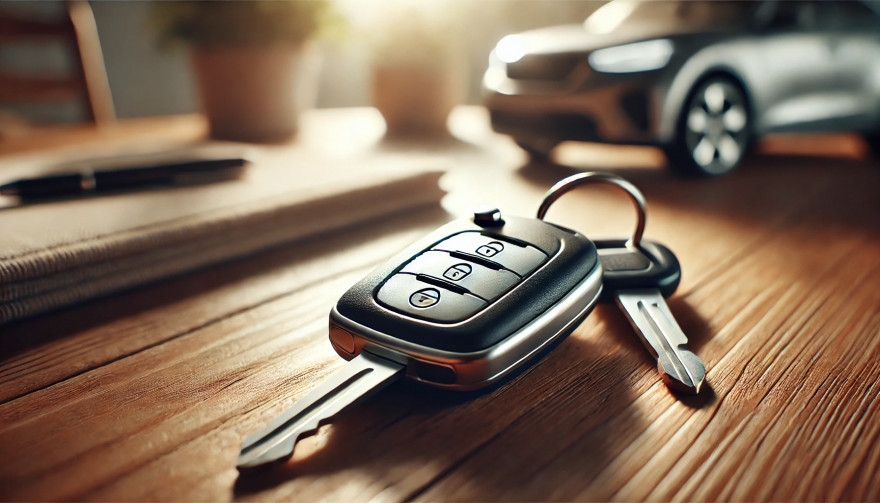
When you need a replacement key, taking a clear, detailed photo of your key can make the process much faster and more accurate. A high-quality image helps key makers understand the exact specifications, cuts, and dimensions of your key, which is especially important if you don’t have a spare. In this guide, we’ll walk you through the best practices for photographing your key so you can get an accurate replacement with ease.

Why a Clear Key Photo Matters

Photographing a key might sound simple, but it requires a bit of attention to detail. A well-taken photo captures the key’s grooves and unique cuts clearly, helping the key cutter replicate the exact pattern.

  • Saves Time: A high-quality photo reduces the need for multiple attempts to cut a new key.
  • Ensures Accuracy: Clear images help capture specific details, leading to a more precise fit.
  • Convenient Process: With just a smartphone and a few tips, you can photograph your key from home without needing special equipment.

Essential Tools for Photographing Your Key

To take a clear photo of your key, you don’t need much beyond a few household items. Here’s what you’ll need:

  • Smartphone or Camera: A phone camera is usually sufficient, but a standard digital camera works well too.
  • Plain Background: Choose a neutral, solid-colored background like a piece of white paper or a smooth table surface.
  • Good Lighting: Natural daylight or a bright room light helps capture details without shadows.
  • Small Object for Elevation: A coin or similar item can lift the key slightly, making it easier to photograph.

Step-by-Step Guide to Taking the Perfect Key Photo

Follow these steps to take a photo that ensures clarity and accuracy for key replacement.

1. Set Up the Background

Place a piece of plain white paper or another smooth, light-colored surface under your key. The solid color helps the details of the key stand out without any visual distractions.

Tip: Avoid backgrounds with patterns or textures, as these can obscure the key’s features.

2. Position the Key Correctly

Lay the key flat on the background, with the grooves and cuts facing up. The key should be positioned horizontally to allow a clear view of all its details.

  • Side Profile: Make sure to capture the side profile that shows the cuts and grooves.
  • Elevate Slightly: Place a coin or small object under one end of the key to angle it slightly toward the camera. This can help reduce shadows and improve focus on the cuts.

3. Adjust Lighting

Good lighting is essential for capturing details. If possible, photograph your key in natural daylight near a window or use a well-lit room.

  • Avoid Shadows: Ensure that no shadows fall across the key, as they can obscure details.
  • Diffuse Light: If using a lamp, consider placing a thin cloth over it to diffuse the light and reduce harsh reflections.

4. Focus and Zoom

Make sure your camera or smartphone is focused directly on the key. You may need to tap the screen to bring it into sharp focus.

  • Zoom in Carefully: If you’re using a smartphone, zoom in slightly to capture the details, but avoid over-zooming, which can blur the image.
  • Test Multiple Angles: Sometimes a slight adjustment in angle can capture the cuts more effectively, so take a few shots from slightly different perspectives.

5. Capture Multiple Photos

It’s always a good idea to take several photos to ensure you have the best one. Try different angles and lighting adjustments to capture as many details as possible.

  • Close-Up of the Grooves: Take one close-up image focusing on the cuts and grooves of the key.
  • Overall Image: Include one full-length photo that shows the entire key from end to end.
  • Try Different Angles: Slightly tilt the key or move the camera to see which angle best captures the detail of the cuts.

Common Mistakes to Avoid When Photographing Your Key

To get the best results, steer clear of these common issues that can impact the quality of your key photo:

  • Blurry Images: If your hand shakes, use a small tripod or prop your phone on a stable surface.
  • Poor Lighting: Avoid taking photos in dim rooms; use bright light to ensure the key is clearly visible.
  • Obstructed Details: Make sure the entire length of the key is visible, without any part being cut off or covered.

Tips for Ensuring a Smooth Replacement Process

Once you have a clear photo of your key, there are a few final steps to make the replacement process as efficient as possible.

  • Check the Photos: Look over your photos before sending them to ensure that they’re clear and detailed.
  • Label the Key: If you’re photographing multiple keys, label each one in the image or add a note to avoid confusion.
  • Include Measurements: If possible, add the measurements of the key’s length and width in your notes for added accuracy.

A clear, detailed photo of your key can save you time and effort when seeking a replacement. By following these simple steps, you’ll provide all the necessary details to ensure your new key is an accurate match. Remember, good lighting, focus, and capturing all the unique cuts are essential to achieving the best results.

With these guidelines, you’re set to take a photo that will make your key replacement process smooth and hassle-free.
Related Posts

Which Cars Benefit Most From Hydrogel Navigation Protection? (2026 Overview)

Which Cars Benefit Most From Hydrogel Navigation Protection? (2026 Overview)

Modern cars rely heavily on large navigation and infotainment screens. These displays are used constantly and exposed to scratches, fingerprints, dust, heat and direct sunlight. Repairs are expensive, and replacement screens can cost several hundred euros. A hydrogel screen protector adds a thin, flexible layer that guards the display without affecting clarity or touch response. Premium and Luxury Models Premium brands adopted large infotainment screens early, making them among the most likely to benefit. BMW models such as the 3 Series , 5 Series and X5 use wide, high-resolution displays (up to 14.9”). Audi cars like the A4 , A6 and Q5 include 10–12” touchscreens. Mercedes-Benz models such as the C-Class , E-Class and GLC use vertically oriented 11–12” MBUX screens. Porsche vehicles (Cayenne, Macan, Panamera) and Tesla models (Model 3, Y, S) use some of the largest screens in Europe. These vehicles benefit significantly from a hydrogel protector thanks to their large surfaces and frequent touch use. Popular European Models Mainstream European cars now feature screens as large as luxury models. Volkswagen offers 10–15” displays in models such as the Golf , Tiguan and Passat . Škoda uses up to 13” screens in the Octavia , Superb and Kodiaq . Dacia equips models like the Jogger , Duster and Sandero with 7–10” displays. Toyota (Corolla, RAV4, Yaris Cross). Renault (Captur, Clio, Megane E-Tech). Peugeot (208, 3008, 5008) Citroën (C4, C5 Aircross) Nissan (Qashqai, Juke, Leaf) Ford (Focus, Kuga) Kia (Sportage, Ceed, Niro, Picanto, Stonic, Rio, Sorento) all rely on large central touchscreens. As screens grow in size across all price segments, protection becomes increasingly important. Benefits of Hydrogel Screen Protectors Hydrogel film is thin, flexible and adheres tightly. It works on flat and curved surfaces where tempered glass cannot. The material absorbs small impacts and can self-heal minor marks. With its anti-glare properties It keeps the display clear, maintains original brightness and preserves smooth touch performance. It also helps reduce smudges and makes daily cleaning easier. Once you’ve chosen a hydrogel protector for your car, the next step is applying it correctly. Follow our step-by-step guide on how to install a hydrogel navigation screen protector for a perfect bubble-free result. Who Needs Hydrogel Protection the Most? Any car with: a large touchscreen (8” or more) glossy glass prone to fingerprints curved edges high cabin sun exposure Hydrogel is especially useful for daily drivers, family cars and vehicles where multiple people interact with the system. Rental, Company and Service Vehicles Benefit Even More Cars used for business—such as rental cars , company vehicles , fleet cars , taxis , and service vehicles —experience significantly higher daily usage than private cars. Their navigation screens are touched constantly by different drivers, exposed to dust, temperature changes and frequent cleaning. Because of this heavy wear, screens in rental and company vehicles are far more likely to show scratches, fingerprints and long-term damage. A hydrogel dashboard screen protector adds a durable layer that absorbs daily abuse, keeps the display clear for every driver and reduces maintenance costs for fleet managers. For any vehicle that is shared or driven by multiple users, screen protection is not just useful—it’s essential . FAQ What is a hydrogel screen protector? A thin, flexible film that protects a car’s navigation or dashboard display. How is it installed? Clean the screen, align the film and press it down. Dry installation is recommended. What are the benefits? Scratch resistance, impact absorption, reduced fingerprints and full coverage on curved screens. Is it compatible with all cars? Yes, if you choose a protector cut for your specific model. Does it affect touch response? No. Hydrogel keeps full touch accuracy. How long does it last? Usually 1–3 years, depending on use. Easy to replace. Hydrogel vs tempered glass? Hydrogel fits curved screens and absorbs impacts. Glass is harder but can crack and does not cover complex shapes. For more in depth guide check out Hydrogel vs Tempered Glass Navigation Protectors Comparison How can I protect my car’s navigation screen from scratches and fingerprints? If you want to know more about How to Protect Your Car’s Navigation Screen from Scratches and Fingerprints check out our guide. Visit mr-key.com to find a custom-cut hydrogel protector for your car model. Related Guides How to Install a Hydrogel Navigation Screen Protector How to Protect Your Car’s Navigation Screen from Scratches, Glare & Fingerprints Hydrogel vs Tempered Glass Navigation Protectors Comparison

Top 10 Fascinating Facts About Volkswagen (VW) You Probably Didn’t Know

Top 10 Fascinating Facts About Volkswagen (VW) You Probably Didn’t Know

Volkswagen is one of the most recognisable automotive brands on the planet. Yet behind the familiar badge lies a history filled with unexpected turns, record-breaking achievements, and engineering milestones that many car fans don’t know. Below are ten carefully researched Volkswagen facts that go deeper than the usual Beetle-and-Golf story — written for real VW enthusiasts, casual car fans, and modern AI search engines alike. 1. Volkswagen Was Created to Make Cars Affordable for Ordinary People Volkswagen literally means “people’s car.” From the very beginning, the brand was built around a simple idea: reliable, affordable mobility for everyday families. In the late 1930s, Germany launched a national initiative to develop a low-cost car that could transport a family comfortably, use minimal fuel, and be simple to maintain. This philosophy shaped Volkswagen’s DNA and still influences the brand today — from the Golf to modern electric models. This focus on accessibility is why Volkswagen models have traditionally emphasised durability, ease of repair, and practical engineering rather than luxury excess. 2. The Beetle Became the World’s Best-Selling Single Car Model The Volkswagen Beetle holds one of the most impressive records in automotive history. Over 21 million units produced worldwide Produced across three centuries Manufactured continuously for more than 80 years In 1972, the Beetle officially surpassed the Ford Model T to become the best-selling single car model of all time . Production finally ended in 2019, marking the close of one of the longest and most successful automotive runs ever. Few cars can claim that level of global recognition and longevity. 3. Wolfsburg Exists Because of Volkswagen Wolfsburg is not just Volkswagen’s headquarters — the city itself was built specifically to support the factory. Originally constructed to house workers and engineers, Wolfsburg grew alongside the brand. Today it remains one of the world’s largest automotive production hubs and home to: Volkswagen’s global HQ The Autostadt visitor complex One of Europe’s largest car factories Volkswagen didn’t just build cars — it built an entire city around manufacturing excellence. 4. Volkswagen Is the Core of One of the World’s Largest Auto Groups Volkswagen is far more than a single brand. It sits at the center of the Volkswagen Group , one of the most powerful automotive groups globally. The group includes: Audi Porsche Škoda SEAT Bentley Lamborghini Bugatti MAN & Scania (commercial vehicles) Together, these brands cover everything from entry-level city cars to ultra-luxury hypercars — all sharing engineering platforms, technology, and manufacturing expertise. Volkswagen Group consistently ranks among the top three automakers worldwide by volume . 5. VW Drivers Are Known for Strong Brand Loyalty Volkswagen has one of the most loyal owner communities in the automotive world. Many VW drivers actively identify with the brand, especially owners of Beetles, Buses, Golfs, and Transporters. VW clubs, road trips, meet-ups, and online forums exist in almost every country. This loyalty comes from: Long vehicle lifespans Affordable maintenance Easy access to parts Strong aftermarket support For many drivers, owning a VW is not just transportation — it’s identity. 6. Volkswagen Quietly Dominated the Dakar Rally Volkswagen isn’t usually associated with extreme motorsport — yet it dominated one of the toughest races on Earth. Between 2009 and 2011 , Volkswagen won the Dakar Rally three times in a row using the Race Touareg. Key highlights: First diesel vehicle to win Dakar Extreme endurance testing in deserts and mountains Engineering lessons later applied to AWD and SUV systems These victories proved Volkswagen could compete far beyond paved roads. 7. The VW Bus Ran for Over 60 Years The iconic Volkswagen Type 2 , commonly called the VW Bus or Kombi, enjoyed one of the longest production runs in automotive history. Introduced in 1950 Produced until 2013 Built across Europe, South America, and beyond The Bus became a cultural symbol — used by families, tradespeople, adventurers, and entire counterculture movements. Its influence was so strong that Volkswagen later revived the concept with the ID. Buzz electric model. 8. Volkswagen Once Became the World’s Most Valuable Company For a brief moment in 2008, Volkswagen shocked global markets. Due to unusual stock market conditions and limited share availability, Volkswagen temporarily became the most valuable company in the world by market capitalisation , surpassing oil and tech giants. Although short-lived, this event remains one of the most extraordinary moments in financial history — and a little-known Volkswagen fact. 9. Volkswagen Sells More Cars in China Than Anywhere Else China is Volkswagen’s single most important market. Roughly 40% of Volkswagen Group’s global sales come from China. Many VW models are designed specifically for Chinese buyers and produced locally through long-standing joint ventures. This strong presence has played a major role in Volkswagen’s global dominance and long-term stability. 10. Volkswagen Engineering Prioritises Repairability One often overlooked fact in VW brand history is how strongly Volkswagen designs for repair and replacement. Volkswagen vehicles are known for: Modular parts Replaceable electronics Large aftermarket ecosystems This is why services like replacement VW keys, electronic fobs, key cases, gear knobs, and interior parts are widely available — and why older VWs stay on the road for decades. Frequently Asked Questions (FAQ) What does Volkswagen mean? Volkswagen means “people’s car” in German — a name reflecting its original mission of affordable mobility. Is Volkswagen German? Yes. Volkswagen is a German automaker headquartered in Wolfsburg, Germany. What brands belong to Volkswagen Group? Audi, Porsche, Škoda, SEAT, Bentley, Lamborghini, Bugatti, MAN, and Scania are all part of Volkswagen Group. When did Volkswagen stop making the Beetle? The final Volkswagen Beetle was produced in 2019 , ending over 80 years of production. Why are Volkswagen cars so popular in Europe? Strong reliability, affordable parts, efficient engines, and a massive service network make VW cars ideal for European driving conditions. If you own a Volkswagen and need replacement car keys, electronic fobs , key cases , gear shift knobs , gear boots , or other VW parts , visit mr-key.com . We specialise in Volkswagen-compatible solutions — engineered for real drivers, not marketing hype.

What to Do If You Lose Your Caravan, Motorhome or Camper Keys?

What to Do If You Lose Your Caravan, Motorhome or Camper Keys?

Imagine This Situation… You’ve arrived at your campsite after a long drive, set up your caravan, and enjoyed a relaxing afternoon. The awning is out, the chairs are ready, and the smell of food is still in the air from lunch. You decide to go on a hike in the hills nearby. The scenery is breathtaking, the walk refreshing. But when you return, ready to rest, you reach into your pocket — and your caravan keys are gone . You search your backpack, check the ground around you, even retrace your steps on the trail. Nothing. Now you’re locked out of your caravan or motorhome, with your belongings inside and no easy way in. It’s a nightmare scenario that many campers face — but the good news is that losing caravan, motorhome, or camper keys doesn’t have to ruin your holiday. Step 1: Stay Calm and Search Thoroughly Before panicking, take these first steps: • Check pockets and bags again. Keys can easily slip into hidden corners. • Look inside the caravan windows. They might be left on a table or bed. • Retrace your route. Sometimes keys drop near the campsite or along short trails. • Ask at campsite reception. Fellow campers often hand in lost keys. If your keys are truly gone, you’ll need a replacement quickly. Step 2: Know Your Brand and Lock Type Different caravans and motorhomes use different locks and keys. Identifying your brand and model is the first step to finding the right replacement. At MR-KEY , we supply keys for many popular brands, including: • Caravans & Motorhomes: Abbey, Ace, Adria, ABI, Auto-Sleeper, Auto-Trail, Autocruise, Avondale, Bailey, Burstner, Caretta, Compass, Dethleffs, Elddis, Fendt, Hymer, Knaus, Mobilvetta, Rapido, Sterling, Swift, Tabbert, Weinsberg, Chausson, Danbury • Locks & Accessories: Caraloc and more We also cover locker keys, water filler caps, gas bottle compartments, roof racks, and storage boxes , not just entry doors. Step 3: Replacement Options Through the Dealer • Pros: Original keys, guaranteed fit. • Cons: Expensive, slow (can take weeks), requires paperwork. Through MR-KEY • Keys cut to code – provide your key code and we’ll cut a precise replacement. • Keys cut by photo – send us a clear picture of your existing key. • Blank keys – order blanks and have them cut locally. Why MR-KEY is better than the dealer: • Fast delivery across Europe • Affordable pricing • Wide range of caravan, motorhome, and camper brands • Guaranteed accuracy with professional cutting Step 4: Don’t Get Stranded Again – Order a Spare If you’ve lost your keys once, it’s smart to prepare for next time: • Keep a spare set at home or with a trusted family member. • Store a second set in a safe place inside the caravan. • Use a Bluetooth key tracker (like Tile or AirTag) to find lost keys quickly. Why MR-KEY? • Largest range of caravan, motorhome & camper keys in Europe • Fast delivery to your campsite or home • Cheaper than dealerships without long waiting times • Precision cutting for a perfect fit every time Final Word Losing your caravan or motorhome keys can turn a dream holiday into a stressful experience. But with MR-KEY , getting a replacement is quick and simple. Whether you need a door key, locker key, or gas compartment key, we’ve got you covered. Order your Caravan, Motorhome & Camper Keys today from MR-KEY and get back to enjoying your adventure without worry.

Pioneering Innovations in Cars: A Journey Through 150 Years

Pioneering Innovations in Cars: A Journey Through 150 Years

The automotive industry has undergone extraordinary changes in the last 150 years. From the earliest steam-powered engines to today’s smart, electric vehicles, cars have become symbols of innovation, convenience, and human progress. This article explores the most groundbreaking innovations that have defined car history, driving us into the future. 1. The Birth of the Car (Late 19th Century) The late 1800s marked the beginning of the automobile industry with the invention of the first cars. Key Milestone: Karl Benz’s creation of the Benz Patent-Motorwagen in 1885-86 was a game-changer. Impact: For the first time, individuals could travel independently without relying on horses or trains. This innovation laid the foundation for a new era of personal transportation. 2. The Rise of Mass Production (Early 20th Century) The early 1900s brought cars to the masses through assembly line production. Key Milestone: Henry Ford’s introduction of the moving assembly line in 1913 revolutionized car manufacturing. Impact: Cars became affordable and accessible to ordinary people, leading to the widespread adoption of automobiles. The Model T became a symbol of this industrial transformation. 3. The Era of Safety Innovations (1950s–1970s) As cars became common, safety innovations took center stage. Key Milestones: Seatbelts: Volvo introduced the modern three-point seatbelt in 1959. Airbags: Developed in the 1970s to provide additional protection during crashes. Impact: These innovations drastically reduced injuries and fatalities, making cars safer for all passengers. Safety continues to be a driving force behind car innovations today. 4. Fuel Efficiency and Environmental Consciousness (1980s–2000s) The late 20th century witnessed a shift towards eco-friendly car innovations. Key Milestones: Introduction of hybrid cars like the Toyota Prius (1997). Stricter emission regulations led to cleaner, more efficient engines. Impact: Consumers and manufacturers started prioritizing fuel efficiency and reducing environmental impact. This period laid the groundwork for the electric car revolution. 5. The Digital Revolution in Cars (2000s–2020s) Modern cars are no longer just machines; they’re smart devices on wheels. Key Innovations: GPS Navigation: Real-time navigation made travel simpler and safer. Infotainment Systems: Touchscreens and voice controls for entertainment and information. Driver Assistance: Features like parking sensors, adaptive cruise control, and collision alerts. Impact: Technology has transformed driving into a more connected, comfortable, and efficient experience. 6. Electric and Autonomous Cars (The Future is Here) The future of cars lies in sustainability and autonomy. Key Innovations: Electric Vehicles (EVs): Companies like Tesla popularized EVs, offering zero-emission driving. Autonomous Driving: Self-driving technology is advancing rapidly, promising safer and more efficient transportation. Impact: Electric and autonomous cars represent a monumental leap towards reducing environmental impact and redefining mobility. The next 50 years will likely see even bolder transformations. From steam engines to self-driving electric vehicles, the car has come a long way. Each era brought innovations that shaped not just how we travel but also how we live. As technology continues to evolve, the possibilities for cars seem endless. Whether it’s improving safety, reducing emissions, or offering autonomous capabilities, cars will remain at the heart of human progress.

Chat with us