Post Name

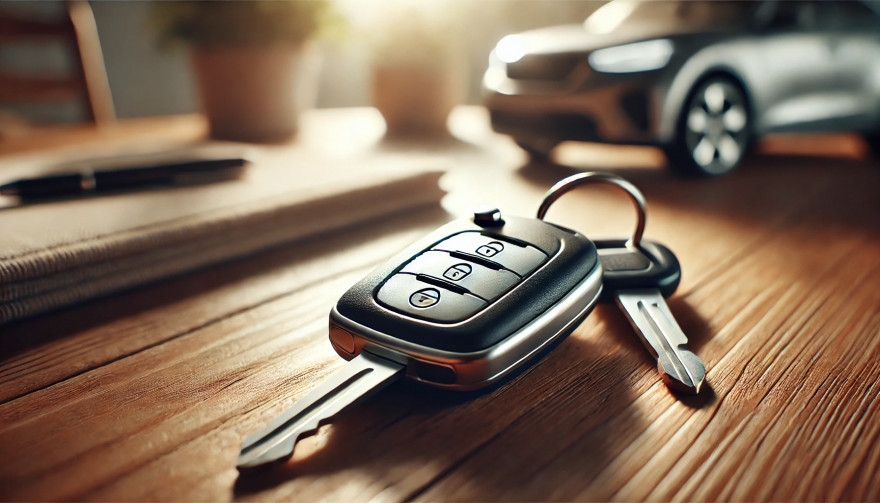
When you need a replacement key, taking a clear, detailed photo of your key can make the process much faster and more accurate. A high-quality image helps key makers understand the exact specifications, cuts, and dimensions of your key, which is especially important if you don’t have a spare. In this guide, we’ll walk you through the best practices for photographing your key so you can get an accurate replacement with ease.

Why a Clear Key Photo Matters

Photographing a key might sound simple, but it requires a bit of attention to detail. A well-taken photo captures the key’s grooves and unique cuts clearly, helping the key cutter replicate the exact pattern.

  • Saves Time: A high-quality photo reduces the need for multiple attempts to cut a new key.
  • Ensures Accuracy: Clear images help capture specific details, leading to a more precise fit.
  • Convenient Process: With just a smartphone and a few tips, you can photograph your key from home without needing special equipment.

Essential Tools for Photographing Your Key

To take a clear photo of your key, you don’t need much beyond a few household items. Here’s what you’ll need:

  • Smartphone or Camera: A phone camera is usually sufficient, but a standard digital camera works well too.
  • Plain Background: Choose a neutral, solid-colored background like a piece of white paper or a smooth table surface.
  • Good Lighting: Natural daylight or a bright room light helps capture details without shadows.
  • Small Object for Elevation: A coin or similar item can lift the key slightly, making it easier to photograph.

Step-by-Step Guide to Taking the Perfect Key Photo

Follow these steps to take a photo that ensures clarity and accuracy for key replacement.

1. Set Up the Background

Place a piece of plain white paper or another smooth, light-colored surface under your key. The solid color helps the details of the key stand out without any visual distractions.

Tip: Avoid backgrounds with patterns or textures, as these can obscure the key’s features.

2. Position the Key Correctly

Lay the key flat on the background, with the grooves and cuts facing up. The key should be positioned horizontally to allow a clear view of all its details.

  • Side Profile: Make sure to capture the side profile that shows the cuts and grooves.
  • Elevate Slightly: Place a coin or small object under one end of the key to angle it slightly toward the camera. This can help reduce shadows and improve focus on the cuts.

3. Adjust Lighting

Good lighting is essential for capturing details. If possible, photograph your key in natural daylight near a window or use a well-lit room.

  • Avoid Shadows: Ensure that no shadows fall across the key, as they can obscure details.
  • Diffuse Light: If using a lamp, consider placing a thin cloth over it to diffuse the light and reduce harsh reflections.

4. Focus and Zoom

Make sure your camera or smartphone is focused directly on the key. You may need to tap the screen to bring it into sharp focus.

  • Zoom in Carefully: If you’re using a smartphone, zoom in slightly to capture the details, but avoid over-zooming, which can blur the image.
  • Test Multiple Angles: Sometimes a slight adjustment in angle can capture the cuts more effectively, so take a few shots from slightly different perspectives.

5. Capture Multiple Photos

It’s always a good idea to take several photos to ensure you have the best one. Try different angles and lighting adjustments to capture as many details as possible.

  • Close-Up of the Grooves: Take one close-up image focusing on the cuts and grooves of the key.
  • Overall Image: Include one full-length photo that shows the entire key from end to end.
  • Try Different Angles: Slightly tilt the key or move the camera to see which angle best captures the detail of the cuts.

Common Mistakes to Avoid When Photographing Your Key

To get the best results, steer clear of these common issues that can impact the quality of your key photo:

  • Blurry Images: If your hand shakes, use a small tripod or prop your phone on a stable surface.
  • Poor Lighting: Avoid taking photos in dim rooms; use bright light to ensure the key is clearly visible.
  • Obstructed Details: Make sure the entire length of the key is visible, without any part being cut off or covered.

Tips for Ensuring a Smooth Replacement Process

Once you have a clear photo of your key, there are a few final steps to make the replacement process as efficient as possible.

  • Check the Photos: Look over your photos before sending them to ensure that they’re clear and detailed.
  • Label the Key: If you’re photographing multiple keys, label each one in the image or add a note to avoid confusion.
  • Include Measurements: If possible, add the measurements of the key’s length and width in your notes for added accuracy.

A clear, detailed photo of your key can save you time and effort when seeking a replacement. By following these simple steps, you’ll provide all the necessary details to ensure your new key is an accurate match. Remember, good lighting, focus, and capturing all the unique cuts are essential to achieving the best results.

With these guidelines, you’re set to take a photo that will make your key replacement process smooth and hassle-free.

Related Posts

DIY Guide: How to Program or Sync Your Car Key Fob at Home

DIY Guide: How to Program or Sync Your Car Key Fob at Home

Programming a car key fob doesn’t always require a trip to the dealership or an expensive diagnostic tool. In many cases, you can program or resync your key fob at home—saving both time and money. Whether you’ve just replaced the battery, changed the shell, or purchased a new key fob entirely, this guide will walk you through the basics of syncing it with your vehicle. Why Program Your Key Fob? Key fobs are integral to modern car access and ignition systems. When you replace or reset your key, the vehicle and fob must reestablish communication. Without syncing, features like remote locking, trunk release, or even engine start may stop functioning. This synchronization process ensures your key fob and vehicle are electronically paired and communicate securely. Without it, even a new battery or case won’t make your remote functional again. Can You Program It Yourself? The answer depends largely on the make and model of your vehicle. Older vehicles with basic remote key fobs often support manual onboard programming that doesn’t require specialized equipment. These procedures typically involve inserting the key into the ignition, turning it in a specific sequence, and pressing buttons on the fob within a certain time frame. It’s a simple process, and many car owners are surprised at how effective these methods can be. In contrast, modern vehicles with smart keys or keyless entry systems usually require advanced programming tools. These keys often contain transponders that must be linked to the car’s electronic control unit, a task typically performed by dealerships or professional auto locksmiths. Still, if you own a basic Opel, Peugeot, or Citroën model, there’s a good chance you can complete the task yourself at home. How Onboard Programming Works If your vehicle supports onboard programming, the steps are often straightforward. While the exact process may vary depending on the model, the general method includes entering the vehicle, turning the ignition on and off several times, and pressing a button on the remote to complete pairing. You may receive confirmation through a dashboard light flash or an audible chime, indicating that the key fob is now synced. Take note, though: some vehicles require all remotes to be programmed in the same session, so if you have multiple key fobs, have them all with you before starting. If the procedure doesn’t work, don’t be discouraged—it may simply mean your car requires a more advanced programming approach. When Should You Call a Professional? Not all keys can be programmed at home. Smart keys, proximity sensors, and certain immobilizer systems are designed with enhanced security that requires proprietary equipment to program. If your vehicle doesn’t respond to onboard programming or your key fob is completely unresponsive, it’s best to seek assistance from a certified locksmith or dealership. Trying to force the programming process can sometimes cause more harm than good. If you’re unsure, always verify the requirements in your car’s manual or consult a trusted technician. Essential Tips for Success To avoid frustration, start with the basics: always use a fresh battery from a trusted brand such as Panasonic CR2032 . Clean the internal contacts and handle the circuit board carefully to prevent static damage. Don’t rush—take the time to follow steps precisely and test functionality before fully reassembling the key. When replacing the key shell, make sure it's compatible with your exact model and that the key blade, transponder chip, and electronics are properly seated. With a bit of patience and the right information, programming your car key fob at home can be a practical and satisfying DIY fix. For basic vehicles, it’s a task you can handle in minutes—saving the cost and hassle of dealership appointments. Understanding your vehicle’s requirements and using reliable parts makes all the difference. Whether you're refreshing an old key with a new case or pairing a new remote to your car, the ability to program it yourself puts control back in your hands. For a full selection of batteries, shells, and compatible accessories, visit mr-key.com .

What Makes EV Key Fobs Different from Traditional Car Keys?

What Makes EV Key Fobs Different from Traditional Car Keys?

When you think about car keys, you probably picture the classic remote fob—the one you click to lock or unlock your car from a short distance. For years, this type of key was the standard. But with the rise of electric vehicles (EVs), key fobs have changed more than you might think. They’ve become smarter, more secure, and packed with new technology that sets them apart from their traditional counterparts. So, what exactly makes an EV key fob different? Let’s dive into the world of modern keys and discover why electric vehicle fobs aren’t just an accessory—they’re a key part of the driving experience. Smarter Connections One of the most noticeable differences between EV key fobs and traditional ones is how much they actually “talk” to your car. Old-school fobs were pretty simple. They sent a basic signal to lock or unlock your doors and maybe popped the trunk if you were lucky. But EV key fobs are much more connected. Many of them communicate with the car’s internal system in real-time. When you press a button on an EV fob, you’re not just opening doors—you might be starting the climate control, checking the battery level, or even setting your seat to your personal position. Some fobs go a step further, automatically unlocking the car as you walk up or adjusting settings based on which key is nearby. It’s no longer just a key—it’s part of your driving profile. Software That Evolves Here’s something traditional key fobs can’t do: get smarter over time. EV key fobs often receive something called Over-The-Air (OTA) updates . Just like your phone or your laptop, your key fob’s software can be updated remotely. This can improve its performance, fix bugs, and even add new features. That means your EV key fob is no longer a “set it and forget it” device. It evolves with your car. Updates can make your key safer, faster, and more reliable without you ever stepping foot in a dealership. For some EV owners, their key fob today might already be more advanced than when they first got it. Stronger Security Security has always been important, but for modern EV key fobs, it’s taken to a whole new level. Traditional key fobs use basic encryption, which—unfortunately—has become easier for tech-savvy thieves to bypass. EV key fobs, on the other hand, often use advanced encrypted signals that change every time you use them. Some are even equipped with Ultra-Wideband (UWB) technology, which makes it nearly impossible for criminals to hack or clone the key’s signal. In a world where keyless car theft is becoming more common, these newer security features offer real peace of mind. Your key fob isn’t just a remote—it’s a digital handshake between you and your car that’s designed to keep you protected. A Little More Power-Hungry All these advanced features, constant communication, and longer-range signals come with a small trade-off: EV key fobs tend to use more battery power than traditional ones. You might notice that you need to replace the battery a bit more often, especially if your fob is always syncing with the car or receiving regular updates. The good news? Most EV key fobs still use common, affordable batteries like the CR2032, and replacements are quick and simple. It’s just something to be aware of if you’re used to your old key fob battery lasting for years without a second thought. The Future in Your Pocket EV key fobs are no longer just about opening doors—they’re smart devices that bring you closer to your car’s full potential. They offer more convenience, better security, and the ability to grow and improve over time. As the automotive world moves toward electric, key fobs are evolving right along with it. Whether you drive an EV today or plan to in the future, your key is becoming just as high-tech as the vehicle it unlocks. At Mr. Key , we’re here to help you keep your key fob in top condition—whether you need a battery, a new key shell, or expert advice on key maintenance. Explore our range of products and keep your smart key working like new. Visit us at mr-key.com for all your car key needs.

The Journey of Car Keys: From Metal to Modern Tech

The Journey of Car Keys: From Metal to Modern Tech

Car keys have come a long way from simple metal tools to advanced digital systems. This evolution reflects the advancements in automotive security, convenience, and technology. Understanding the history of car keys gives you a better appreciation of the tools you use to unlock, start, and secure your vehicle. Here’s a look at how car keys have transformed over the years. 1. The Humble Beginnings: Metal Keys The story of car keys began with simple, unassuming metal keys designed to manually lock and unlock car doors. How They Worked: These keys were physical tools that matched a mechanical lock’s configuration. Challenges: Lost keys or broken locks often required professional locksmiths for replacements or repairs. Impact: Metal keys, while functional, offered little in terms of advanced security or convenience. Though basic, these keys laid the groundwork for innovations to come. 2. Entering the Electronic Era: Remote Keys The next big leap in car key evolution came with the introduction of remote keys in the 1980s. These keys added a layer of convenience and functionality. Features: Remote locking and unlocking. Panic buttons for emergencies. Integration with car alarms for added security. Advantages: No more fumbling for locks in the dark; a simple press of a button provided instant access. Drawbacks: Batteries needed frequent replacement, and repairs were more complex than with traditional metal keys. Remote keys quickly became a standard feature for modern vehicles. 3. The Smart Key Revolution By the late 1990s and early 2000s, smart keys emerged, transforming how you interacted with your car. How They Worked: These key fobs used radio signals to communicate with your car, allowing for keyless entry and push-button starts. Benefits: Enhanced security with encrypted signals. Increased convenience with no need to insert a key into the ignition. Sophisticated design and compact form factors. Limitations: These keys are expensive to replace and require professional programming. Smart keys brought unparalleled convenience but also increased the need for specialized services in case of loss or damage. 4. Integration with Smartphones: Digital Keys In recent years, car key technology has embraced the smartphone revolution, allowing you to unlock and start your car using your mobile device. Features: App-based controls for locking, unlocking, and starting your car. Sharing access with family or friends via the app. Enhanced security with biometric verification like fingerprints or face recognition. Advantages: No physical key needed, making it harder to lose or forget. Considerations: Dependence on phone battery life and app reliability. Digital keys represent the cutting edge of car key technology, blending convenience with advanced security features. 5. Biometric Car Keys: The Future of Security Biometric keys are poised to redefine vehicle access with unmatched security and personalization. How They Work: These systems rely on fingerprint or facial recognition to verify the user’s identity. Benefits: Impossible to replicate or hack. Fully personalized access. Enhanced theft protection. Challenges: High development costs and limited availability in mainstream vehicles. Biometric keys are still in their infancy but hint at a future where cars are more secure than ever. 6. Why Understanding Key Evolution Matters Knowing how car keys have evolved helps you make informed decisions when it’s time to replace or upgrade. Cost Considerations: From simple metal keys to advanced digital systems, replacement costs vary significantly. Security Features: Understanding the security features of your key can help you prevent theft and unauthorized access. Convenience: Opt for a system that matches your lifestyle, whether it’s a traditional key or an app-based digital solution. The more you know, the better equipped you are to choose the right key for your vehicle. Pro Tips for Key Replacement and Maintenance Backup Keys: Always keep a spare key in a safe location. Battery Checks: Replace key fob batteries regularly to avoid sudden malfunctions. Professional Help: Seek professional assistance for programming smart or digital keys. Protect Your Keys: Use a key cover to prevent wear and tear. Proper maintenance ensures your car key remains functional and reliable for years to come. From the simplicity of metal keys to the sophistication of biometric access, car key technology continues to evolve. Each advancement brings greater security, convenience, and innovation, making life easier for car owners like you. Whether you’re replacing a key or exploring the latest tech, understanding this evolution helps you stay ahead in the world of automotive technology.

Hydrogel vs Tempered Glass Navigation Protectors Comparison

Hydrogel vs Tempered Glass Navigation Protectors Comparison

Cars and vehicles nowadays often include large touchscreen navigation systems that are prone to scratches, fingerprints and cracks. These displays are expensive to replace – one owner reported a factory infotainment screen costing over $3,000 to swap out – so protecting them is crucial. That’s where navigation screen protectors come in. The two main options are hydrogel film protectors and tempered glass protectors . Below, we compare hydrogel vs tempered glass for car navigation screens, looking at fit, durability, clarity and more, so you can choose the best protection for your car. Hydrogel vs Tempered Glass: The Essentials Tempered glass protectors A rigid, hard 9H glass shield. Excellent scratch resistance, very clear, and feels like the original screen. Best for completely flat displays. Hydrogel protectors A flexible, self-healing polymer film originally used in aviation and military applications. Ultra-thin, edge-to-edge fit, excellent for curved or uniquely shaped screens. Key difference: Hydrogel bends. Tempered glass doesn’t. Fit & Coverage (Hydrogel Wins) Modern cars often have curved or tapered displays. Tempered glass cannot follow these shapes, leaving exposed edges, air gaps or weak adhesion points. Hydrogel protectors conform perfectly to flat, curved and 3D-shaped screens. They wrap the edges, eliminate halo gaps, and achieve full-surface coverage. If your car’s screen isn’t perfectly flat, hydrogel is the correct choice. Scratch & Impact Protection Tempered glass: Extremely resistant to scratches Can crack on impact, sacrificing itself to protect the screen Once cracked, must be replaced Hydrogel: Softer surface, but self-heals micro-scratches over time Doesn’t shatter; absorbs everyday bumps Ideal for preventing long-term wear and swirl marks Glass is harder; hydrogel stays clearer longer thanks to self-healing. Clarity, Glare & Touch Sensitivity Both types maintain high clarity and touch accuracy, but behave differently in real use: Tempered glass: Ultra-clear Glossy surface shows fingerprints easily Good touch response Hydrogel: Crystal-clear or matte anti-glare options Reduces reflections in sunlight — very useful in cars Zero touch interference due to ultra-thin structure Minor micro-bubbles self-resolve within hours If you drive in bright sun or hate fingerprint shine, hydrogel’s matte option is a major advantage. Installation & Removal Tempered glass: Simple dry install One-shot alignment Rigid, so easy to place but unforgiving if misaligned Hydrogel: Dry or wet install Allows micro-adjustments Easy bubble removal No cracking during installation Removal is simple for both, though hydrogel is safer (no glass shards, no risk of breakage during removal). If you want to learn more about how to install your hydrogel navigation screen protector visit our guide. Which Should You Choose? For general car owners with modern infotainment systems, the winner is clear: ✔ Hydrogel protectors are better for most car navigation screens. Why: Perfect fit on curved screens Self-healing surface Anti-glare options Full edge-to-edge coverage Zero loss in touch sensitivity Tempered glass is fine for older or perfectly flat screens — but today’s automotive displays benefit more from hydrogel technology. FAQ Does a navigation screen really need protection? Yes. Screens scratch easily, attract fingerprints, and are expensive to replace. A protector preserves clarity and resale value. Is hydrogel or tempered glass better overall? Hydrogel — unless your screen is perfectly flat. It fits better, reduces glare, and self-heals surface scratches. Will a protector affect touch response? No. Both types maintain excellent touch accuracy. Hydrogel is especially responsive due to its thin, adaptive structure. How do I protect my screen from fingerprints and glare? Use a matte hydrogel film. For more techniques, see our guide on [ How to Protect Your Car’s Navigation Screen from Scratches, Glare & Fingerprints ] . Which cars benefit most from hydrogel protection? Any model with curved, large, glossy or high-resolution displays. See our model list: [ Which Cars Benefit Most From Hydrogel Navigation Protection? ] . For custom-cut hydrogel protectors for your exact car model, visit mr-key.com . Related Guides How to Protect Your Car’s Navigation Screen from Scratches, Glare & Fingerprints How to Install a Hydrogel Navigation Screen Protector Which Cars Benefit Most From Hydrogel Navigation Protection?

Chat with us