
Post Name

Your car key is one of those things you don’t really think about — until it breaks. Whether it’s the worn-out buttons, a cracked shell, or a battery that gives up at the worst possible moment, an aging car key can cause more than just annoyance. But here's the good news: you can restore your key to like-new condition easily, affordably, and from the comfort of your home.

In this complete guide, we’ll show you how to choose the right replacement key shell for your car and why the Panasonic CR2032 battery is a trusted choice to keep your key fob performing reliably.


Part 1: How to Choose the Right Car Key Shell

Think of your key shell as a protective layer. It shields the sensitive electronics inside — the buttons, circuit board, and transponder chip — all of which are essential to operating your vehicle. When the case begins to wear down or fall apart, it’s time to replace it.

1. Know Your Car's Make, Model, and Year

Key shells are made to fit specific car models and years. For instance:

Flip key shells for Opel are commonly used on models from 2010 to 2024.

Audi smart key shells are dependent on the platform code (like A3 8Y or A4 B9).

Consult your owner's manual or use a compatibility tool like this one to confirm fitment.

2. Match the Key Blade

Blades come in various formats like HU162, VA2, or HU100. Even a slight variation in shape or groove pattern can render the key useless in your ignition or door locks. Carefully compare the blade on your current key to the one listed for any replacement shell.

3. Button Layout and Functionality

Make sure the number and positioning of buttons on the replacement shell matches your original. If not, the rubber pads may not line up with the contact points on your key’s circuit board, making the buttons unresponsive.

4. Interior Design and Compatibility

The outside might look the same, but inside layouts often differ. Ensure that your circuit board, battery slot, and chip all fit securely inside the new shell. Misalignment can cause rattling, failure to start the car, or buttons that don’t function correctly.

5. Material Quality

Avoid very cheap replacements with thin plastic and soft rubber. A good quality shell should be durable, with solid construction and tactile buttons that don't wear out quickly. For example, this Opel flip key shell combines strength with excellent fit.


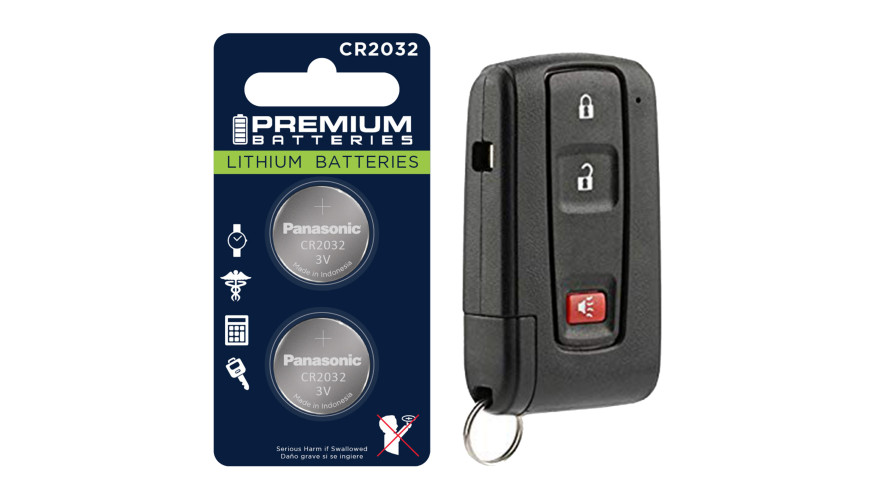
Part 2: Why We Recommend Panasonic CR2032 Batteries

When your key fob starts failing — maybe the range drops or it takes multiple presses to unlock — chances are the battery is low. Many car owners replace the shell without considering the battery, only to find the problem persists.

Understanding the CR2032

The CR2032 is a 3-volt lithium coin battery, commonly used in remote keys and small electronic devices. It’s compact, stable, and specifically suited for low-power, long-term applications.

What Makes Panasonic CR2032 Stand Out?

Panasonic’s version of the CR2032 is known for its consistency and reliability. It offers:

A stable voltage output, ensuring your key communicates with your car effectively

Longer life compared to many generic brands

Resistance to leaks, which protects internal circuits from corrosion

Choosing a battery from a trusted manufacturer can save you from unexpected failures, especially in colder climates where battery performance matters most. We recommend the Panasonic CR2032 battery for its excellent balance of performance and reliability.


Refreshing Your Car Key: A Practical Approach

If your car key is showing signs of age, it's usually best to replace both the shell and the battery. The process is simple:

Open the old shell carefully, using a flat tool if needed.

Remove the circuit board, chip, and battery.

Clean the components gently with a dry brush.

Place them into the new shell, ensuring alignment.

Insert a fresh CR2032 battery.

Close and secure the new shell.

After completing these steps, your key should be more responsive, look better, and feel sturdier in your hand.

Related Posts

Car Won’t Start After Key Shell Change? Here’s What the Transponder Chip Does

Car Won’t Start After Key Shell Change? Here’s What the Transponder Chip Does

Modern car keys have come a long way from the traditional cut metal blades of the past. What was once a simple tool for turning an ignition has evolved into a smart, encrypted device with layers of built-in security. Among the most critical components in today’s car keys is the transponder chip — a small but vital element that could be the reason your car doesn’t start after replacing your key shell. If you've recently changed the shell or casing of your key and suddenly find that your car won’t start, you're not alone. This is one of the most common (and frustrating) issues car owners face when performing a key repair or upgrade. So let’s break down what’s really happening — and how you can fix it. What Is a Transponder and What Does It Do? A transponder chip (short for “transmitter-responder”) is a small electronic component embedded in your car key. Its purpose is to communicate with your vehicle’s immobilizer system to authorize ignition. Here’s how it works: When you insert your key and turn the ignition, your car sends out a radio signal. The transponder chip in your key responds with a coded signal unique to your car. If the code is correct, the car’s computer disables the immobilizer and allows the engine to start. If the chip is missing, broken, or the code doesn’t match — the engine won’t start, even if the key blade physically turns. This system is an anti-theft measure, and it's present in most vehicles manufactured after the late 1990s. Without a functional transponder, your key may unlock the doors but it will not allow the car to start. This ensures that even if someone manages to copy the physical blade of your key, they still can’t steal your car. Why Your Key Might Not Work After Shell Replacement Changing your key shell (also called a case or housing) can seem like a simple cosmetic repair — but it’s easy to overlook the importance of transferring the transponder chip during the process. If your key no longer starts the car after a shell replacement, the most likely reason is: You forgot to move the transponder chip into the new shell. In many keys, the chip is not part of the electronics board . It’s often a tiny black or glass capsule , sometimes hidden in a small compartment within the key shell — completely separate from the buttons and battery. If you didn’t see it, it’s probably still sitting inside the old casing. Some people assume that simply moving over the circuit board and battery is enough — but without the transponder, your key won’t be recognized by the car’s immobilizer. This results in the engine failing to start, even though the buttons may still lock and unlock the doors. Symptoms of a Missing or Misplaced Transponder If your key turns in the ignition but: The car does not crank or start You see a flashing key icon or immobilizer warning on the dashboard The central locking might still work, but the engine won’t respond You hear a clicking sound but no ignition occurs Then it’s almost certainly a transponder issue. The car's system is waiting for a valid coded signal from the key — and without it, the start command is rejected. How to Fix It: What You Need to Do Here’s how to get your car running again: 1. Check Your Old Key Shell Open the old casing and look for a small black or clear capsule (typically rice-sized). That’s your transponder chip. Some are glued in place and may require careful prying. 2. Transfer the Chip Carefully remove it and insert it into the correct compartment in your new key shell. Some aftermarket shells have a specific slot for it, while others require a bit of creativity to keep it securely in place. In some cases, adhesive putty or double-sided tape can help hold it. 3. Reassemble and Test Put your key back together and try starting the car again. If the chip is correctly placed, it should work immediately — no reprogramming needed. Always test both ignition and door lock/unlock functions. What If You Lost the Chip? Unfortunately, if the chip is damaged or lost, the key will no longer be able to start your vehicle. In this case, you’ll need to: Contact a professional auto locksmith Have a new transponder chip programmed to your car’s immobilizer system Provide proof of ownership (such as your vehicle logbook or registration) in most cases Depending on the make and model of your car, programming a new chip may cost anywhere from $50 to $250 , and it typically requires special diagnostic equipment. It’s worth noting that some dealerships may charge significantly more than independent auto locksmiths — and you may have to wait longer for service. Pro Tips When Replacing Your Key Shell Always examine the inside of your old shell carefully before throwing it away. Take photos before disassembly so you know where each component goes. If you're unsure where the chip is or how to transfer it, look for DIY videos specific to your key model. Use tweezers and caution — the chip is fragile. Avoid static electricity or contact with magnets during the transfer process. Some modern keys have transponders integrated into the circuit board , in which case no separate chip needs to be moved. If you’re working with a smart key or proximity key, additional steps may be required. These typically involve re-synchronization with the vehicle’s system and may not function correctly without professional assistance. Small Chip, Big Consequences It’s incredible how something as small as a transponder chip can control such a major function. Replacing your key shell is a great way to refresh the look and feel of your key — but it’s vital not to overlook the importance of transferring every component, especially the transponder. Many DIY repairs are abandoned or lead to confusion simply because of this overlooked step. Fortunately, it’s one of the easiest problems to fix once you understand what to look for. If your key looks brand new but your car won’t start, don’t panic. Chances are, the solution is sitting inside your old key shell — quietly waiting to be moved over.

Guide to Identifying and Replacing Your Keys

Guide to Identifying and Replacing Your Keys

Losing your keys can be a frustrating experience, but identifying the right replacement doesn't have to be. Whether you've lost a house key, a car key, or a key to a padlock or cabinet, understanding how to identify the key you need is crucial. This guide will walk you through the process of identifying your keys, ensuring you find the right replacement quickly and efficiently. The Importance of Key Identification Before diving into how to replace a lost key, it’s important to understand why key identification is critical. Keys come in a variety of shapes, sizes, and designs, each tailored to specific types of locks. Identifying your key correctly will save time, money, and frustration. For example, car keys often include transponder chips that need to be programmed to your vehicle, while house keys may have specific patterns that fit only one brand of lock. Step 1: Check for Key Codes and Markings The first step in identifying your key is to look for any codes or markings. These can be found on the key itself or sometimes on the lock. Key codes are often a series of letters and numbers that indicate the specific model or cut of the key. If you still have the original key, examine it closely for these codes. If not, check the lock for any inscriptions that might offer clues. Key codes are essential, particularly for high-security keys or specialized keys such as those used in commercial settings. For car keys, this code might also be found in the vehicle’s manual or on a key tag provided at the time of purchase. Step 2: Determine the Key Type Next, determine the type of key you need. Different keys serve different purposes: House Keys: Typically flat with unique grooves along the edge, these are used in residential locks. Car Keys: These may include electronic transponders and are often more complex. Padlock Keys: Usually smaller, these keys have a unique profile that fits the specific lock. Cabinet or Locker Keys: These are often smaller and may be specific to a brand or lock type. Identifying the correct key type is important because it narrows down your options when searching for a replacement. Step 3: Identify the Lock Brand If you cannot find a key code, identifying the lock brand is the next best step. The brand name is usually stamped somewhere on the lock or key. Knowing the brand will help you narrow down the options for finding a replacement key. For example, many house keys are cut to fit specific brands like Yale or Schlage. Car keys, on the other hand, are usually specific to the car manufacturer. Knowing the brand is especially useful when you need to replace a key without an original to reference. Step 4: Examine the Key Profile The profile of the key refers to the unique cuts, grooves, and ridges along its blade. This profile is what allows the key to operate a specific lock. When identifying your key, compare the profile of your key to those available through online resources or in-store at key-cutting services. If you have a high-security key, it may have a more complex profile that is difficult to replicate. In such cases, it’s best to consult a professional locksmith or the lock manufacturer for an exact match. Step 5: Utilize Online Resources There are many online resources available to help you identify and replace your lost key. Websites often offer key identification tools where you can input details such as key codes, lock brands, and key types to find a match. Additionally, many online stores specialize in replacement keys, offering a wide selection based on the information you provide. Step 6: Contact the Manufacturer If you're still having trouble identifying your key, contacting the lock or car manufacturer can be extremely helpful. Provide them with any details you have about the lock or key, and they can often guide you to the right replacement. For car keys, your vehicle identification number (VIN) can often be used by the dealership to cut a new key or program a replacement transponder key. Step 7: Professional Locksmith Assistance When all else fails, a professional locksmith is your best bet. Locksmiths have the tools and expertise to identify and replicate nearly any type of key. They can also assist with programming transponder keys for cars or creating master keys for complex locking systems. Losing a key doesn't have to be a stressful experience if you know how to identify and replace it effectively. By following these steps—checking for key codes, determining the key type, identifying the lock brand, examining the key profile, using online resources, and seeking professional help—you can ensure that you find the right replacement quickly and efficiently. Proper key identification is the first step toward restoring access and ensuring security.

How Long Does a Car Key Battery Last? Can You Use a CR2025 Instead of a CR2032?

How Long Does a Car Key Battery Last? Can You Use a CR2025 Instead of a CR2032?

When was the last time you thought about the battery inside your car key? For most drivers, the answer is probably never—until the key suddenly stops working. A car key battery is a small but essential part of modern driving. It powers keyless entry, remote locking, and in many cases, keyless ignition systems. When the battery fails, it can leave you locked out of your car or stranded in inconvenient situations. Understanding how long a car key battery typically lasts and knowing when and how to replace it can save you time, money, and unnecessary frustration. In this detailed guide, you will learn how long a typical car key battery lasts, what factors shorten its life, the most common signs that your battery needs replacement, and whether you can substitute a CR2025 for a CR2032 battery in your car key fob. How Long Does a Car Key Battery Last? The average car key battery lasts between two to four years. However, the actual lifespan of your key battery depends on several factors, including how often you use the key, whether your car uses a proximity key system, the type of battery installed, the climate where you live, and the quality of the battery brand. If your car has a keyless entry system or keyless ignition that constantly communicates with your vehicle when nearby, your battery may drain more quickly. Frequent use—such as multiple lock and unlock cycles each day—also leads to faster battery depletion. What Can Shorten the Life of Your Car Key Battery? Frequent Use: Keys that are used many times per day will naturally consume more battery power. Keyless Proximity Systems: Smart keys that communicate continuously with the vehicle tend to use more energy. Extreme Temperatures: Exposure to both heat and cold can degrade battery performance and lifespan. Low-Quality Batteries: Cheap, no-name batteries often have a shorter life and can fail unexpectedly. Many drivers wait for their key to stop working before replacing the battery, but it is recommended to replace it proactively every one to two years to avoid surprise failures, especially before long trips or the winter season. Signs That Your Car Key Battery Is Failing Your car key usually gives warning signs before the battery completely dies. Knowing these symptoms can help you avoid being caught in an inconvenient situation. Reduced Range: You may need to stand closer to your car for the key to work properly. Delayed Response: The car may not immediately lock or unlock when you press the button. Intermittent Operation: Sometimes the key works, sometimes it does not. Dashboard Alerts: Some vehicles display a "low key battery" warning on the dashboard. Complete Failure: If ignored, the key will eventually stop working entirely. If you notice any of these warning signs, it is best to replace the battery immediately to ensure continuous, reliable operation. When Should You Change Your Car Key Battery? The best time to change your car key battery is before it fully fails. Most experts recommend replacing the battery every two years as preventive maintenance. You should also replace the battery immediately if you notice that your key’s range has reduced or if it sometimes stops working without warning. Seasonal changes also play a role. During winter, cold temperatures can reduce battery performance significantly, which is why it is wise to replace your battery before the onset of cold weather. Additionally, if you are planning a long trip or vacation, it is a good idea to install a new battery beforehand to avoid potential inconvenience. Can You Use a CR2025 Instead of a CR2032 Battery in a Car Key? One of the most common questions drivers ask is whether a CR2025 battery can be used as a substitute for a CR2032 in a car key fob. Although the two batteries are similar in many ways, there are critical differences to consider. CR2025 vs. CR2032: What Is the Difference? Both the CR2025 and CR2032 batteries are 3-volt lithium coin cells and have the same diameter of 20 millimeters. However, their thickness and capacity differ. Feature CR2025 CR2032 Diameter 20 mm 20 mm Thickness 2.5 mm 3.2 mm Voltage 3 volts 3 volts Capacity Approximately 150 mAh Approximately 220 mAh The CR2032 is thicker and has a higher energy capacity, meaning it will typically last longer than a CR2025 in the same device. Can a CR2025 Fit in a CR2032 Slot? Technically, a CR2025 can physically fit into a car key fob designed for a CR2032 battery because they have the same diameter. However, because the CR2025 is thinner, it may not make stable contact with the battery terminals inside the key. Some people attempt to compensate for the thinner battery by adding a small piece of paper, cardboard, or aluminum foil to hold it in place. Although this may temporarily restore functionality in an emergency, it is not a reliable or recommended solution for long-term use. Should You Use a CR2025 Instead of a CR2032? The short answer is that using a CR2025 in place of a CR2032 is acceptable as a temporary, emergency solution but is not advisable as a permanent fix. Using the incorrect battery size can lead to poor contact, inconsistent performance, and a much shorter operating life. Risks of Using the Wrong Battery: Unstable contact may cause the key to work intermittently. Lower battery capacity means the key will require more frequent battery replacements. A loose battery inside the fob can shift during handling, potentially damaging the internal components. For long-term reliability and to protect your car key from unnecessary wear, it is always best to use the exact battery size specified for your key fob. Where to Buy the Right Car Key Battery If you are looking for a high-quality CR2032 battery for your car key, Mr Key offers reliable options from trusted brands such as Panasonic. Choosing a premium battery will ensure your key functions properly for as long as possible and reduces the risk of sudden failure. Mr Key also provides a wide range of car key shells, key fobs, and accessories compatible with popular brands like Peugeot, Citroën, Nissan, Suzuki, Fiat, Ford, and more. Whether you need to replace the battery, the shell, or the entire key, Mr Key can help you find the right product at an affordable price. You can browse the full selection in the Mr Key online store and get the parts you need delivered directly to your door. Car key batteries are often forgotten until they stop working, but with proper care and timely replacement, you can avoid the inconvenience of being locked out or dealing with a non-functional key. Understanding how long a car key battery typically lasts and knowing the signs of failure can help you stay ahead of the problem. While a CR2025 battery can sometimes be used in an emergency, the CR2032 is the correct and recommended option for most car key fobs due to its longer life and better fit. Using the right battery size ensures that your key works reliably, protects your key's internal components, and provides peace of mind. Regularly check your key, replace the battery proactively, and always use the correct parts for the best performance. When you need a new battery or key shell, Mr Key is your trusted partner for fast, easy, and affordable car key repairs.

The Top 5 Car Key Emergencies and How to Handle Them

The Top 5 Car Key Emergencies and How to Handle Them

When it comes to car keys , emergencies often strike at the worst possible moments. Whether you’re rushing to work, stuck at a grocery store, or stranded in an unfamiliar location, knowing how to handle these situations can save you time, stress, and money. Below are the five most common car key emergencies and practical solutions to get you back on track. 1. Locked Out of Your Car? Here’s What to Do Locking your keys inside your car is a common yet frustrating mistake. The good news? There are ways to regain access without breaking the bank—or your window. Check for Spare Keys: If you have a spare key, now is the time to use it. Always keep one in a secure but accessible location, like with a trusted friend or at home. Use a Slim Jim or Unlocking Tool: While not ideal for everyone, these tools can work if you’re familiar with their use. However, be cautious to avoid damaging your car. Call a Locksmith or Roadside Assistance: Professional services can unlock your car safely and quickly. While it might cost you, it’s often cheaper than repairing a broken window. Pro Tip: Many modern cars come with apps or key fobs that allow remote unlocking. Familiarize yourself with these features beforehand. 2. Key Stuck in the Ignition? Don’t Panic A key stuck in the ignition can leave you feeling helpless, but with the right steps, you can often fix the issue yourself. Check the Gear Position: Ensure the car is in “Park” or “Neutral.” Many cars prevent key removal unless the gear is correctly positioned. Inspect for Steering Wheel Lock: Wiggle the steering wheel gently while trying to turn and remove the key. A locked steering wheel might be the culprit. Lubricate the Lock: Use a small amount of graphite lubricant to loosen the ignition lock. Avoid oil-based lubricants as they can attract dirt. Seek Professional Help: If the key is still stuck, call a locksmith or mechanic to prevent further damage. 3. Lost Your Key Fob Without a Spare? Act Fast Losing your key fob with no backup can be a nightmare, especially if your car relies on it entirely. Contact a Locksmith: Many locksmiths can program a new key fob on the spot, often at a lower cost than going to a dealership. Order a Replacement: Some car manufacturers allow you to order a replacement key fob online. Be prepared to provide proof of ownership. Preventative Measures: Always have a spare key fob and store it in a safe location. Consider investing in a key tracker to avoid future mishaps. 4. Dealing with a Wet or Damaged Key Fob? Accidents happen—maybe your key fob went through the wash or got drenched in the rain. The good news? Not all is lost. Dry It Out: Remove the battery and place the key fob in a bag of rice or silica gel to absorb moisture. Let it sit for at least 24 hours. Replace the Battery: Water damage can short-circuit the battery, so replace it with a new one after drying the fob. Test the Fob: After reassembling, check if the fob functions properly. If not, you may need to replace it or have it repaired by a professional. 5. Dead Key Fob Battery in a Remote Location? A dead key fob battery can leave you stranded, but this issue is often easier to resolve than you might think. Check for Hidden Features: Many cars have an emergency key hidden in the fob itself. This can manually unlock the door. Push-Button Start Workaround: Some cars allow you to start the engine by holding the dead fob close to the start button. Carry a Spare Battery: Always keep a spare CR-type battery in your glove box for quick replacements. These are inexpensive and widely available. Pro Tip: Familiarize yourself with your car’s manual to learn emergency procedures for dead key fobs. General Tips to Prevent Car Key Emergencies Preparation is your best defense against car key emergencies. Follow these tips to avoid getting caught off guard: Keep a Spare Key Handy: Store it at home, with a trusted person, or in a secure, hidden location. Invest in a Key Tracker: Attach a Bluetooth-enabled tracker to your key fob for easy location via your smartphone. Regular Maintenance: Replace key fob batteries proactively and inspect your keys for wear and tear. Learn Emergency Features: Understand your car’s built-in features, such as remote unlocking or hidden keys, to save time in emergencies. Stay Prepared, Stay Calm Car key emergencies don’t have to derail your day. With a little preparation and knowledge, you can tackle these common scenarios with confidence. Whether it’s unlocking your car, replacing a battery, or dealing with a damaged key fob, taking proactive measures ensures you’re always one step ahead.

Chat with us