Post Name

Unlocking the World of Car Keys

Car keys have come a long way from simple metal tools to high-tech devices designed to enhance convenience and security. As vehicles evolve, so do the keys that unlock and operate them. Whether you’re a car enthusiast or a driver navigating modern technology, understanding the different types of car keys and their functions can help you appreciate their role in your vehicle’s performance and safety. This guide explores various car key types, their unique features, and the technologies behind them.

Traditional Car Keys: The Classics

Traditional car keys, often referred to as mechanical keys, are the simplest type of car keys. These are commonly found in older vehicles and rely on a basic metal blade that fits into the car’s ignition and door locks.

Key Features of Traditional Keys:

  • Require no electronic components.
  • Depend on physical alignment to operate the lock or ignition.
  • Can be duplicated easily using a standard key-cutting machine.

While these keys are straightforward to use and replace, they lack the advanced security features of modern alternatives, making them more vulnerable to theft.

Transponder Keys: Enhanced Security

Transponder keys are a significant upgrade from traditional keys, incorporating a small electronic chip inside the plastic head of the key. This chip communicates with the vehicle's computer system to authenticate the key before the car starts.

How Transponder Keys Work:

  • The chip transmits a unique signal to the car’s receiver when the key is turned in the ignition.
  • If the signal matches, the car starts; if not, the engine remains immobilized.

Benefits of Transponder Keys:

  • Reduced risk of car theft due to their encryption technology.
  • Widely used in most vehicles manufactured after the mid-1990s.

However, duplicating or replacing a transponder key requires specialized equipment, making it more expensive than traditional keys.

Smart Keys: The Modern Marvels

Smart keys represent a leap into advanced automotive technology. These keys are typically used in vehicles with keyless entry and push-button start systems. Instead of inserting a key into the ignition, drivers simply need to have the smart key inside the vehicle.

Key Features of Smart Keys:

  • Allow for keyless entry and ignition.
  • Use radio frequency identification (RFID) or Bluetooth technology to communicate with the car.
  • Often come with additional functions, such as opening the trunk or remotely starting the vehicle.

Advantages of Smart Keys:

  • Enhanced convenience and ease of use.
  • Advanced security features to deter theft.

Despite their benefits, smart keys are expensive to replace and rely heavily on battery power.

Remote Keys: A Blend of Mechanical and Digital

Remote keys, often combined with transponder technology, offer the ability to lock and unlock car doors at the push of a button. They are commonly included in modern car key fobs and sometimes have a physical blade as a backup.

Features of Remote Keys:

  • Control doors, windows, and sometimes the trunk remotely.
  • Combine traditional key functions with modern convenience.

These keys are versatile and user-friendly but may require reprogramming if the battery is replaced or the signal becomes disrupted.

Key Cards: Compact and Stylish

Key cards are a relatively new addition to the world of car keys, commonly used in high-end and electric vehicles. These slim, credit card-sized devices function like smart keys and communicate wirelessly with the vehicle.

Advantages of Key Cards:

  • Compact and easy to carry.
  • Offer the same functionality as smart keys, including keyless entry and ignition.

While key cards are sleek and innovative, they are prone to damage due to their thin design and may not be as durable as traditional keys.

Valet Keys: Limited Access

Valet keys are designed to offer restricted functionality, allowing a valet or another driver to operate the car without accessing certain areas, such as the glove compartment or trunk.

Purpose of Valet Keys:

  • Provide limited access to the vehicle for security purposes.
  • Prevent unauthorized access to personal belongings.

Valet keys are a practical solution for safeguarding your possessions while still enabling temporary access to your car.

Digital Keys: The Future of Key Technology

Digital keys are the latest innovation in car key technology, allowing drivers to use their smartphones or smartwatches to unlock and start their vehicles.

How Digital Keys Work:

  • Use NFC (Near Field Communication) or Bluetooth to interact with the vehicle.
  • Allow for remote access, such as locking or unlocking the car from a distance.

Benefits of Digital Keys:

  • Eliminate the need for a physical key.
  • Offer enhanced customization, such as granting temporary access to other users.

As convenient as they are, digital keys rely on smartphone technology and can be vulnerable to hacking if not properly secured.

Choosing the Right Key for Your Needs

Car keys have evolved into sophisticated devices that combine functionality, convenience, and security. Whether you’re using a traditional key or embracing the future with a digital key, understanding the type of key your vehicle uses can help you maintain it properly and replace it if necessary.

By staying informed about the different types of car keys and their unique functions, you can make smarter choices when it comes to safeguarding your vehicle and enjoying the driving experience to the fullest.
Related Posts

The Secret to Smooth Locks: How (and Why) to Lubricate Your Locks Like a Pro

The Secret to Smooth Locks: How (and Why) to Lubricate Your Locks Like a Pro

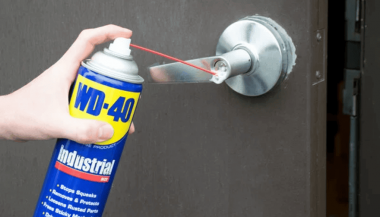
Regular lock maintenance is essential to prevent key jamming or lock failure. Proper lubrication reduces wear and tear, ensures smooth operation, and extends the lifespan of your locks. A well-lubricated lock decreases the risk of your key getting stuck or breaking inside the lock—an inconvenient and costly problem. At MR-KEY , we understand the importance of well-maintained locks and want to help you keep yours in top condition. How Often Should You Lubricate Your Locks? For most locks, lubricating them every three to six months is sufficient. However, locks exposed to extreme weather conditions—such as those on towbars, roof racks, or outdoor gates—require more frequent maintenance. Rain, dust, and freezing temperatures can cause internal components to stick, making it difficult to insert or turn the key. If you notice resistance when using a lock, it’s time for lubrication. What Lubricant Should You Use for Locks? Choosing the right lubricant is crucial for long-term lock performance. Here are the best options: • Teflon-based (PTFE) spray – Forms a protective film inside the lock, reducing friction and repelling dust buildup. • Dry silicone spray – Excellent for outdoor locks as it resists moisture without attracting dirt. • WD-40 Specialist Dry PTFE or White Lithium Grease – Unlike regular WD-40, these provide long-lasting lubrication and protection against corrosion. • Graphite powder – A great choice for older locks but should not be used if there’s oil residue inside the lock. While WD-40 Multi-Use is a quick fix for stuck locks, it is primarily a cleaner rather than a long-term lubricant. If used, follow up with a dry lubricant to prevent dirt accumulation inside the lock. How to Lubricate a Lock If your lock is functioning properly but feels slightly stiff, follow these steps: 1. Clean the Lock – Insert and remove the key a few times to dislodge debris, wiping it clean each time. 2. Apply the Lubricant – Insert the spray straw into the keyhole and apply two short bursts of lubricant. 3. Work the Lock – Insert and turn the key multiple times to distribute the lubricant inside. 4. Wipe Excess Lubricant – Remove any residue from the key and lock exterior to prevent dirt buildup. For graphite powder , follow the manufacturer’s specific instructions, as overapplication can lead to clumping inside the lock. Special Care for Towbar and Roof Rack Locks Locks on towbars and roof racks are exposed to harsher conditions than typical door locks. To keep them in good shape: • Regularly inspect them for stiffness or corrosion. • Apply dry silicone spray or PTFE lubricant for lasting protection. • If the lock is exposed to frequent moisture, white lithium grease offers superior water resistance. Lock It in: The Key to Long-Lasting Security Regular lock maintenance is a small effort that prevents big problems. By keeping your locks clean and properly lubricated—especially those exposed to the elements—you can avoid costly repairs and ensure they function smoothly for years. For high-quality lock maintenance products, visit MR-KEY and keep your locks in perfect working condition. A little maintenance goes a long way in ensuring security and peace of mind!

Do Car Keys Have GPS? What You Need to Know About Key Tracking

Do Car Keys Have GPS? What You Need to Know About Key Tracking

In an age where smartphones can locate us with pinpoint accuracy and lost luggage can be tracked halfway around the world, it’s easy to assume car keys are just as smart. But for many frustrated drivers, losing a car key feels like sending it into a black hole. The lack of a clear way to find them often leads to stress, wasted time, and sometimes costly replacements. So here’s the big question: Do car keys have GPS, and can they be tracked like other smart devices? This article explains the technology behind key tracking, compares GPS with Bluetooth, and offers practical ways to find lost keys in a connected world. The Truth About GPS in Car Keys While GPS technology has become common in many consumer devices, the vast majority of car keys do not include built-in GPS. Even the most modern remote key fobs, which allow for keyless entry and push-button start, generally lack the components necessary for GPS functionality. These components include a satellite GPS receiver, a data transmission module, and a sustainable power source—none of which are typically found in a key fob. The design of a car key prioritizes compactness, cost-efficiency, and low energy usage. Adding GPS would not only increase manufacturing costs but also introduce battery life challenges. That’s why most manufacturers have opted against including GPS tracking in car keys. GPS requires constant power and data transmission — something a small coin cell battery in a typical key fob can’t support." – Marcus Lee, Automotive Tech Analyst How Can Car Keys Be Tracked? Although your keys may not have GPS, there are other technologies that make it possible to track or locate them when they’re lost. These include Bluetooth trackers, crowdsourced networks, and GPS systems that track the vehicle instead of the key itself. 1. Bluetooth Trackers (Apple AirTag, Tile, Chipolo) These small, attachable gadgets can be added to your keychain and linked to a mobile app. They rely on Bluetooth to provide location data when within a certain range. If your keys are somewhere nearby—like in your home or office—these trackers can play a sound or show you their last known position on a map. The range is generally up to 120 meters (400 feet), and battery life can last up to a year, making them a practical, low-maintenance option for most users. 2. Crowdsourced Networks (Find My, Tile Network) If your Bluetooth tracker is out of range, some brands offer a smart workaround. Apple’s AirTag, for instance, uses the “Find My” network, which consists of millions of iPhones around the world. If someone with an Apple device passes near your lost keys, the location is anonymously and securely sent to your phone. This creates a global, decentralized tracking system that mimics GPS functionality without requiring satellites or cellular connections. 3. Car GPS Systems (Vehicle Only, Not the Key) Some high-end cars offer integrated GPS systems, but these track the vehicle, not the keys. Brands like Tesla, BMW, and Mercedes-Benz allow owners to locate their car through mobile apps. If your keys are left inside the car, you may be able to find them by locating the vehicle. However, once the keys are removed, they cannot be tracked unless equipped with a separate Bluetooth tracker. GPS vs Bluetooth: What’s the Difference? To better understand why GPS isn’t commonly included in car keys, it’s useful to compare the two technologies: GPS provides global, real-time tracking with high precision, but it’s power-intensive and costly. Bluetooth, while more limited in range, is ideal for small items and short distances, offering a cost-effective solution for everyday use. Global Perspectives on Key Tracking Around the world, the adoption of key tracking technologies differs based on privacy laws, tech infrastructure, and consumer behavior. In Japan and South Korea, smart home and car integration are advanced, yet GPS-enabled keys are still not the norm. In many parts of Europe, particularly in countries like Germany, Bluetooth solutions are favored due to strict data privacy regulations. In contrast, the U.S. market has embraced personal tracking devices like Apple AirTag and Tile, making them increasingly common accessories. These differences highlight how technology adoption often reflects broader cultural and legal norms, as well as the balance between convenience and privacy. Smart Tips to Keep Track of Your Keys Whether your keys have advanced tech or not, you can take simple steps to avoid losing them. Attaching a Bluetooth tracker is a great first line of defense. Keeping your keys in a consistent, designated place at home reduces the chances of misplacement. Many tracking apps also offer “left behind” alerts, which notify you if you leave your keys behind when moving out of range. It's also smart to keep a spare key somewhere safe and consider going keyless if your next car allows it. Implementing a few of these habits can save you time, frustration, and the cost of replacing a lost key. The Future of Key Tracking While car keys may not have built-in GPS, technology continues to evolve with practical alternatives. Bluetooth trackers, supported by app alerts and community networks, already provide effective ways to find lost keys. As innovation progresses, we can expect even more seamless solutions, such as Ultra Wideband (UWB) technology and Internet of Things (IoT) integrations, to become mainstream. As our tools become smarter, so must the way we use and manage them. With a little foresight and the right accessories, you'll never lose track of your keys again.

Jaguar and Land Rover Key Fobs: Common Problems & How to Fix Them

Jaguar and Land Rover Key Fobs: Common Problems & How to Fix Them

Owning a Jaguar or Land Rover means enjoying luxury, performance, and cutting-edge technology. But like any high-tech component, your key fob isn’t immune to problems. Whether you drive a Jaguar F-PACE, a Land Rover Discovery, or any other model, a malfunctioning key fob can quickly become an inconvenience. The good news is that most key fob issues can be resolved quickly and affordably . Here’s what you need to know about the most common Jaguar and Land Rover key fob problems and how you can fix them. Your Key Fob Isn’t Responding Pressing the button without any response is one of the most common issues. If your key fob isn’t unlocking or locking your car, the most likely culprit is a dead battery. Replacing it with a high-quality CR2032 battery is often the easiest fix. However, if the problem persists, your key fob may need reprogramming, or its internal electronic components might be damaged. Checking your vehicle’s manual for reprogramming instructions or visiting a dealership can help resolve the issue. In cases of water damage or physical impact, a complete key fob replacement might be necessary. Reduced Key Fob Signal Range If you notice that you need to be much closer to your car than usual for the key fob to work, the battery is likely weakening. Replacing the battery should be your first step. Other factors, such as interference from electronic devices like smartphones or WiFi routers, may also contribute to signal issues. Storing your key away from such devices can help. If these steps don’t improve the range, internal damage to the key fob’s antenna may require a replacement shell or an upgrade to a new key fob. Unresponsive or Sticking Buttons Over time, dirt and debris can accumulate under the buttons, making them less responsive or difficult to press. Cleaning the key fob with a soft cloth and isopropyl alcohol can help restore functionality. If the buttons feel loose or fail to click, a replacement shell might be necessary. In some cases, the internal button contacts wear out, requiring a full key fob upgrade. “Smart Key Not Found” or Keyless Start Issues If you see a “Key Not Found” message when trying to start your car, the issue may be a low battery in your key fob. Holding the key fob closer to the start button can sometimes override the problem, as many Jaguar and Land Rover models have a backup proximity sensor. If the issue persists, replacing the battery or consulting your vehicle’s manual for emergency start procedures might be required. If none of these solutions work, there may be a deeper issue with the vehicle’s keyless entry system. Spare Key Fob Not Working A backup key fob that hasn’t been used for a long time may no longer work when you need it. This can happen if the battery has drained due to inactivity or if the key has lost its programming. Regularly testing your spare key can prevent surprises. Replacing the battery should be the first step, and if the key has lost its programming, a visit to a professional or dealership may be necessary to restore its functionality. When to Replace Your Key Fob If you’ve tried all these fixes and your Jaguar or Land Rover key fob is still not working, it may be time for a replacement. Internal components wear out over time, and investing in a new key fob can save you from frustrating lockouts and start failures.

Here’s 1 Crazy Mistake 40% of Car Owners Make

Here’s 1 Crazy Mistake 40% of Car Owners Make

When it comes to car ownership, most of us are pretty diligent. We make sure our insurance is up to date, change the oil like clockwork, and even rotate our tires to avoid any wear and tear. But there’s one crucial aspect that many car owners overlook: having a spare key . It seems like a small detail, right? Yet, nearly 40% of car owners don’t have a backup key for their vehicle. And that’s a huge risk. Why? Because losing your only car key can cause a headache you’re not prepared for—and it’s a lot more common than you might think. The Hidden Dangers of Only Having One Car Key It’s easy to get comfortable with just one key. After all, it’s always in your pocket, bag, or hanging on your keychain. But life happens. Keys get lost, misplaced, or even stolen, and when that happens, you’re looking at a nightmare scenario. Here’s why: Costly Lockouts : Lose your key, and you’re locked out of your car, stranded until you can get help. Calling a tow truck or emergency locksmith is not only frustrating but can cost you hundreds of dollars. Inconvenient Delays : Have an important meeting? Picking the kids up from school? With only one key, losing it means your entire day—or week—grinds to a halt. Damaged Key, No Backup : Keys wear down over time, and if you only have one, a damaged key could lead to ignition problems. Suddenly, your car won’t start, and now you’re stuck paying for both a repair and a replacement. Security Risk : Lost keys are more than just a hassle—they’re a potential security threat. If your key falls into the wrong hands, your vehicle becomes vulnerable. The Pricey Locksmith Option Once you’re locked out or your key is lost, your options become limited—and expensive. Going to a local locksmith is one route, but here’s what you’re facing: High Prices : Traditional locksmiths can charge anywhere from €150 to €400 just to cut and program a new car key. Depending on your car model, it could be even more. Inconvenient : Many locksmiths don’t work around your schedule, and waiting for them to arrive or driving to their location takes time you don’t have. The Smart, Affordable Solution: Mr-Key.com Fortunately, there’s an easier and much more affordable option— Mr-Key.com . Instead of paying top dollar and wasting time, here’s how you can get a spare key in just a few simple steps: Take a Picture : Simply snap a photo of your existing key. Send It to Us : Upload the picture to Mr-Key.com using our secure service. Get Your Key Delivered : We’ll cut a perfect match and deliver it right to your door at a fraction of the cost of a traditional locksmith. Don’t Wait for a Crisis—Get Your Spare Key Now! Why risk being locked out or paying hundreds when you can have peace of mind for less? Visit Mr-Key.com today and get a spare car key cut from just a picture. It’s quick, it’s easy, and it’s affordable. Don’t be part of the 40% that gambles with just one key—protect your car and your schedule with Mr-Key.com!

Chat with us