
Post Name

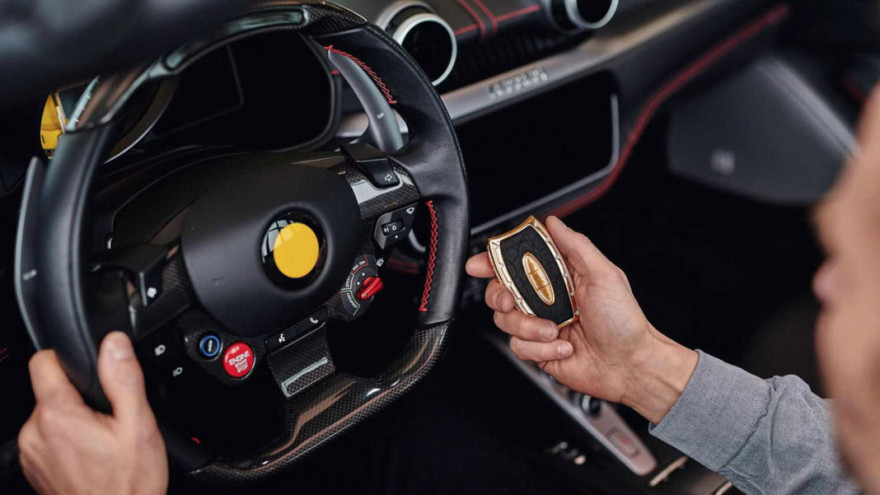
In today’s world, unlocking your car or starting the engine has never been easier. With a simple press of a button, the days of fumbling for traditional keys are behind us. Car key fobs are the modern solution that offer a blend of convenience, security, and technology. But how do these small, often overlooked devices work, and why are they so crucial in today’s automotive world? In this blog, we will dive into the mechanics of car key fobs, their benefits, and why you should understand their functionality.

The Evolution of the Car Key Fob

Car key fobs, as we know them today, are a far cry from the traditional metal keys that dominated the automotive world for centuries. The shift from traditional keys to key fobs began in the 1980s and 1990s, as automakers sought more efficient and secure ways to unlock vehicles and enable keyless entry.

The first remote keyless entry (RKE) systems were introduced to the market in the 1980s. These systems allowed car owners to unlock their doors remotely without inserting a physical key. Over time, the technology evolved further, incorporating additional functions like starting the engine, opening the trunk, and even controlling the vehicle’s security systems—all from a single device. Today, most new vehicles come equipped with key fobs, and many modern models include advanced features like proximity sensing and even remote start capabilities.

How Do Car Key Fobs Work?

Car key fobs operate on radio frequency identification (RFID) or infrared (IR) technology to communicate with the car’s locking system. The process is relatively simple but requires precise technology to ensure security and functionality.

Radio Frequency Communication (RF): When you press a button on your key fob, it sends out a low-frequency signal to the car's receiver. This signal contains encrypted information, such as the command to unlock the doors or start the engine. The receiver in the car decodes the signal and executes the command.

Encryption for Security: One of the key benefits of car key fobs is the security they offer. The signal transmitted by the fob is encrypted, making it difficult for hackers or thieves to intercept and clone the signal. In addition, many fobs are programmed with rolling codes, meaning the signal changes each time the fob is used, further reducing the risk of duplication.

Proximity Sensors and Keyless Entry: Modern key fobs often include proximity sensors, which allow the car to detect when the fob is nearby. This enables keyless entry systems that unlock your car automatically as you approach. The fob only needs to be within a certain range—often just a few feet—for the car to recognize it.

Battery-Powered: Key fobs rely on small batteries to function. Most key fobs use lithium coin cell batteries, which typically last between one and five years, depending on usage. The battery powers the transmitter, receiver, and any additional features (such as a display or remote start).

Why Are Car Key Fobs Essential?

In addition to their basic function of locking and unlocking a car, key fobs have become essential components for vehicle security and convenience. Below are several reasons why these devices are more than just an accessory:

1. Enhanced Security

As vehicle theft has evolved, so too has the need for better security measures. Traditional car keys are relatively easy to copy, especially for older models. In contrast, key fobs provide far superior protection due to their encrypted signals and rolling code technology. This makes them much harder to duplicate or hack.

Moreover, many key fobs are linked to sophisticated alarm systems. If an unauthorized attempt is made to start the vehicle without the fob’s signal, an alarm will sound, and the engine will not start. This extra layer of security significantly reduces the chances of vehicle theft.

2. Convenience and Ease of Use

The days of manually unlocking a car with a metal key are long gone. Key fobs offer unprecedented convenience. With a simple button press, you can lock or unlock your doors, open the trunk, and even start the engine without removing the fob from your pocket or bag. This hands-free operation makes accessing your vehicle faster and easier, especially when carrying groceries or dealing with inclement weather.

The proximity sensing technology also adds an extra layer of convenience, allowing you to unlock and start your car without needing to press any buttons—ideal for those busy days when you’re juggling multiple tasks.

3. Keyless Entry and Remote Start

One of the most exciting features of modern car key fobs is the keyless entry and remote start functionality. These features have revolutionized how people interact with their vehicles. Keyless entry allows you to enter your car simply by being in close proximity, while remote start lets you start the engine from a distance, often via a smartphone app or by pressing a button on the fob itself.

Remote start is particularly useful during the winter months. It allows you to start the car in advance, so the engine and cabin are warmed up before you even step inside. Similarly, in hot climates, remote start can be used to cool the cabin, making the car more comfortable when you enter.

Global Adoption and Future Trends

Car key fobs have become a global standard, with nearly all major automakers offering this feature in their vehicles. As more people embrace technology, the demand for even smarter key fobs continues to rise.

In the future, we are likely to see further advancements in key fob technology. For instance, some manufacturers are already exploring biometric security features, such as fingerprint or facial recognition, to enhance the security of key fobs even further. Additionally, smartphone integration is becoming more widespread, allowing car owners to use their phones as key fobs, eliminating the need for a physical device altogether.

While car key fobs have transformed the automotive landscape, they also raise new concerns, particularly regarding privacy and hacking risks. As technology advances, automakers and tech companies will need to stay ahead of potential security vulnerabilities to ensure that key fobs continue to serve as effective and secure tools for car owners.

Car key fobs are no longer just a convenience—they have become an essential part of modern car ownership. From enhanced security features to the convenience of keyless entry and remote start, key fobs offer a range of benefits that make them indispensable for drivers around the world. As technology continues to evolve, we can expect even more advanced features to be integrated into future key fobs, further improving both convenience and security.

Understanding how key fobs work and why they’re important is crucial for anyone who wants to make the most of their vehicle's technology. As we look to the future, it’s clear that key fobs will continue to play a central role in how we access and interact with our cars—an innovation that started with simple remote locking and has now become a vital aspect of our daily driving experience.

Related Posts

Simple and Affordable Solutions for Car Key Replacement and Repairs

Simple and Affordable Solutions for Car Key Replacement and Repairs

Misplacing or damaging your car keys can be a major inconvenience, but it doesn't have to be a costly ordeal. As a car owner seeking budget-friendly and efficient solutions, understanding your options is crucial. Here's a comprehensive guide to help you navigate the process of replacing your car keys without breaking the bank. Understanding Your Car Key Type Identifying the specific type of car key you have is the first step toward an effective replacement: Traditional Metal Keys : Simple, non-electronic keys that are easy and inexpensive to duplicate. Transponder Keys : Equipped with a chip that communicates with your vehicle's ignition system for added security. Remote Key Fobs : Allow remote locking and unlocking of your vehicle, often integrated with a transponder chip. Smart Keys : Provide keyless entry and start features, utilizing advanced technology for convenience. Cost-Effective Alternatives to Dealership Key Replacement Dealerships are known for charging premium prices for key replacements. Consider these more affordable options: Professional Locksmiths : Specialize in cutting and programming various types of car keys, often at a fraction of dealership costs. Online Key Retailers : Offer replacement keys and fobs that can be purchased and then programmed either by yourself or a professional. Hardware Stores : Some stores can duplicate traditional metal keys on the spot, providing a quick and inexpensive solution. Steps to Take When You've Lost Your Car Key Losing your car key can be stressful, but following these steps can streamline the replacement process: Verify Your Vehicle Identification Number (VIN) : Locate your VIN, typically found on the dashboard or inside the driver's side door, as it is essential for key replacement. Gather Necessary Documentation : Prepare proof of ownership, such as your vehicle registration and personal identification. Contact a Professional : Reach out to a reputable locksmith or key replacement service with your vehicle details to obtain a new key. Removing a Broken Key from the Ignition or Door Lock A broken key can be a frustrating obstacle. Here's how to address it: Use Needle-Nose Pliers : If a portion of the key is protruding, gently extract it using pliers. Apply Lubricant : Spray a graphite-based lubricant into the lock to ease the removal process. Seek Professional Assistance : If the key fragment is lodged deep or these methods fail, contact a locksmith to prevent further damage. Preventative Measures to Avoid Future Key Issues Keep a Spare Key : Having a duplicate stored safely can save time and money in emergencies. Regular Maintenance : Inspect your keys and locks periodically for signs of wear and address issues promptly. Use Key Protectors : Invest in key covers or cases to minimize physical damage.

Car Security: Protecting Your Vehicle in Today’s World

Car Security: Protecting Your Vehicle in Today’s World

The Rising Need for Advanced Car Security In an era where vehicles are becoming smarter and more connected, the risks of car theft and unauthorized access are also increasing. Modern technology has enhanced both the convenience and vulnerability of cars, making robust security measures more critical than ever. This guide explores the importance of car security, the latest innovations in the field, and practical tips to ensure your vehicle stays protected. Why Car Security Matters: Understanding the Threat Car theft remains a significant concern worldwide. According to recent statistics, car-related crimes have shifted from traditional theft methods to more technologically advanced tactics. Thieves now often target vehicles equipped with keyless entry systems, using tools like relay devices to gain access. In the UK alone, over 100,000 vehicles are stolen annually, with keyless thefts—or "relay attacks"—on the rise. This growing trend highlights the importance of adopting modern security solutions to stay ahead of potential threats. Key Features of Modern Car Security Systems Modern car security systems are designed to protect against both physical and digital threats. Some of the most common and effective features include: Immobilizers Prevent the engine from starting without the correct key or transponder signal. Often included as standard in modern vehicles, reducing the likelihood of theft. Alarms Act as a deterrent by emitting loud sounds when unauthorized access is detected. Many systems also notify the owner via a smartphone app. GPS Tracking Systems Allow real-time location tracking of your vehicle in case of theft. Advanced models can remotely disable the vehicle’s engine. Dashcams Record suspicious activity around your car, providing evidence in case of an incident. Dual-camera systems monitor both inside and outside the vehicle. Emerging Trends in Car Security Technology As technology evolves, so do car security measures. Here are some of the latest innovations transforming vehicle safety: Biometric Authentication : Cars equipped with fingerprint or facial recognition systems ensure only authorized individuals can operate the vehicle. Digital Keys : Linked to smartphones, these keys allow remote access and control, but also require robust cybersecurity measures to prevent hacking. Geofencing Alerts : Some advanced systems notify owners if their car leaves a predefined area, adding an extra layer of protection. These advancements show how car security is moving beyond traditional locks and alarms, integrating digital solutions for a smarter, safer experience. Practical Tips to Keep Your Car Safe While advanced technology can significantly improve car security, there are simple, everyday practices that can also help prevent theft and unauthorized access: Park Wisely : Always choose well-lit, secure areas or designated parking spaces. Thieves are less likely to target cars in visible locations. Keep Valuables Hidden : Items left in plain sight can attract unwanted attention. Store belongings out of view or in the trunk. Use Physical Locks : Steering wheel locks and pedal locks act as visible deterrents, even for modern vehicles. Update Software Regularly : For cars with smart systems, keeping the software up-to-date ensures optimal security against potential vulnerabilities. The Global Perspective: How Car Security Varies Worldwide Car security trends and practices vary globally, influenced by factors such as local crime rates, technological adoption, and legislation. In countries like the UK and the US, keyless entry systems and advanced alarms are standard features. However, in emerging markets, physical locks and alarms still play a critical role due to affordability and accessibility. Additionally, some nations have introduced legislation mandating anti-theft systems in new vehicles, further driving innovation in the industry. Understanding these global trends can help car owners make informed decisions when investing in security measures. Stay Ahead of the Risks Car security is no longer just about locking your doors—it’s about staying one step ahead of potential threats. With advanced technologies and practical measures, you can significantly reduce the risk of theft and ensure your vehicle remains safe. Investing in modern security systems, keeping your car’s software updated, and adopting smart habits are all part of building a comprehensive protection plan. In today’s interconnected world, proactive car security is essential for every driver. Stay informed, stay vigilant, and ensure your car stays exactly where it belongs—securely in your possession.

The Evolution of BMW: A Journey Through Innovation and Design

The Evolution of BMW: A Journey Through Innovation and Design

BMW, a name synonymous with luxury, precision, and performance, has a fascinating history marked by relentless innovation. Its journey, from humble beginnings to becoming a global icon of the automotive industry, reflects an enduring commitment to engineering excellence and design evolution. Let’s take a closer look at how BMW’s story has unfolded over the decades, captivating car enthusiasts around the world. The Early Days: Born in Aviation BMW’s story began in the early 20th century, not with cars but with aircraft engines. The company’s roots in aviation are symbolized in its logo, representing a propeller against a blue sky. During World War I, BMW earned recognition for its groundbreaking aircraft engine designs, which were known for their power and reliability. However, with the end of the war came restrictions on aircraft production, prompting BMW to pivot its focus. By the 1920s, BMW shifted gears, literally and figuratively, entering the motorcycle and automotive markets. This transition laid the foundation for the brand’s future. Breaking Into the Automotive World In 1928, BMW launched its first car, the Dixi 3/15, a licensed version of the British Austin 7. Though modest, this compact car symbolized the brand’s entry into the competitive automotive industry. By the 1930s, BMW began developing its own models, showcasing innovation with designs like the 328 Roadster. Known for its sleek aesthetics and impressive performance, the 328 became a motorsport legend, solidifying BMW’s reputation for engineering excellence. Post-War Challenges and Resilience World War II brought both opportunities and challenges for BMW. The company produced military vehicles and engines, which left its facilities heavily damaged by the end of the war. Faced with a ban on manufacturing vehicles, BMW pivoted once again, producing household appliances and bicycles to survive. It wasn’t until the 1950s that BMW returned to car manufacturing, introducing models like the BMW 501. This period was marked by financial struggles, but BMW’s resilience paid off with the release of the Isetta microcar. Affectionately called the “bubble car,” the Isetta was a quirky, affordable solution for post-war consumers, helping the brand regain stability. The 1960s: A New Era of Innovation The 1960s marked a turning point for BMW, as the company introduced the New Class (Neue Klasse) series. These sporty sedans, including the iconic BMW 2002, combined performance with practicality, appealing to a growing market of car enthusiasts. This era also saw the birth of BMW’s reputation for building “ultimate driving machines,” emphasizing driving pleasure as a core philosophy. With its newfound success, BMW expanded globally, entering new markets and establishing a loyal fan base. The New Class not only saved the company from financial troubles but also set the stage for its future success. The Rise of Luxury and Performance By the 1970s and 1980s, BMW had firmly established itself as a luxury brand, offering high-performance vehicles that appealed to both casual drivers and motorsport enthusiasts. The introduction of the BMW 3 Series in 1975 marked the beginning of an enduring legacy. Known for its dynamic handling and elegant design, the 3 Series became a benchmark for compact executive cars. During this time, BMW also made significant strides in motorsport, launching its iconic M division. The BMW M1 supercar and the high-performance M3 further cemented the brand’s position as a leader in both luxury and performance. Embracing Technology and Sustainability The late 20th and early 21st centuries brought rapid technological advancements, and BMW was quick to adapt. The brand embraced cutting-edge features like navigation systems, adaptive cruise control, and hybrid powertrains, blending innovation with sustainability. The introduction of the BMW i Series marked a bold step toward electric mobility. Models like the i3 and i8 showcased the brand’s commitment to reducing emissions while maintaining its signature performance and luxury. A Glimpse Into the Future Today, BMW continues to evolve, pushing the boundaries of automotive technology. From autonomous driving to AI-powered interfaces, the brand is redefining what it means to drive in the 21st century. The development of fully electric models, like the BMW iX , reflects the brand’s vision for a sustainable future. Why BMW’s Evolution Matters Understanding BMW’s journey helps you appreciate the brand’s dedication to innovation and quality. Whether you’re a loyal BMW owner or an aspiring enthusiast, knowing the history of this iconic brand highlights why it remains a top choice for drivers worldwide. Pro Tips for BMW Owners Maintain Regular Service: Keep your BMW in top condition with regular maintenance. Use Genuine Parts: Opt for authentic components to ensure reliability and performance. Stay Informed: Familiarize yourself with your BMW’s features and innovations to maximize its potential. A Legacy of Excellence From crafting propellers to creating luxury vehicles, BMW’s evolution is a testament to its commitment to innovation and performance. The brand’s ability to adapt and excel through challenges has earned it a permanent place in automotive history. As BMW continues to innovate, one thing remains constant: its promise to deliver an unparalleled driving experience.

Understanding the Different Types of Car Keys and Their Functions

Understanding the Different Types of Car Keys and Their Functions

Unlocking the World of Car Keys Car keys have come a long way from simple metal tools to high-tech devices designed to enhance convenience and security. As vehicles evolve, so do the keys that unlock and operate them. Whether you’re a car enthusiast or a driver navigating modern technology, understanding the different types of car keys and their functions can help you appreciate their role in your vehicle’s performance and safety. This guide explores various car key types, their unique features, and the technologies behind them. Traditional Car Keys: The Classics Traditional car keys, often referred to as mechanical keys, are the simplest type of car keys. These are commonly found in older vehicles and rely on a basic metal blade that fits into the car’s ignition and door locks. Key Features of Traditional Keys: Require no electronic components. Depend on physical alignment to operate the lock or ignition. Can be duplicated easily using a standard key-cutting machine. While these keys are straightforward to use and replace, they lack the advanced security features of modern alternatives, making them more vulnerable to theft. Transponder Keys: Enhanced Security Transponder keys are a significant upgrade from traditional keys, incorporating a small electronic chip inside the plastic head of the key. This chip communicates with the vehicle's computer system to authenticate the key before the car starts. How Transponder Keys Work: The chip transmits a unique signal to the car’s receiver when the key is turned in the ignition. If the signal matches, the car starts; if not, the engine remains immobilized. Benefits of Transponder Keys: Reduced risk of car theft due to their encryption technology. Widely used in most vehicles manufactured after the mid-1990s. However, duplicating or replacing a transponder key requires specialized equipment, making it more expensive than traditional keys. Smart Keys: The Modern Marvels Smart keys represent a leap into advanced automotive technology. These keys are typically used in vehicles with keyless entry and push-button start systems. Instead of inserting a key into the ignition, drivers simply need to have the smart key inside the vehicle. Key Features of Smart Keys: Allow for keyless entry and ignition. Use radio frequency identification (RFID) or Bluetooth technology to communicate with the car. Often come with additional functions, such as opening the trunk or remotely starting the vehicle. Advantages of Smart Keys: Enhanced convenience and ease of use. Advanced security features to deter theft. Despite their benefits, smart keys are expensive to replace and rely heavily on battery power. Remote Keys: A Blend of Mechanical and Digital Remote keys, often combined with transponder technology, offer the ability to lock and unlock car doors at the push of a button. They are commonly included in modern car key fobs and sometimes have a physical blade as a backup. Features of Remote Keys: Control doors, windows, and sometimes the trunk remotely. Combine traditional key functions with modern convenience. These keys are versatile and user-friendly but may require reprogramming if the battery is replaced or the signal becomes disrupted. Key Cards: Compact and Stylish Key cards are a relatively new addition to the world of car keys, commonly used in high-end and electric vehicles. These slim, credit card-sized devices function like smart keys and communicate wirelessly with the vehicle. Advantages of Key Cards: Compact and easy to carry. Offer the same functionality as smart keys, including keyless entry and ignition. While key cards are sleek and innovative, they are prone to damage due to their thin design and may not be as durable as traditional keys. Valet Keys: Limited Access Valet keys are designed to offer restricted functionality, allowing a valet or another driver to operate the car without accessing certain areas, such as the glove compartment or trunk. Purpose of Valet Keys: Provide limited access to the vehicle for security purposes. Prevent unauthorized access to personal belongings. Valet keys are a practical solution for safeguarding your possessions while still enabling temporary access to your car. Digital Keys: The Future of Key Technology Digital keys are the latest innovation in car key technology, allowing drivers to use their smartphones or smartwatches to unlock and start their vehicles. How Digital Keys Work: Use NFC (Near Field Communication) or Bluetooth to interact with the vehicle. Allow for remote access, such as locking or unlocking the car from a distance. Benefits of Digital Keys: Eliminate the need for a physical key. Offer enhanced customization, such as granting temporary access to other users. As convenient as they are, digital keys rely on smartphone technology and can be vulnerable to hacking if not properly secured. Choosing the Right Key for Your Needs Car keys have evolved into sophisticated devices that combine functionality, convenience, and security. Whether you’re using a traditional key or embracing the future with a digital key, understanding the type of key your vehicle uses can help you maintain it properly and replace it if necessary. By staying informed about the different types of car keys and their unique functions, you can make smarter choices when it comes to safeguarding your vehicle and enjoying the driving experience to the fullest.

Chat with us