
Post Name

Locked Out? Here’s What to Do Next

Imagine this: you’re rushing to an important meeting or trying to get your kids to school, only to discover you’ve lost your car keys or locked them inside your vehicle. Panic sets in, and the inconvenience seems insurmountable. Losing or damaging your car keys is a frustrating, but surprisingly common problem. Luckily, car key replacement services are more advanced and accessible than ever. But where do you start? From understanding key types to navigating costs and services, this guide breaks down everything you need to know about car key replacement.

Understanding Car Key Types: The First Step to Replacement

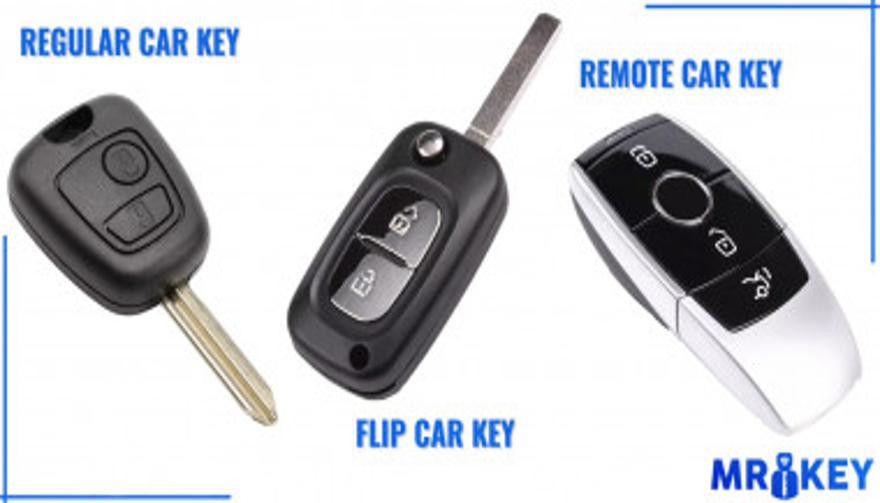
Before diving into the replacement process, it’s essential to identify the type of car key you have. The complexity of your key determines the cost and the effort required for replacement.

Traditional Mechanical Keys

  • The simplest and most common in older vehicles.
  • Easily duplicated at hardware stores or locksmiths.

Transponder Keys

  • Equipped with a microchip that communicates with the car’s ignition system.
  • Offers enhanced security, as the car won’t start without the correct chip signal.

Remote Key Fobs

  • Allows remote locking, unlocking, and other functions like opening the trunk.
  • Replacing a lost or damaged fob can be more expensive due to programming needs.

Smart Keys

  • Found in modern luxury cars, these keys provide keyless entry and start.
  • Operate via proximity sensors, making them highly convenient but costly to replace.

Each key type requires a different replacement approach, so understanding your key’s functionality is crucial.

The Replacement Process: What to Expect

Replacing a car key can range from a quick, inexpensive fix to a more involved process requiring specialized tools and expertise. Here's a step-by-step overview of what to expect:

Determine Your Replacement Options

  • Authorized Dealership: Best for complex keys, but often the most expensive option.
  • Local Locksmith: Typically faster and more affordable for mechanical keys and some transponders.
  • Online Services: Websites offering key duplication or fob replacements can be convenient, though programming may still require a locksmith.

Gather Essential Information

  • Vehicle identification number (VIN) and proof of ownership.
  • Details about the key type and car make and model.

Programming and Testing

  • Keys with transponders or fobs often require programming to match your car’s system.
  • A professional locksmith or dealership will ensure the new key functions seamlessly.

Costs: How Much Should You Expect to Pay?

The cost of car key replacement varies significantly based on the key type, service provider, and your location. Here’s a general breakdown:

  • Mechanical Keys: $10–$50 for duplication.
  • Transponder Keys: $75–$200, including programming.
  • Remote Key Fobs: $150–$400, depending on the car make and model.
  • Smart Keys: $250–$600, with luxury models at the higher end.

Factors affecting cost include the car's age, whether you need key programming, and the urgency of the service. Always compare prices across locksmiths, dealerships, and online providers for the best deal.

A Global Perspective: Trends and Innovations in Car Key Replacement

Car key replacement practices vary worldwide, influenced by technology, availability of services, and local regulations.

  • United States and Europe: Locksmiths and dealerships dominate the market, with online platforms gaining traction for basic duplications.
  • Asia: With the rise of smart keys in markets like Japan and South Korea, dealerships often handle replacements due to proprietary technology.
  • Emerging Markets: Mechanical keys are still prevalent, and costs are generally lower, though advanced key systems are increasingly common.

Global trends indicate a shift toward digital and biometric key systems, with smartphone-based replacements and app-controlled access gaining popularity. However, these advancements also raise concerns about cybersecurity and hacking.

Tips to Avoid Future Key Emergencies

While no one can predict when a key might be lost or damaged, a few preventative measures can save you from headaches down the road:

  • Invest in a Spare Key: Having a duplicate ready can save time and money.
  • Use a Key Finder Device: Attach a Bluetooth tracker to your keyring to locate lost keys easily.
  • Protect Smart Keys: Store them in a signal-blocking pouch to prevent relay attacks.

Plan Ahead and Stay Prepared

Car key replacement might seem daunting, but with the right knowledge and preparation, it’s a manageable process. Understanding your key type, exploring your replacement options, and taking preventative steps can save you time and money.

If you’re facing a key emergency, start by identifying your options and gathering the necessary information. And for the future, consider investing in a spare or upgrading to a more secure system.

Losing your car keys may be inconvenient, but it doesn’t have to derail your plans. With modern solutions and a little foresight, you’ll be back on the road in no time.

Related Posts

The Rise of Smart Car Keys: Revolutionizing Vehicle Access and Security

The Rise of Smart Car Keys: Revolutionizing Vehicle Access and Security

In today’s fast-paced world, convenience and security have become paramount, even when it comes to something as seemingly simple as car keys. Gone are the days when a physical metal key was all you needed to start your car. Smart car keys are at the forefront of a technological revolution, reshaping how we access and secure our vehicles. From push-button starts to remote access via smartphone apps, smart car keys are not just a luxury—they are rapidly becoming the standard in automotive innovation. The Evolution of the Car Key The journey of the car key from a mechanical device to a sophisticated electronic gadget mirrors the evolution of the automotive industry itself. The earliest car keys were simple mechanical tools, designed to fit into and turn a lock. By the mid-20th century, advancements introduced key fobs with remote locking and unlocking capabilities, adding a layer of convenience. Fast forward to the 21st century, and the introduction of smart keys has completely transformed the landscape. These keys leverage advanced technology like RFID (Radio Frequency Identification) and Bluetooth to communicate seamlessly with vehicles. Instead of physically inserting a key, drivers can now unlock, lock, and start their cars with just a push of a button—or even through proximity sensors. Key Features of Smart Car Keys Modern smart car keys are equipped with a host of features that enhance both convenience and security. Here are some of the most notable functionalities: Keyless Entry and Start: Proximity sensors allow you to unlock your car doors simply by approaching your vehicle. Push-button ignition eliminates the need for a traditional key turn. Remote Access: Many smart keys integrate with smartphone apps, enabling you to lock, unlock, and even start your car remotely from anywhere in the world. Enhanced Security Measures: Smart keys often use encrypted signals, making them nearly impossible to duplicate or hack. Some models include biometric authentication, such as fingerprint recognition. Theft Prevention: Advanced systems disable the car’s engine if the smart key is not detected nearby, adding an additional layer of security. These features have not only made life easier for drivers but have also raised the bar for vehicle security standards. A Global Phenomenon The adoption of smart car keys is not limited to any one region—it’s a global trend. In countries like Germany, Japan, and the United States, automotive manufacturers have embraced this technology as a standard feature in most mid-range to high-end vehicles. Emerging markets are also seeing increased adoption, with local manufacturers integrating smart key technology to remain competitive. Internationally, the demand for smart keys is driven by urbanization and the rising importance of connected devices. In Europe, for example, manufacturers are exploring how smart keys can work alongside digital infrastructure, like smart parking systems, to provide a fully integrated driving experience. Challenges and Limitations Despite their many advantages, smart car keys are not without their challenges. The most common issues include: Battery Dependency: Smart keys rely on batteries, which can fail unexpectedly, leaving drivers stranded if they don’t have a backup plan. High Replacement Costs: Losing a smart key can be expensive, as replacements often require reprogramming by a professional. Hacking Risks: While smart keys are more secure than traditional ones, they are not immune to sophisticated cyberattacks. Manufacturers and cybersecurity experts are working tirelessly to address these challenges, ensuring that the technology remains reliable and secure for users. Future Trends in Smart Key Technology The future of smart car keys promises even more exciting advancements. Here’s what to expect in the coming years: Biometric Integration: Fingerprint and facial recognition are likely to become standard features, providing an unmatched level of personalization and security. Smartphone as a Key: Many manufacturers are working on phasing out physical smart keys altogether, replacing them with app-based solutions that integrate seamlessly with your phone. Sustainability: With growing concerns about electronic waste, manufacturers are exploring eco-friendly materials and designs for future smart keys. These innovations are not only about convenience but also about creating a holistic and secure driving experience. What This Means for Car Owners For car owners, the rise of smart car keys represents a shift in how we interact with our vehicles. While the technology offers incredible benefits, it also requires a certain level of awareness and preparedness. Knowing how to maintain your smart key, replace its battery, or troubleshoot issues can save you time and money in the long run. Additionally, investing in protective cases or backup solutions, such as a spare traditional key, can help you avoid potential inconveniences. As this technology evolves, staying informed about new features and security measures will ensure that you get the most out of your smart key. Driving Into the Future Smart car keys are more than just a convenience—they are a testament to how technology can enhance everyday life. By combining cutting-edge security measures with unparalleled ease of use, these keys have redefined the driving experience. As automotive technology continues to evolve, smart car keys will likely play an even more integral role in shaping the future of transportation. Whether you’re an early adopter of the latest innovations or someone considering upgrading to a vehicle with smart key capabilities, understanding the benefits and challenges of this technology is essential. The road ahead is bright, and smart car keys are just the beginning of what promises to be an exciting journey in automotive innovation.

The Essential Car Parts Guide: Understanding Your Vehicle's Core Components

The Essential Car Parts Guide: Understanding Your Vehicle's Core Components

Unveiling the Anatomy of Your Car Your car is more than just a mode of transportation—it's a complex machine composed of various parts working in harmony to ensure smooth and safe driving. Understanding these essential car parts not only helps you appreciate your vehicle better but also empowers you to identify issues, perform basic maintenance, and communicate effectively with mechanics. In this guide, we’ll explore the key components that keep your car running and why they’re vital for optimal performance. 1. Engine: The Heart of Your Vehicle The engine is the powerhouse of your car, converting fuel into energy to propel the vehicle forward. There are various types of engines, including: Internal Combustion Engines (ICE): Common in most vehicles, using gasoline or diesel. Hybrid Engines: Combining a traditional engine with an electric motor for better efficiency. Electric Motors: Found in EVs, powered by rechargeable batteries. Key components within the engine include pistons, the crankshaft, and the timing belt. Regular maintenance like oil changes and timely inspections are crucial for keeping the engine in good condition. 2. Transmission: Changing Gears Made Easy The transmission system ensures that power from the engine is transferred to the wheels at the correct speed and torque. There are two main types of transmissions: Manual Transmission: Requires the driver to shift gears manually. Automatic Transmission: Shifts gears automatically, providing greater convenience. Proper transmission fluid levels are essential for smooth gear transitions and the longevity of the system. 3. Battery: Your Vehicle's Power Source The car battery supplies the electrical power needed to start the engine and operate various electrical systems, such as lights, wipers, and infotainment. Modern vehicles may also include auxiliary batteries for additional power needs. Maintenance Tip: Regularly check battery terminals for corrosion and ensure proper voltage levels, especially in extreme weather conditions. 4. Braking System: Your Lifeline on the Road The braking system ensures the vehicle slows down or stops when needed, making it a critical safety component. Key parts include: Brake Pads and Rotors: Convert kinetic energy into heat, slowing the car down. Brake Fluid: Transfers force from the brake pedal to the braking mechanism. Regular inspection of the braking system can prevent wear and ensure reliability. 5. Tires and Wheels: Where the Rubber Meets the Road Tires and wheels are vital for traction, handling, and overall vehicle stability. There are various types of tires designed for specific conditions, such as all-season, winter, and performance tires. Maintenance Tip: Regularly check tire pressure, alignment, and tread depth to ensure safe driving and optimal fuel efficiency. 6. Suspension System: Smoothing Out the Ride The suspension system absorbs shocks from uneven road surfaces, ensuring a smooth and stable ride. Key components include: Shock Absorbers: Reduce impact from road irregularities. Struts and Springs: Provide structural support and maintain balance. A well-maintained suspension system enhances comfort and handling. 7. Exhaust System: Keeping Emissions in Check The exhaust system directs harmful gases away from the engine and reduces emissions. Key components include the muffler, catalytic converter, and exhaust pipes. Environmental Note: A faulty exhaust system can increase emissions and negatively impact air quality. Regular checks are essential for compliance with emission standards. 8. Cooling System: Preventing Overheating The cooling system regulates the engine's temperature to prevent overheating. It includes components like the radiator, coolant, and thermostat. Maintenance Tip: Regularly check coolant levels and inspect hoses for leaks to ensure efficient cooling. 9. Fuel System: Delivering Energy to the Engine The fuel system stores and supplies fuel to the engine for combustion. Key parts include the fuel pump, injectors, and fuel tank. Efficiency Tip: Clean fuel injectors and replace the fuel filter as needed to maintain optimal fuel efficiency. 10. Electrical System: Powering Your Vehicle's Features From the headlights to the infotainment system, the electrical system powers numerous features in your car. It includes wiring, alternators, and fuses. Maintenance Tip: Inspect fuses and ensure the alternator is functioning properly to avoid electrical issues. Empowering Yourself Through Knowledge Understanding the essential parts of your car equips you with the knowledge to maintain your vehicle effectively and address issues proactively. By staying informed, you can extend the life of your car, save on repair costs, and ensure a safer driving experience. Whether you’re a car enthusiast or a regular driver, knowing your vehicle’s anatomy is the first step toward smarter car ownership.

How to Know If Your Car Key Has a Hidden Transponder Chip

How to Know If Your Car Key Has a Hidden Transponder Chip

Modern car keys are more than just simple tools to unlock doors—they're powerful components of your vehicle’s security system. Hidden inside many keys is a small yet crucial piece of technology known as a transponder chip . But how can you tell if your car key has one? Whether you’ve lost your key, are looking to replace it, or simply want to understand your vehicle better, knowing if your key contains a transponder chip is essential. This guide will explain what a transponder is, why it matters, and how you can easily check if your key is equipped with one. What Is a Transponder Chip? A transponder chip, short for "transmitter + responder," is a small electronic microchip embedded inside the plastic head of the car key or within a smart key fob. When you insert the key into the ignition—or have it nearby in a push-button start system—the chip emits a unique signal. The vehicle’s onboard computer must recognize this signal before it will allow the engine to start. Without the correct signal, even if the key physically fits into the ignition, the car won’t move. Transponders have been a game-changer in reducing car theft, and today, nearly all vehicles produced after the late 1990s are equipped with them. Learn more about how modern keys work and find replacement options in our car keys collection. Why It’s Critical to Know If Your Key Has a Chip If your key has a hidden transponder chip, replacing it is more complicated than simply cutting a new metal key. You will need a key that not only matches the cut but also includes the correct programming to communicate with your car’s immobilizer system. Failing to recognize this can lead to frustration, extra dealership fees, or even being stranded. Moreover, understanding your key's technology helps you make smarter choices when buying a spare, upgrading your security setup, or troubleshooting ignition issues. How to Check If Your Car Key Has a Transponder Chip Fortunately, you don’t need expensive equipment to find out. Start by considering the age of your vehicle: if your car was manufactured after 1995 (in Europe) or 1998 (in the USA), chances are very high it uses a transponder system. Next, examine the physical key. Keys with large, bulky plastic heads usually house a chip inside. In contrast, purely metallic keys without plastic parts tend to belong to older, non-transponder vehicles. You can also perform a simple foil test. Wrap the head of your key in aluminum foil and try to start the car. Since foil blocks radio frequencies, if the car refuses to start, it’s likely that a transponder chip is present. If you want absolute certainty, consult your vehicle’s manual or speak with a professional locksmith. Many locksmiths use specialized tools to detect whether a chip exists. For additional technical explanation, you can refer to this guide on how immobilizer systems work. What Happens If the Transponder Signal Is Missing? If you try to start your car without the proper transponder signal, the immobilizer system kicks in. Most vehicles will either not crank at all or crank without allowing the engine to fire. Some models will display a warning light on the dashboard, often shaped like a padlock or a car with a key icon. Without a valid transponder signal, you won't be going anywhere—no matter how new or well-cut the key is. Can You Program a Transponder Key Yourself? Depending on the make and model of your car, some basic keys can be programmed at home—especially if you already have one working key available. However, many newer vehicles require professional diagnostic tools connected directly to the car’s computer to program keys securely. Attempting DIY programming on these systems without the right knowledge can lock your car’s immobilizer and lead to expensive repairs. Always consult your car’s manual or seek professional help before attempting any programming yourself. Knowledge = Protection Understanding whether your car key contains a hidden transponder chip isn’t just a fun fact—it's essential for protecting your vehicle and saving yourself time, money, and hassle. Whether you're planning to replace a worn-out key, add a backup, or upgrade your security, knowing what’s inside your key helps you make better, safer decisions. If you ever need a spare key, a battery replacement, or advice on key maintenance, you can explore more in our online store at Mr Key . Remember: a smart driver is a secure driver. Stay informed, stay prepared, and you'll always stay one step ahead.

Car Security: Protecting Your Vehicle in Today’s World

Car Security: Protecting Your Vehicle in Today’s World

The Rising Need for Advanced Car Security In an era where vehicles are becoming smarter and more connected, the risks of car theft and unauthorized access are also increasing. Modern technology has enhanced both the convenience and vulnerability of cars, making robust security measures more critical than ever. This guide explores the importance of car security, the latest innovations in the field, and practical tips to ensure your vehicle stays protected. Why Car Security Matters: Understanding the Threat Car theft remains a significant concern worldwide. According to recent statistics, car-related crimes have shifted from traditional theft methods to more technologically advanced tactics. Thieves now often target vehicles equipped with keyless entry systems, using tools like relay devices to gain access. In the UK alone, over 100,000 vehicles are stolen annually, with keyless thefts—or "relay attacks"—on the rise. This growing trend highlights the importance of adopting modern security solutions to stay ahead of potential threats. Key Features of Modern Car Security Systems Modern car security systems are designed to protect against both physical and digital threats. Some of the most common and effective features include: Immobilizers Prevent the engine from starting without the correct key or transponder signal. Often included as standard in modern vehicles, reducing the likelihood of theft. Alarms Act as a deterrent by emitting loud sounds when unauthorized access is detected. Many systems also notify the owner via a smartphone app. GPS Tracking Systems Allow real-time location tracking of your vehicle in case of theft. Advanced models can remotely disable the vehicle’s engine. Dashcams Record suspicious activity around your car, providing evidence in case of an incident. Dual-camera systems monitor both inside and outside the vehicle. Emerging Trends in Car Security Technology As technology evolves, so do car security measures. Here are some of the latest innovations transforming vehicle safety: Biometric Authentication : Cars equipped with fingerprint or facial recognition systems ensure only authorized individuals can operate the vehicle. Digital Keys : Linked to smartphones, these keys allow remote access and control, but also require robust cybersecurity measures to prevent hacking. Geofencing Alerts : Some advanced systems notify owners if their car leaves a predefined area, adding an extra layer of protection. These advancements show how car security is moving beyond traditional locks and alarms, integrating digital solutions for a smarter, safer experience. Practical Tips to Keep Your Car Safe While advanced technology can significantly improve car security, there are simple, everyday practices that can also help prevent theft and unauthorized access: Park Wisely : Always choose well-lit, secure areas or designated parking spaces. Thieves are less likely to target cars in visible locations. Keep Valuables Hidden : Items left in plain sight can attract unwanted attention. Store belongings out of view or in the trunk. Use Physical Locks : Steering wheel locks and pedal locks act as visible deterrents, even for modern vehicles. Update Software Regularly : For cars with smart systems, keeping the software up-to-date ensures optimal security against potential vulnerabilities. The Global Perspective: How Car Security Varies Worldwide Car security trends and practices vary globally, influenced by factors such as local crime rates, technological adoption, and legislation. In countries like the UK and the US, keyless entry systems and advanced alarms are standard features. However, in emerging markets, physical locks and alarms still play a critical role due to affordability and accessibility. Additionally, some nations have introduced legislation mandating anti-theft systems in new vehicles, further driving innovation in the industry. Understanding these global trends can help car owners make informed decisions when investing in security measures. Stay Ahead of the Risks Car security is no longer just about locking your doors—it’s about staying one step ahead of potential threats. With advanced technologies and practical measures, you can significantly reduce the risk of theft and ensure your vehicle remains safe. Investing in modern security systems, keeping your car’s software updated, and adopting smart habits are all part of building a comprehensive protection plan. In today’s interconnected world, proactive car security is essential for every driver. Stay informed, stay vigilant, and ensure your car stays exactly where it belongs—securely in your possession.

Chat with us