Post Name

Have you lost your Westfalia towbar key just before a long-planned trip or an important towing job? Don’t worry, you’re not alone. Every year, thousands of drivers face the same issue: the towbar key disappears right when it's needed most.

Westfalia detachable towbar keys are usually used only a few times per year – often for summer holidays, camping trips, towing, or moving. Because they are used so rarely, they often get forgotten for months. It's easy to lose track of where they were last placed: in the glove compartment, a drawer in the garage, or a coat pocket?

Fortunately, there's a simple solution – without having to replace the entire towbar system.
Step 1: Check the Lock Cylinder for a 5-Digit Code

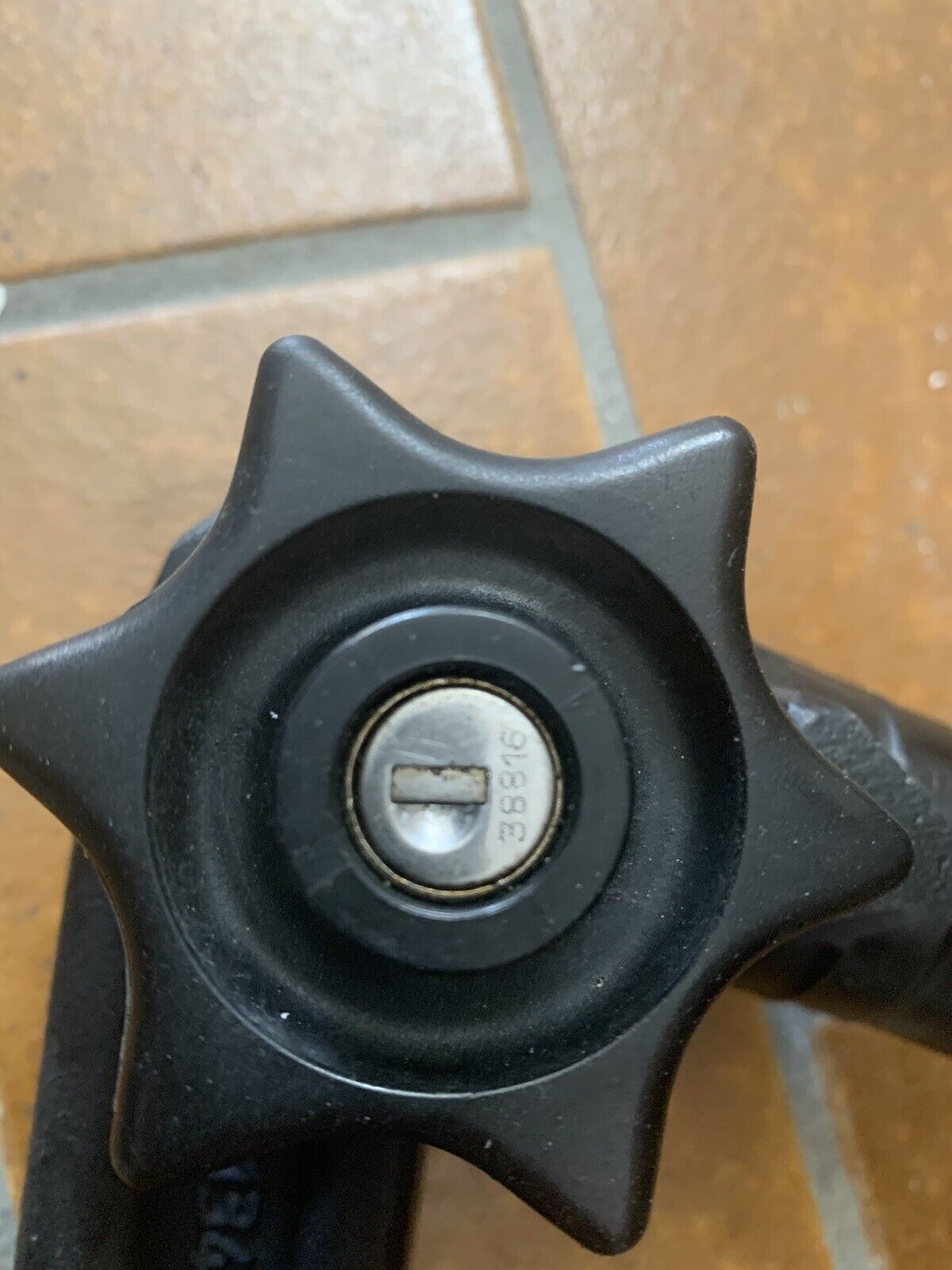
Take a close look at the front of your Westfalia towbar lock, around the keyhole. Many models have a 5-digit code engraved directly into the metal.

If the code is between 20000 and 50000, it is your personal key code.

This code allows professional key services (like MR-KEY) to create a perfectly matched replacement key – without the original.

Examples of valid codes:

23456

27891

49821

You can enter this code directly into an online order form.

Order a replacement key here:

https://mr-key.com/cat/towbars-keys


What if You Only See 3 Digits?

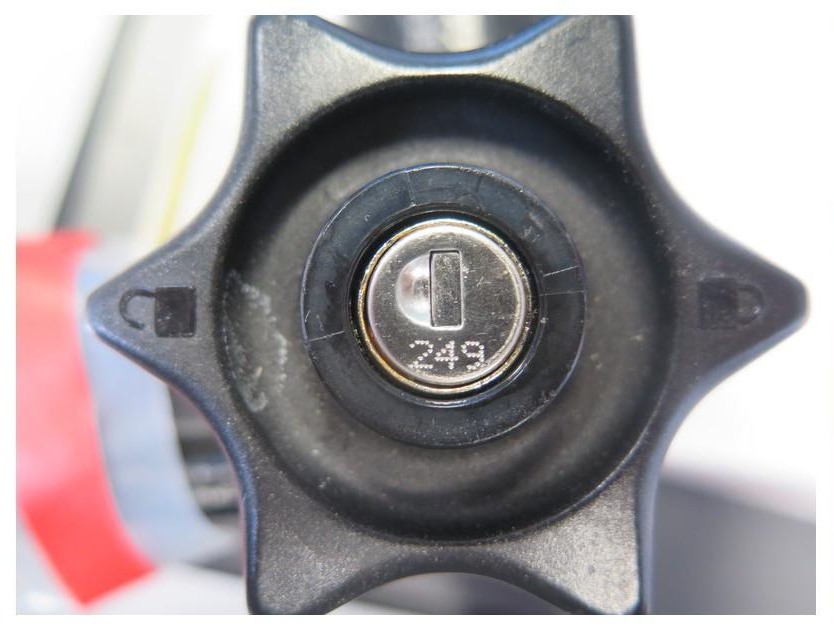
Sometimes, you might only find a 3-digit number on the lock body (e.g., 104, 287). Unfortunately, these numbers are not valid key codes. They usually refer to batch numbers or internal components.
In this case, we recommend:

Conducting a thorough search for the original key (glove compartment, toolbox, jacket pockets, etc.)

If the key cannot be found, consider replacing the towbar locking mechanism


Tip: Make a Spare Key While You Still Can

If you still have your original Westfalia towbar key, now is the perfect time to make a copy.

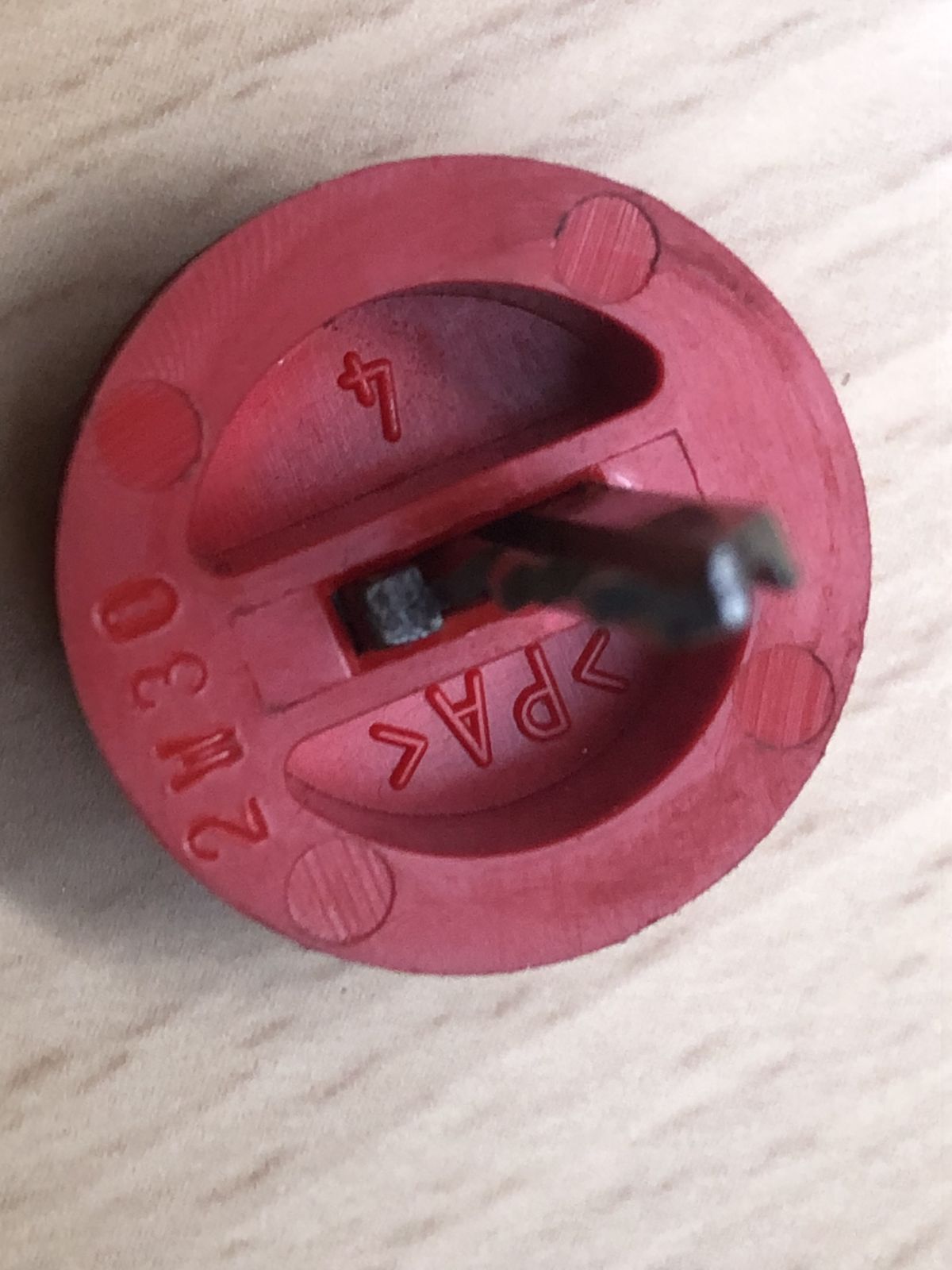
Many Westfalia keys show a code like: 2W01 to 2W50

This code is usually engraved on the metal shaft of the key and matches your towbar lock. With this code, we can quickly and affordably produce a precise duplicate.

Why make a spare key?

Avoid last-minute panic before departure

Reduce costs by preventing lock replacement

Fast delivery when ordering by code

Order here: https://mr-key.com/cat/towbars-keys


Fast and Professional Westfalia Key Service

At MR-KEY, we specialize in duplicating Westfalia towbar keys by code. Our service is fast, precise, and hassle-free:

Simply provide the 5-digit lock code (20000–50000)

We cut the key using high-precision machines

Every key is checked before shipping

In most cases, shipping is completed within 24 hours.


Quick Overview

SituationCan a New Key Be Made?What to Do
5-digit code on the lock (20000–50000)YesOrder a key by code
Only 3-digit number on the lockNoSearch for the key or replace the lock
Original key with "2W" code presentYesHave a spare key made


Tips: How to Avoid Losing Your Key in the Future

To avoid ending up in this situation again, follow these simple tips:

Store your spare key in your vehicle documents folder or glove box

Label your keychain with "Towbar" for easy identification

Take a photo of your key code and save it on your phone or in the cloud

These small steps can save you time, stress, and money.


Losing your Westfalia towbar key doesn't have to ruin your travel plans. As long as your lock has a valid 5-digit code between 20000 and 50000, a replacement key can be made and shipped quickly.

And if you still have the original key? Make a copy now – a small investment for long-term peace of mind.

Order your Westfalia replacement key now:
https://mr-key.com/cat/towbars-keys

Safe travels!

Related Posts

How to Easily Find Your Key Code for a Hassle-Free Replacement

How to Easily Find Your Key Code for a Hassle-Free Replacement

When it comes to replacing a car key , knowing your key code is essential. This code allows you to obtain a precise duplicate, ensuring that your new key fits seamlessly without any issues. Whether you've lost your key, broken it, or simply need a spare, understanding where to locate this code can make the replacement process faster and more affordable. In this guide, we’ll walk you through what a key code is, where to find it, and tips to ensure a smooth replacement process. Why Is the Key Code Important? A key code is more than just a number; it's a unique identifier that tells a key cutter exactly how to replicate your key. Without it, the process can be longer, more complicated, and potentially costly if the key doesn’t match your vehicle’s lock. Ensures a Perfect Fit : The key code guarantees that your new key will be cut to match your original one precisely. Saves Time and Money : With the correct code, you can avoid trial and error, reducing the risk of needing multiple key replacements. Improves Security : Knowing the exact specifications of your key can prevent unauthorized duplicates. Types of Key Codes Key codes come in different types depending on the key and vehicle model. Here are the main types: Direct Code : Often a 4 to 8-digit code, this code can be entered directly into a key-cutting machine for accurate replication. Indirect Code : This type of code requires a conversion chart to find the direct key code. Though indirect codes aren’t as common, they may still appear on some older models. Blind Code : Sometimes, the code may not be directly readable or is hidden in the key's design. These require decoding using a specialized tool or software. Understanding which type of code you have can make the process smoother when you’re ready to replace your key. Common Locations for Key Codes Finding the key code isn’t always straightforward, but with a few tips, you can track it down more easily. Here are the most common places to check: 1. Vehicle Manual Your vehicle’s manual often contains useful information, including the key code. It’s usually found in the section detailing the vehicle’s locking system. The manual may also provide guidance on other important security features, so it’s a great place to start. Tip : If you can’t find it in the manual, try looking in the index under “keys” or “security.” 2. Key Fob or Key Itself For some keys, the code is printed directly on the key or key fob. Look closely at the metal part of the key or the plastic casing for a small series of numbers. This code may be faint, so you may need a magnifying glass or good lighting. Tip : Be cautious when handling the key to avoid damaging the code. A worn key can sometimes obscure the code, so check carefully. 3. Vehicle Registration and Documents Some vehicle documents, especially those you receive when you first purchase the car, may include the key code. Check any paperwork related to the purchase, including sales documents, registration, and the car title. Tip : Keep these documents safe as they contain essential information for ownership and replacement needs. 4. Original Key Packaging If you have access to the original packaging of the key, such as a bag or box, the key code is sometimes printed there. This is especially common if the key came from a dealer or as part of a new car purchase. Tip : Always save key packaging, as it can provide helpful information for future reference. 5. Contacting the Dealership If you’re unable to locate the code yourself, you can reach out to the dealership where you purchased the vehicle. Dealerships often keep records of key codes, especially if the vehicle is still under warranty. Some may provide the code for free, while others might charge a fee. Tip : Have your vehicle identification number (VIN) handy when contacting the dealership, as it can help verify your ownership. Tips for Safe Key Code Storage Once you have located your key code, it’s important to keep it safe to make future replacements easier. Here are some tips: Store Digitally : Save the code in a secure document on your phone or computer. You can even use a password-protected note or cloud storage. Keep a Physical Copy : Write down the code and store it with other important vehicle documents, like your insurance and registration. Avoid Sharing the Code : Treat the key code like a password; only share it with trusted professionals when necessary for replacements. What to Do if You Can’t Find the Code If your search for the code has been unsuccessful, don’t worry—there are still options. Here’s what to do: Contact a Professional : Some professionals can create a new key by decoding the lock without needing the original key code. This is particularly helpful if you’ve lost all copies of your key. Request Assistance from the Manufacturer : In some cases, you can contact the vehicle’s manufacturer for support. They may ask for documentation proving ownership and might provide the code directly or guide you through the next steps. Benefits of Knowing Your Key Code Having the key code at your fingertips offers several advantages, whether you need a quick replacement or simply want peace of mind. Saves Time in Emergencies : If you lose your key unexpectedly, having the code handy allows for faster replacements. Lower Replacement Costs : With the exact code, key makers can avoid unnecessary recutting, saving you money. Simplifies Multiple Key Requests : If you need multiple copies, the code makes it easy to obtain several accurate replacements without errors. Locating and safely storing your key code can simplify the replacement process significantly. By knowing exactly where to look for the code and keeping it secure, you can avoid potential stress and save both time and money when the need for a replacement arises. Taking these steps now ensures that, should you ever need a new key, the process will be as smooth and efficient as possible.

Comprehensive Guide: Common Car Key Problems and How to Solve Them

Comprehensive Guide: Common Car Key Problems and How to Solve Them

Your car key is a small but essential part of your daily life. When it stops working properly—whether due to a dead battery, water exposure, signal interference, or ignition issues—it can quickly disrupt your plans. Fortunately, many common car key problems can be identified early and resolved effectively with the right approach. In this comprehensive guide, we explore four of the most frequent car key issues and provide detailed solutions to help you stay on the road with confidence. Recognizing a Failing Car Key Battery The battery inside your car key fob is designed to last, but not indefinitely. On average, a CR2032 battery will power a key fob effectively for one to three years, depending on usage patterns and environmental conditions. A weakening battery usually does not fail suddenly; it provides warning signs that many drivers overlook. One of the earliest indications is a noticeable decrease in the remote’s operating range. You may find yourself needing to stand closer to the vehicle for the key fob to work. As the battery continues to lose power, the fob may start working inconsistently, responding only after multiple button presses or with a delay. Some vehicles will display a low battery warning on the dashboard, providing a clear signal that replacement is necessary. Allowing the battery to fully deplete can leave you unable to unlock or start your car at a critical moment. By promptly replacing the battery with a reliable product, such as the Panasonic CR2032, you can restore full functionality and prevent future inconvenience. Addressing Water Damage in Car Keys Water damage is a common cause of key fob failure. Whether it’s from rain exposure, dropping the key in water, or accidental washing, moisture can cause both immediate and long-term damage to the key's internal components. When water enters the fob, it can short-circuit the delicate electronics, rendering the key inoperative. In other cases, corrosion may develop slowly, causing the key to malfunction days or weeks after the exposure. If your car key gets wet, the first step is to remove the battery immediately to minimize damage. Dry the key as thoroughly as possible using a soft cloth and allow it to air dry in a warm, ventilated space for at least 24 hours. It is crucial to avoid using heat sources like hair dryers, which can damage sensitive components. After drying, install a fresh battery and test the key. If the key still does not function, the internal circuits may have been irreparably damaged, and a professional evaluation or shell replacement may be necessary. Understanding Weak Signal Issues in Car Keys A weak key fob signal can lead to frustration and can often be mistakenly attributed to a battery issue alone. While a low battery is a common cause, signal strength can also be affected by other factors. Physical impacts, such as dropping the key, can disrupt the internal connections or damage the antenna, reducing the fob's ability to communicate effectively with the car. Environmental factors can also interfere with the signal. Parking near large metal structures, power lines, or areas with strong electronic interference can block or weaken the signal temporarily. Additionally, worn buttons that no longer make proper contact with the internal circuit board can result in poor signal transmission, even if the battery is new. When experiencing signal issues, it is important to inspect the key carefully. Replacing the battery, ensuring all components are securely seated, and considering the replacement of worn key shells can often restore proper function. Persistent problems, however, may require professional assessment to ensure the key and vehicle are correctly paired. Dealing with Ignition Problems When the Car Key Won’t Turn One of the most alarming car key issues is inserting the key into the ignition only to find it won’t turn. This problem can stem from several sources, and identifying the correct cause is essential for a safe and effective fix. A worn key blade is a common culprit, especially in vehicles with many years of use. Over time, the precision cuts on the key blade can wear down, making it difficult for the key to properly engage the pins within the ignition cylinder. Another frequent cause is the steering wheel lock mechanism. If the steering wheel locks in place, it can prevent the key from turning until the wheel is gently moved to relieve the pressure. In some cases, the ignition cylinder itself may become dirty, misaligned, or mechanically worn. If you have a spare key, testing it can help determine whether the issue lies with the key or the ignition. Cleaning the ignition slot with compressed air can sometimes resolve minor blockages. If the problem persists, professional servicing of the ignition system may be necessary to avoid more serious mechanical failures. Car Key Maintenance and Problem Solving Car key problems are a common inconvenience that most drivers will face at some point. However, understanding the signs and causes of these issues can empower you to act quickly and avoid more significant disruptions. Whether dealing with a failing battery, water exposure, weak signal, or ignition lockout, timely intervention and proper maintenance can prevent escalation. Regularly checking your key's condition, replacing batteries with trusted products, and ensuring your key shell remains intact are simple yet effective practices that can extend the life of your car key. By addressing small issues early, you can maintain reliable access to your vehicle and reduce the risk of unexpected problems. For high-quality replacement shells, batteries, and accessories, visit mr-key.com and explore solutions designed to keep your car key functioning like new.

Here’s 1 Crazy Mistake 40% of Car Owners Make

Here’s 1 Crazy Mistake 40% of Car Owners Make

When it comes to car ownership, most of us are pretty diligent. We make sure our insurance is up to date, change the oil like clockwork, and even rotate our tires to avoid any wear and tear. But there’s one crucial aspect that many car owners overlook: having a spare key . It seems like a small detail, right? Yet, nearly 40% of car owners don’t have a backup key for their vehicle. And that’s a huge risk. Why? Because losing your only car key can cause a headache you’re not prepared for—and it’s a lot more common than you might think. The Hidden Dangers of Only Having One Car Key It’s easy to get comfortable with just one key. After all, it’s always in your pocket, bag, or hanging on your keychain. But life happens. Keys get lost, misplaced, or even stolen, and when that happens, you’re looking at a nightmare scenario. Here’s why: Costly Lockouts : Lose your key, and you’re locked out of your car, stranded until you can get help. Calling a tow truck or emergency locksmith is not only frustrating but can cost you hundreds of dollars. Inconvenient Delays : Have an important meeting? Picking the kids up from school? With only one key, losing it means your entire day—or week—grinds to a halt. Damaged Key, No Backup : Keys wear down over time, and if you only have one, a damaged key could lead to ignition problems. Suddenly, your car won’t start, and now you’re stuck paying for both a repair and a replacement. Security Risk : Lost keys are more than just a hassle—they’re a potential security threat. If your key falls into the wrong hands, your vehicle becomes vulnerable. The Pricey Locksmith Option Once you’re locked out or your key is lost, your options become limited—and expensive. Going to a local locksmith is one route, but here’s what you’re facing: High Prices : Traditional locksmiths can charge anywhere from €150 to €400 just to cut and program a new car key. Depending on your car model, it could be even more. Inconvenient : Many locksmiths don’t work around your schedule, and waiting for them to arrive or driving to their location takes time you don’t have. The Smart, Affordable Solution: Mr-Key.com Fortunately, there’s an easier and much more affordable option— Mr-Key.com . Instead of paying top dollar and wasting time, here’s how you can get a spare key in just a few simple steps: Take a Picture : Simply snap a photo of your existing key. Send It to Us : Upload the picture to Mr-Key.com using our secure service. Get Your Key Delivered : We’ll cut a perfect match and deliver it right to your door at a fraction of the cost of a traditional locksmith. Don’t Wait for a Crisis—Get Your Spare Key Now! Why risk being locked out or paying hundreds when you can have peace of mind for less? Visit Mr-Key.com today and get a spare car key cut from just a picture. It’s quick, it’s easy, and it’s affordable. Don’t be part of the 40% that gambles with just one key—protect your car and your schedule with Mr-Key.com!

Car Security: Protecting Your Vehicle in Today’s World

Car Security: Protecting Your Vehicle in Today’s World

The Rising Need for Advanced Car Security In an era where vehicles are becoming smarter and more connected, the risks of car theft and unauthorized access are also increasing. Modern technology has enhanced both the convenience and vulnerability of cars, making robust security measures more critical than ever. This guide explores the importance of car security, the latest innovations in the field, and practical tips to ensure your vehicle stays protected. Why Car Security Matters: Understanding the Threat Car theft remains a significant concern worldwide. According to recent statistics, car-related crimes have shifted from traditional theft methods to more technologically advanced tactics. Thieves now often target vehicles equipped with keyless entry systems, using tools like relay devices to gain access. In the UK alone, over 100,000 vehicles are stolen annually, with keyless thefts—or "relay attacks"—on the rise. This growing trend highlights the importance of adopting modern security solutions to stay ahead of potential threats. Key Features of Modern Car Security Systems Modern car security systems are designed to protect against both physical and digital threats. Some of the most common and effective features include: Immobilizers Prevent the engine from starting without the correct key or transponder signal. Often included as standard in modern vehicles, reducing the likelihood of theft. Alarms Act as a deterrent by emitting loud sounds when unauthorized access is detected. Many systems also notify the owner via a smartphone app. GPS Tracking Systems Allow real-time location tracking of your vehicle in case of theft. Advanced models can remotely disable the vehicle’s engine. Dashcams Record suspicious activity around your car, providing evidence in case of an incident. Dual-camera systems monitor both inside and outside the vehicle. Emerging Trends in Car Security Technology As technology evolves, so do car security measures. Here are some of the latest innovations transforming vehicle safety: Biometric Authentication : Cars equipped with fingerprint or facial recognition systems ensure only authorized individuals can operate the vehicle. Digital Keys : Linked to smartphones, these keys allow remote access and control, but also require robust cybersecurity measures to prevent hacking. Geofencing Alerts : Some advanced systems notify owners if their car leaves a predefined area, adding an extra layer of protection. These advancements show how car security is moving beyond traditional locks and alarms, integrating digital solutions for a smarter, safer experience. Practical Tips to Keep Your Car Safe While advanced technology can significantly improve car security, there are simple, everyday practices that can also help prevent theft and unauthorized access: Park Wisely : Always choose well-lit, secure areas or designated parking spaces. Thieves are less likely to target cars in visible locations. Keep Valuables Hidden : Items left in plain sight can attract unwanted attention. Store belongings out of view or in the trunk. Use Physical Locks : Steering wheel locks and pedal locks act as visible deterrents, even for modern vehicles. Update Software Regularly : For cars with smart systems, keeping the software up-to-date ensures optimal security against potential vulnerabilities. The Global Perspective: How Car Security Varies Worldwide Car security trends and practices vary globally, influenced by factors such as local crime rates, technological adoption, and legislation. In countries like the UK and the US, keyless entry systems and advanced alarms are standard features. However, in emerging markets, physical locks and alarms still play a critical role due to affordability and accessibility. Additionally, some nations have introduced legislation mandating anti-theft systems in new vehicles, further driving innovation in the industry. Understanding these global trends can help car owners make informed decisions when investing in security measures. Stay Ahead of the Risks Car security is no longer just about locking your doors—it’s about staying one step ahead of potential threats. With advanced technologies and practical measures, you can significantly reduce the risk of theft and ensure your vehicle remains safe. Investing in modern security systems, keeping your car’s software updated, and adopting smart habits are all part of building a comprehensive protection plan. In today’s interconnected world, proactive car security is essential for every driver. Stay informed, stay vigilant, and ensure your car stays exactly where it belongs—securely in your possession.

Chat with us